
There's no single best age to start tennis. Preschoolers can try short, playful ball-and-racket games, many children are ready for simple organized lessons around six, and older beginners can start too. What matters is whether the activity fits your child's interest and readiness. Try one low-pressure session, then continue, adjust the format, or pause based on how your child responds.
Starting Tennis Means Different Things: Play, Lessons, or Competition
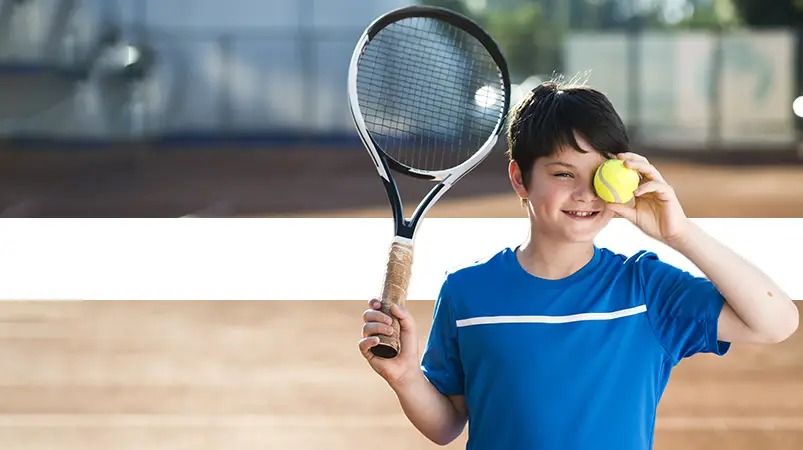
A child tapping a soft ball for the first time, joining a weekly class, and entering an official junior event are doing three different things.
| Age or stage | What starting tennis can look like | What it means for the parent |
|---|---|---|
| 3 to 5 | Preschool ball games or a play-based introduction where offered | Minimum age differs by program, so check before you sign up. |
| Around 6 to 9 | Simple organized lessons with modified activities | Many children can follow basic instructions and join a group. |
| 10 and older | Recreational play or beginner lessons for their age | You don't need prior tennis experience to begin learning. |
| Age 5 in specific USTA competitive programs | Eligibility for a PlayTracker-linked competition pathway | Applies only to that competitive program, not to regular lessons. |
The American Academy of Pediatrics favors basic active play for children younger than about six. Around six, many children can join simple, modified organized sports, including tennis.
Start by deciding what your child wants: a play session, a lesson, or match play.
Ages 3 to 5: Start with Play
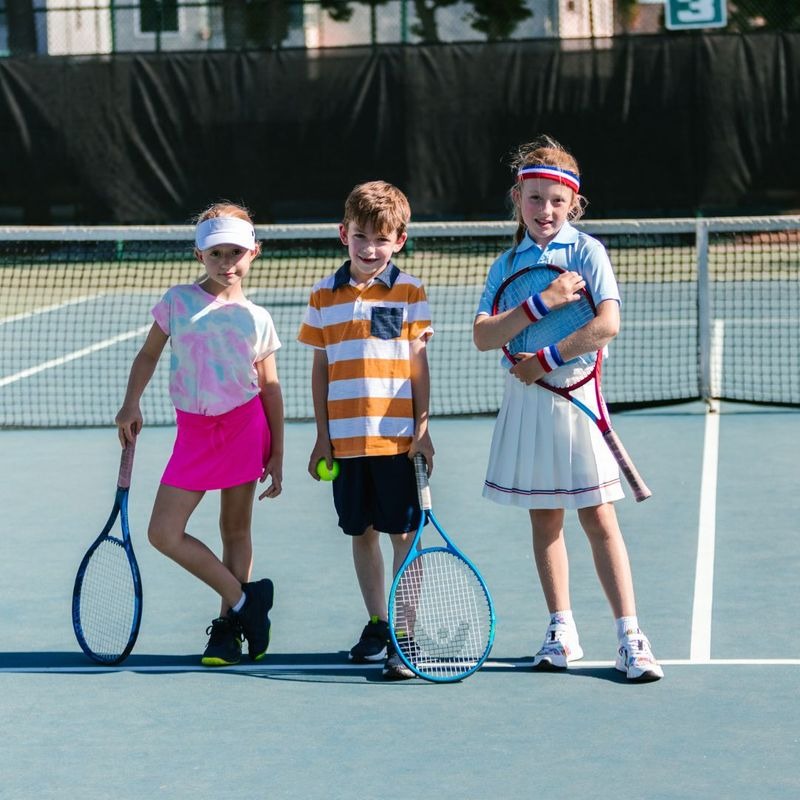
For a preschooler, tennis might mean rolling a soft ball, catching a gentle toss, or tapping a ball with a small racket. Short games let the child explore the ball and move around without following a long series of instructions.
Picture a four-year-old copying an older sibling at the court. A small playing area and an easy-to-handle ball let the younger child join in without rallying from the baseline. Demonstrate one simple action and let the child try it. If they'd rather throw and catch, follow that. If they're upset or finished, end the game.
At the USTA National Tennis Center, the “Mommy and Me” program introduces children ages three and four through movement games with red balls on 36-foot courts.
Ages 6 to 9: When Beginner Lessons Fit
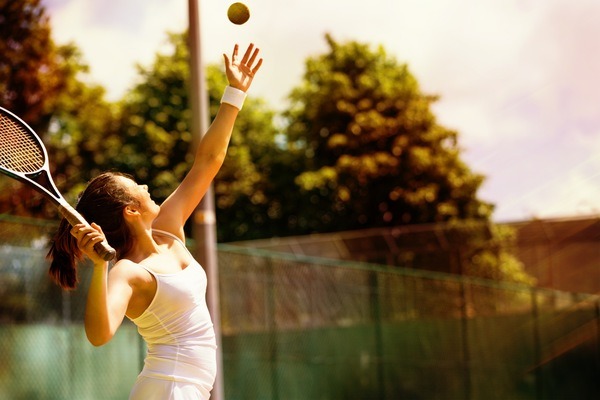
Around six, many children can follow a short demonstration, take turns, and enjoy a game with other beginners.
Group lessons give children peers to learn with and a shared game to work toward, such as counting how many gentle shots they can rally with a partner. Private instruction gives focused attention for a particular teaching need or timetable, but it changes the social experience and can raise the cost.
A seven-year-old new to tennis and one with several seasons of lessons belong in different groups.
How to Tell Whether Your Child Is Ready
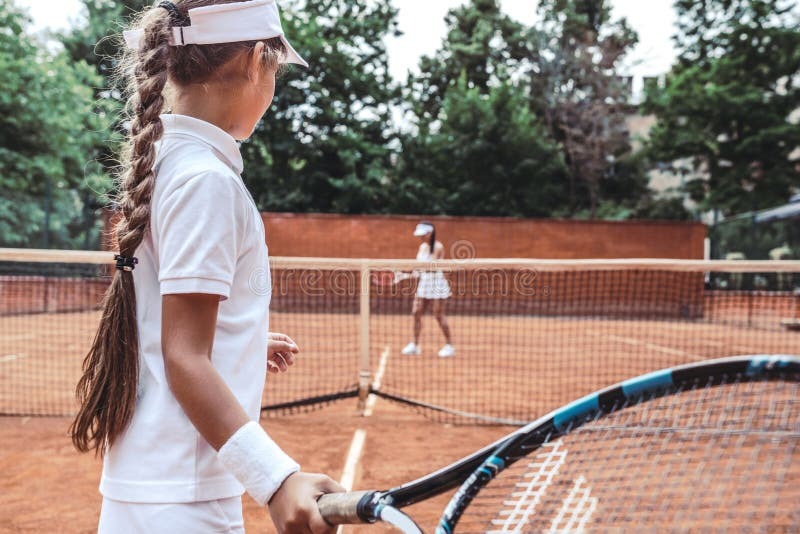
Interest shows up before reliable strokes. A child who asks to play again is telling you more about fit than a first attempt to hit a moving ball does.
| What you notice | What it suggests | What to try |
|---|---|---|
| They ask to play again | They like the activity | Child-led ball games or a playful beginner introduction |
| They follow short demonstrations | A simple beginner group suits them | Brief, active group instruction |
| Standing in line or a big group wears them down | The setting is the problem | A smaller group or a quieter class |
| Ball contact is hard, but they enjoy moving | The drill asks too much | Modified ball play with easier contact |
| They keep asking to stop | Tennis can wait | Skip lessons for now and try again later |
The USTA American Development Model emphasizes enjoyment, motivation, and developmentally appropriate play.
What Should a First Tennis Class Look Like?
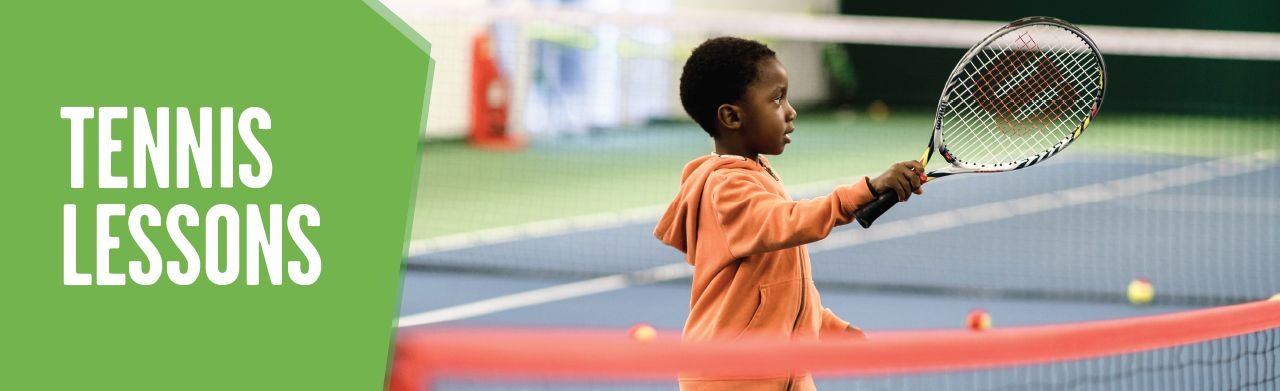
Watch four things in a trial session:
- Participation: Children move, handle balls, and try things often, with no long waits in line.
- Adaptation: Balls, court space, rackets, and instruction suit the group's age and experience.
- Progression: The instructor can tell you what your child learns next and how the activities get harder.
- Practical fit: Age limits, schedule, cost, supervision, and safeguarding work for your family.
One parent described a seven-year-old who had taken weekly lessons for nearly three years, mostly repeating coach-fed groundstrokes:
My son is 7 and has been playing tennis for almost 3 years with weekly lessons. Currently they spend a lot of time basically just being fed balls for ground strokes at the service line. They have different variations on this drill but that is the bulk of it. Otherwise they do warmups, a bit of volleying, sometimes the kids rally non-competitively (counting how many back and forth they can do), and they mix in other games to keep the kids entertained. I think I have seen them serve on rare occasions.
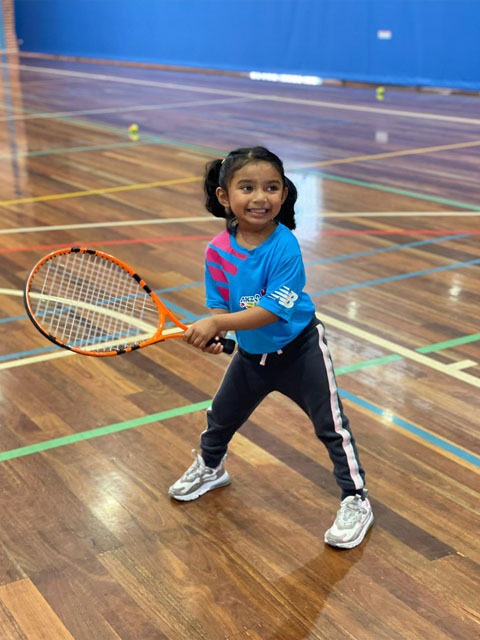
The parent wanted more challenge but valued the social side of group lessons. If your child's class looks similar, ask the coach which activities come next.
USTA's program registration listings show age eligibility, dates, price, ball color, and coach information. Lead and associate coaches in the USTA junior registration system must meet its Safe Play approval requirements. For an independent provider, ask about the same things.
Do Junior Tennis Balls, Courts, and Rackets Matter?
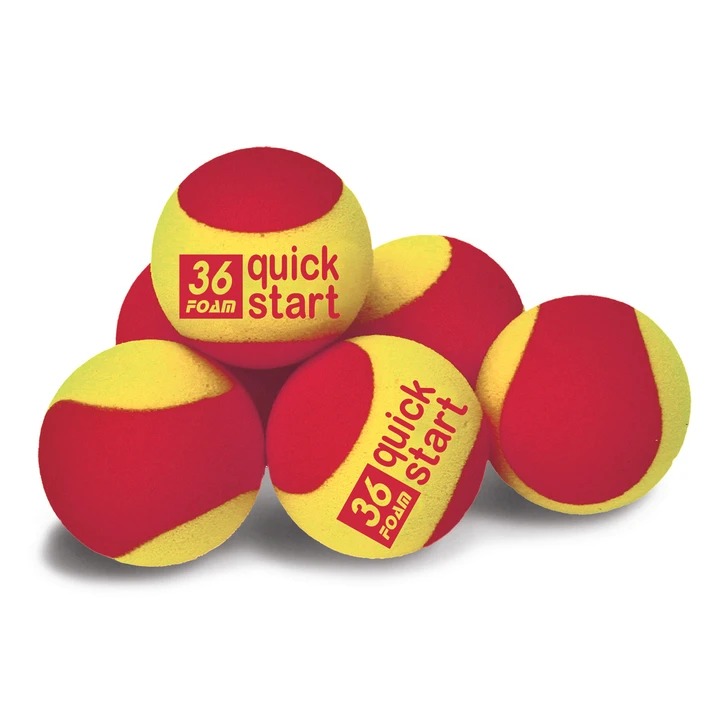
Modified equipment makes early tennis easier to attempt. A slower ball and smaller playing area give a beginner a more manageable exchange than a standard yellow ball struck across a full-size court.
The International Tennis Federation's Tennis Play and Stay program uses red, orange, and green balls with adapted play formats for children learning to serve, rally, and score.
USTA Net Generation PlayTracker gives the following recommended ages for its ball-color progression:
| Ball stage | Recommended ages in that program | Playing context |
|---|---|---|
| Red | 5 to 7 | Slower introductory play |
| Orange | 7 to 9 | Progression to more demanding rallies |
| Green | 9 to 11 | Development toward conventional play |
These bands come from the PlayTracker framework. In ordinary beginner lessons, coaches also choose equipment and activities by experience and ability.
A junior racket should be manageable for the child. Specific racket lengths and a full comparison of ball stages are in the guides to junior racket sizing and red, orange, and green tennis balls.
Is 10, 12, or 15 Too Late to Start Tennis?
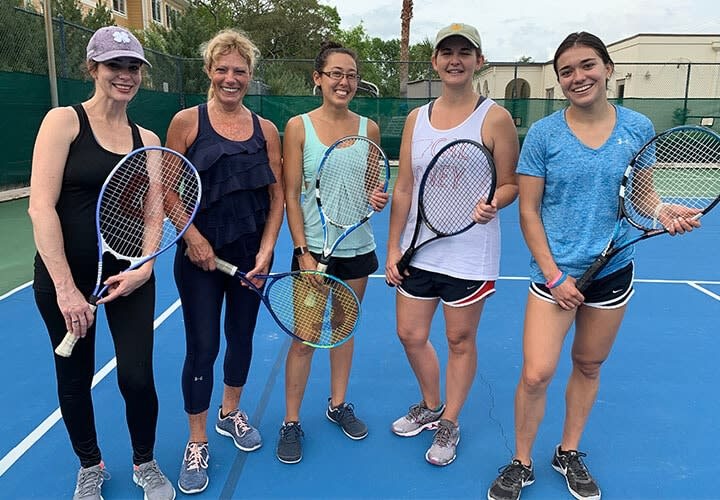
Ten, twelve, and fifteen are all reasonable ages to start learning tennis. Older beginners can develop strokes, rally, learn scoring, and enjoy recreational play with age-appropriate instruction.
School-team selection works differently. A teenager may want to play for their high school, and the team has its own tryouts and standards. One parent described a son approaching his sophomore year with no racket experience:
So my son who will be a sophomore in high school this year wants to play for his high school tennis team having never ever touched a racquet previously (he thinks he can just "learn it" and do well). Tryouts are on August 10 and I told him it won't possible for him to even learn the basics by then but I told him if we worked on it all year he might be able to get on the team next year. How realistic do you think this goal will be? And IF (that's a big if) he makes the team (not sure how popular tennis is at his high school or how good the players are) what are the prospects of him even doing well in his matches?
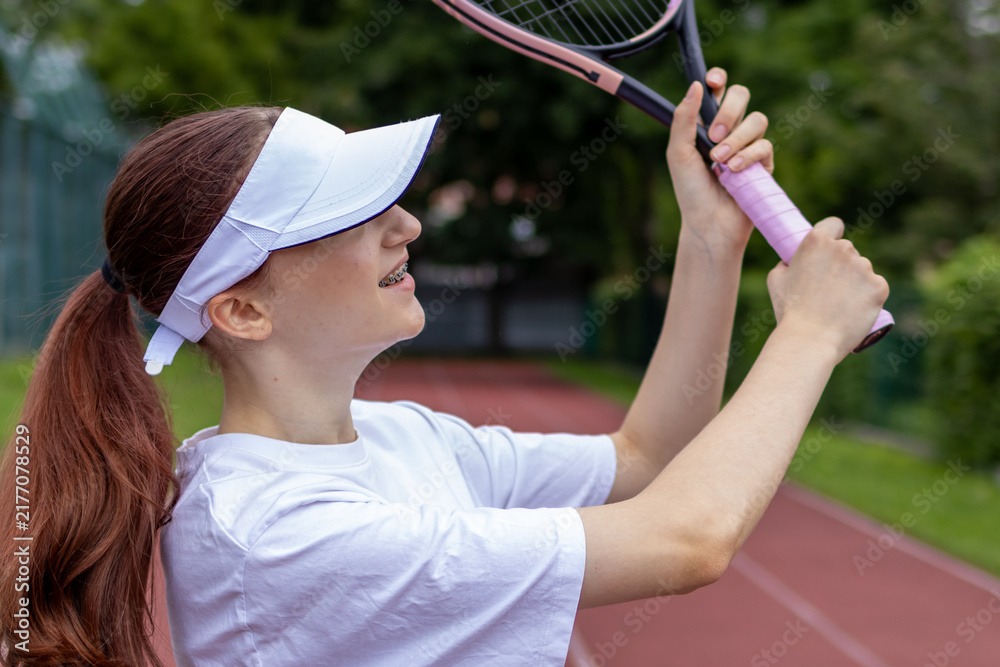
Making the team depends on the school's selection standards and the player's progress.
Pick a near-term goal that suits your child's interest: a first short rally, finishing beginner lessons, or the skills needed for school tryouts. If school tennis is the aim, ask the school's coach about the tryout format and expectations.
How Can Parents Help Without Becoming Their Child's Coach?
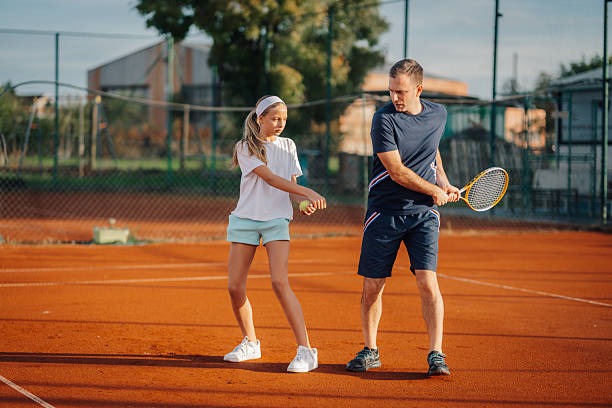
Your job is to make time for tennis, encourage your child, and share easy ball games. Technical feedback gets complicated when an instructor is also teaching.
In a post from outside the United States, a parent described a seven-year-old who loved tennis and wanted extra practice at home:
My 7-year-old daughter has really fallen in love with tennis. She started at a local social tennis club, then moved on to group lessons and 1:1 coaching. More recently she’s been invited to join our county/regional performance squad. I’m not getting carried away—I know she’s not the next Serena Williams or Aryna Sabalenka. She’s just a 7-year-old who absolutely loves playing tennis, and I want to support that. After a few tournaments, her coaches said the biggest thing she needs is simply more ball repetitions outside of lessons. Unfortunately she doesn’t have siblings or many friends who play, so I bought a big bag of orange balls and have been feeding her forehands and backhands whenever we can get on court.
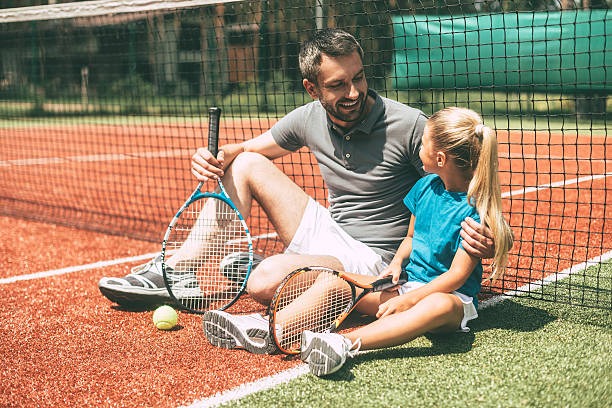
In the rest of that account, the parent said the child was relaxed with a coach but got upset after missed shots during family practice. The parent wanted to help without giving technical advice that conflicted with the coaches.
A simple agreement keeps a game from turning into an unwanted lesson: you feed balls and offer encouragement, and the instructor handles technical corrections.
The American Academy of Pediatrics' 2024 report on youth-sport overtraining addresses excessive load and insufficient recovery.
When Can Kids Start Matches and Junior Competitions?
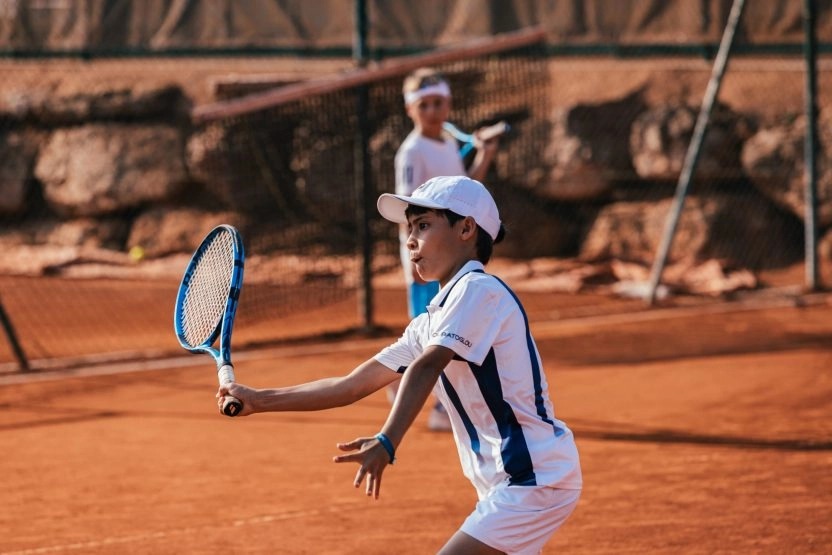
Children can play modified points and games before entering formal events.
The USTA Net Generation PlayTracker minimum of age five applies to specific competitive programs. Introductory games and sanctioned tournaments have different formats and registration rules. For any event, check its age requirement, ball format, and entry instructions. The junior tournament guide has more detail.
After the First Session: Continue, Change the Format, or Pause?
After the first session, judge your child's reaction to that particular class, including its pace, group, and activities.
- Continue: Your child wants to go back and the session suited them. Keep the same format.
- Change the format: They liked hitting balls but disliked waiting, noise, or demanding drills. Try a more playful class or a different group.
- Pause: They were distressed, uninterested, or repeatedly asked to leave. Let them return to tennis when it appeals again.