
Start with a USTA Junior Circuit event near you. If your child is ready for ranked play, enter a Level 7 tournament. Before you travel, confirm the registration deadline, whether your child was accepted, and the match schedule.
Which USTA junior tournament should your child enter first?
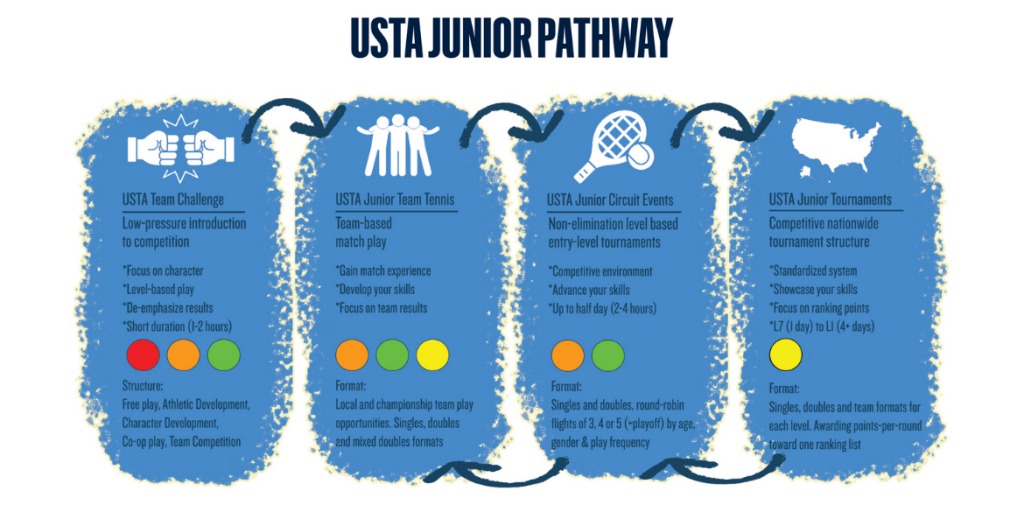
If your child rallies comfortably in lessons but has never played a real match, decide what you want the first tournament to do. An introductory event lets your child use basic serving and scorekeeping skills against unfamiliar opponents.
The USTA Junior Circuit introduces children to competition through non-elimination, round-robin-style events. Your child gets match experience without earning national ranking points. USTA describes opportunities for two to four matches, depending on the event's structure and participation.
USTA ranked Junior Tournaments use Levels 7 through 1. Level 7 is USTA's recommended entry point for many developing players who are ready for ranked competition. Level 1 is advanced national competition.
| Consideration | Junior Circuit | Ranked Junior Tournament |
|---|---|---|
| Main purpose | Experience playing matches | Compete in a ranked tournament |
| Typical structure | Non-elimination, round-robin-style play | Draw and match format set by the event |
| National ranking points | None | Available under the ranking rules |
| Starting level | No ranked level number | Level 7 for many new ranked competitors |
| Reason to choose it | Learn match routines in a learning setting | Compete under ranked tournament conditions |
An 11-year-old who can serve, rally, and keep score in practice sets but has never entered a tournament fits Junior Circuit. A 14-year-old who already serves, keeps score, and completes practice sets independently can go straight to a ranked draw.

In practice, watch whether your child can start points with a serve, remember whose turn it is, keep a basic score, and keep playing after losing several games. Those signs help you make the first choice.
If you are still deciding between lessons, practice, and competition, see the junior tennis guide for parents.
What age division, ball stage, and eligibility rules apply?

Tournament levels and age divisions describe different things. Level 7 is a category of ranked event. A 12U draw is a junior age division. Your child must meet the age requirements of the draw and any other restrictions.
Under USTA's general junior age rule, a player's age counts as of the end of the month in which the division begins. Certain designated tournaments use different rules, including events governed by an ITF year-of-birth approach. This matters when a birthday falls close to the tournament date.
| Player category | Relevant format or division | Eligibility detail that matters |
|---|---|---|
| 10U | Net Generation PlayTracker; red, orange, or green ball stages | Competition level, ball stage, court format, and event rules |
| 12U, 14U, 16U, and 18U | Ranked junior age divisions | Your child's age and the draw's entry restrictions |
For 10-and-under players, the ball stage matters most. USTA's Net Generation PlayTracker records progression through developmental competition. A player's competition level helps determine which ball-color events are eligible, and PlayTracker points serve a different purpose from national junior ranking points.
If your child is 10 or younger, you can find the recorded competition level in the child's profile under the Family tab of your USTA account.
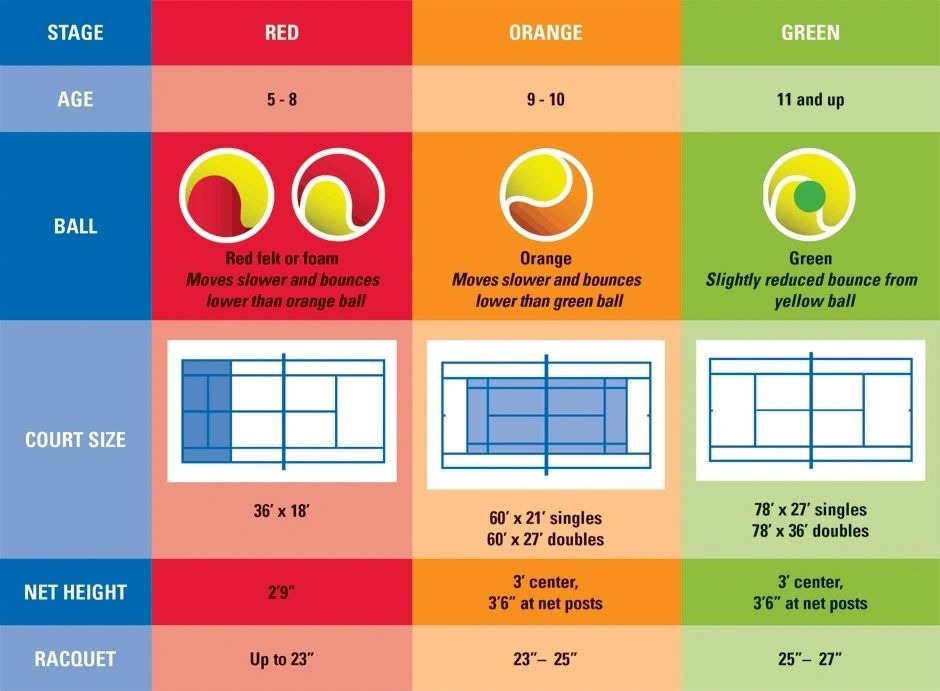
An eligible green-ball Junior Circuit event can contribute PlayTracker points. A green-ball Level 7 tournament is a ranked event and awards national ranking points. Both listings mention green balls, but they lead to different competition routes.
PlayTracker transition rules change when a player turns 11, so read the event's stage and age requirements first.
For equipment and playing formats, see the red, orange, and green tennis ball guide.
Some tournaments add entry restrictions. Open events, closed sectional tournaments, and national tournaments can have different conditions, including residency or citizenship requirements.
How do you find a junior tournament that fits?
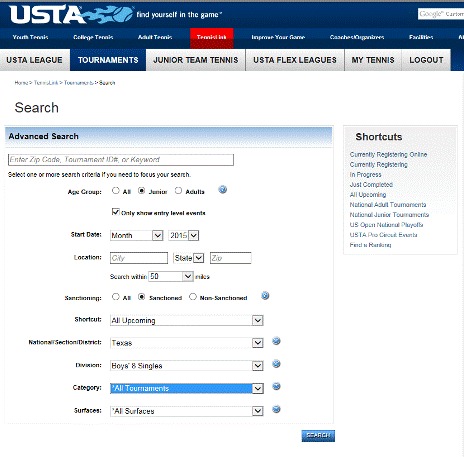
Use USTA's tournament search to find an event that fits your child's route, age division, location, and dates. The USTA tournament search instructions explain the filters: date, distance, age division, level, and section.
- Choose the event type. Start with Junior Circuit or the right ranked level.
- Set location and dates. Pick a driving distance and a weekend your family can attend.
- Build a shortlist. Save one to three listings, noting the organizer and the division.
- Widen the search if needed. Try another date window, a longer distance, or ask the local USTA section before assuming no suitable event exists.
One Southern California parent described how hard it was to find a first event for a daughter who had already taken lessons for years:
Hello everyone! New here. I'm looking to schedule my daughter's first tournament. She's been in weekly lessons for a few years now & ready to start playing competitively. Scanning across UTR and USTA, I haven't seen many options at her age / skill level. IE, not seeing a single event on UTR in our area (SoCal) through the end of the year. Am I looking in the wrong place? Appreciate any advice!
The parent searched two systems, USTA and UTR Sports. This is one family's search in Southern California in 2023.

In Southern California, USTA SoCal offers a junior-parent resource with sectional information about events, levels, and participation. Regional guidance helps when a national listing doesn't explain a local tournament's procedure.
How does a parent register a child for a USTA tournament?
Registration starts with the right USTA player account and the event's official entry page. Your child's age affects how the account is managed.
For players under 13, USTA provides a registration procedure linked to a parent or guardian. Players aged 13 through 17 have more account options, described in the USTA child-registration instructions.
- Open the right USTA profile. Use the guardian link for a younger child or the older-junior account option for a teen.
- Select the tournament and division. Enter the draw that matches your child's eligibility.
- Review the registration terms. Read the entry deadline, event conditions, possible charges, and the information the system asks for.
- Submit. Save the registration confirmation and the published entry cutoff.
Junior membership is free. A tournament may still charge an entry fee, and checkout can show a potential charge while collecting payment details. In USTA's selection-based process, you enter those details before the tournament confirms which entrants are selected. Selected entrants are charged. Players who are not selected are notified and not charged for that entry.
Does registration mean your child is in the tournament?

Registration and acceptance are separate stages. When a tournament selects entrants after registration closes, your child's entry can stay pending until the organizer processes the field.
| Stage | What it means | What follows |
|---|---|---|
| Entry submitted | The request is recorded | Selection or acceptance information |
| Selected or accepted | Your child is admitted | Draw information once published |
| Waitlisted or not selected | No confirmed draw place | The event's notification or waitlist procedure, if any |
| Draw and schedule published | Competition and reporting details are available | The published time, location, and format |
Events differ on whether they use a waitlist or selection step.
An accepted entry may appear before the draw or match times. Once the draw is published, open Draws on the tournament's USTA page and select your child's event. For a round-robin group, the group match listings show scheduled times. Overview shows the event location and any additional facilities.
Withdrawal has two timing rules. Before registration closes, you can withdraw online without being charged for that event. After the cutoff, contact the tournament director, and any refund follows the tournament's policy.
Say you submit an entry and immediately book a nonrefundable hotel room. If your child isn't selected, you still pay for the room. Book travel after you know your child is accepted, and first confirm the reporting time, venue, and withdrawal deadline in the published draw and the official event record.
What should families expect on tournament day?

A first tournament feels different from a lesson. Your child has to find the right place to report, understand the match format, and play points against someone new.
Junior Circuit events use introductory match formats. Ranked tournaments follow the format announced for their draw. Some competitions use multiple venues.
These things make the day easier:
- Playing equipment: A racket your child knows, tennis shoes, and any other gear your child normally uses.
- Food and weather: Water, snacks, and clothing or sun protection for the conditions.
- Event information: The reporting location, organizer's instructions, contact details, and match format.
- Who does what: Make sure your child knows who keeps score and where to find officials, and that you know how parents are expected to behave as spectators.

Parent conduct can become part of a child's experience, too. One parent opened a request for advice about a 15-year-old's second USTA event this way:
I was hoping for advice on what to do regarding a recent junior tournament my son played recently, especially to prevent a recurrence with a local family. TLDR - parents coaching, called out, then start yelling at my son. For background, my son is 15 yo, and this was his second USTA tournament. He previously played travel lacrosse for 6 years, park district tennis for 4 years summers, but in high school switched to tennis and played on the freshman team last year.
As a spectator, you follow the event's coaching rules.
When a match ends, your child follows the event's score-reporting procedure and finds out whether another match is scheduled. USTA Northern California's parent guidance describes reporting at the tournament desk or through an app process, depending on the event. Use the procedure your organizer provides.
What if a junior player disputes a score or a parent's behavior?

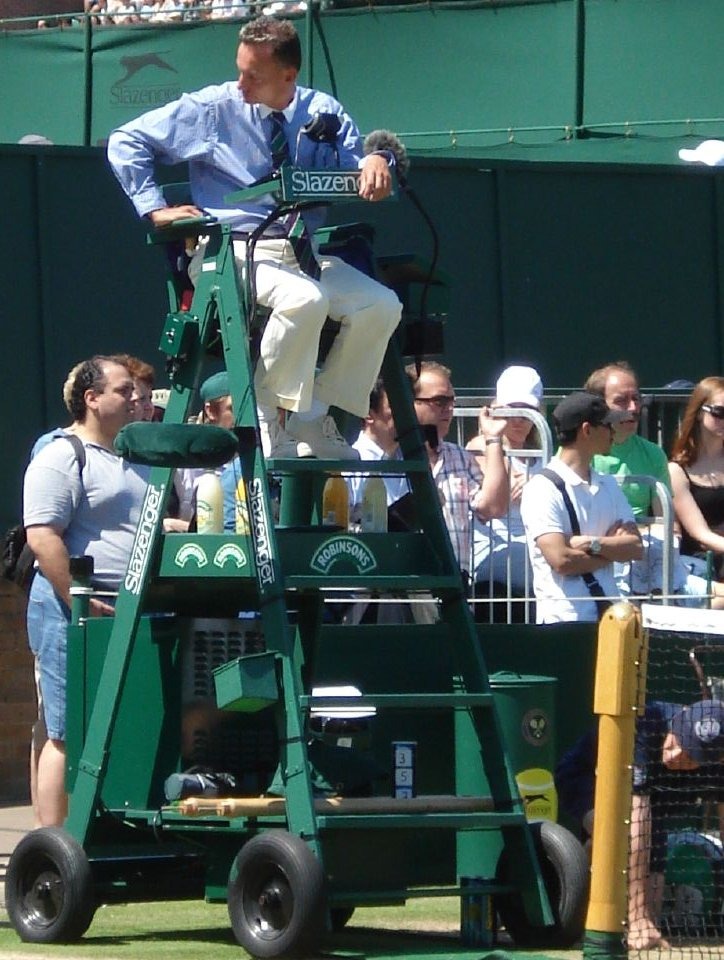
In an unofficiated junior match, players may be responsible for keeping score and making calls under the rules. If they can't resolve a disagreement, they follow the tournament's procedure for asking an official or tournament director for help.
Say your child thinks an opponent took an extra serve or announced the wrong game score.
One parent reported a disputed sequence during a son's 10U match:
My son played in a 10U tournament this weekend. He played alright but lost all his matches badly - probably needs more training to catch up to the other kids. What got me, though, was that in his last match, his opponent, who beat him 4-0, blatantly cheated multiple times. Once he double faulted and took a third serve, which he got in and ultimately won the point. The match ended when the score was 3-0, 40-15 and somehow he convinced my son that the match was over.
That is the parent's account.
- Name the issue. Is it the score, the number of serves, a line call, or another rule?
- Ask for an official. If the players can't settle it, your child follows the event's instructions for pausing play and requesting help.
- Leave on-court decisions to officials. Take concerns about adults or spectator behavior to the tournament director or the event's reporting process. Don't confront another child on court.
USTA Northern California's parent guidance gives specific examples of resolving scoring disagreements and finding an official. What an official can decide, especially after a point has ended, depends on the tournament's officiating and coaching rules.
Before the event, your child can review tennis scoring rules for games, deuce, and service order.
What counts as a successful first junior tournament?
After the event, ask your child what felt comfortable, what was confusing about scoring or match routines, and which skill needs practice before the next tournament.