
Book whichever first session you can actually make happen: a beginner group if you want other learners, a hit with a friend, or an introductory private lesson if you want one-on-one feedback and the price works. If it falls through or turns out too advanced, switch to another type. Then put one first hit on your calendar.
Choose Your First Way to Play Tennis
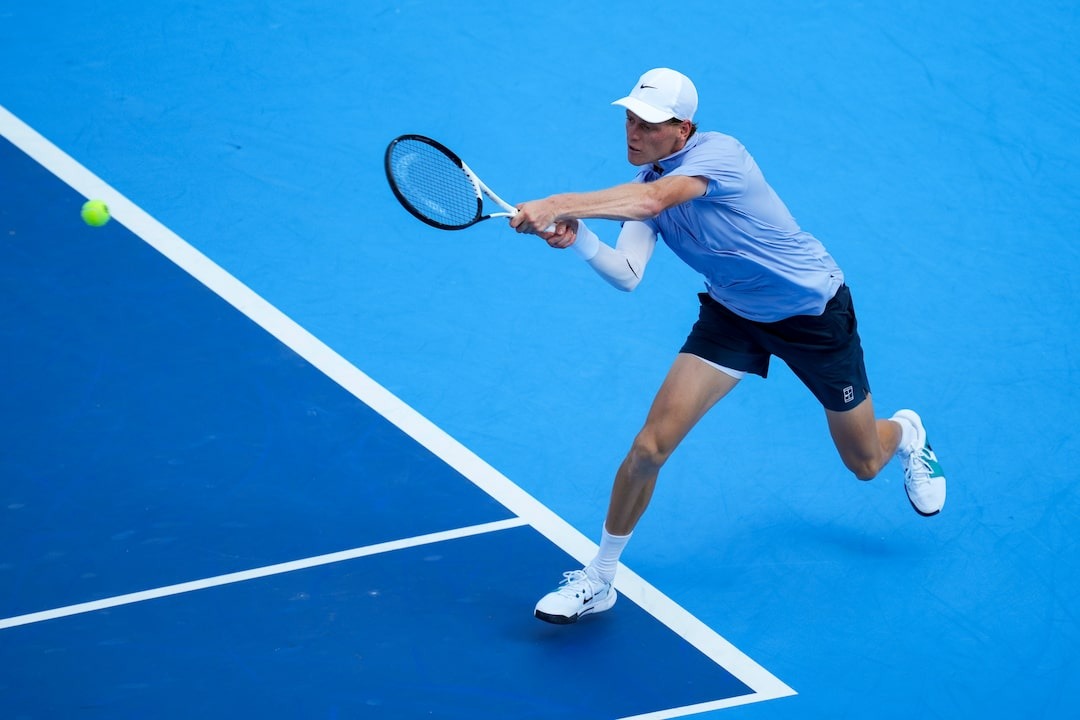
You can try tennis before you know how to keep score or own an expensive racket. Three things decide where to start: whether someone can hit with you, how much coaching you want, and what you can afford.
| Starting option | Good fit when | What it takes | Trade-off |
|---|---|---|---|
| True-beginner group or clinic | You want instruction and other learners | A local program with room for a first-timer | Pace varies from group to group |
| Introductory private lesson | You want individual feedback | An instructor who teaches first-timers and a fee you can manage | One-on-one attention costs more |
| Relaxed hit with a friend | Someone will play cooperatively | Court access, rackets and balls | A friend has little teaching experience |
| Solo preparation | No partner or suitable session yet | A permitted wall or court | No live opponent or coaching feedback |
If you played years ago, a refresher clinic can suit you. If you have a patient friend, try a few easy exchanges before you commit to lessons.
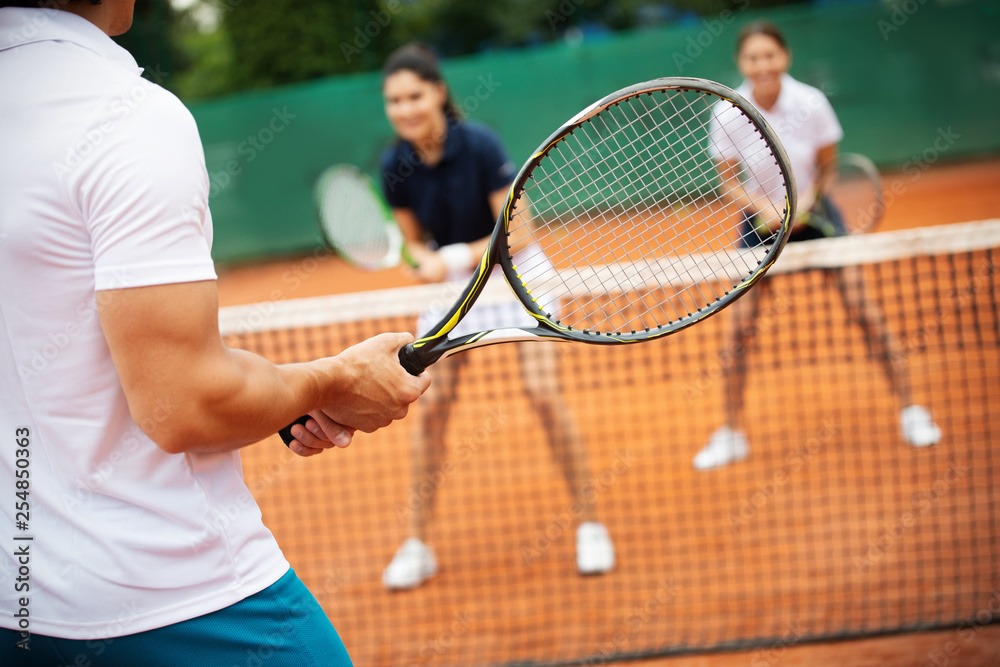
Pick one option and one backup.
Find a Court or Beginner Program Near You
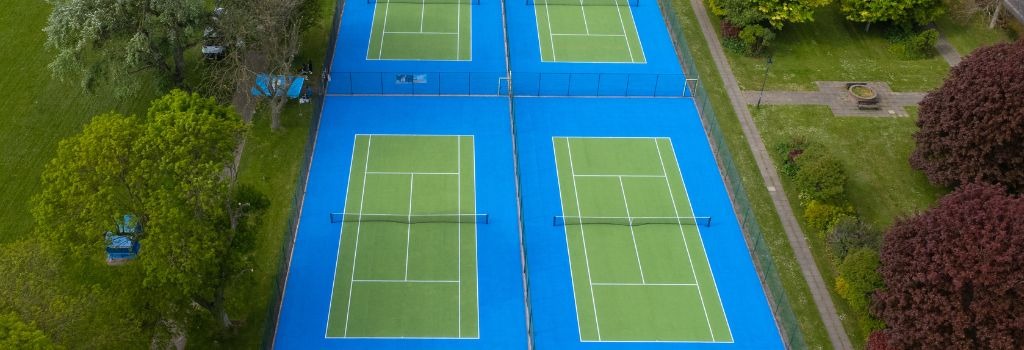
A beginner program gives you instruction or organized play. A court reservation gives you only the space. The two can need different registrations and supply different equipment.
Use the USTA's tennis program finder to search by city or ZIP code or by section/district, and apply the Adult and Beginner filters. Open a program overview to see session dates, times, price, eligibility requirements and coach details. A listing is only a lead. Check the provider's current registration information for availability.
Other places to look:
- City or county parks and recreation: Check adult beginner clinics, classes and public-court information through the department that runs the facility.
- Local tennis clubs and teaching facilities: Look for introductory group sessions or coaches who teach people with no prior tennis experience.
- Public courts: If you have a partner, find out whether a court requires a reservation, permit or fee before you plan a casual hit.
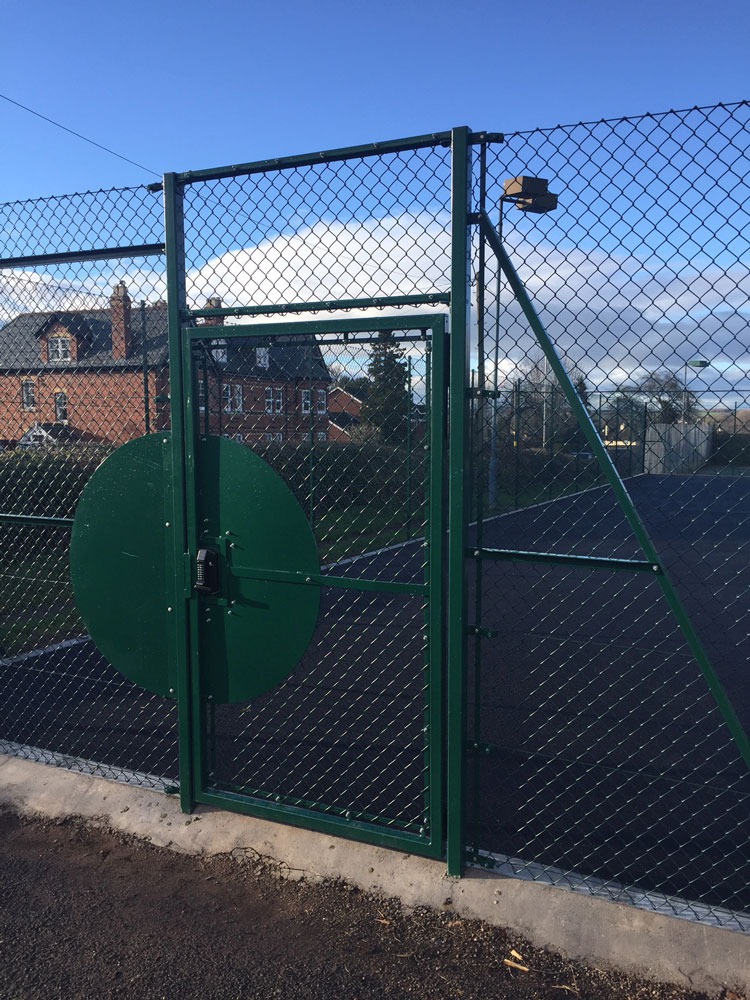
Before committing, confirm one specific place and time, how to register or reserve it, the total fee and any waiver or account requirement. Ask about weather cancellations and rescheduling too.
The USTA National Tennis Center handles court bookings and instructional enrollments separately, each with its own account and payment arrangements. A municipal public court can work differently.
Check That a Beginner Class Really Fits a First-Timer
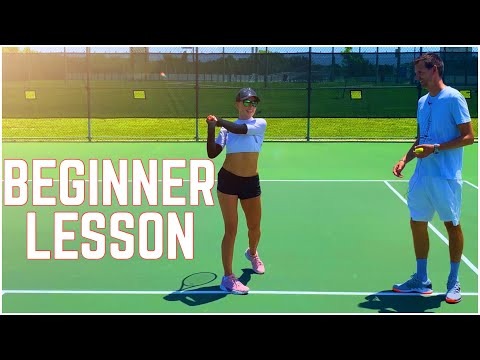
Beginner can mean someone who has never held a racket or someone who can already exchange several shots and play simple points. Before you register, ask what the organizer expects on day one.
One new player described being overwhelmed in a group whose other participants already had tennis experience. The class involved mini-court point play, and fast incoming balls made it difficult for the newcomer to return shots:
I’ve just started playing tennis — this was my 4th lesson. The people in my group have all played before, and we’re playing on a midi court. Our coach had us play mini-court matches, 3 sets up to 10 points. When I was receiving serves, they were hitting the balls really fast, and before I could even move, the ball was already on me. Naturally, I couldn’t return most of the serves. Once they realized I was struggling, they started playing almost every ball to me. I felt pretty bad, to be honest. How can I handle fast incoming balls and return them while keeping the ball inside the court?
The author later clarified that the coach fed the balls to start each exchange. So the problem was handling those feeds in a drill, not regular served points or the other players' intentions.
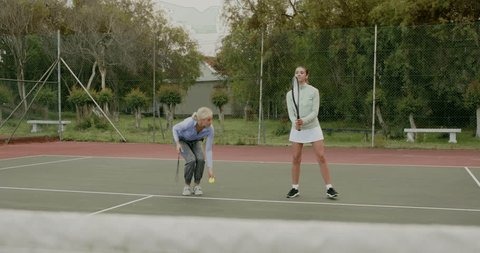
Ask the organizer three questions:
- Is the session designed for somebody who cannot rally yet? Find out what players should know before they arrive.
- How does the first practice begin? Ask whether players start with controlled feeds, shorter distances or softer balls.
- How are mixed levels handled? Check whether the coach adjusts activities when some players have played before.
At the USTA National Tennis Center, Intro to Tennis 101 is a 90-minute class for complete beginners. Novice 102 is for players beginning to serve, rally and keep score. These are that facility's program labels.
Do I need an NTRP rating to join my first lesson?No. You don't need a national NTRP rating to ask about introductory instruction. At the National Tennis Center, a complete beginner without a local NTC rating can contact the programs staff and have a beginner rating assigned for registration, with no on-court evaluation. That facility rating is separate from NTRP, and other venues set their own enrollment requirements.
No Partner Yet? Start Without One
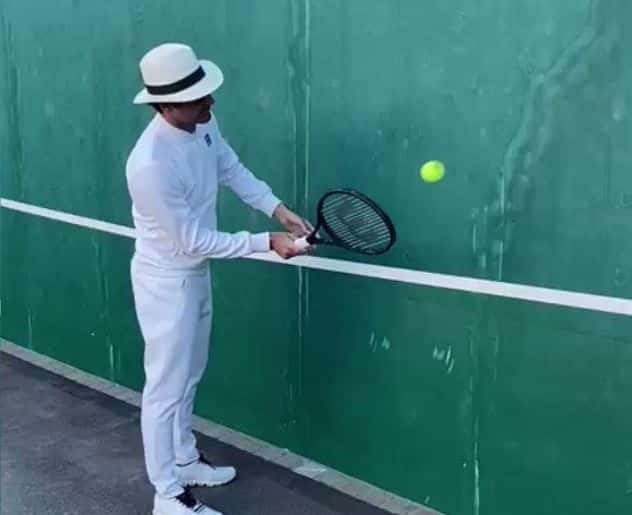
If nobody is available to hit with you, a true-beginner group or parks program puts you in front of other learners. If the next suitable class is weeks away, a permitted practice wall or court lets you get used to racket and ball contact. Solo work gives you no live exchange and no instructor's correction, and you can repeat an error without noticing. Use it only until you can get to a session with another person, and find one program contact or permitted place to start.
What You Need for Your First Tennis Session
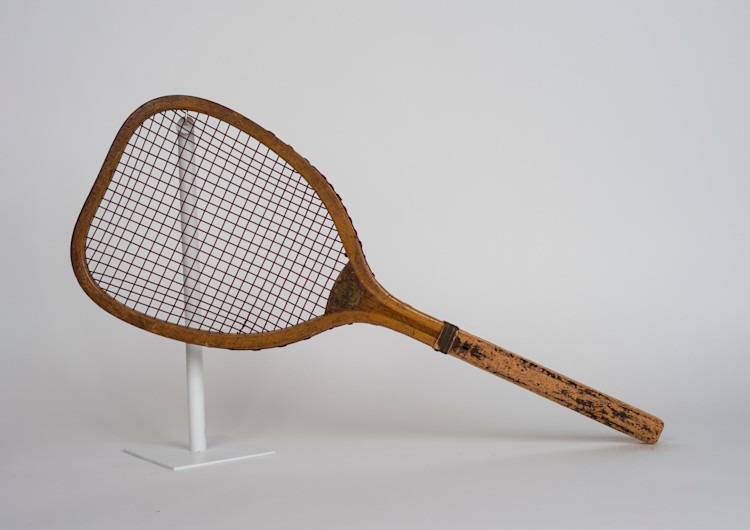
A basic first-day kit is enough. Some introductory programs supply rackets and balls, which can spare you an early purchase.
| Item | Bring or borrow? |
|---|---|
| Tennis racket | Borrow if available; otherwise bring one |
| Tennis balls | Check whether the lesson supplies them; bring balls for an independent hit |
| Court-appropriate shoes | Bring your own |
| Comfortable athletic clothes | Bring your own |
| Water and weather protection | Bring as needed for heat, sun and conditions |
Tennis means side-to-side movement, quick stops and changes of direction. Shoes made for the court surface and clothes you can move in let you try those movements without a shopping trip first.
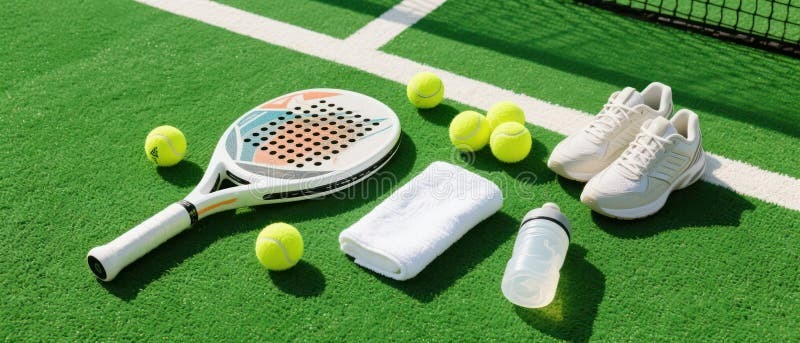
Some beginner classes use low-compression balls to make early contact easier. The National Tennis Center's Intro 101 program describes using them according to students' needs.
Choose a personal racket later, once you know how it feels in your hand and whether you want to keep playing.
What Your First Tennis Session May Feel Like
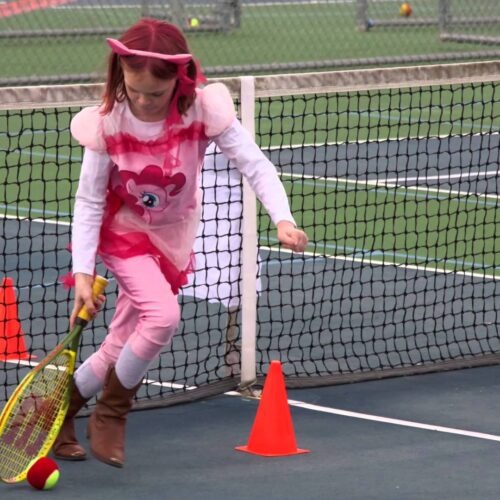
Expect more attempts at clean contact than full points. Seeing the ball come, preparing the racket and timing a swing are new tasks when you have never done them together.
A rally is a sequence of returned shots, and a serve starts a formal point. A coach can introduce the motions with a gentle feed near the service boxes before you play a scored game.
One adult reported feeling awkward after a first individual lesson:
I feel super stiff, slow, and kinda old not gonna lie. Like my body just doesn’t move how it’s supposed to. Also didn’t realize how hard it is just to hit a clean ball. Respect to anyone who makes this look easy.
Early tennis demands timing and positioning as well as a swing. Feeling stiff after an unfamiliar exercise says little about what you can learn later.
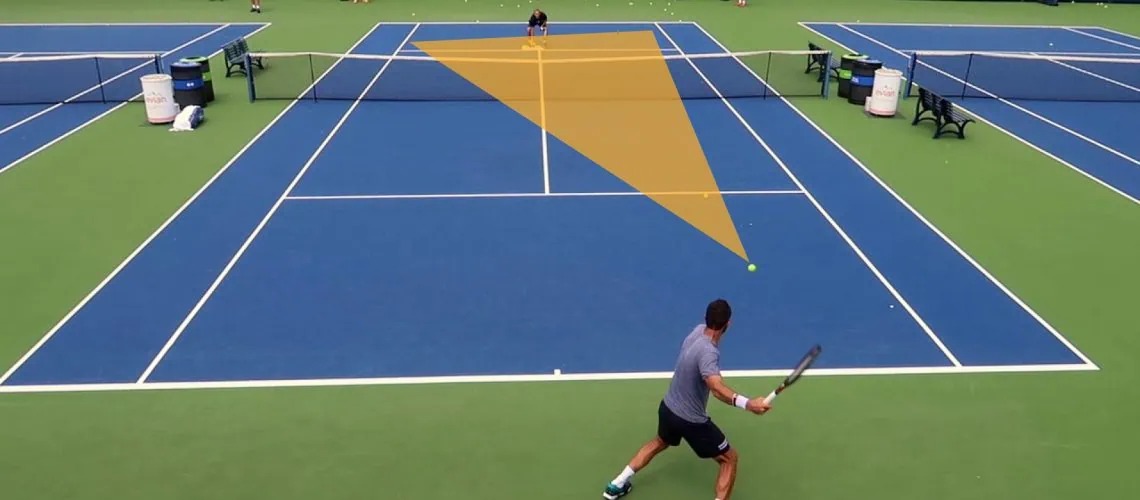
Try a cooperative short-court exchange with a friend or instructor. Stand a comfortable distance apart near the service boxes, use gentle feeds and aim to meet the ball with a controlled swing. Note the distance and ball speed where you can prepare calmly, then adjust with your partner.
There is no rally count to reach in a first session. You might manage a short exchange, or spend most of the time learning to meet a slowly fed ball.
Keep Playing After Your First Hit
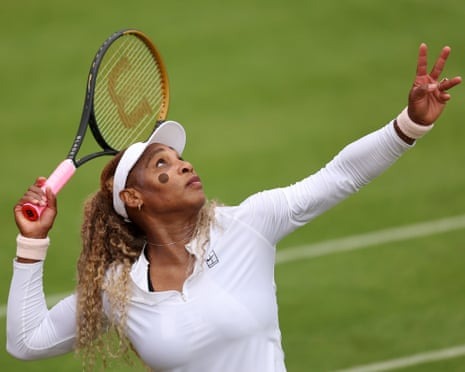
Afterward, judge the session on its pace, how much hitting you did, the instruction, and how easily another visit fits your week.
| First experience | Next step |
|---|---|
| Group pace felt manageable | Return to an introductory session |
| Group was too advanced | Try a slower beginner group or a more focused introduction |
| You enjoyed gentle hitting with a friend | Arrange another relaxed hit |
| The lesson helped, but the schedule or fee was difficult | Find a recurring time or group option you can manage |
Early progress can be as small as spotting a ball you can return, feeling easier with a racket, or wanting to come back. Pick your next hit or program contact now, while you remember what worked.