Most adults starting tennis need a racket and balls, tennis shoes, comfortable clothes, and water. You don't need a bag full of upgrades. If your lesson provides the racket and balls, borrow them for the first session. Otherwise, check the court and the gear you already own, then get only what's missing.
What Tennis Gear Do You Need for Your Next Session?
A first lesson and a hit with a friend need the same basic gear but a different shopping list. Start with the session you're attending and what you already have.
| Item | Lesson with confirmed loaners | Independent court hit | What to do |
|---|---|---|---|
| Racket | Borrow the lesson racket | Bring your own or arrange a loan | Get one if none is available |
| Balls | Use the lesson balls | Agree on balls with your partner | Get them if the session doesn't supply any |
| Court shoes | Your own shoes | Your own shoes | Check fit and surface |
| Clothing and water | Bring your own | Bring your own | Wear practical clothes and bring water |
| Dedicated bag and extras | Can wait | Can wait | Buy only if you need to carry gear |
USTA Florida's beginner information describes some introductory sessions with loaner rackets and balls. Ask the organizer whether yours includes them, since programs differ.
Should You Borrow, Buy Used, or Buy New?

Borrowing is the easiest way to try tennis when a racket is available. Once you play regularly, a racket you know makes sessions easier to arrange. Used or new then comes down to fit, condition, and how much risk you accept.
| Option | Commitment | Main uncertainty | Best fit for the situation |
|---|---|---|---|
| Borrow | Little or no purchase commitment | Which racket you get and how it fits | A first lesson or occasional play with confirmed access |
| Buy used | Lower purchase cost | Frame wear, unknown repairs, grip and strings | A buyer who can judge a secondhand frame |
| Buy new | Bigger purchase commitment | Whether it suits you, though its condition is known | Someone who plays regularly and wants a consistent setup |
Say a Facebook Marketplace racket looks almost new in the photos. Before you pay, check the frame for cracks or damage, the grommets where the strings enter the frame, and the handle and grip. Ask about its history, and ask whether you can inspect it or return it. Photos and a seller's word won't tell you whether the frame is sound. If something looks damaged, have a qualified person check it or pick another racket.
A cheap new racket makes sense when a secondhand one leaves too many questions about condition or fit.
How to Choose a First Racket
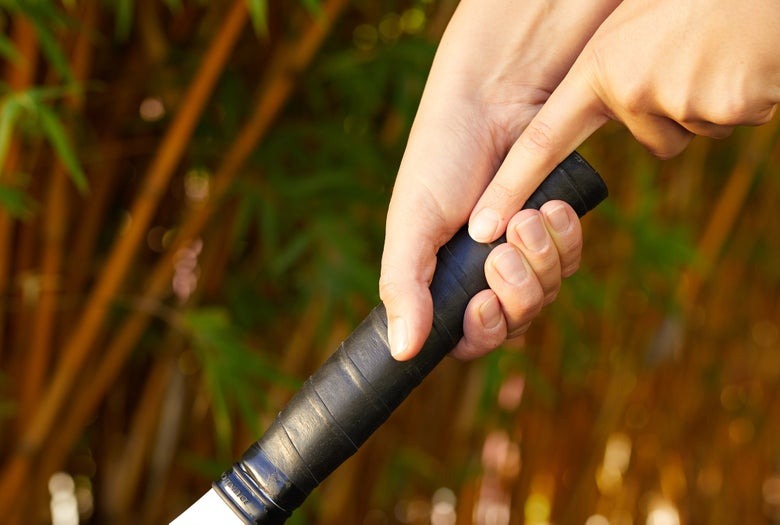
No single head size or weight suits every adult beginner. Start with handle fit and whether the racket feels easy to swing. Head size, weight, and balance explain how rackets differ, and they matter once they separate options you can actually get. Wilson's racket-selection guidance gives 27 inches as the standard adult racket length.
Grip size is the circumference of the racket's handle, and it's a buying spec. An Eastern or semi-Western forehand grip describes where your hand sits when you hit the ball. Mixing the two up turns a question about whether a handle fits into a technique debate.
A small shortlist is enough to start
If demos are available, compare a few rackets under the same conditions. Note how each handle feels and whether the racket is comfortable through ordinary swings. A short list makes those notes easier to use than sampling every head size, weight, and string pattern.
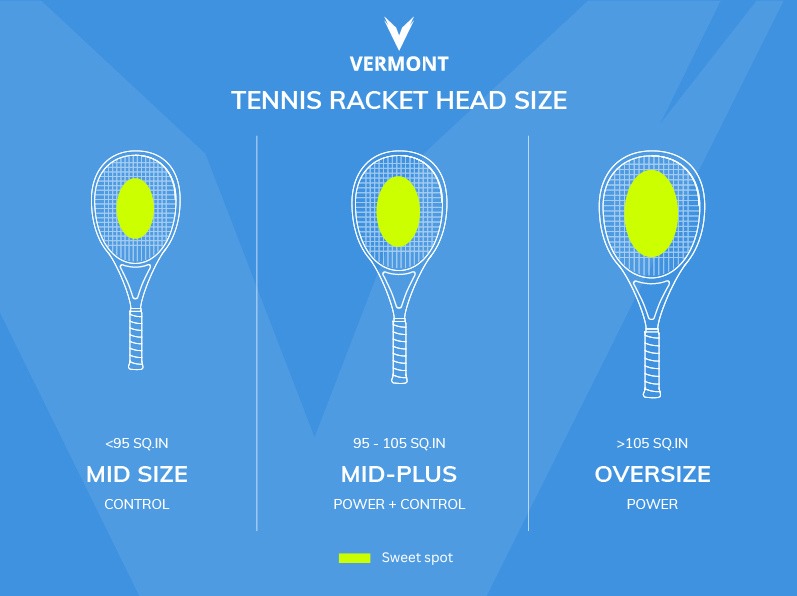
No demos? Narrow the choice by handle fit, specs you can manage, and advice from a coach or knowledgeable retailer. Check a demo program's terms before you join. For swingweight, balance, stiffness, and patterns, the Tennis Warehouse racket guide offers a fuller technical comparison.
Tennis Shoes: Choose for the Court
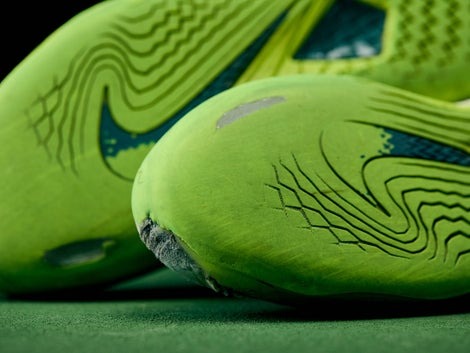
Tennis means sideways pushes, hard stops, and quick turns. Tennis shoes are built for that. Running shoes are built for moving forward. Your playing surface matters too.
On a public hard court, check that the outsole is made for that surface and grips well. Clay calls for a different outsole design. Fit and width matter as well: a shoe that slides around your foot or feels awkward moving sideways is the wrong one.
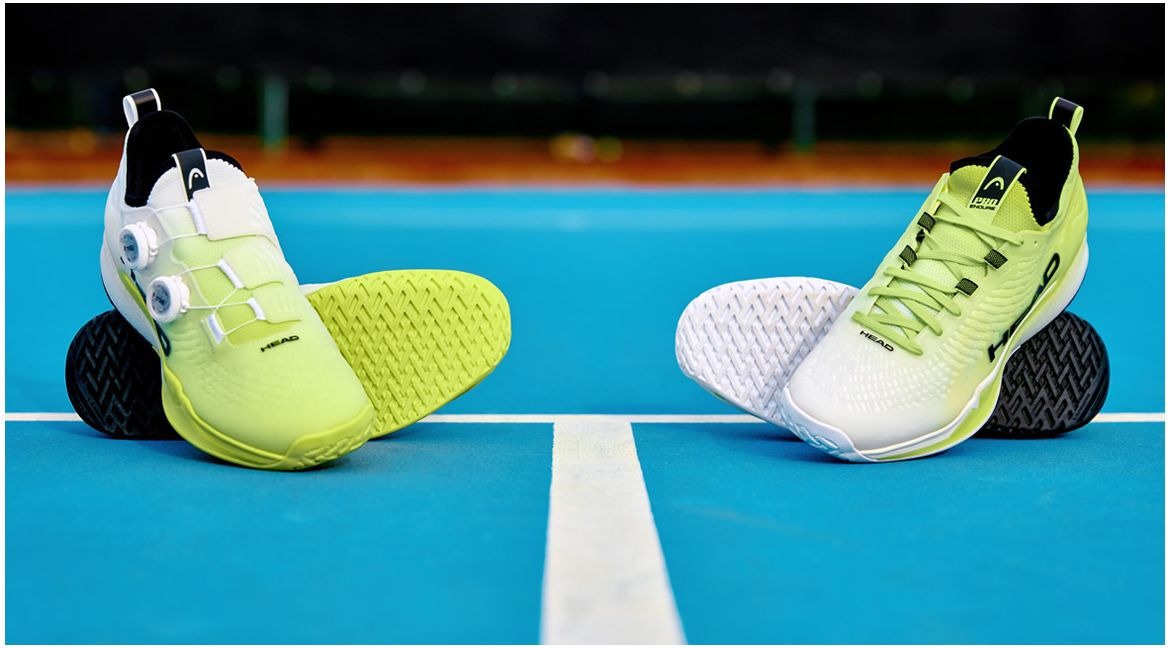
Check what footwear your court requires, then look over the shoes you own for fit, outsole wear, grip, and side support. That may settle whether you need tennis shoes for this session. The Tennis Warehouse shoe guide, updated in May 2026, explains court surfaces, width, durability, and stability in more detail.
Which Tennis Balls Should You Bring?
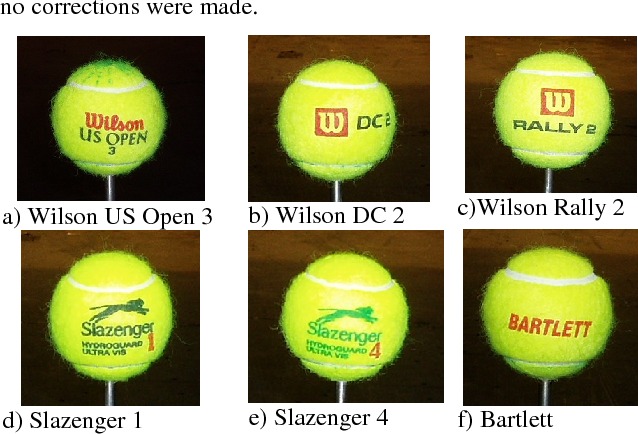
Ball labels tell you which surface or kind of practice the ball is made for. If you bring your own, start with the court and what you'll be doing.
| Ball category | Common use | What changes your choice |
|---|---|---|
| Regular-duty | Often associated with clay and softer courts | The court surface |
| Extra-duty | Generally used on outdoor hard courts; heavier-duty felt | Hard-court play and surface-related wear |
| Pressureless | Practice and some ball-machine sessions | The practice setup and the type of ball expected |
| Low-compression training (red, orange, green) | Beginner instruction for adults and children using modified balls | Instructor's format and player ability; junior age and stage guidance |
USTA's Red Ball Tennis is an example of an adult introductory program using modified red balls. For a structured class or event, check the organizer's ball requirement before you choose.
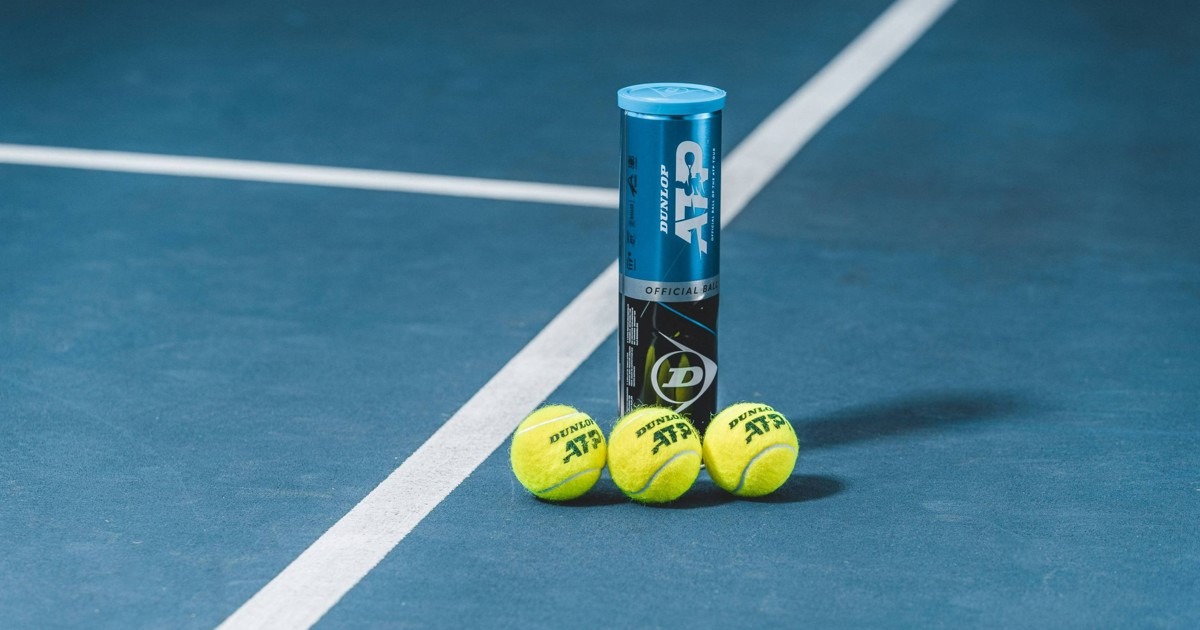
Pressurized balls are common for regular play. Pressureless balls are for practice. High-altitude versions exist for conditions that call for them. For a child, follow the junior program's stage guidance.
The International Tennis Federation publishes balls approved under its testing program for 2026. ITF approval is separate from retail labels such as regular-duty and extra-duty, which describe intended use and felt construction.
What to Check on Used or Pre-Strung Rackets
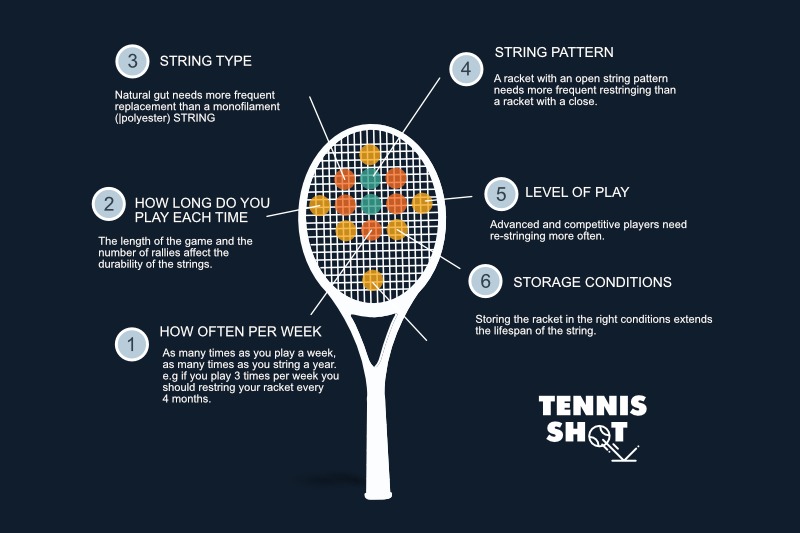
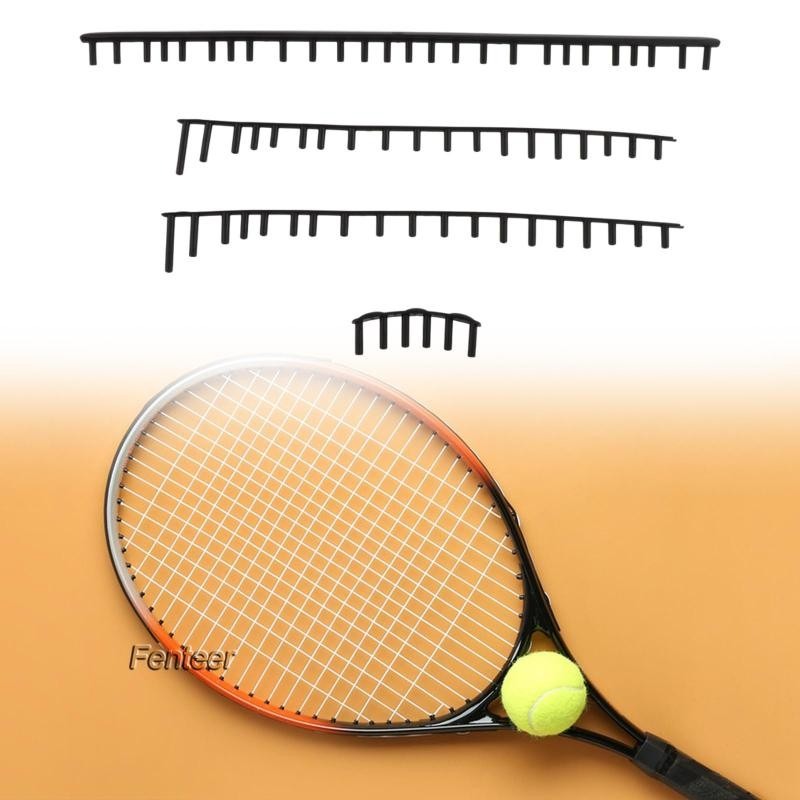
A used or pre-strung racket can carry strings of unknown age, material, and history. The common types are nylon-based synthetic gut and multifilament, plus polyester and natural gut. Material and the frame's guidance affect string tension choices. Look for broken or visibly damaged strings, and for any stringing details or markings on the frame. A professional stringer can assess a setup you can't read. Intact strings don't need replacing on a fixed schedule.
What to Buy Later
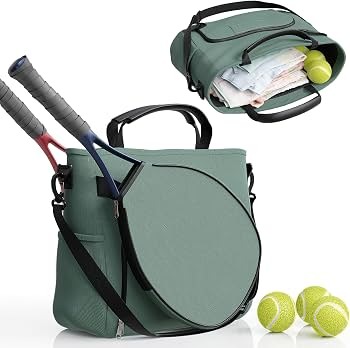
Wait on accessories until a problem on court calls for one.
| Item | Initial priority | Reason to get it later |
|---|---|---|
| Dedicated racket bag | Optional if you have a way to carry the racket | Carrying or storing gear gets inconvenient |
| Overgrip | Optional | Your grip's feel or condition creates a need |
| Vibration dampener | Optional | You develop a preference for one |
| Spare racket | Can wait for a first lesson | A backup is worth having during frequent play |
| Premium tennis apparel | Optional if your clothes work | Comfort, requirements, or preference justify it |
Already own tennis shoes? Put your money toward a racket. Have a confirmed loaner racket but the wrong shoes? Buy shoes first.
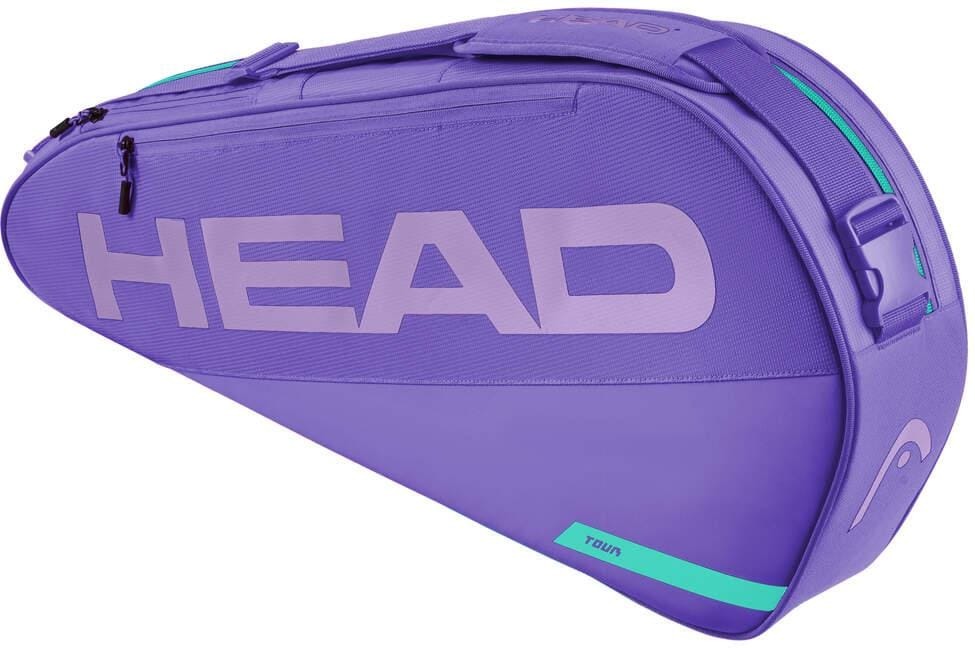
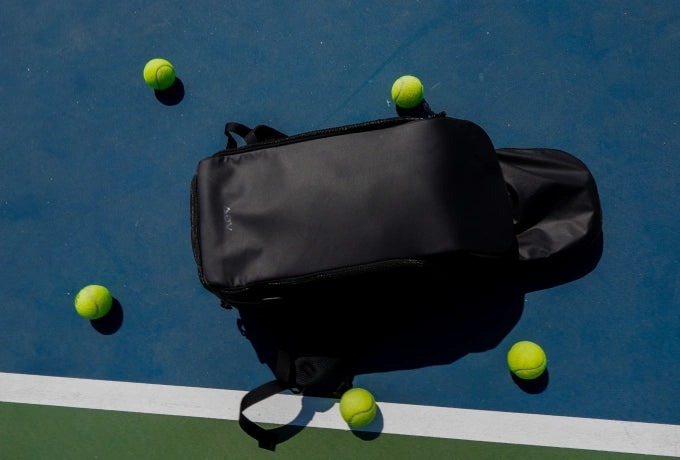
A bag is the one exception. If the trip to the court calls for protecting or easily carrying your gear, arrange that from the start. It doesn't need to be a tennis-specific purchase.
Your Pre-Court Checklist
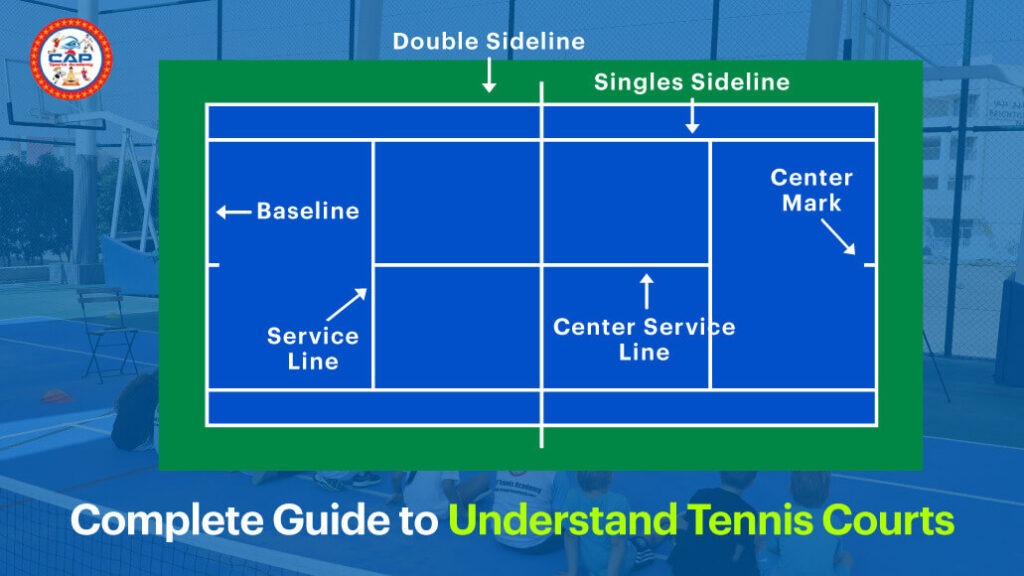
Before you leave, put everything in one place. Each item is either packed or confirmed at the court.
- Racket: Yours is packed, or the lesson's loaner is confirmed.
- Balls: Packed, or provided by the session.
- Shoes: Tennis shoes are ready.
- Clothes and socks: Comfortable for moving.
- Water: Packed.
- Session details: Court location, booking, or lesson information.
- Personal needs: Sun protection, or a way to carry gear, where conditions call for it.