
Pick a racket that fits your hand, suits your swing and stays within your budget. If your current frame is sound and demos show no clear gain, keep it or restring it. Otherwise, test two alternatives and buy after checking fit, condition and total cost.
Do You Need a New Racket or a Better Setup?
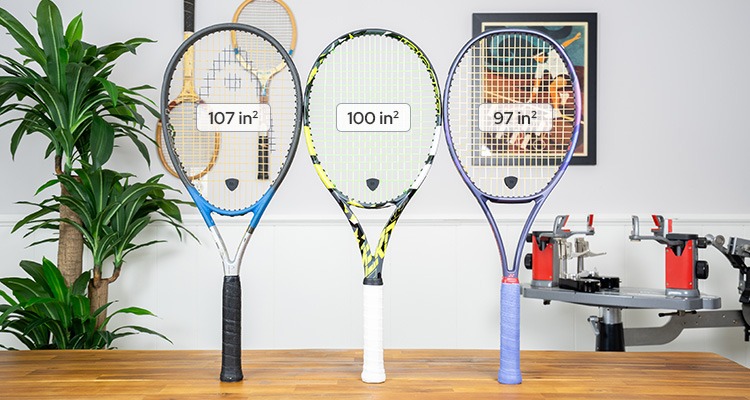
Buy a new racket when you can name the problem it should solve. Maybe the handle feels wrong, the frame is hard to maneuver, or you can't swing comfortably through a normal session. Your current racket is a useful baseline, because you already know how it behaves on serves, rallies and returns. Write down one real problem, then pick a path:
- Keep it: The frame is sound, fits your hand and lets you practice the tennis you are developing. More court time or coaching can matter more than new gear.
- Restring it: The frame suits you, but the strings are broken or worn.
- Borrow or demo: You suspect a different spec would help, but you haven't felt the difference on court.
- Replace it: The frame is damaged, the handle doesn't suit you, or the racket clearly limits your game.
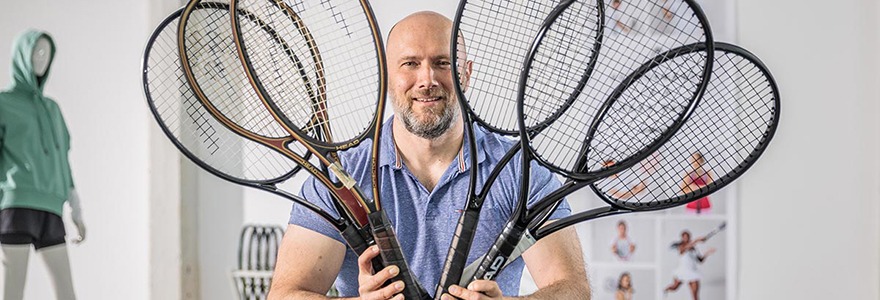
Two beginners who played almost daily asked on r/10s whether to restring their inexpensive starter rackets or buy a better pair that would cost less in the long run. The answer turns on the frames they already own and what a replacement would fix.
If you have significant or lasting arm pain, stop playing through it and see a qualified clinician.
Build a Racket Shortlist Around Your Game
Start with the game you play and the change you want. An adult learning to rally, an improving league player and someone returning after years away often want different handling from the same specs.
New players should look for manageable swings and repeatable contact. Regular recreational players tend to notice stability in faster exchanges. If you're returning to tennis, a familiar response can help while your strength and endurance catch up.
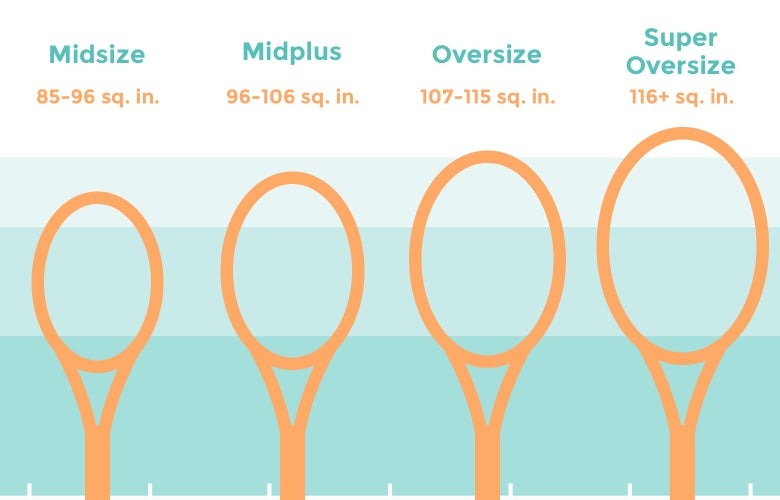
A 2017 TENNIS Magazine article hosted by the USTA gives roughly 100 to 115 square inches of head area and 9.5 to 11 ounces of racket weight as beginner reference ranges. It doesn't say whether that weight is strung or unstrung. Use the ranges to narrow your options, then let fit decide.
A voucher can make an untested racket tempting. One newer player put it this way:
I'm 20M have been playing for about 2 months and so hooked on the game. I've played 4x a week for the past 2 months and cant get enough of tennis. However, last week i was lucky enough to win a $250 voucher for my local tennis shop. So, logically i thought i should get my own racket. I have been playing with my dads it is very light and old (254g).
The player was considering a Tecnifibre T-Fight 305S after using a much lighter borrowed racket.
Limit your shortlist to two rackets. For each one, write down the model version, head size, listed weight (and whether it's strung) and the one thing you want it to fix, such as easier preparation on returns or steadier contact.
The Racket Specs That Change the Decision
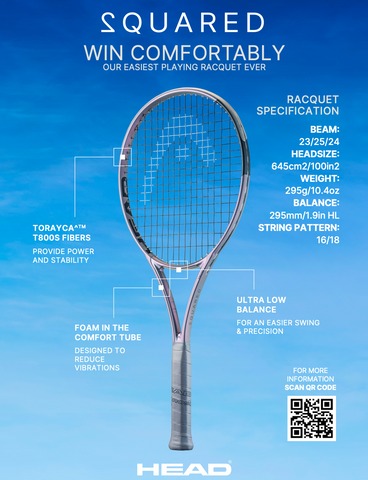
| Specification | What it means | Decision it informs |
|---|---|---|
| Head size | Stringed head area, usually in square inches | How much contact tolerance you want to test |
| Static weight | Racket mass in grams or ounces, strung or unstrung | Whether the mass feels manageable for a full session |
| Balance | Position of the static center of mass | How much weight sits toward the head or the handle |
| Swingweight | Resistance to rotation during the swing | How hard the frame is to start and redirect |
| Stiffness and beam | Properties of the racket's construction | Response differences between frames |
| Grip size | Handle circumference, including any overgrip | Reject a handle that feels insecure or uncomfortable |
| Installed strings | Material, known tension, condition, stringing age and string pattern | Differences to account for when you compare two frames |
| Price and maintenance | Purchase price, stringing and service costs | Whether keeping or servicing a frame beats replacing it |
If you're often late on returns, look hardest at handling and swingweight. If you often hit away from the center of the strings, look at head size and how the whole frame and strings respond.
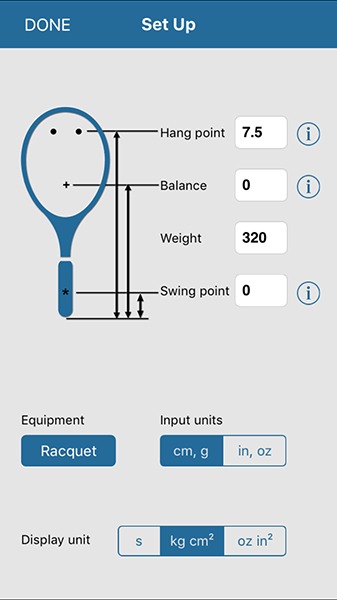
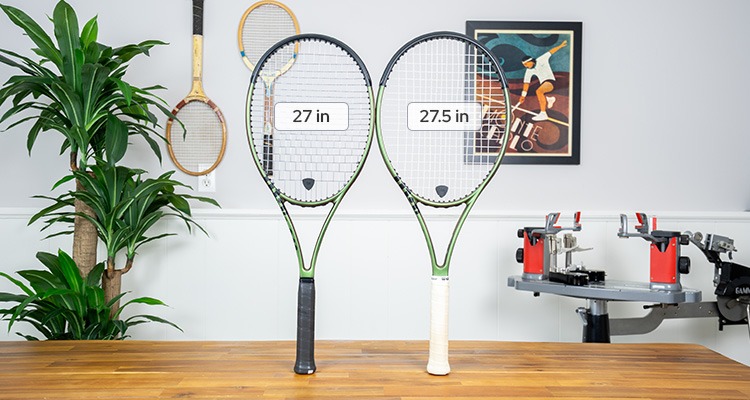
Static weight tells you how much mass there is. Balance tells you where it sits. A head-light racket has its center of mass closer to the handle than a head-heavy one described under the same convention. Swingweight measures rotational inertia, so two rackets with similar static weights can feel very different when you swing fast.
The Tennis Warehouse University explanation of racket specifications separates these properties and shows how weight distribution and impact conditions change the response.
Maneuverability and stability pull against each other. A racket that's easy to accelerate can feel less solid at contact, while a more demanding frame gets harder to handle late in a session. Take two rackets with the same listed mass but different balance and swingweight: one may prepare faster on returns, the other may feel steadier at contact.
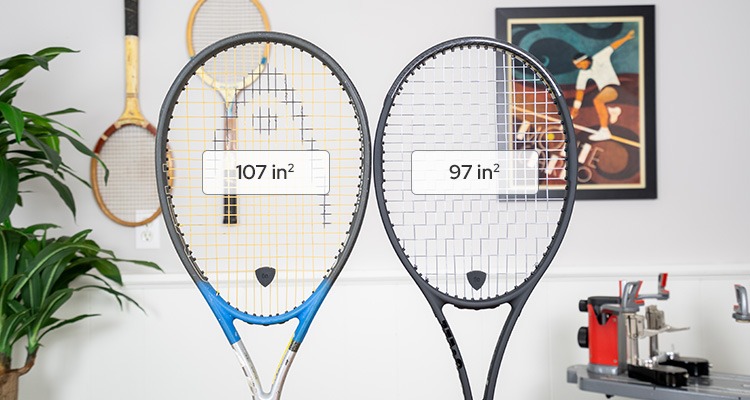
A published head size doesn't tell you how off-center hits feel. Construction, strings and your stroke shape that too.
Check Grip Size Before You Commit
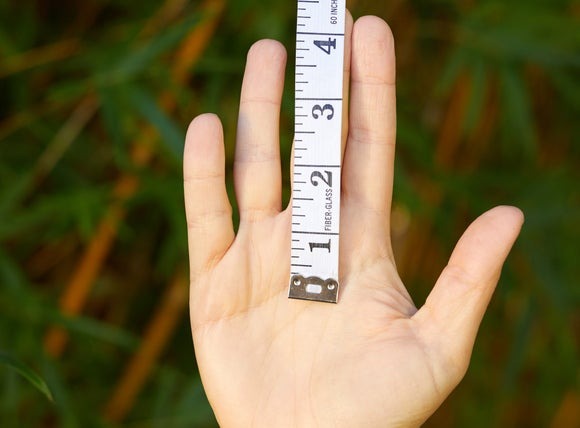
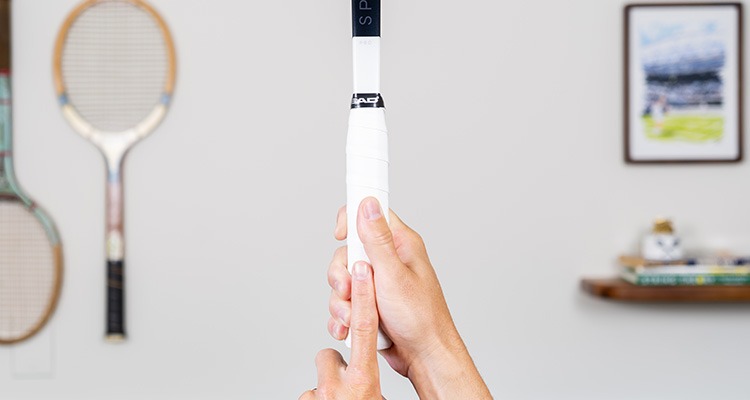
Grip size is the handle's circumference. A forehand grip is how you place your hand for a stroke. To check fit, hold the racket with an eastern forehand grip and see whether the index finger of your other hand fits comfortably between the ring finger of your racket hand and its palm. The Tennis Warehouse grip-fitting guide describes this method. Try adjacent sizes and move the racket as you would in play. Pick the handle that stays secure without squeezing. An overgrip changes circumference slightly, but if the basic fit feels awkward, reject the frame.
Separate the Frame From the Strings Already in It
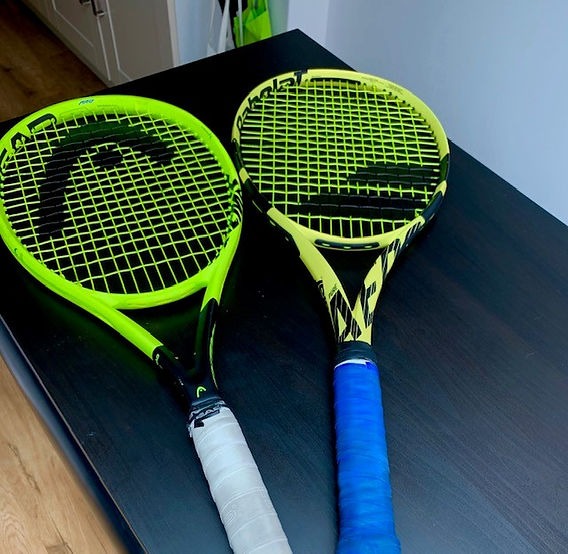
String material, tension, age and condition all shape what you feel, along with the frame's construction. A factory-prestrung starter racket and a freshly serviced demo can respond differently even when the frames look comparable. An older used racket with an unknown stringing history poses the same problem. Treat the strings as part of the comparison, and ask the demo provider or a qualified stringer for the material, tension and stringing history if they know it.
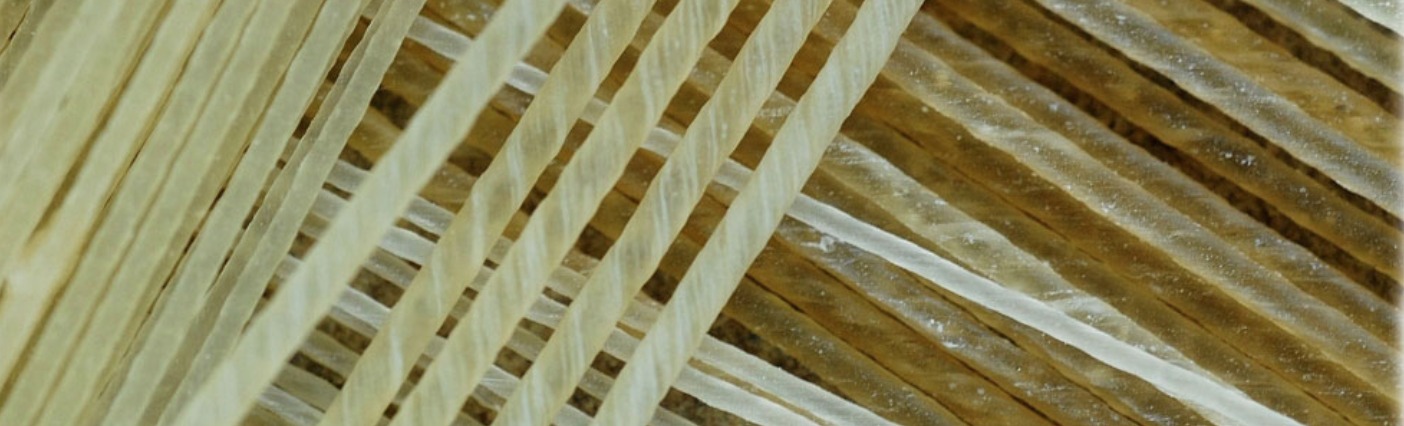
One Reddit buyer strung a used Blade at 54 pounds and, struggling to hit the depth they wanted, thought about dropping to 51.
Synthetic gut, multifilament and polyester are different string categories, and the right one depends on your game and your current setup.
Demo a Racket So the Results Mean Something
A good demo shows whether a racket lets you play your normal game without extra effort. Compare it with your current racket, and hit more than a few relaxed forehands. Tennis Warehouse offers a demo program.
A self-deprecating Reddit post, tagged as humor, shows what happens when a bargain and a performance-racket label make the choice:
Hey I liked tennis enough to spend the "big bucks" right? Welp I scoured local listings and found a Wilson 98 Blade 18x20 from 8 years ago for like 40 bucks. It looked like a fine deal. I'd finally get my hands on a pro stick. Did it matter that I liked it? no. In my mind, it was a pro stick that was cheap and not from the previous century. Enough reason to buy.
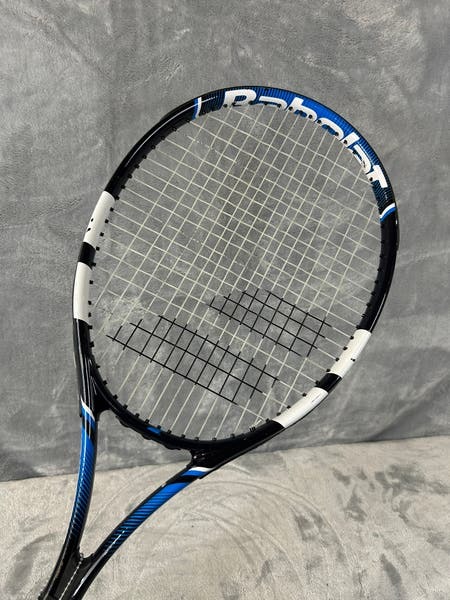
The buyer later described trouble producing depth and a very different experience with another racket. The lesson: try a frame against a familiar one before you commit.
Start each comparison with the exact model version, condition and grip size. When you can, use the same court surface, balls and partner at similar points in a session. Test these parts of your game:
- Groundstroke rallies: Can you find repeatable depth and comfortable contact with your usual swing?
- Serves: Does the frame move through preparation and contact without unusual effort?
- Returns: Can you prepare on time and direct the racket against an incoming ball?
- Defensive recovery: What happens when you reach, adjust or make contact late?
- Volleys: How does the racket handle shorter swings near the net?
- Extended play: Do the handling and effort still suit you as you tire?
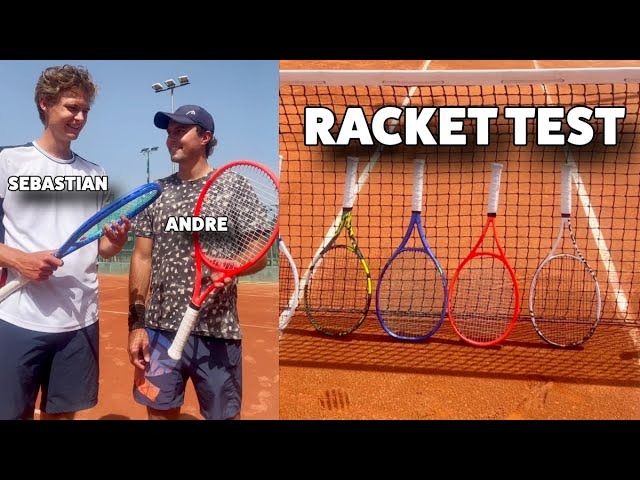
Use one worksheet for your current racket and the two finalists. Fill in the blanks as you test, and write "unknown" where you can't find a spec.
| What to compare | Current racket | Candidate A | Candidate B |
|---|---|---|---|
| Exact model and generation | _____ | _____ | _____ |
| Head size (sq in) | _____ | _____ | _____ |
| Weight (g/oz; strung status) | _____ | _____ | _____ |
| Balance; swingweight if known | _____ | _____ | _____ |
| Grip size and fit | _____ | _____ | _____ |
| String type, tension, age | _____ | _____ | _____ |
| Rally contact and depth | _____ | _____ | _____ |
| Serve and return handling | _____ | _____ | _____ |
| Volleys and defensive shots | _____ | _____ | _____ |
| Effort, fatigue, comfort | _____ | _____ | _____ |
| Important setup differences | _____ | _____ | _____ |
| Full cost / return notes | _____ | _____ | _____ |
| Keep, retest or reject | _____ | _____ | _____ |
A promising racket should fix the problem that started your search and still feel manageable on your other strokes. One that feels great on relaxed forehands but awkward on returns needs more testing before you buy.
Mismatched strings, fatigue, weather and court conditions can skew a session. If the comparison is close, or conditions differed a lot, test again instead of naming a winner.
Count the Full Cost, Including Strings and Used-Frame Risks
A racket's cost includes getting it playable and keeping it that way. A low price means little until you add stringing, grip changes, service access and the frame's condition.
| Option or expense | Cost or condition to include | Decision it affects |
|---|---|---|
| New racket | Price, included strings, intended setup | What is ready to use and what needs service |
| Used racket | Asking price, frame condition, model version, string history | Damage risk and likely servicing cost |
| Current racket | Stringing, grip work and whether it's still usable | Whether maintenance is worth paying for |
| Trying or returning | Demo fees and transaction costs | Your total loss if a choice fails |
| Ongoing service | String material, labor, qualified local service | Future cost and convenience |
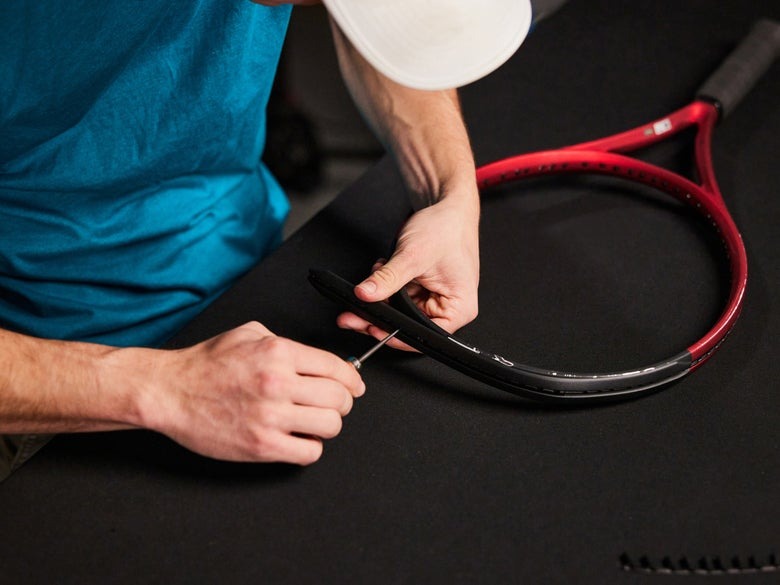
On a used racket, check the throat and head for visible cracks, and look at the bumper and grommet wear, the grip and the exact model version. Walk away from any visible crack. A clean frame can still hide damage you can't see.
A new player described an early maintenance problem:
Hi everyone. I am brand new to tennis, wife and I have been watching for 3 years straight and finally decided to try it ourselves. So I bought us each an inexpensive racket from Amazon to just see if we like it (we do). After a little over a week I've already broken a string. I am not swinging like Jannik or anything. Literally just focusing on trying to hit the ball in the sweet spot and getting it back in play.
The same contributor reported paying around $50 for each prestrung starter racket and practicing for 30 to 60 minutes on most days.
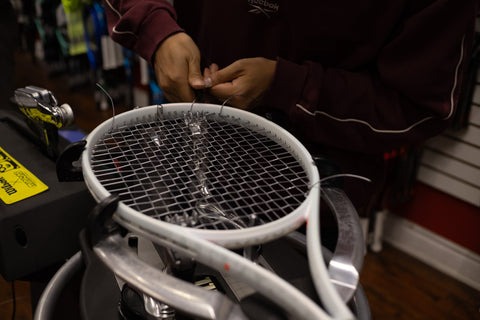
A string that breaks early turns a cheap purchase into a maintenance decision. If the racket fits, is usable and stringing costs little, repair it. If service costs too much compared with a suitable replacement, replace it. Get real local quotes covering strings, labor, grip work and fees, and compare them with the price of a replacement.
What to Do if You Cannot Demo Locally
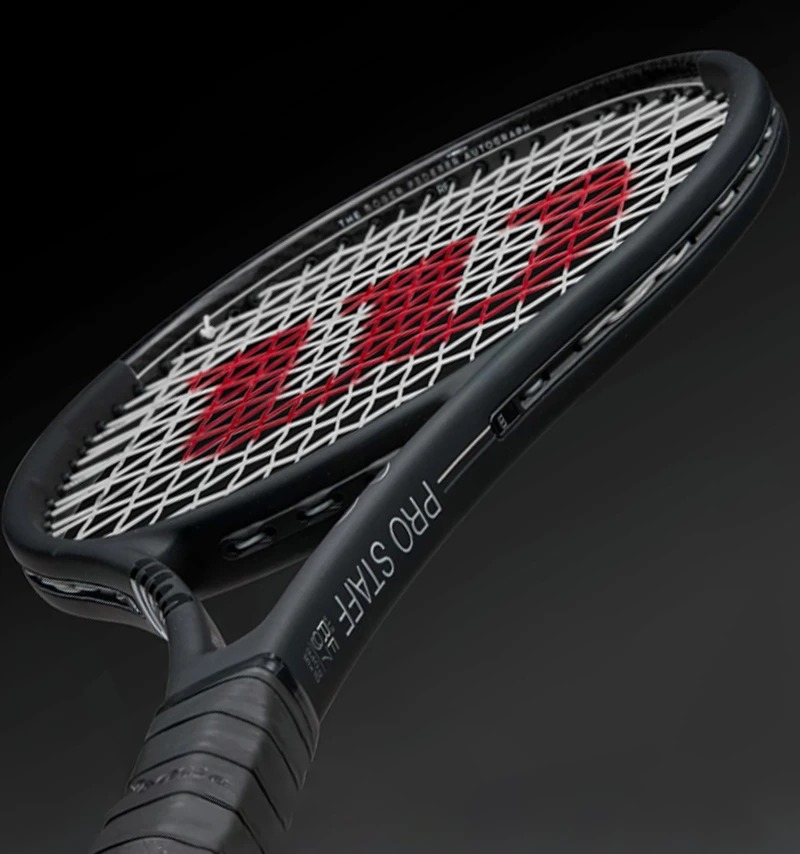
Without a demo, settle what you can before you spend. Exact model information, the weight convention, grip size, string setup and condition matter more.
An online racket finder can narrow models by published specs, but it can't tell you how the handle feels or how the racket plays over several sessions. That gap matters most for an expensive racket or one that is hard to return.
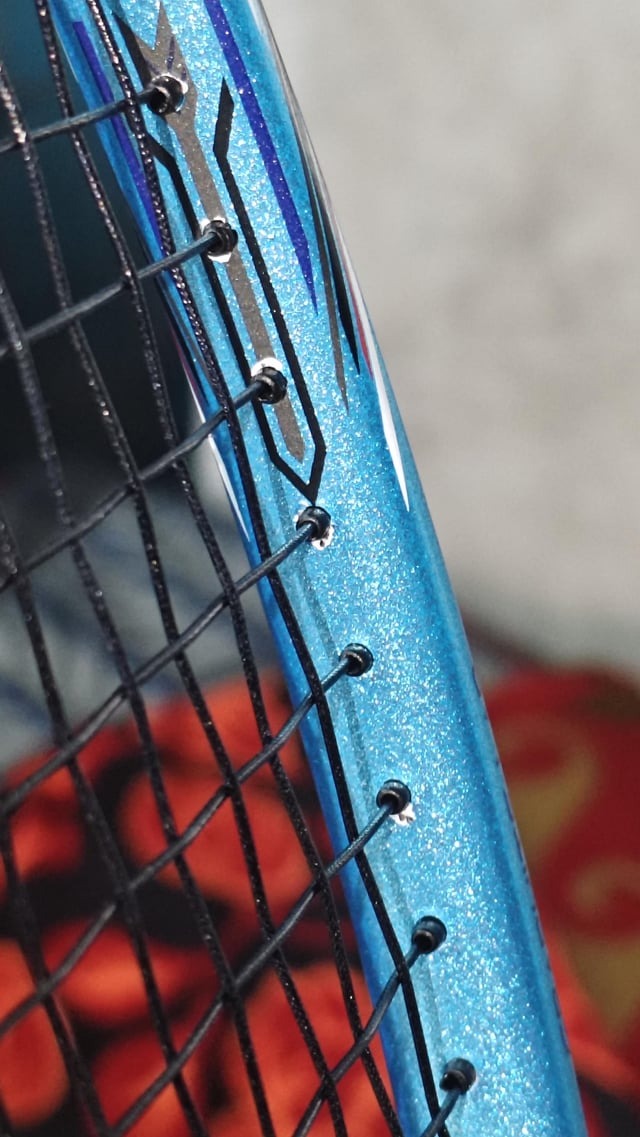
Your risk differs by route. Buying new with usable returns, buying used with no returns and keeping your current racket each put different amounts of money at risk. Borrowing a frame or getting a local handle-fit check cuts the uncertainty. Read the seller's return and exchange rules for the specific racket, including restrictions on stringing, used condition and damage, and check whether a loaner or trial exists near you. Retailer programs and terms vary.
Wait on any racket you can't test or return, especially when its specs or condition are uncertain.