
Replace the base grip when it's damaged or missing. Add an overgrip to a sound base when you want a fresher, tackier or more absorbent surface. If the base already feels secure and comfortable, you can skip the overgrip. Before you change anything, check which layer you have and whether another wrap would make the handle too thick.
What Is the Difference Between a Replacement Grip and an Overgrip?
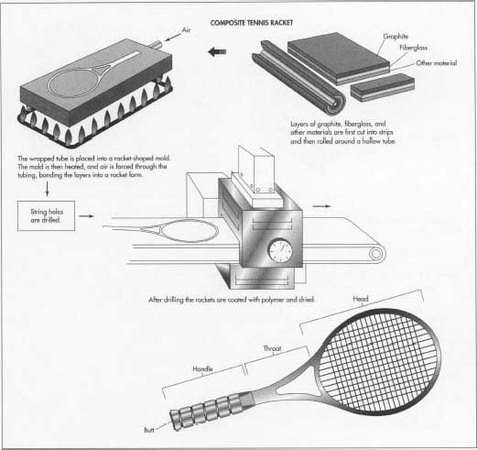
A replacement grip, also called the base grip, is the main covering wrapped directly around a tennis racket's handle. An overgrip is the thinner layer that goes on top of it, and you can renew it. Both change what you feel in your hand, but they do different jobs.
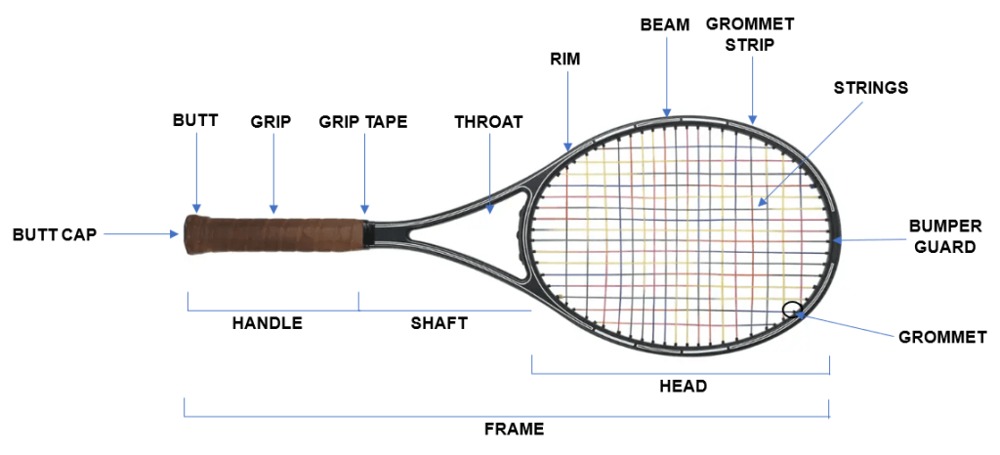
From the inside out, the order is solid racket handle or pallet, base grip, optional overgrip, then your hand. The handle has angled edges called bevels. The base grip covers those bevels and supplies the cushion or firmness underneath. The overgrip is the surface your hand touches, and you refresh it when it gets slick, dirty or worn.
| Layer | Position and purpose |
|---|---|
| Handle or pallet | Solid structure with bevels underneath the wrapping |
| Replacement grip (base grip) | Main covering directly on the handle, often synthetic or leather |
| Overgrip | Optional top wrap that gives a fresh, tacky or absorbent surface |
On a secondhand racket, look at the wrapping edges near the top of the handle and the butt cap. A separate finishing band or the edge of a top wrap points to a second layer. If you can only see one wrap, leave it in place until you know which product is fitted.
Packaging settles it too. A product labeled replacement grip is meant as the main handle covering, and an overgrip goes over it. Some overgrips come with a small adhesive starting section and finishing tape, so a sticky end alone doesn't tell you what you have.
Some players put an overgrip straight on the bare handle for a firmer, less cushioned feel. A base grip with an optional overgrip on top is still the standard beginner setup. The USTA grip and overgrip explanation describes the two normal layers.
Don't confuse any of this with a Continental or Eastern grip, which is a hand position for a stroke.
Should You Replace the Base Grip, Add an Overgrip, or Do Nothing?
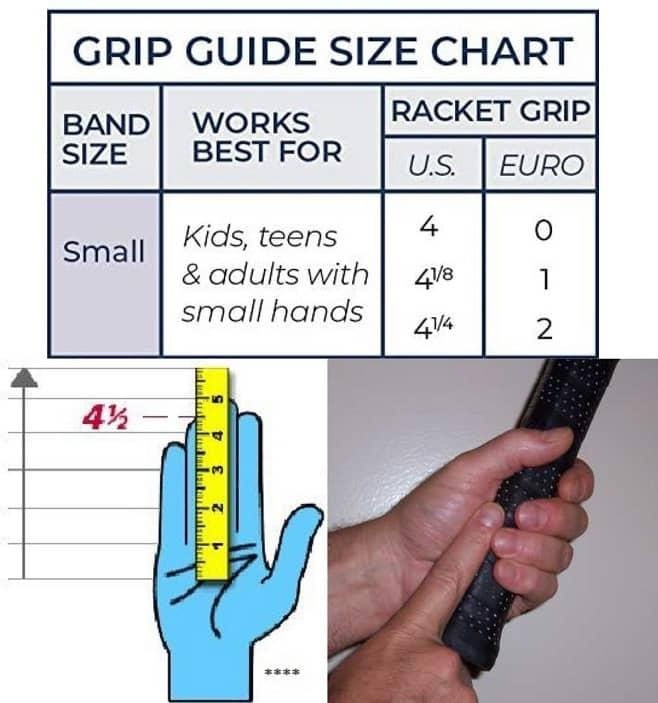
Start with the base. If it's falling apart, replace it. If it's sound and only the top feels slick or grimy, change the overgrip.
| What you notice | Likely issue | Choose |
|---|---|---|
| The base grip flakes, peels, moves or is missing | The main covering is deteriorated or absent | Replace or securely restore the base |
| An identifiable overgrip is dirty, frayed or slick | Worn top surface | Change the overgrip |
| The base is sound, but you want a different surface feel | Texture or moisture preference | Try an overgrip |
| The factory grip feels secure and comfortable | No equipment problem | Leave it alone |
| The assembled handle already feels too thick | Handle size | Reconsider adding another layer |
When a Worn Base Grip Needs Replacing
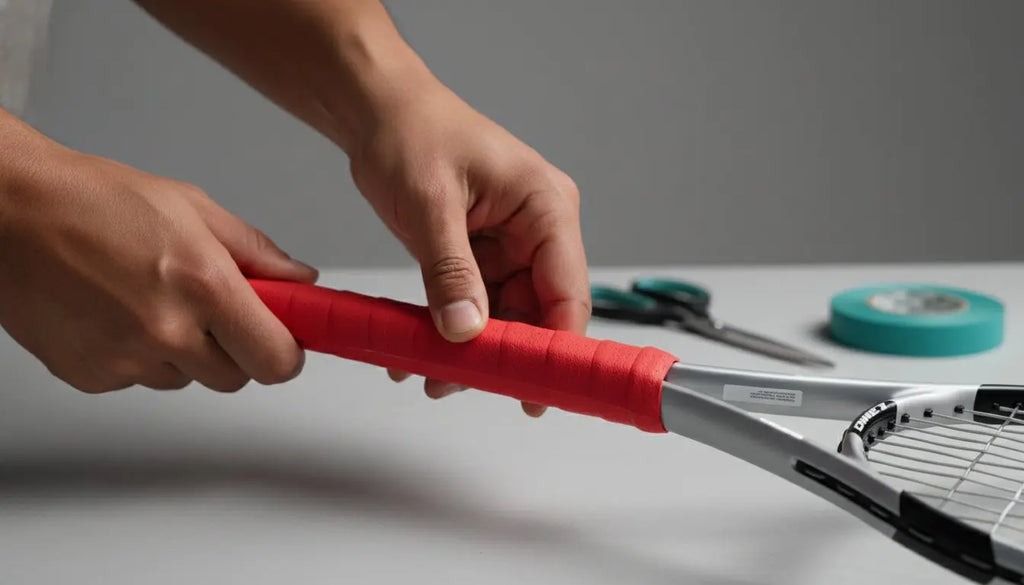
Replace the base grip when it sheds material, lifts away from the handle or moves under your hand. A new overgrip takes the shape and stability of whatever sits beneath it, so a wrap over a failing base lies over the same unstable material.
This is especially awkward with a used racket. You may not know whether the previous owner fitted an overgrip or left the original grip exposed. One player described exactly that confusion:
Sorry if this is obvious, I’m having a hard time understanding what exactly a base grip is vs over grip and what this is given this is a secondhand racket. Also unsure about the level of decay on this grip, it doesn’t look great and comes off a tiny bit in my hand, but it’s not completely destroyed. Is this a base grip worth salvaging or should I strip it and if so ok to put the over grip directly on the handle?
Material coming off in your hand is reason enough to inspect the covering. Check the overgrip first, if there is one, then the base underneath.
- Flaking or shedding: The base leaves fragments or residue on your fingers.
- Loose edges: Part of the base lifts or doesn't lie flat against the handle.
- Movement: The base shifts or twists when you hold the racket.
- Missing or deteriorated areas: Sections expose the handle or have lost the firmness or cushioning you need.
A discolored overgrip can sit over a perfectly sound base, so judge the base by its own condition. If it has deteriorated, restore it.
Is an Overgrip Necessary if the Factory Grip Feels Good?
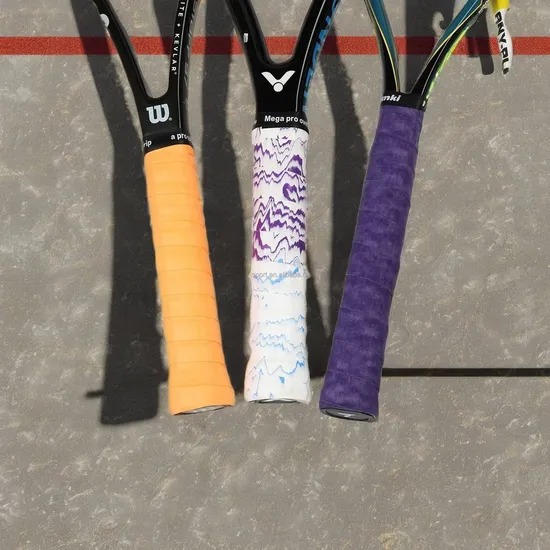
An intact factory grip works fine on its own when it feels secure and comfortable. An overgrip gives you a replaceable surface and more texture choices, but it adds some bulk and can soften the feel of the bevels. A base-only setup still wears with play, like any exposed surface.
Will an Overgrip Make Your Racket Handle Too Thick?
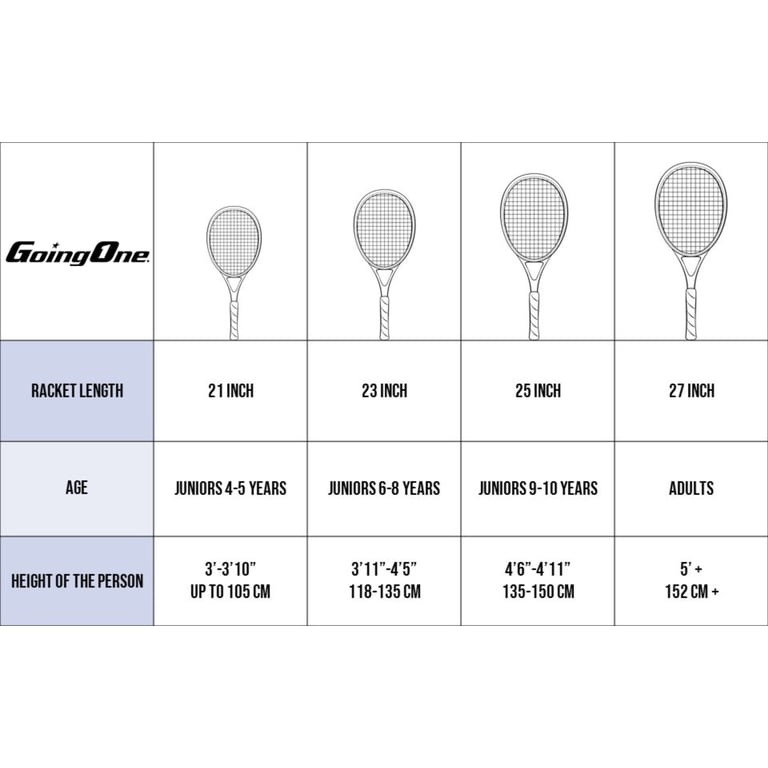
An overgrip adds to the circumference of the handle. If the factory grip already feels big, another layer can make it uncomfortable.
The size printed on the racket is a nominal grip size. Your hand touches the finished handle: the base grip, any overgrip, and the way those materials overlap and compress.
Tennis Warehouse puts the added circumference of one overgrip at about 1/16 inch.
Yonex lists its Super Grap AC102 as a polyurethane overgrip 0.6 mm thick, 25 mm wide and 1,200 mm long. The thickness of the wrap and the fit of the finished handle are two separate things.
A thicker or more cushioned covering softens the feel of the bevels. A thin one leaves their edges more distinct, which feels firmer. The right balance is personal.
If you measure the handle, use the same spot and the same method before and after adding a wrap. If the extra thickness is uncomfortable, stay with the base-only setup.
Tacky or Absorbent: Which Overgrip Surface Fits Your Playing Conditions?
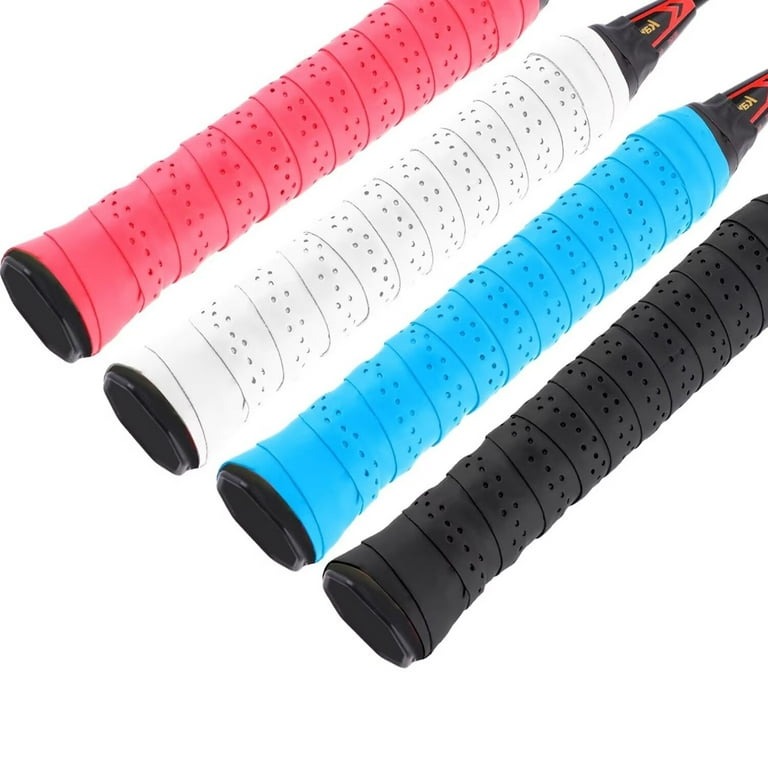
Pick the overgrip surface that stays comfortable and secure where you play. Some players like the sticky feel of a tacky wrap. Others prefer a drier, more absorbent surface when their hands sweat.
| Surface | Why someone might choose it |
|---|---|
| Tacky overgrip | A sticky feel when you grip the racket |
| Dry or absorbent overgrip | A less sticky feel and moisture handling |
Humidity makes a racket slip, and some tacky surfaces feel different once wet, so a preference formed with dry hands can change during a long session. On clay, dust builds up on the wrap and alters its feel.
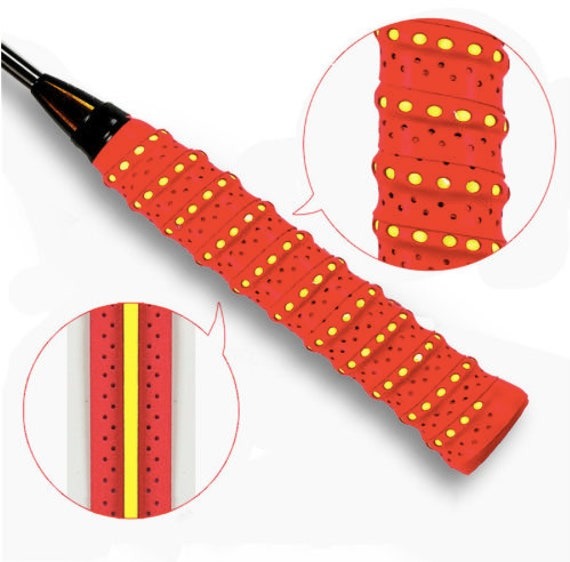
The base grip material affects feel too. A cushioned synthetic base feels softer, while leather feels firmer against the handle's edges. That's a choice about the base, separate from the top surface.
How Often Should You Replace an Overgrip or Replacement Grip?

You'll change the overgrip far more often than the base grip, because it's the layer your hand touches. The timing depends on wear, how much you play, how much you sweat and the conditions.
A contributor to a USTA equipment mailbag gives examples: someone playing about one hour a week might change an overgrip once a month, while a frequent player might change it weekly or every other week.
Change the overgrip when it loses traction, stays dirty, frays or starts moving. Change the base grip when it loses its cushioning or firmness, breaks down, lifts or becomes insecure. If the wear is only on one layer, leave the other alone.
How to Change Each Layer, and What to Do If You Pulled Off the Factory Grip
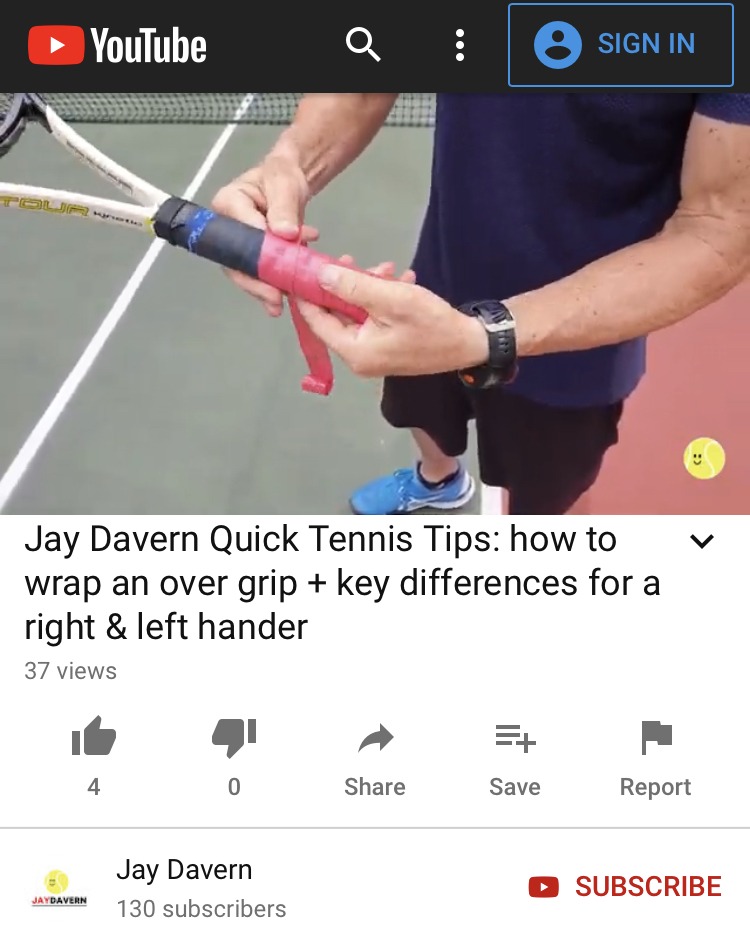
Changing an overgrip leaves the base grip on the racket. Replacing a base grip means removing the main covering from the handle.
Changing an overgrip
- Remove the old overgrip's finishing tape and unwrap it, leaving the sound base grip in place.
- Prepare the new overgrip. Remove the protective film if there is one, and find the tapered end and any starter adhesive that comes with it.
- Start near the butt cap, keep the tension even and use the overlap the grip calls for. Secure the top end with finishing tape.
The Tennis Warehouse overgrip tutorial shows how the start and finish work, including variations in starter adhesive.
Replacing the underlying grip
- Remove the old base grip. If a staple holds its starting end, pull it out carefully.
- Clean old adhesive residue off the handle. Prepare the new grip following its backing and attachment instructions.
- Wrap from the butt cap with even overlap and secure the finish. A new staple is optional with some installations.
The separate Tennis Warehouse replacement-grip tutorial demonstrates those steps.
Both Tennis Warehouse demonstrations use about 1/16 inch of overlap between successive turns of material.
What if you already removed the white factory grip?

It's an easy mistake when the terms are unfamiliar. One player described removing the factory layer while preparing to change the overgrip:
I was planning to change overgrip and i dont know why my mind thought i have to remove the white default base grip but i did and I didnt know if it's meant to stay or not, and now I feel like i made a mistake, what do i do?
You can restore the base. If the removed factory grip is intact, reattach it with suitable attachment materials, as long as it holds securely. If it's torn, deteriorated or won't hold firmly, fit a new replacement grip. A tennis shop can handle the reattachment if the removed material or the original staple arrangement is hard to work with.
The Final Check: Does Your Grip Stay Secure and Feel Right?
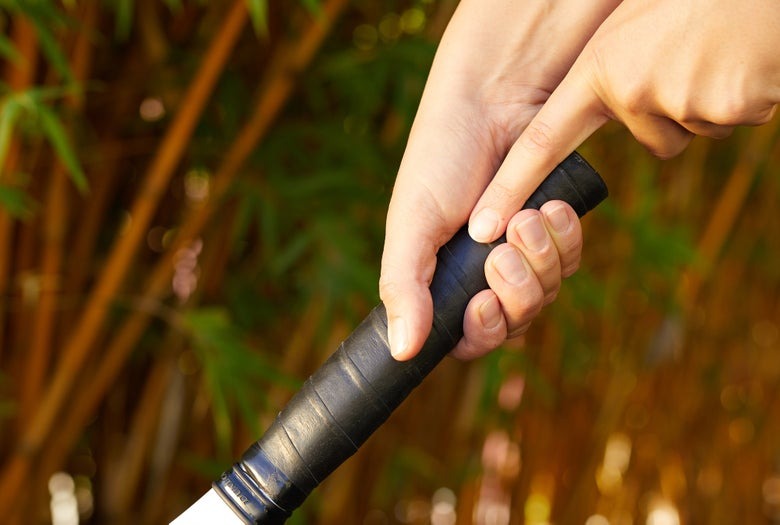
Hit a few easy strokes before you play for real. The finishing tape and wrap edges should stay in place, the base grip and overgrip shouldn't roll or shift, and there should be no gaps, loose tails or flakes from a failing layer. The handle should feel comfortable, and the surface should stay secure in the conditions where you normally play.
If a fresh overgrip still moves or slips, check your wrapping tension, the condition of the base and the surface material.