
Wear well-fitting tennis shoes for rallies, stops, and side-to-side movement. If your first session is only standing instruction, the shoe matters less and the venue's footwear rules decide. Check your exact model, the fit, and the sole before you play.
Tennis Shoes vs. Running Shoes: What Changes on Court?
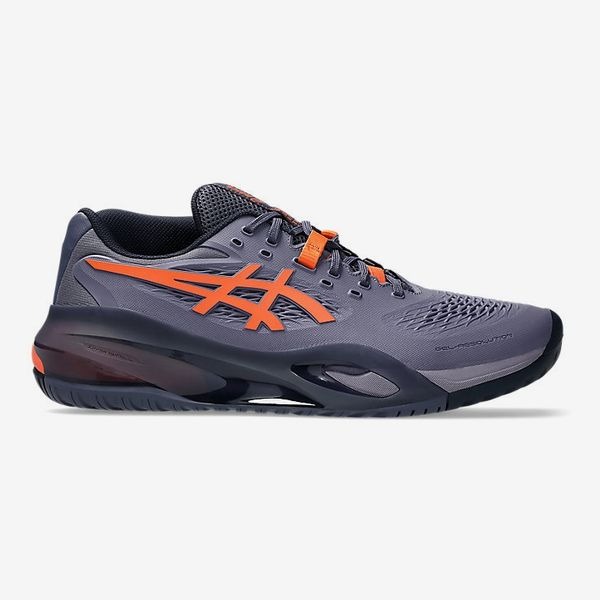
Tennis asks your feet to shuffle sideways, stop, pivot, and accelerate again. Running shoes are built mainly for the forward stride. A pair that feels comfortable on the walk from the parking lot faces very different demands when you reach wide for a forehand.
The differences sit in the upper, the way the shoe holds your heel and midfoot, the platform, and the outsole that meets the court. Both categories include many designs: cushioned tennis shoes, and running shoes with varying softness and structure. The Tennis Warehouse shoe-selection guide covers fit, surfaces, and playing style in more detail.
| Feature | Tennis-specific court shoe | Running shoe | What it means on court |
|---|---|---|---|
| Movement | Built around shuffles, pivots, stops, and short bursts | Built for repeated forward travel | Sideways recovery asks more of the shoe |
| Foot containment | Upper, sidewalls, and heel structure support direction changes | Some models emphasize forward flexibility | Foot movement toward the shoe's edge matters in lateral play |
| Cushioning and platform | Cushioning combined with court-oriented support | Soft, elevated, or rockered platforms, depending on model | Cushioning levels overlap between the two categories |
| Traction | Outsole designed around tennis surfaces and pivoting | Tread for road, track, trail, or another running surface | Grip and pivot behavior must suit the court |
| Wear areas | Reinforced at the toe and medial forefoot contact zones | Built for running abrasion patterns | Court use wears different parts of the sole |
Can You Play Tennis in Running Shoes Just Once?

If the session includes rallies, hard stops, or chasing balls, wear court shoes, even for a single hit. Strictly standing instruction involves far less movement, and there the venue's rules decide.
A beginner lesson can start with a coach explaining a grip and end with you running after a wide ball. A casual hit turns into a chase the same way. So start with what you expect to do on court, then choose the shoe.
Five quick checks before you step on court
| Check | What to look at | Result |
|---|---|---|
| 1. Planned movement | Standing instruction, controlled stationary hitting, or rallies with stops and side steps | Rallies and retrieval count as active court movement. Strictly standing instruction is a different activity. |
| 2. Your shoe's category | Court tennis, running, general training, or unknown, as the manufacturer designates it | A tennis designation fits active play. Running, training, or unknown shoes need a different call. |
| 3. Fit and wear | Heel and midfoot hold, pressure, slippage, and outsole condition | Poor fit or badly worn rubber rules that pair out for active drills, even if it is marketed for tennis. |
| 4. Surface and venue | Court type, compatible outsole, and the facility's footwear rules | A surface mismatch or an unmet venue rule affects suitability. Unknown rules leave it open. |
| 5. This session | The four findings together | Rallies: use a suitable tennis-specific pair if you have one. Running shoes or general trainers: tennis-specific footwear is recommended for lateral play, or you can ask for a low-movement introduction. Unknown category: suitability stays unresolved until you identify the model. Standing-only instruction: venue rules decide, and that clears you for nothing more. |
Say you turn up in road-running shoes for what a friend calls an easy hit. If balls will be chased into the corners, that is active tennis movement, however experienced you both are. If a coach has planned only a standing demonstration, the demands drop.
How to Tell Whether Your Shoes Are Made for Tennis
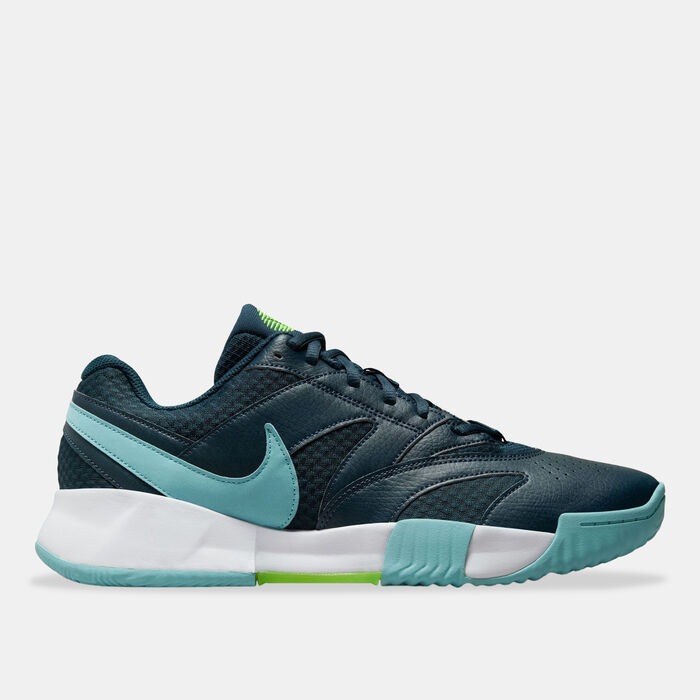
In everyday American speech, “tennis shoes” can mean any sneaker. On a court, the term that matters is a shoe designed for the sport. A familiar athletic brand sells court shoes, road runners, training models, and casual footwear with similar styling.
Find the exact model and version on the shoe or its box, then look up the manufacturer's intended sport. Sort it into tennis-specific, running, cross-training, or unknown. An “all-court” tennis designation tells you which sport the shoe is made for.
One player described switching shoes after receiving recommendations from both a store employee and a tennis professional:
I have On Cloud X’s because the guy at the store said they were good shoes for tennis. One of the head tennis pros said they were good shoes for tennis. I’ve rolled my ankle now three times in as many weeks. Is it the shoes? Or is it that my ankle is unstable? It’s never bad enough to cause a sprain. I switched from my ASICS Gel Challenger 15s and I’m thinking that wasn’t the best decision. Thoughts?
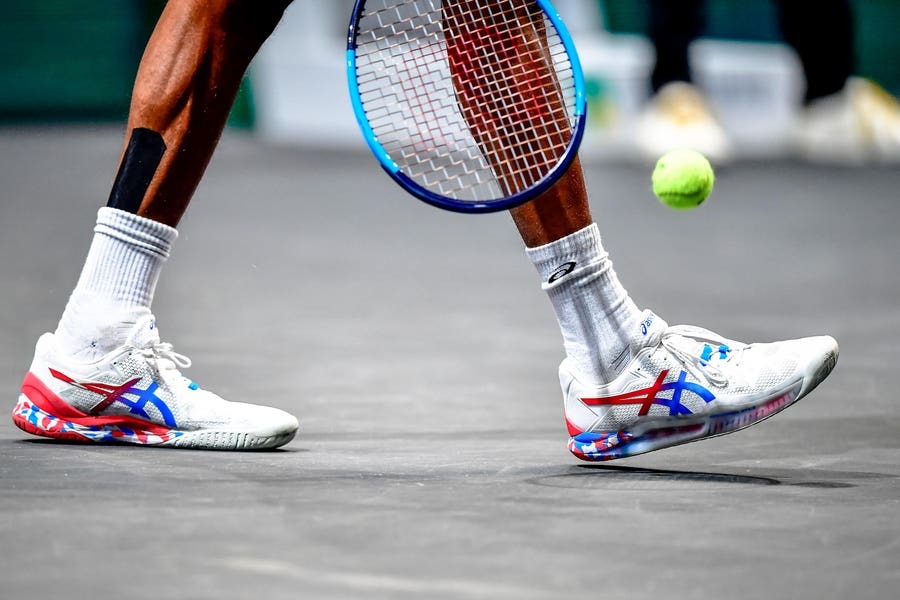
The post names On Cloud X and ASICS Gel Challenger 15s but gives no On Cloud X revision, and the cause of the ankle rolls is unclear.
How Fit, Side Support, and Cushioning Work Together
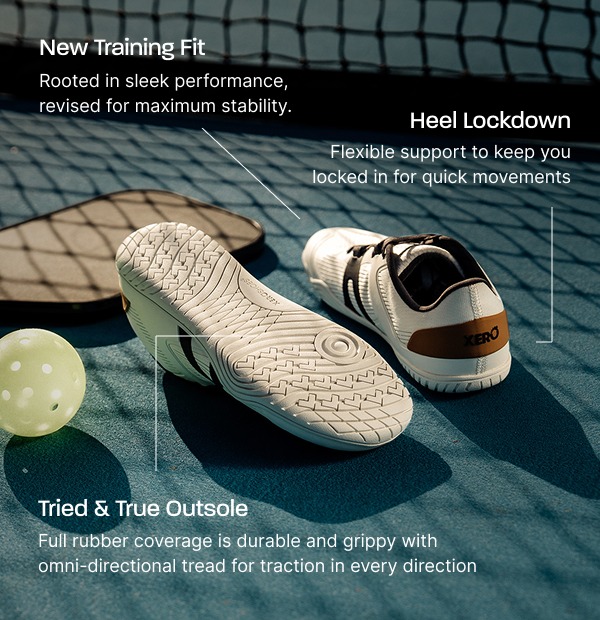
A purpose-built court shoe still has to fit your foot. Heel slippage, a loose midfoot, cramped toes, or pressure across the forefoot can rule out a model even when it is made for tennis.
A cushioned tennis shoe can also give lateral support. The USTA hard-court shoe guidance covers cushioning and stability together, including how securely the foot sits in the shoe.
Wear your usual tennis socks, walk in both shoes, and take a few gentle side steps. Check three things:
- Heel: It should stay in place without lifting or sliding.
- Midfoot: The upper should hold your foot comfortably, with no sense of it shifting toward the edge.
- Toes and width: You need comfortable room, without painful pressure or numbness.
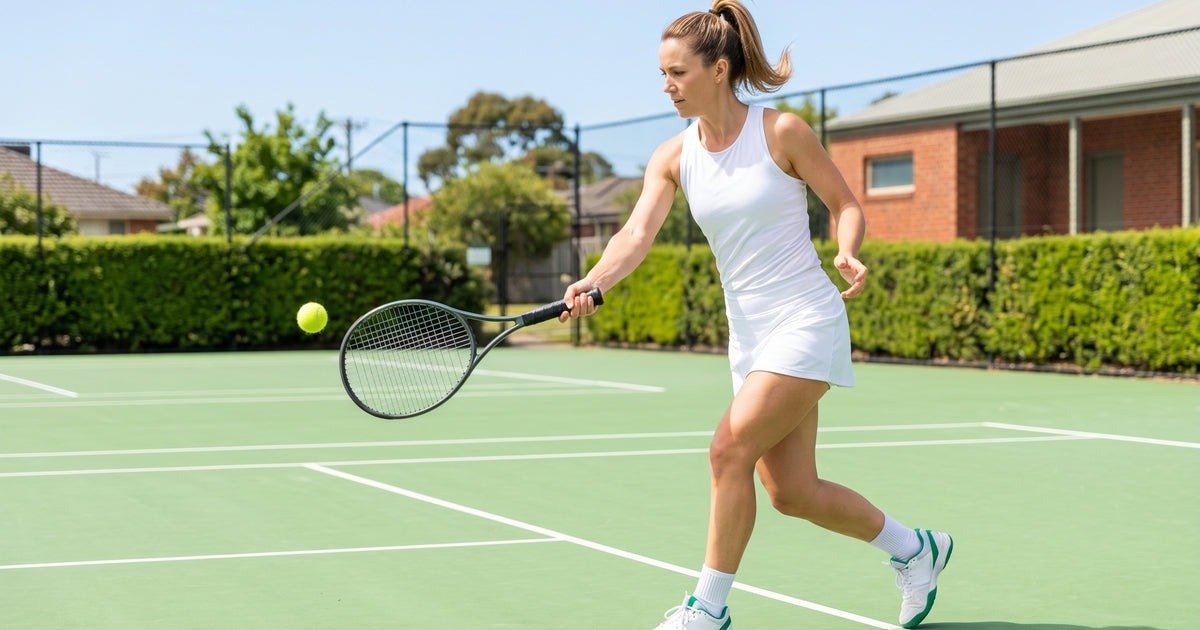
Skip abrupt cuts and jumps as a home test, especially if the shoe already feels unstable. If normal movement causes pain or marked slipping, reconsider the fit before using that pair for drills.
Does the Court Surface Change Which Shoe You Need?
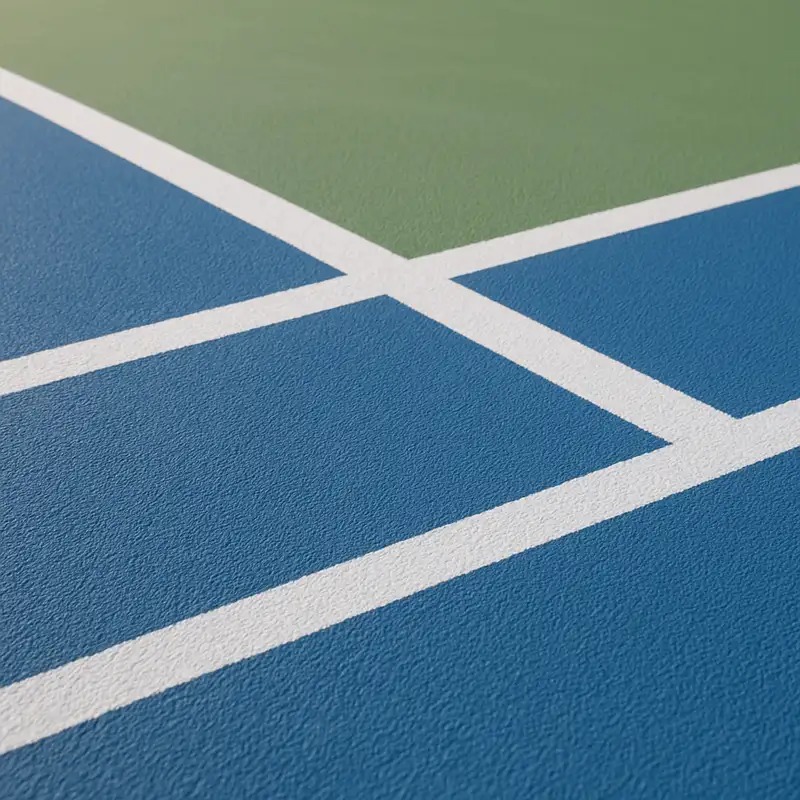
Hard courts abrade the outsole around the forefoot and toe, while clay and grass bring different traction and pivoting demands. A “non-marking” label only covers marks on the surface. Lateral containment and court traction are separate design properties.
Why Tennis Shoes Can Wear Out Faster Than You Expect
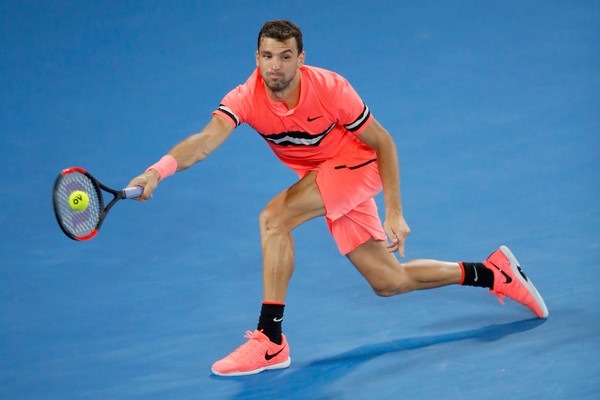
Court shoes often carry extra rubber near the toe and medial forefoot because tennis concentrates abrasion there. The upper can look almost new while the forefoot rubber has worn through.
A beginner described buying tennis shoes for modest amounts of coached hard-court play and then noticing rapid wear:
I am a complete beginner to tennis, started playing in October with running shoes, and bought my first tennis shoes in December 2025. I thought I would "invest" in something better, for a long time, as I only play once or twice a week (1-hour sessions) with a coach on a hardcourt. So went with Asics Gel Resolution 9, thought these would last at least a year or more with the amount of time I spent on the court (not much really, 4-6 hours a month). This is how these look after 3 months of playing. Is this normal usage? The upper of the shoe still looks like a new shoe, while the outsole is ripped, especially the front (the heel looks decent). Which beginner shoes would you recommend next that have a more durable sole?
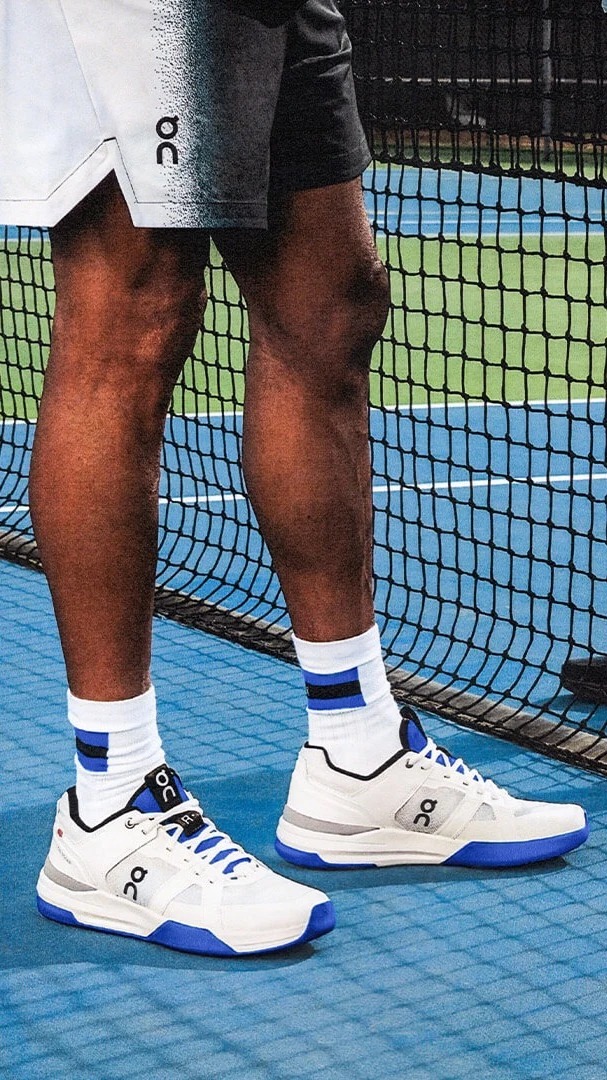
| Area | What to look for | Why it matters |
|---|---|---|
| Medial and outer forefoot | Thinned rubber, worn-through patches, or uneven abrasion | Court contact concentrates wear at the front and sides |
| Toe-drag area | Scuffed protection or exposed material at the front | Dragging a toe wears one spot |
| Main outsole contact zones | Smooth or damaged areas and changes in traction | The remaining sole determines how well you grip the court |
| Upper and heel | Tears, loss of structure, or a change in hold | These change how the shoe holds your foot |
Worn-through rubber or a noticeable change in grip means it is time to reassess the pair. Three months of wear for one beginner sets no standard lifespan and no automatic replacement, so check the return and warranty terms for your exact model and seller.
Do Tennis Shoes Prevent Ankle Sprains? What the Research Shows
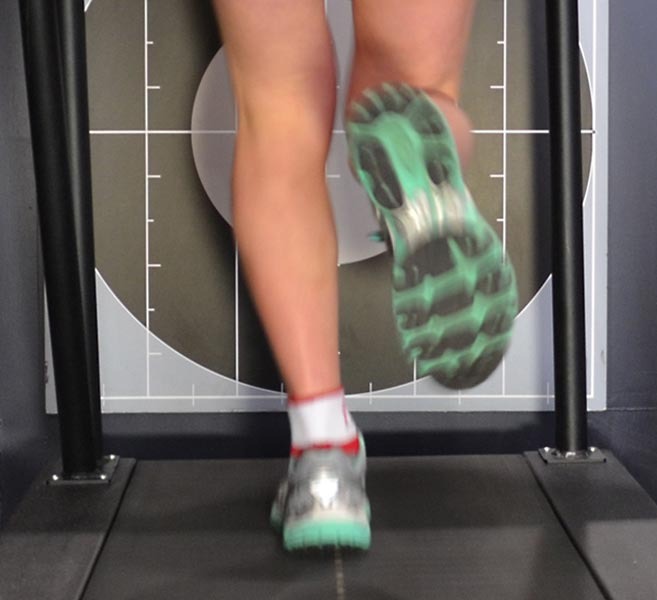
Researchers have measured how footwear affects foot and ankle motion in selected tennis movements. The Reeves et al. study and the Martin et al. study each used small groups performing specific tasks.
| Research | Participants and task | What was found | Takeaway |
|---|---|---|---|
| Reeves et al., 2022 | Eight older female tennis players doing lateral movements in running and tennis shoes | Two participants showed greater ankle inversion in running shoes during lateral jumps | An individual difference in a small sample; injury rates were not estimated |
| Martin et al., 2023 | Ten advanced male players, four tennis shoes of different torsional stiffness, two forehand movement tasks | More flexible footwear increased forefoot inversion. The stiffest shoe increased maximum ankle inversion during the defensive shuttle-run forehand, but not in the offensive lateral-jab task. Running velocity, stance duration, and maximum ground-reaction forces did not change. | Effects depend on the movement; every shoe tested was a tennis shoe |
| 2024 video analysis | Selected video recordings of ankle injuries across indoor and court sports, including tennis events | Examined recorded injury mechanisms, including noncontact events | Shows mechanisms in recorded cases; footwear-specific injury rates were not compared |
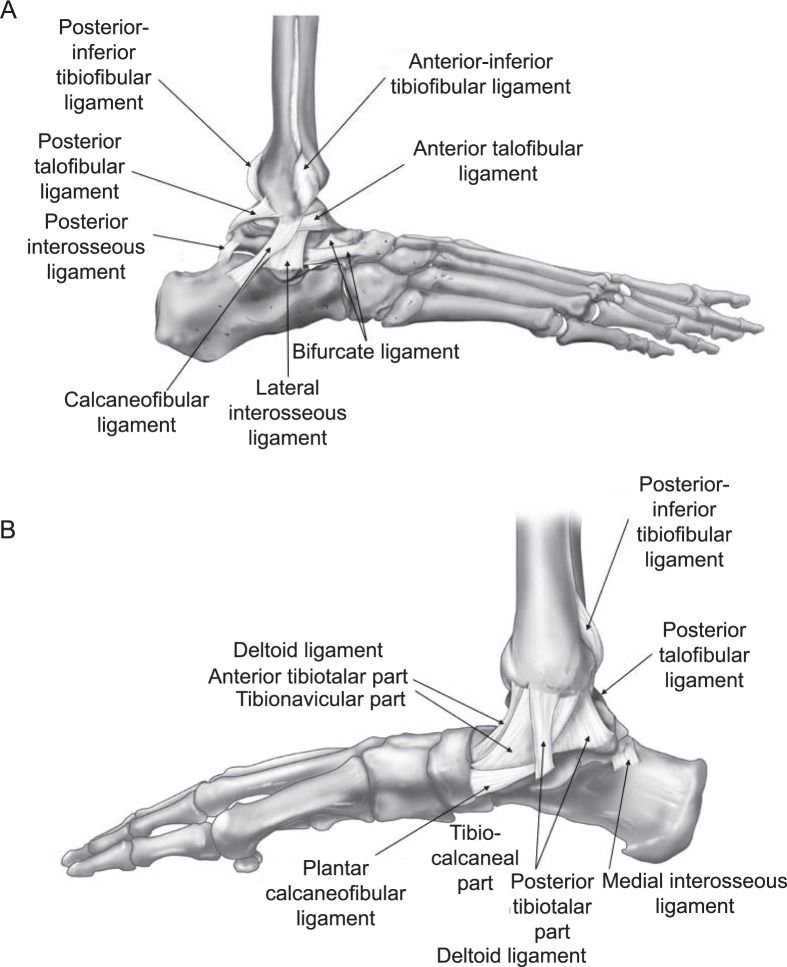
These measurements show how shoes behave in particular movements. They cannot tell you how many sprains a switch in footwear would prevent.
If your ankle keeps giving way, or pain and swelling persist, see a qualified clinician. Severe symptoms need urgent care.
What About Cross-Trainers, Casual Sneakers, and Running in Tennis Shoes?
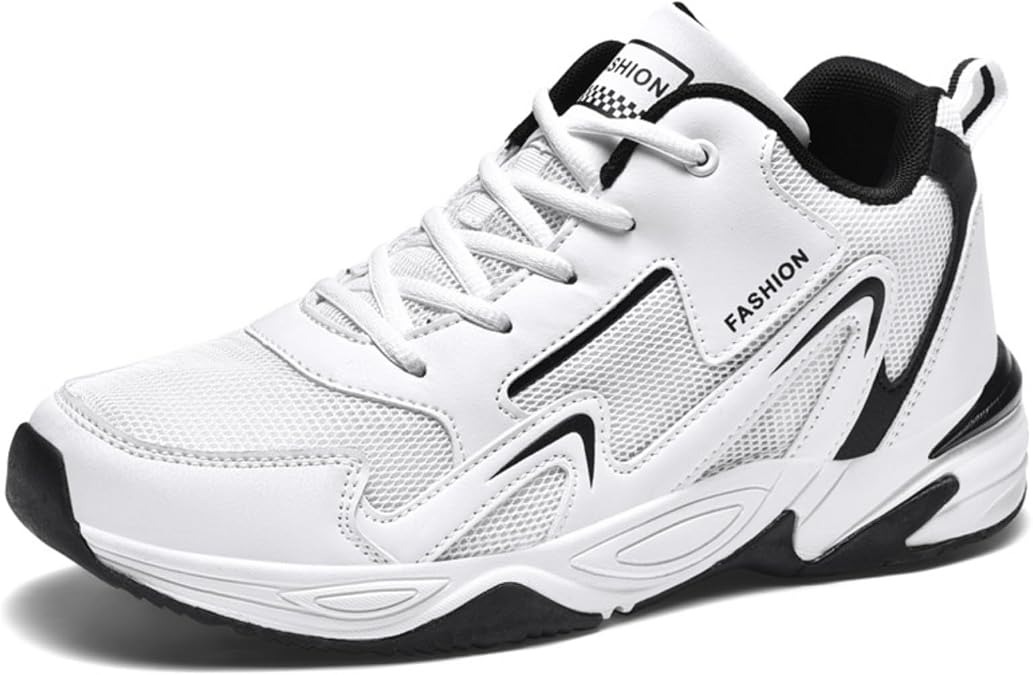
Cross-trainers cover varied gym activities, and casual sneakers are made for everyday wear. Lateral containment and outsole construction differ by model, so neither category name tells you the shoe is built for tennis.
You can jog in tennis shoes for short stretches off court. For regular distance running, choose shoes designed for repeated forward strides.