
Start with playful court time or a beginner group. Once your child wants matches, can serve, rally and keep score, and meets the chosen event's eligibility rules, try introductory match play with the coach. Until then, book a trial session and see whether your child wants to go back.
Where should your child start with tennis?
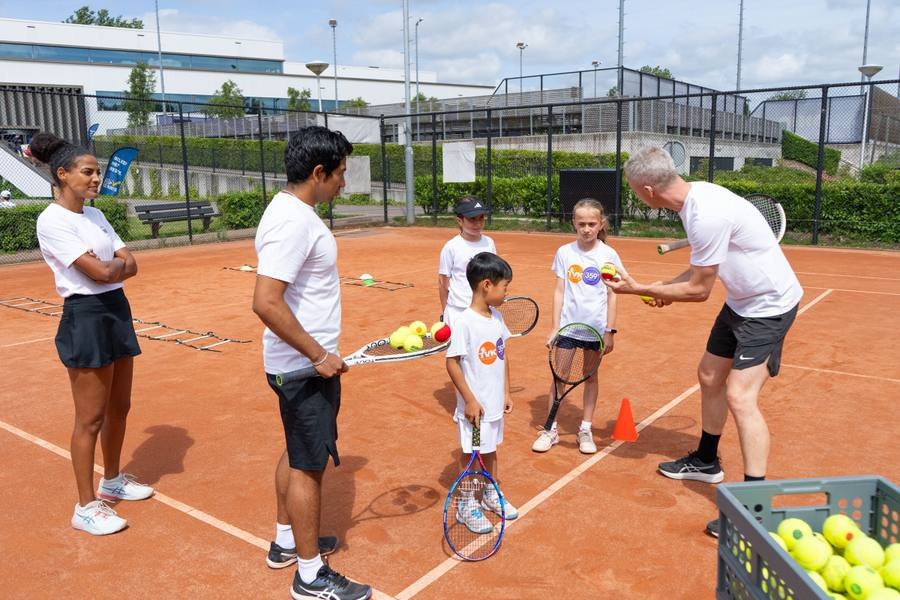
A kid who asks to play tennis mostly wants to hit a ball and have fun. You can toss a slow ball across a small court or sign up for a beginner group. Pick whichever your child enjoys and your week can handle.
An informal session shows whether your child likes chasing and hitting balls, follows simple instructions and feels comfortable with other children. The United States Tennis Association (USTA) offers a junior pathway with lessons, team experiences and events.
| Your child's situation | Next step | What to look for |
|---|---|---|
| Curious, brand new to tennis | Family play or a playful introductory class | Enjoys hitting and moving; equipment is manageable |
| Enjoys tennis and wants regular play with peers | Beginner group clinic or school/community program | Grouping by skill and a class your child wants to attend |
| Already rallies and asks to play matches | Introductory match play discussed with a coach | Basic serving, scoring and readiness for that event |
At the USTA National Tennis Center in New York, the junior pathway has included parent-and-child sessions for ages three and four.
For a first booking, pick one option and check its minimum age and class format against your child's experience. The separate guide to when kids can start tennis covers the age question in full.
What do red, orange and green balls change?
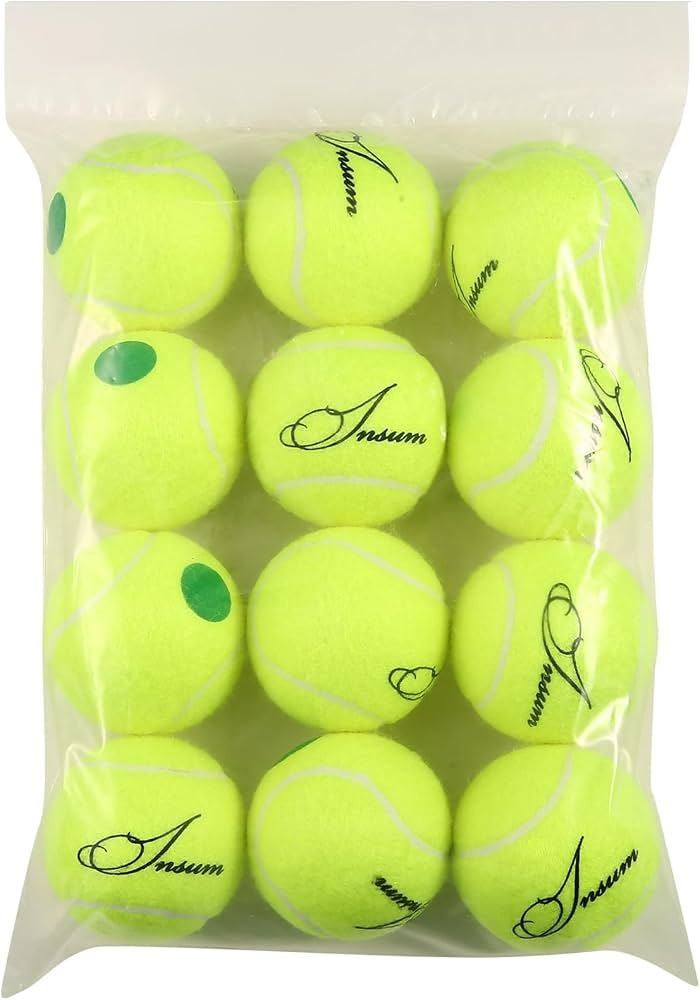
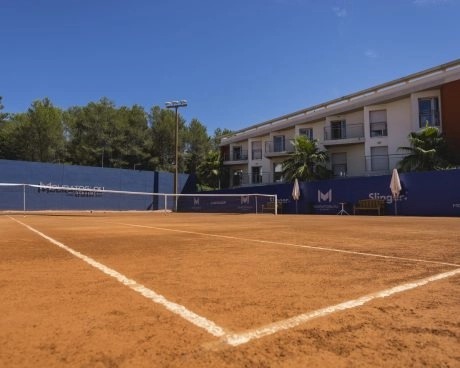
Junior tennis uses modified balls and scaled courts so rallies are easier to build. Slower balls give kids more time to move, prepare the racket and make contact, and the court size changes with each ball stage.
Red, orange and green describe playing equipment; competitive eligibility is governed separately. USTA PlayTracker runs a competitive pathway for children ages 5 to 10, with a minimum age of five for the USTA competition described in its requirements. Recreational lessons and family play can begin earlier.
| Ball stage | Approximate speed difference from yellow | Playing environment | USTA recommended age range |
|---|---|---|---|
| Red | About 75% slower | Small red-ball court | 5 to 7 |
| Orange | About 50% slower | Intermediate-sized court | 7 to 9 |
| Green | About 25% slower | Full-length court | 9 to 11 |
| Yellow | Standard reference | Full-size tennis court | Depends on the applicable competition or program |
The speed figures come from ITF Tennis Play and Stay. The overlapping age ranges come from the USTA pathway, which also sets assessment and points-based advancement conditions.
An eight-year-old can play orange-ball tennis or move up to green under the USTA criteria. For a class or sanctioned event, check your child's ball and court setup against the organizer's format and the USTA PlayTracker requirements. The guide to red, orange and green tennis balls covers the stage specifications in detail.
What equipment does a young player need?
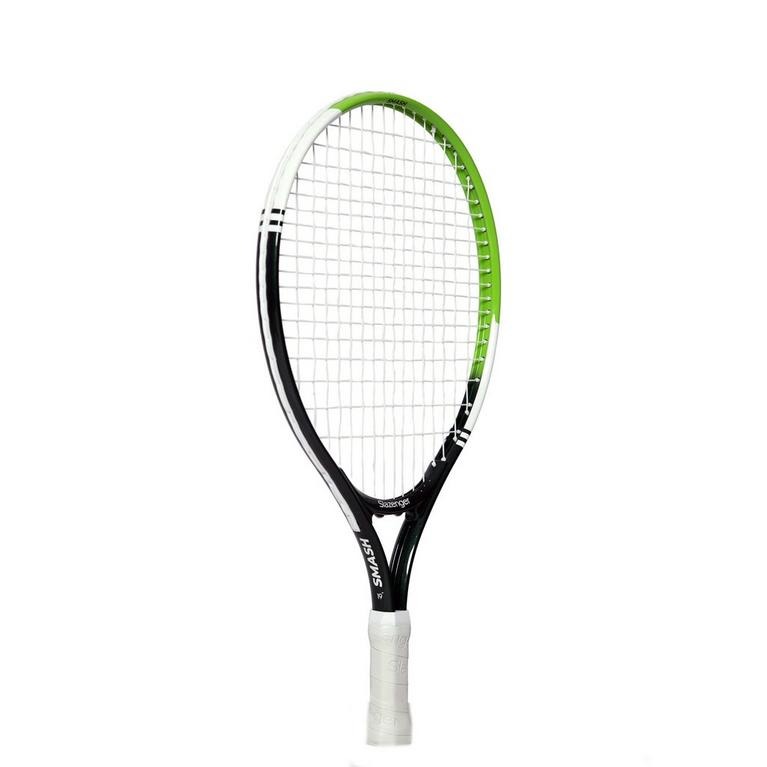
Check what the class and venue supply before you buy anything. Some beginner programs provide rackets and balls, so your child can try tennis first.
Equipment varies by format. A child playing orange-ball tennis on a scaled court uses different gear from someone playing yellow-ball matches.
- Racket: Ask whether a loaner is available. If you buy, choose a junior frame your child can swing comfortably and hold with a grip that fits.
- Balls: Use the stage the program specifies so practice matches its teaching setup.
- Shoes: Follow the venue's footwear policy, including non-marking soles where required.
- Clothing: Comfortable athletic clothes that allow free movement.
- Water and essentials: Bring what the venue recommends for the session and conditions.
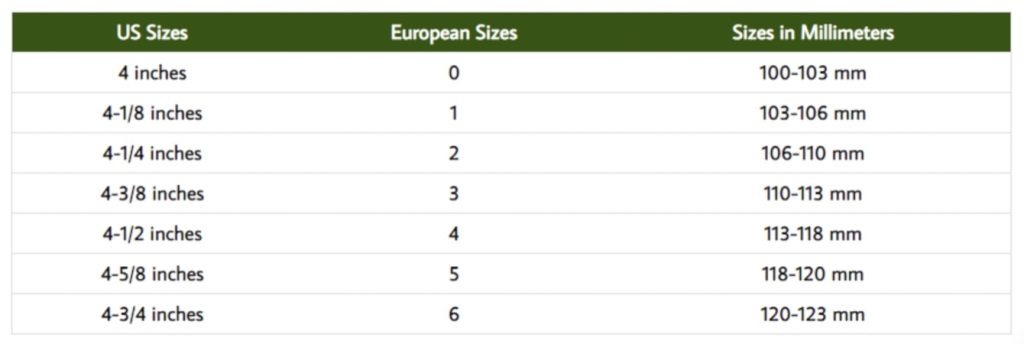
Racket length, swing weight and grip comfort matter most in a first frame. If you're comparing a 26-inch junior racket with a 27-inch adult frame, watch how your child handles each one. Height, technique and comfort drive the choice.
Let your child try the size a coach or knowledgeable fitter recommends. The junior tennis racket size guide covers the detailed sizing decision.
How do you choose a program and coach?
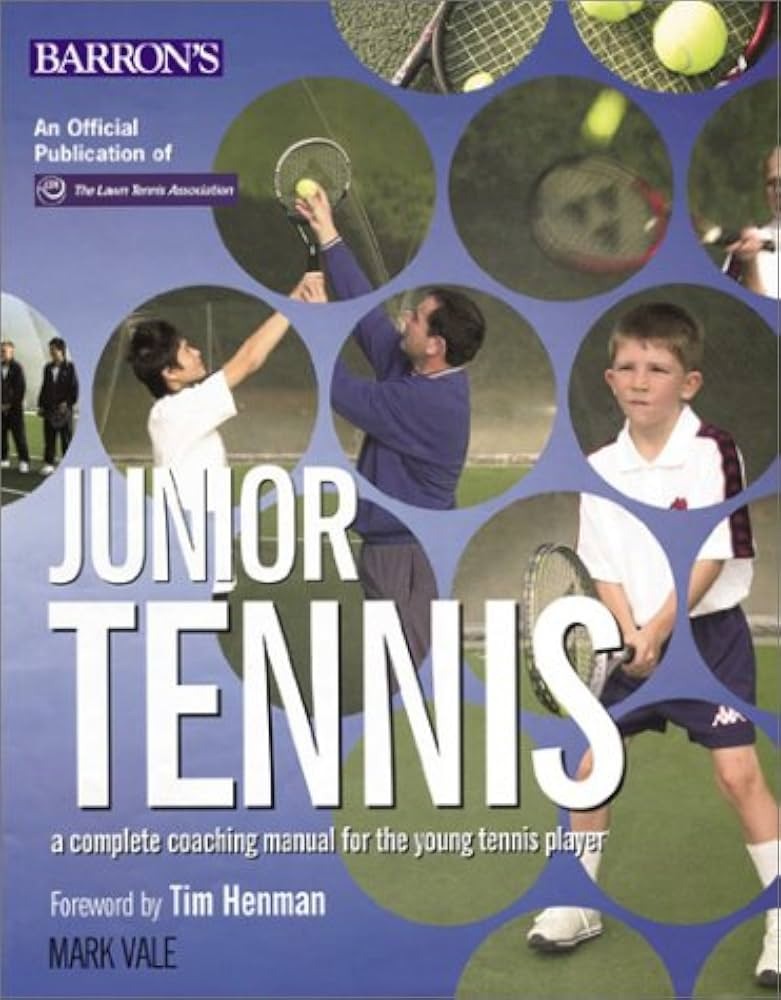
Group classes put children alongside peers. Individual lessons give more concentrated attention. School and community programs can be a convenient introduction.
Before you commit to a package, find out how the program works:
- Group fit: How does the program group children by age, experience and ability? Which ball and court format does the class use?
- Teaching approach: How does the coach handle mistakes, frustration and a child who needs extra time?
- Child safety: Who supervises the children, what conduct policies apply, and whom do you contact with a concern?
- Communication: How is progress discussed, and what role should parents play between lessons?
- Written terms: What do fees include, and how do cancellations, make-up sessions and equipment requirements work?
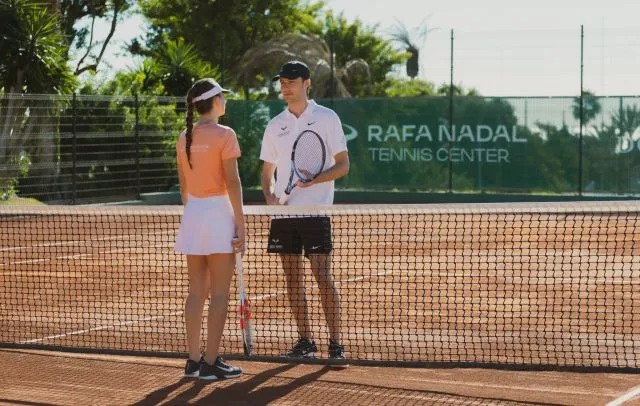
If a coach or facility claims USTA Safe Play Approved status, confirm it with the official Safe Play provider search. USTA's program requires background screening, training and conduct policies. Approval covers those checks only, so watch a trial class to see how comfortable your child is with the instruction.
How can parents help without becoming the coach?
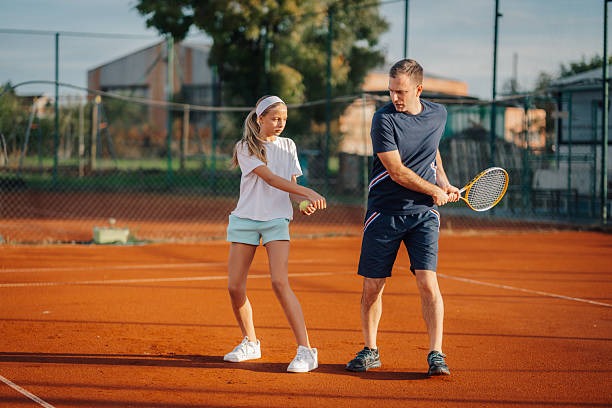
Parents help most with rides, encouragement and chances to play, without owning every technical correction. That gets harder when a coach suggests extra ball repetitions between lessons.
One parent described how differently a seven-year-old responded to practice with a coach and a parent:
With her coach she’s calm, focused and relaxed. With me, if she misses a couple of forehands or loses a rally, she can get really frustrated and emotional. To avoid that, I’ve mostly stopped rallying with her and just feed the next ball so she keeps hitting, but I’m not sure if that’s the best approach.
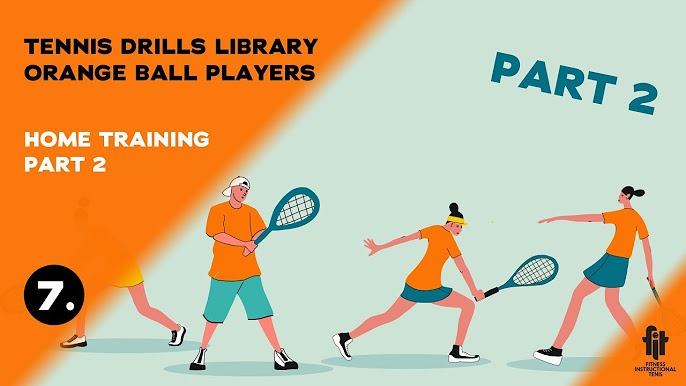
Feeding balls gave the child repetitions, but the frustration stayed. Practice with a parent and practice with a coach can feel different to a young player even when the activity looks the same.
In a 2006 study of 132 US junior-tennis coaches, the coaches described parental involvement as useful logistical and emotional support, and also as a source of unrealistic expectations and too much focus on winning.
Ask the coach for one home activity that fits your child's current skill, such as a simple feed or a target game. Keep it optional. If it turns into an argument, stop or switch before it becomes a family conflict.
When is your child ready for matches and tournaments?

A child who enjoys lessons may want to play against someone else. That can start with a friendly game, a team activity or an introductory individual event. Formal ranked tournaments come later for some players.
USTA offers several organized formats, each with its own purpose:
| Playing opportunity | Main experience | Good starting point |
|---|---|---|
| Informal or school match play | Games with familiar players and an adaptable setting | Child is beginning to learn rallies and scoring |
| USTA Team Challenge | Introductory team-based match play | Child wants an organized experience with peers |
| Junior Team Tennis | Team participation in an organized program or season | Child enjoys repeated team match play |
| USTA Junior Circuit | Individual introductory matches in a non-elimination format | Child can serve, rally and keep score, with some prior match-play experience |
| Ranked USTA Junior Tournaments | Formal ranked tournament competition | Child meets the selected event level and eligibility conditions |
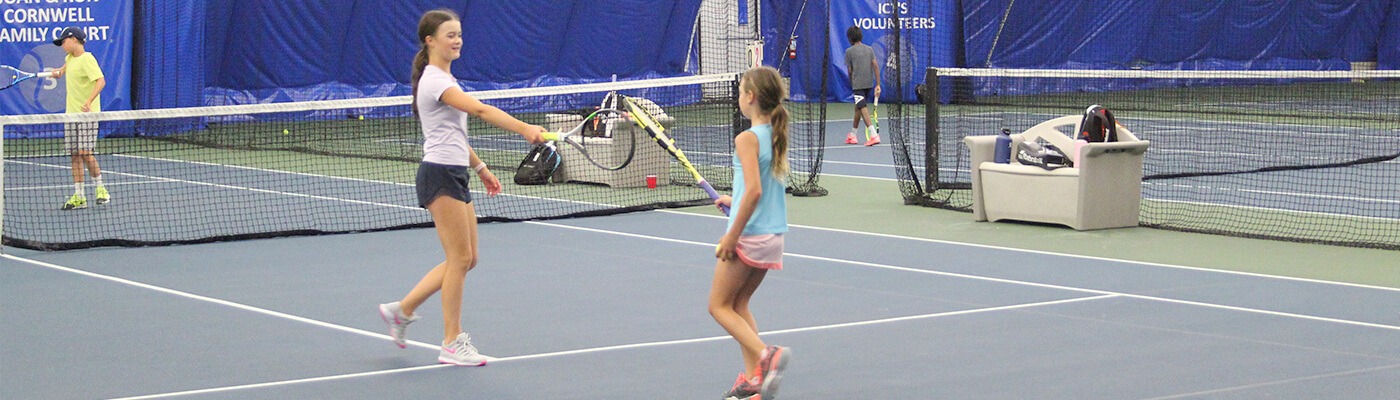
The USTA Junior Circuit uses a round-robin, non-elimination format. USTA lists two to four matches depending on the flight, without national ranking points.
Participants are expected to serve, rally and keep score, with some previous competitive experience. USTA recommends Team Challenge or Junior Team Tennis as preparation. Events use orange, green or yellow balls as specified.
Ranked USTA Junior Tournaments run from Level 7 to Level 1, with Level 7 described as an intermediate entry within ranked competition. A beginner still learning the score should start with informal match experience.
When your child asks to compete, talk readiness over with the coach and read the event listing for ball stage, age eligibility, registration terms and required match skills. The first junior tournament guide covers detailed entry procedures.
What should happen when a match goes wrong?

Score disagreements come with competing. A child may know the scoring in practice yet hesitate to speak up when an opponent announces a result they remember differently.
A parent describing a 10U tournament alleged that an opponent took an extra serve and persuaded the parent's child that a match had ended early:
My son played in a 10U tournament this weekend. He played alright but lost all his matches badly - probably needs more training to catch up to the other kids. What got me, though, was that in his last match, his opponent, who beat him 4-0, blatantly cheated multiple times. Once he double faulted and took a third serve, which he got in and ultimately won the point. The match ended when the score was 3-0, 40-15 and somehow he convinced my son that the match was over.
Under the USTA Code in Friend at Court, the server announces the score before each point. If players dispute the score, they first count the points or games they agree on and replay only the disputed ones. The Code then allows play from a mutually agreed score, with a racket spin or coin toss as the last listed method. A player can request an official's help during play.
Before the first event, find the director or an available official and go over the published score-dispute and spectator rules with your child. Those rules set how adults and officials may step in.
How much tennis can your family realistically sustain?
A sustainable schedule leaves room for your child's interest, regular play, school, rest, other activities and your family's resources. Once events enter the routine, practice and travel start competing for the same evenings and weekends.
A Florida parent of a 12-year-old asked what normal looks like:
Hi everyone, I’m a parent of a 12-year-old in Florida who’s starting to take tennis more seriously and potentially wants to pursue it at a high level. I’ve been trying to understand what “normal” looks like in terms of: How many matches kids are playing per month How often they’re competing in tournaments How people balance training vs match play Right now, it feels a bit all over the place and I'm just looking for some guidance. Also curious: Do most families track match performance in any structured way? Or is it mostly just coach feedback + watching matches? Would really appreciate hearing what others are doing / seeing at this stage.
How much to commit comes down to your child's goals and your family's time and money. A weekly group clinic and regular tournament travel are very different loads.
| Commitment | Details for a one-month trial plan |
|---|---|
| Instruction | Group or private lesson charges, schedule and make-up terms |
| Playing equipment | Racket, balls, shoes and expected replacement needs |
| Court access | Court booking, transport to practice and availability |
| Competition | Entry fees, travel, possible lodging and time away |
| Family schedule | Schoolwork, rest, other sports, siblings and shared family time |
| Contract flexibility | Cancellation deadlines, refunds and required commitments |
The American Academy of Pediatrics, in a 2019 report reaffirmed in 2023, stresses developmentally appropriate participation, enjoyment and free play, and discusses the risks of excessive specialization. A 1997 observational study of young tournament players reported an association between perceived parental support and enjoyment.
Before you sign a longer contract, build a one-month calendar with actual program fees and likely travel, and see whether your child still wants to go.
How do you know the next step is working?
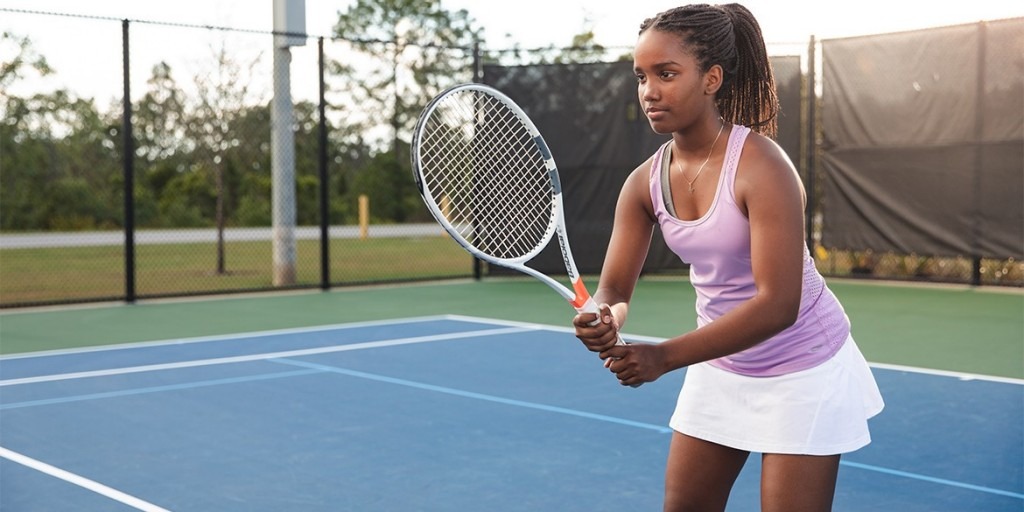
Look for a child who wants to go back and feels more comfortable rallying, serving or following the score. After a trial, ask your child and the coach for one sign of enjoyment and one concrete skill gained. Keep a beginner's next step playful. If your child meets the match requirements, try introductory match play; if not, stay with the current format and revisit matches later.