
For lessons and casual practice, pick the red, orange, or green ball that lets your child rally with control on a court that fits, and use age as a starting guide. Red is ITF Stage 3, orange Stage 2, and green Stage 1, followed by standard yellow. USTA recommends ages 5 to 7, 7 to 9, and 9 to 11 for the colored stages. Tournaments work differently: your child's PlayTracker eligibility and the event's division rules decide which ball-color event they can enter.
Red, Orange, and Green Tennis Balls at a Glance
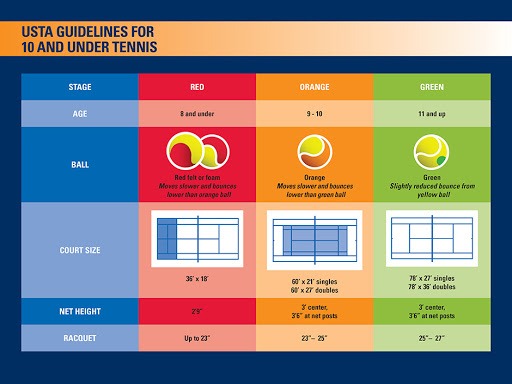
Junior tennis pairs slower balls with scaled courts so children can build rallies without covering the whole adult court.
| Ball | ITF stage | Speed reduction versus yellow | USTA recommended age | USTA court format | Center net |
|---|---|---|---|---|---|
| Red, foam or felt | Stage 3 | About 75% slower | 5 to 7 | 36 ft long × 18 ft wide | 33 in |
| Orange | Stage 2 | About 50% slower | 7 to 9 | 60 ft long; 21 ft singles or 27 ft doubles width | 36 in |
| Green / green dot | Stage 1 | About 25% slower | 9 to 11 | 78-ft full court | 36 in |
| Standard yellow | Regular ball | Reference speed | No age assigned here | 78-ft full court | 36 in |
The table shows USTA playing formats and recommended age bands. The ITF allows other dimensions in some junior competitions. Ages overlap at 7 and 9 because children move up at different speeds.
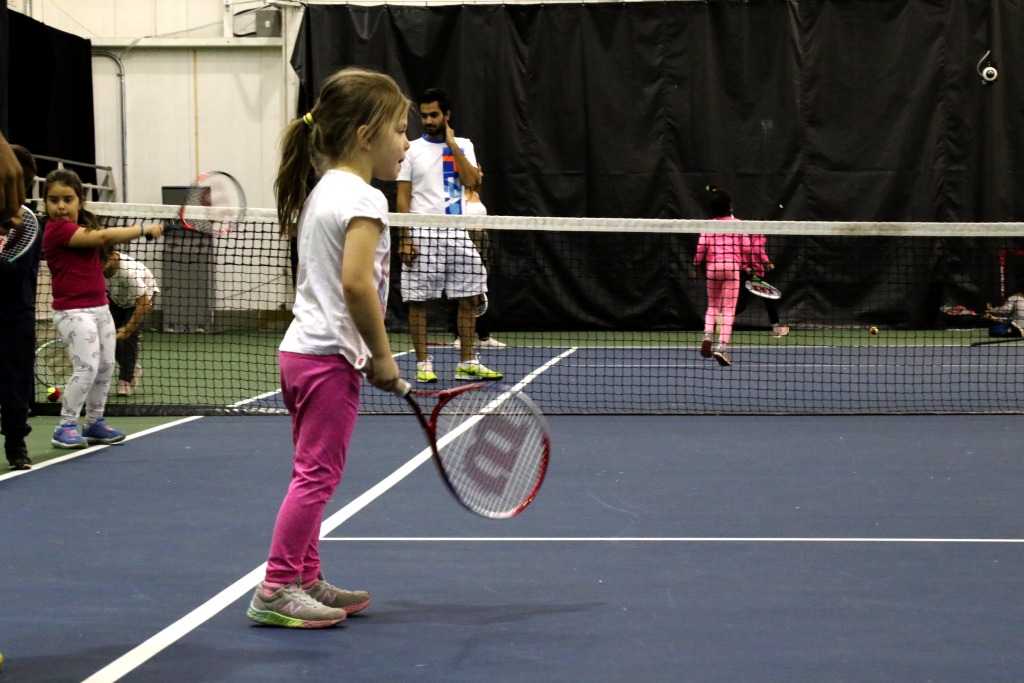
On a small court, more shots stay within reach while your child learns to track the ball. Orange widens the court and the running. Green brings in the full-length court with a slower ball. The tennis court dimensions guide covers regulation court measurements beyond these junior formats.
What Makes Red, Orange, and Green Balls Play Differently?
Ball speed is the clearest difference between the stages. Red gives a beginning player the most time to prepare, orange narrows that interval, and green plays closer to standard yellow. The 75%, 50%, and 25% reductions come from the ITF Tennis Play and Stay program.
Compression is how a ball deforms under load. Internal pressure comes from its construction. Rebound is what the ball does after it strikes a surface. A package claim about lower pressure describes a different property from the ITF speed comparison.
The ITF's 2026 ball-approval procedures measure size, mass, and rebound. Red foam and red felt balls have separate categories.
A slower ball makes contact and recovery easier, especially with a court and racket sized to match. Researchers have tested some of these combinations. In a forehand experiment with 80 children ages 6 to 8, the smallest racket paired with the least-compressed ball produced the strongest performance among nine tested combinations.
A separate short beginner study with 14 children found no statistically significant advantage for modified balls on its skill test. Both studies tested specific tasks, so neither tells you how fast a child learns over the long term.
Which Ball Should Your Child Use for Lessons and Practice?
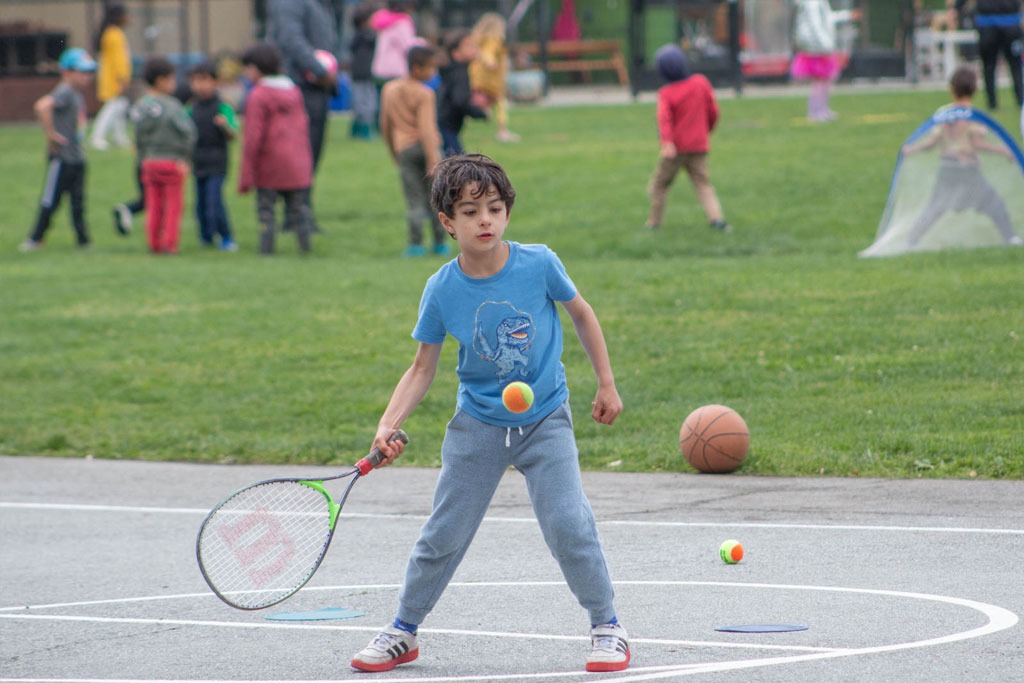
Pick the ball and court that let your child make regular contact, get into position, and keep a rally going.
Age is the starting point. The coach can weigh rally control, contact height, movement, and enjoyment from there. After a session, tell the coach the one difficulty you saw most. A racket sized for your child matters too, and the junior racket size guide covers that separate decision.
When Is a Child Ready to Move to the Next Ball Color?
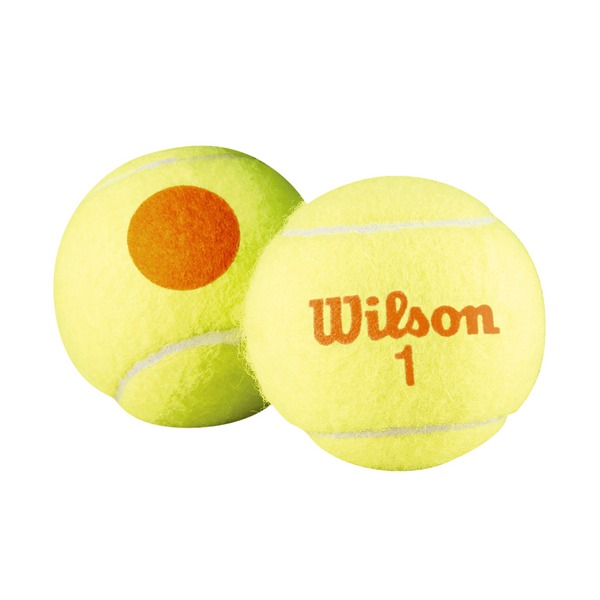
Moving from red to orange or orange to green changes the ball's pace and the distance your child must cover. Expect a few awkward sessions after each move.
One parent described an eight-year-old who had played well with red balls but struggled after moving to orange:
My daughter (8) has transitioned to orange ball. She was a strong red ball player, but is having difficulty making the jump to orange ball. Most notably, she’s hitting nothing but soft high moon balls. This worked for her in red ball, but now I’d like to encourage her to hit a little harder and lower. Please share any drills or instruction techniques that may help.
A high, soft shot that worked on the red court plays differently on the longer orange court. The cause could be movement, contact position, or timing, so have a coach watch the shot before you change anything.
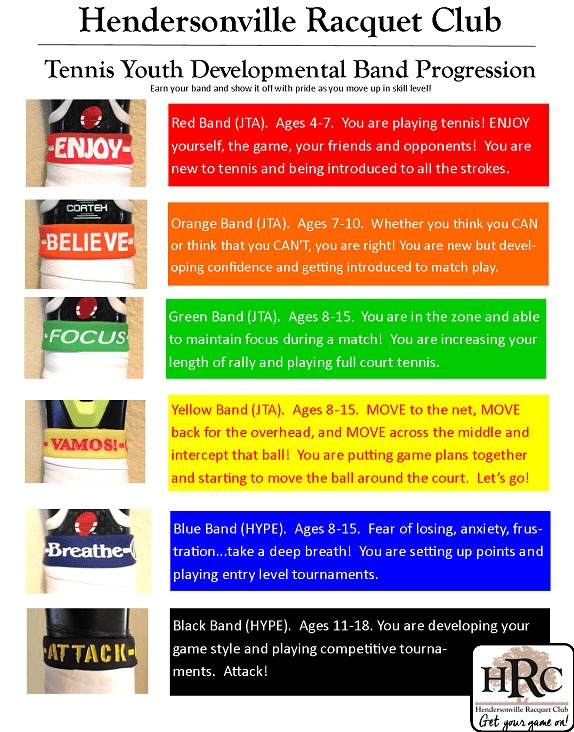
Over several sessions with the new ball and court, look for three signs of adjustment:
- Rally continuity: Your child starts a rally and keeps it going past the first hit or two.
- Movement and recovery: Your child reaches the ball and has time to get ready for the next shot.
- Contact and direction: Your child makes clean contact and starts aiming the ball on purpose.
Move up gradually, and go back to the slower ball for drills when your child needs repetition. The goal is rallies that hold up across the new space, with power building alongside control.
Can a Child Practice with Yellow Balls If Lessons Use Orange?
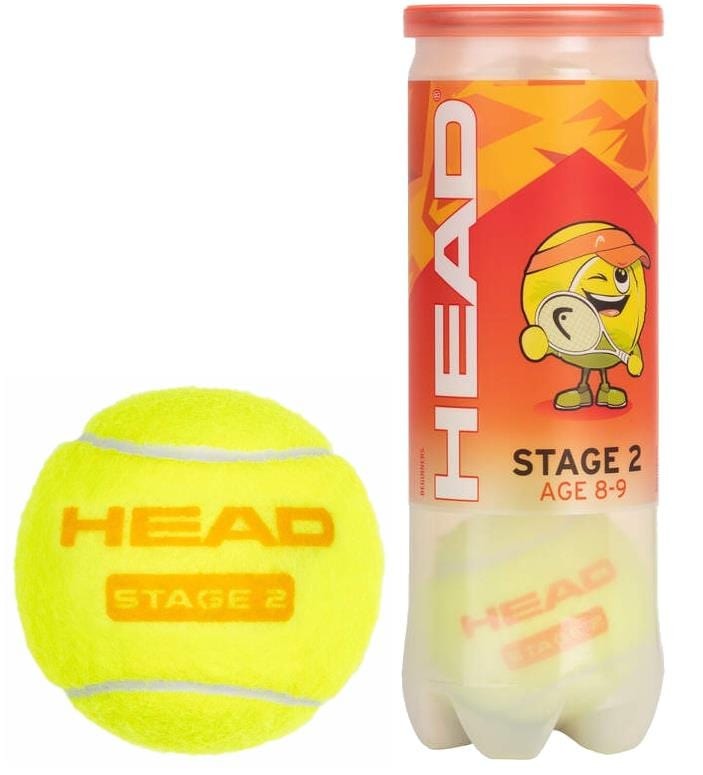
Yes, a child in orange-ball lessons can hit with yellow balls now and then. Standard balls travel differently from orange balls and demand quicker preparation, so the older partner needs to keep the pace down.
One family had a nine-year-old in orange-ball lessons and a teenage neighbor willing to hit weekly with regular yellow balls:
Hi everyone! I am the mom to a 9 year old girl learning to play tennis and loving it! I have no tennis knowledge so looking for some insight on something-- She will be doing small group lessons with an orange ball. My question is, we have a teenage neighbor who plays on the high school tennis team who is willing to hit with my daughter once a week, but she has regular tennis balls. Would using orange balls at lessons and the regular yellow balls the other day be detrimental? Could buy a bunch of orange balls to have when she plays with the neighbor but wasn't sure if it was even an issue Thanks!
Orange balls make the exchange easier for a developing player. A controlled feed, gentler shots, or a smaller playing area also give your child time to prepare. Agree on the ball with the coach and the older hitting partner before the session.
Which Ball Color Can Your Child Use in a USTA Tournament?

USTA tournament entry depends on the player's competition eligibility and the event's listed division. A child who practices with yellow balls can still end up in an orange- or green-ball event.
A parent of a ten-year-old who mostly practices with yellow balls asked which division to enter:
My 10yo son is in Vermont where there aren’t any tournaments, but he’s been playing tennis for a few years, the last year primarily with regular yellow balls (practices twice a week just at a local place). He can serve, have a rally for 5+ with some great shots but also plenty of inconsistency too. He’s dying to play a tournament and we are thinking of traveling to a USTA tournament in NH, but I’m unclear whether to sign him up for a 10 and under green or orange ball? Appreciate any guidance!
His yellow-ball practice and rally length don't decide the division. His PlayTracker record does. He is already green-eligible at 10, and the 10U rules below let him enter an orange-ball event too. USTA's Net Generation PlayTracker records ball-color progression for younger players.
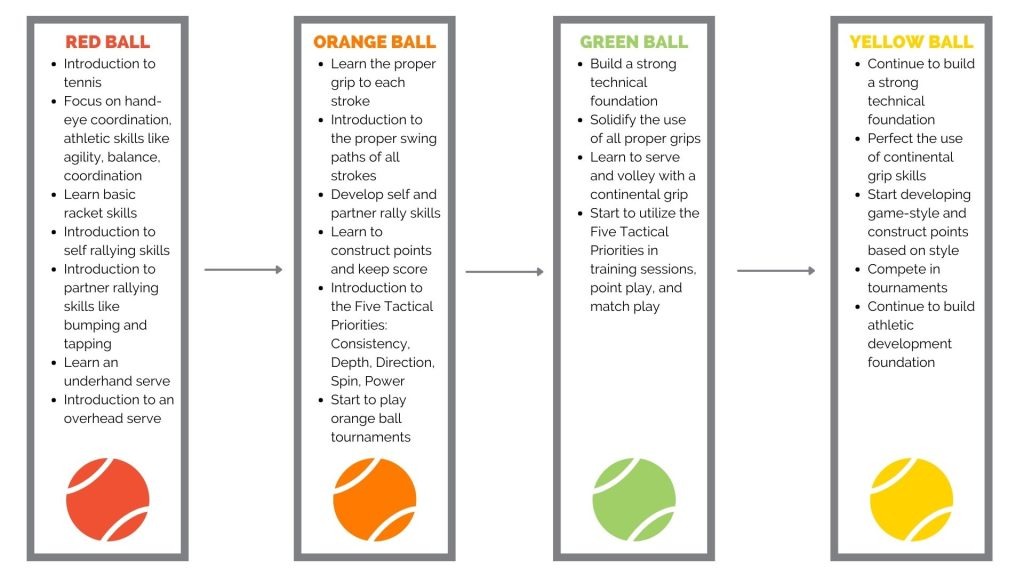
Under USTA's published PlayTracker framework, players become green-ball eligible automatically on the first day of the month of their ninth birthday. Seven- and eight-year-olds can qualify for green earlier with 1,000 orange play points or an authorized coach assessment.
Progression to yellow is based on 1,500 total points, including 1,000 win points. PlayTracker age-out happens on the first day of the month of a player's eleventh birthday. The tournament listing still decides which divisions exist.
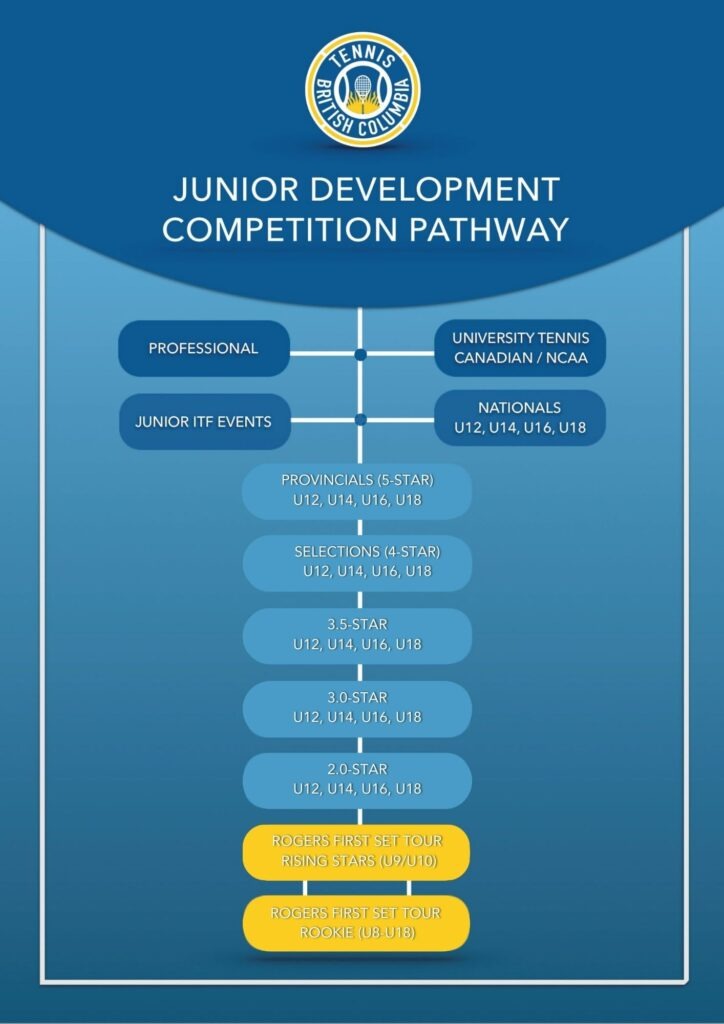
USTA's sanctioned 8U tournaments use red balls, while sanctioned 10U tournaments use orange or green. A green-eligible 10U player may enter an eligible orange-ball event. Yellow eligibility does not create a 10U yellow-ball tournament division.
- Open your child's USTA profile. Find the current Net Generation PlayTracker ball-color eligibility.
- Read the tournament listing. Compare its age group, ball-color division, and conditions with that record.
- Resolve any mismatch before you register. Contact the tournament organizer or USTA using the official event details.
The USTA PlayTracker FAQs explain the progression rules. The junior tournament guide covers tournament entry and formats beyond ball-color selection.
Foam, Felt, and Used Junior Tennis Balls: What to Check
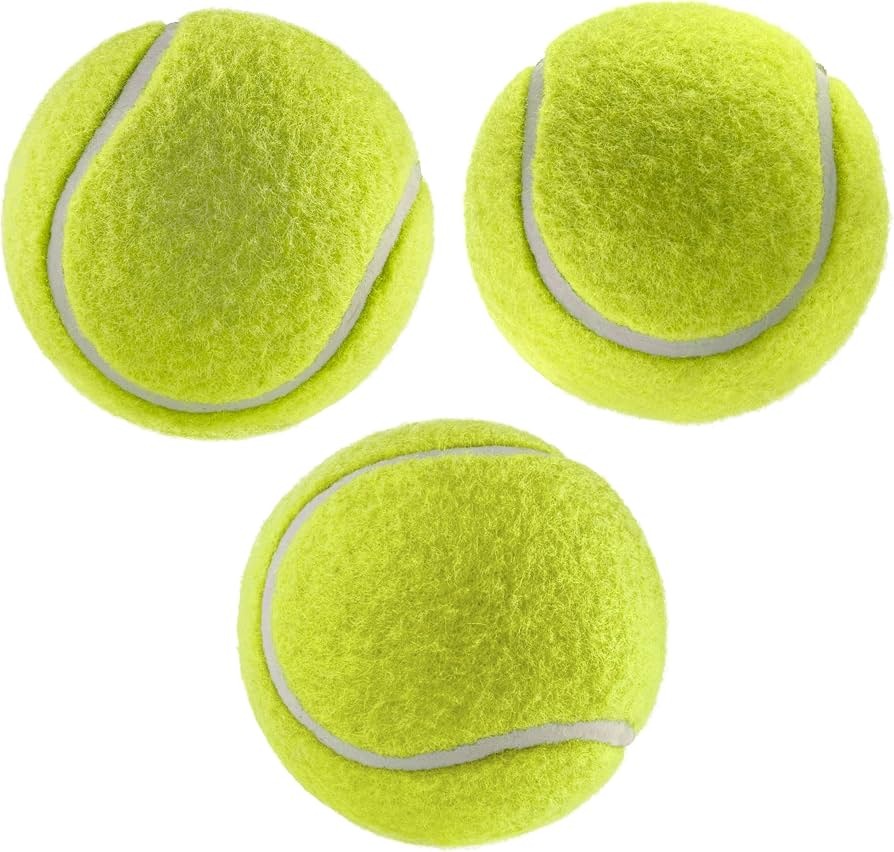
Red-stage balls come in both foam and felt versions. A "low compression" or "pressureless" label doesn't tell you the ball's stage, condition, or remaining playing life.
For secondhand starter balls, check the actual set:
- Surface and shape: Look for worn coverings, damage, and deformation.
- Consistent play: Compare several balls with a known good ball of the same stage and watch for differences in bounce or feel.
- Product identity: Match any construction or pressure claim to the manufacturer's description of that model.
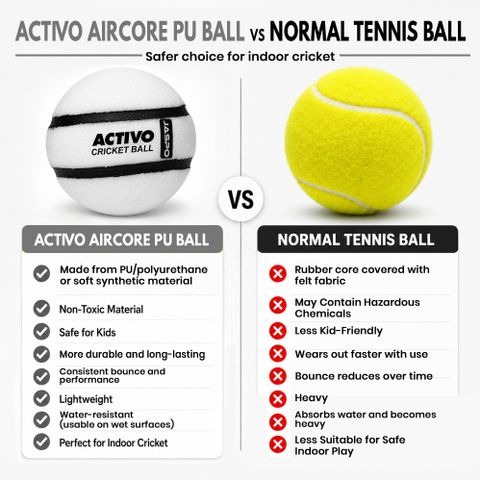
A bag of used red balls is fine for a five-year-old starting on a small court, as long as the balls pass these checks.