
Use your child's age and height to shortlist a junior length, then pick the racket they can hold and swing comfortably. Don't buy the longest one they might grow into. If two neighboring lengths both pass the fit check, compare them in the same kind of gentle hitting and keep the one your child controls better.
Junior Tennis Racket Size Chart: Where to Start
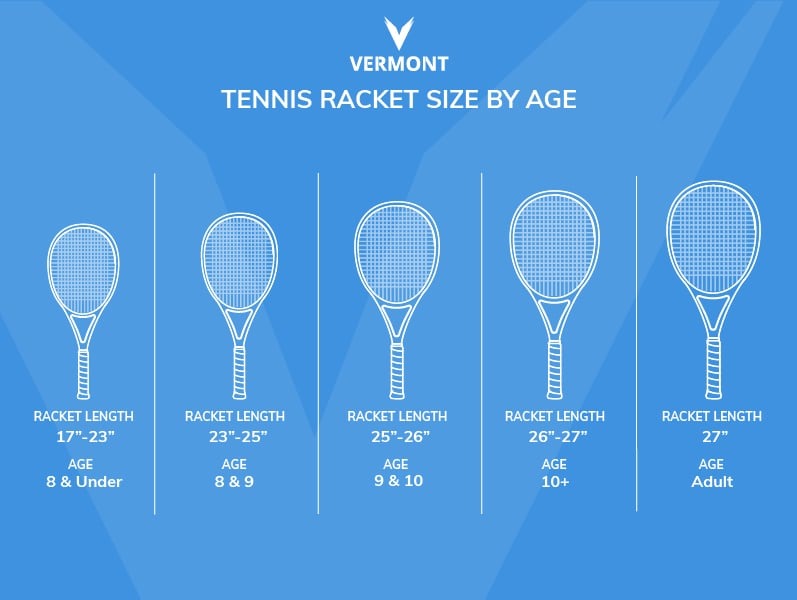
Racket lengths are labeled in inches and measured from the end of the handle to the top of the frame.
The chart pairs age cues from HEAD's junior-racket guide with height suggestions from Babolat's US junior-racket guidance. Each one is a separate manufacturer starting point.
| Racket length | Length in cm | HEAD age cue | Babolat height cue |
|---|---|---|---|
| 17 inches | 43.18 cm | 2 to 3 years | Under 95 cm |
| 19 inches | 48.26 cm | 3 to 4 years | 95 to 110 cm |
| 21 inches | 53.34 cm | 4 to 6 years | 110 to 125 cm |
| 23 inches | 58.42 cm | 6 to 8 years | 120 to 135 cm |
| 25 inches | 63.50 cm | 8 to 10 years | 130 to 145 cm |
| 26 inches | 66.04 cm | 9 to 11 years | 140 to 150 cm |
| 27 inches | 68.58 cm | Adult-length reference; individual junior fit required | |
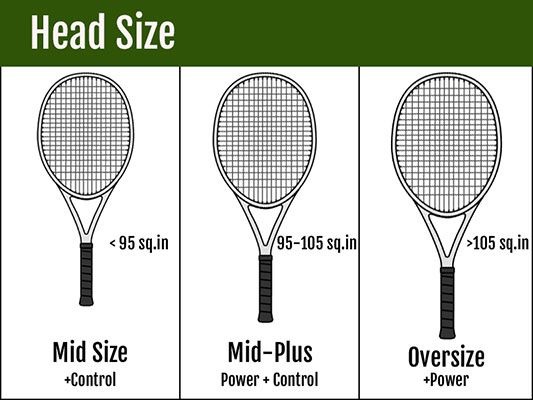
Babolat also lists a 24-inch (60.96 cm) option for children 120 to 135 cm tall. The height ranges overlap, so write down your child's height and circle one or two lengths for the standing fit check. A 125 cm child, for example, falls in both the 21-inch row (110 to 125 cm) and the 23-inch row (120 to 135 cm), so test both.
How Age and Height Interact
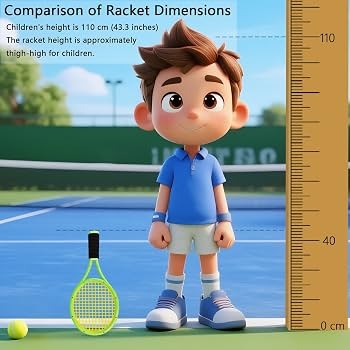
Age ranges on the box are rough. Children of the same age differ in height and reach, so a small or tall child can need the next size down or up. If height and age point to different sizes, test both.
How to Check Fit at Your Child's Side
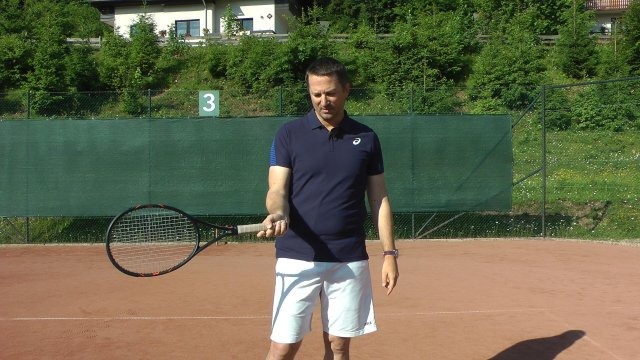
The simplest first check uses the actual racket. Have your child stand comfortably with the playing arm relaxed beside the leg, holding the racket so the head points toward the floor.
USTA's equipment guidance says the racket head should approach the floor without touching it. It gives no fixed distance in inches. Keep the stance relaxed, because a raised shoulder, bent wrist or lifted arm skews the result.
- Head drags on the floor: Skip this length.
- Head hangs just above the floor: Good. Move on to hitting.
- Head hangs well above the floor: Try the next length up.
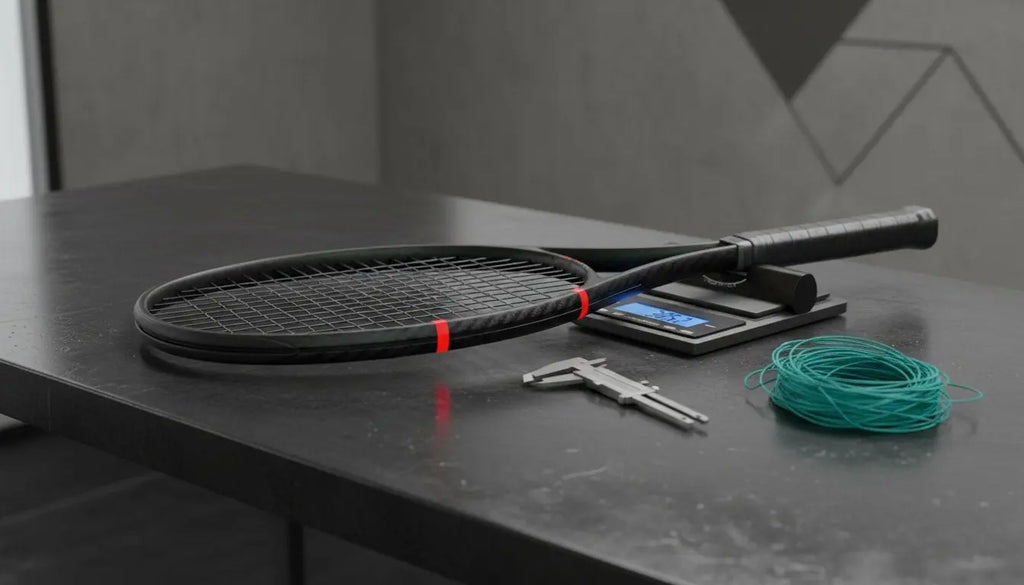
You can also use a tape measure. Tennis Warehouse's junior guide suggests measuring from your child's fingertips to the floor while the arms hang naturally. That distance gives you a starting racket length.
Between Two Racket Sizes
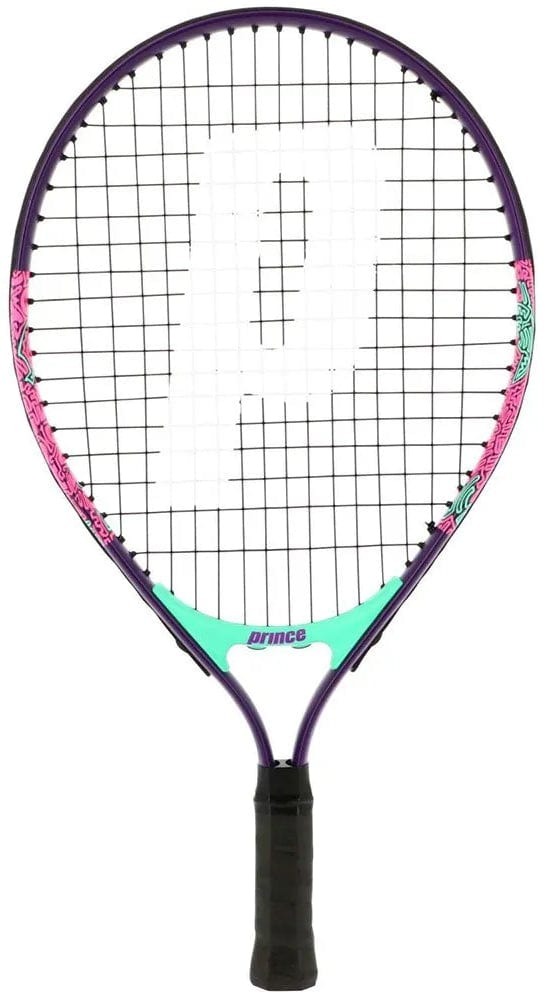
A 25-inch and a 26-inch racket can both pass the standing test. Next, see which one your child handles better.
Use the same type of ball and similar gentle hitting for both. Watch how easily your child moves the racket, controls the face through contact and recovers for the next ball.
| What you observe | What to do |
|---|---|
| One racket feels easy to maneuver and the other is awkward. | Favor the more comfortable racket. |
| Both feel easy in a relaxed swing, but one is harder during ball contact. | Favor the one with steadier contact. |
| Both feel similarly comfortable. | Let your child's preference and the cost break the tie. |
One parent, with a daughter turning ten, wanted a racket that would last a while without hurting her technique as she learns the basic strokes.
Hi, all! My kids have started playing tennis recently (complete beginners). I’m having a hard time determining what size racket to get my oldest. She’ll be 10 in March, but she’s small for her age (in case that influences answers). Would you recommend a 25 or 26 inch frame? And what weight range should I be looking for? I want something that will grow with her a bit so we don’t have to size up too quickly, but not too big that it interferes with proper technique as she learns basic stroke mechanics. I was old enough when I started learning that I used an adult sized racket from the beginning, so I have no personal reference point here unfortunately. Thanks in advance!
Grip, Weight and Balance at the Same Racket Length
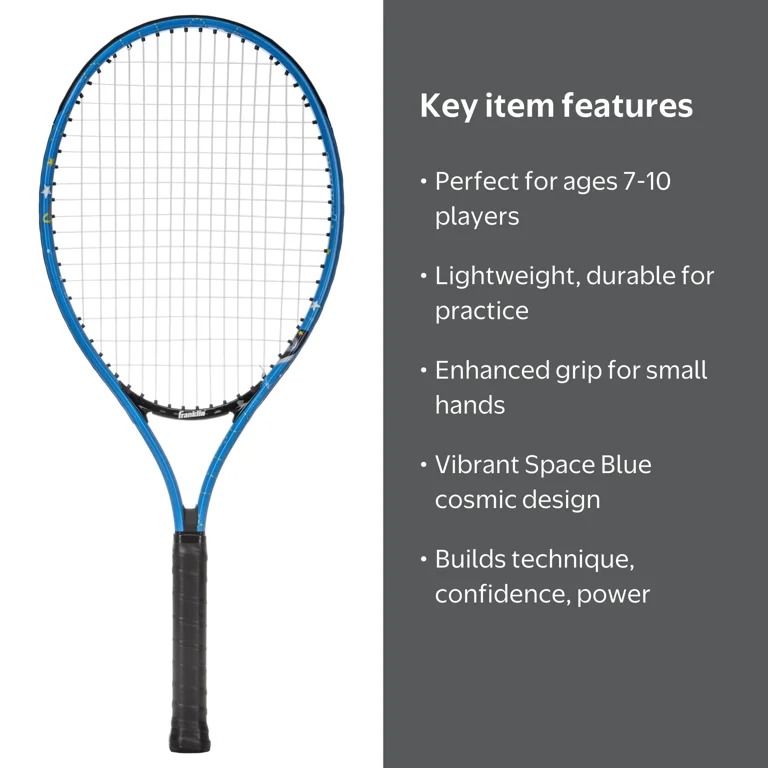
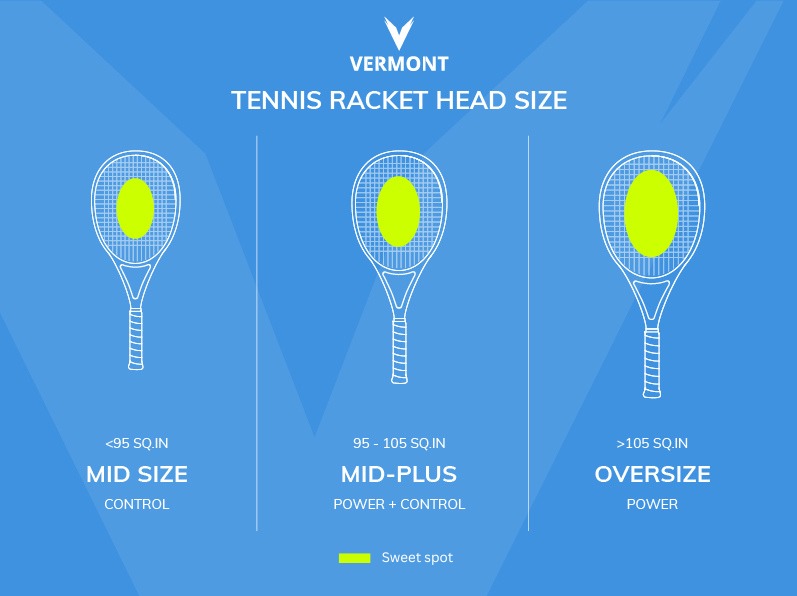
Two junior rackets of the same 26-inch length can still differ in grip size, mass, balance, swingweight and head size.
- Grip size: The circumference of the handle and how it fits your child's hand. It is separate from racket length and from forehand grip.
- Mass: How much the racket weighs. Specs may list the strung or unstrung weight, so compare like with like.
- Balance and swingweight: Balance describes where the mass sits in the racket. Swingweight describes how heavy the racket feels in the swing.
- Head size: The size of the string area. It can differ between rackets of equal length.
An example: Babolat's published junior catalogue lists the Pure Aero Junior 26 Gen9 and the Pure Drive Junior 26 Gen11 at 26 inches and 250 g unstrung, but their swingweights are 240 and 245.
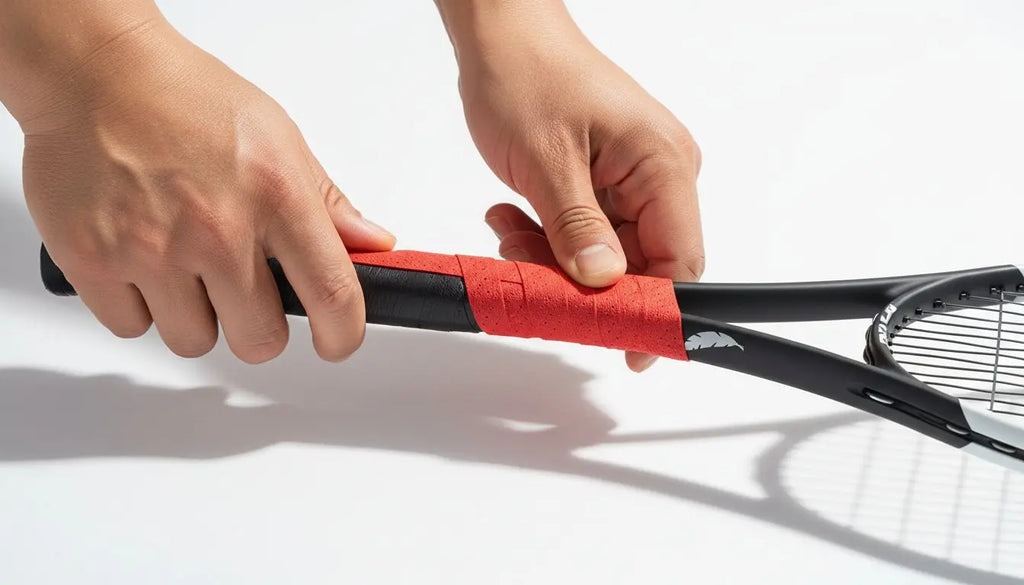
For two shortlisted rackets, read the exact model label and compare grip, listed mass and balance along with length. The same check works for an inherited or discounted racket.
Red, Orange and Green Ball-Stage Guidance
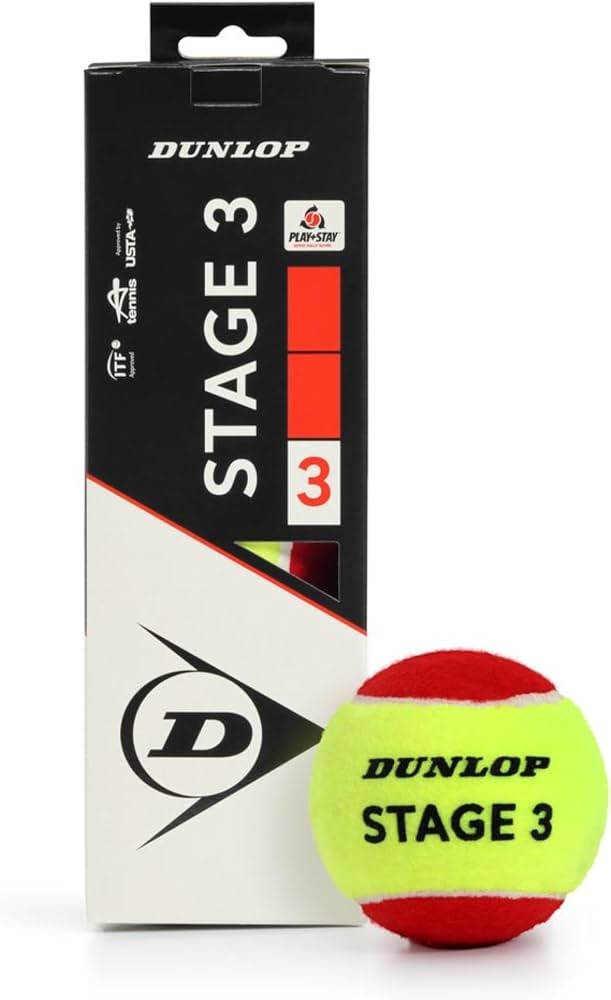
Racket length also appears in junior competition guidance. Appendix VIII of the 2026 ITF Rules of Tennis gives these recommendations for the applicable 10-and-under competition formats:
| Ball stage | ITF racket-length recommendation |
|---|---|
| Red | Up to 23 inches |
| Orange | 23 to 25 inches |
| Green | 25 to 26 inches |
If your child is entering an organized program or event, confirm the ball and court format and any equipment rules with the coach or organizer.
When a Child Prefers a Longer Hand-Me-Down Racket
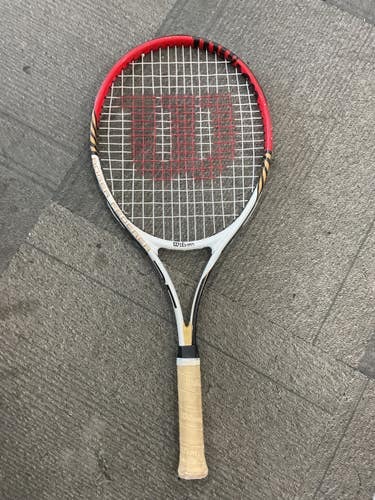
An older family racket is a fine choice if your child handles it easily.
One parent's five-year-old preferred an older 25-inch Dunlop to a 19-inch racket, but the parent noticed repeated contact around the throat of the frame.
My 5 year old enjoys tennis, at this age she is very much just starting to constantly hit the ball. Her 19 inch racket is getting too small so I pulled out my old rackets for her to try. She is adamant that my old Dunlop neon lite racket (25 inches) is easiest for to play with (I’m not convinced it’s not just because it’s her favourite colour). She could hit ball’s with it, though she did often hit in the throat (this racket has a very long throat and I would guess a 90 inch head). I’m of the opinion just to let her play with whatever she wants as wanting to play is more important than ideal equipment. But did want to see if people with more experience thought I was setting her up for failure by letting her play with a small head long racket at a bit younger/shorter than recommended? Thanks
Watch a few hits for awkward movement or repeated off-center contact with that specific racket. If it handles well, you save a purchase, and if it keeps causing trouble, try a more manageable one while keeping the game fun.
Budget and the Transition to Adult Length
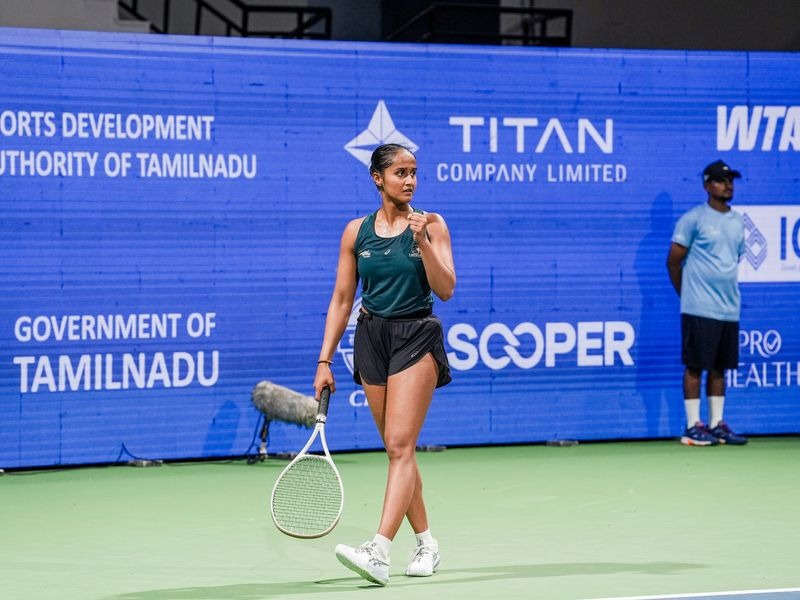
Your child may eventually move up to a 27-inch adult-length racket. A coach who has seen your child play may recommend it, and your budget and your child's early interest matter too.
One parent described a first lesson that ended with an offer to buy the racket the child had tried. The price and the family's spending limit made the choice hard.
Our daughter had her first session this evening, coach fit her for a 27”, told us we could purchase the racket she used but it was $200 (on sale). I believe it was a Wilson Blade, it was a very deep teal color. If she wasn’t just starting and I knew she was going to love it, I wouldn’t hesitate but this is day 1 and we’re just not there yet. I’m looking for something around $100 max. I am all for used options, if that’s the best route for that price point, but I know nothing about the sport, so I’m not even sure where to begin. Coach did mention something about it being one piece? TIA! Edit: She is 4’8, playing with yellow balls and is very athletic
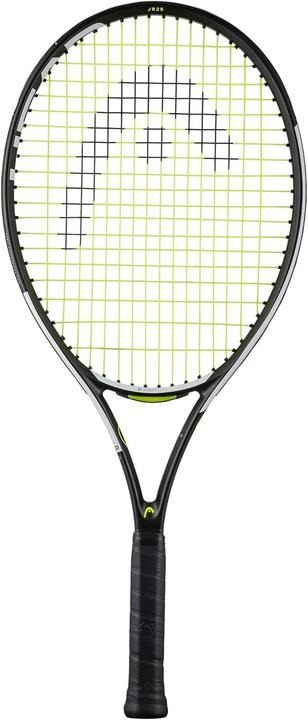
Before paying for a costly or adult-length racket, ask the coach, program or shop about a loaner, trial or return option. Compare any alternative with the racket your child already handles comfortably.
Before You Buy: A Quick Fit-and-Trial Checklist
| Decision point | What to record |
|---|---|
| Initial shortlist | One or two racket lengths |
| Standing fit | Clear of floor / touches or drags / needs another length |
| Gentle hitting | Which racket was easier to maneuver and control |
| Exact frame | Grip fit and available mass or balance specifications |
| Playing format, if relevant | Ball stage and confirmed equipment rules |
| Decision | Keep / borrow / buy / try another length / ask coach |
Keep your child's current racket if it passes the checks, and try another length if nothing handles comfortably.