
Pick a drill for one skill that fits your partner, space, equipment and time. Count one thing every session. If the drill is too hard, leaves out the decisions your goal needs, or the same mistakes keep showing up, change the drill or ask a coach, then move on to the guide for that skill.
You have half an hour on a tennis court. A friend might join you, or you might have a basket of balls to yourself. You could hit serves, rally, work on recovery steps or spend most of the booking collecting balls. Those activities solve different problems.
Start with what you want to do better. A second serve that misses its intended area needs a different exercise from a rally that ends after a few shots. If you hit comfortably during predictable feeds but hesitate when someone serves at you, the gap is the decision that follows the shot.
Find a tennis practice drill that fits your setup
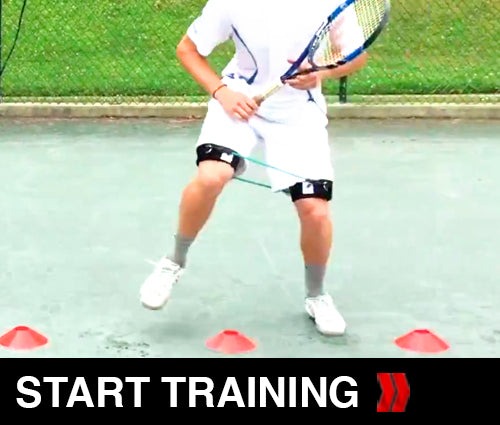
Start with what is possible today: who can hit with you, where you can practice safely and what skill you want to work on. You don't need a formal tennis rating. Knowing whether you can sustain a short rally or play points with reasonable control is enough to choose a starting task.
| Available setup | Goal | Starter drill | Observable check |
|---|---|---|---|
| Alone with balls and a service court | Serve placement | Serve toward a selected area of the correct service box | Legal serves and hits in that area |
| Alone with a practice wall | Ball control | Return balls toward a wall mark | Returns in a row |
| One partner; rallies break down quickly | Rally consistency | Cooperative mini-tennis or a manageable crosscourt exchange | Balls in a row |
| One partner; strokes are reasonably steady | Decisions during points | Serve-and-return points with a clear shot objective | Whether the intended action happens in play |
| Ball machine and a court | One repeatable groundstroke | Return similar feeds toward a chosen target | Target hits on similar feeds |
| Safe open space without a ball court | Recovery movement | Shadow movement to a contact position and back | Balanced return to a ready position |
Take a player alone on a service court whose second serve keeps missing a chosen area. A serve-placement drill fits: hit a set number of serves and count the legal ones and the hits on a smaller target. If legal serves keep missing the area, placement stays the goal. If placement feels comfortable but points are still hard, add a returner. The detailed serve-drills guide has the narrower variations.
Shadow movement is a valid choice when that is the only safe space you have. Without a ball, you can watch your movement and recovery, but it tells you nothing about racket contact or serve placement.
Pick one skill problem before you pick an exercise
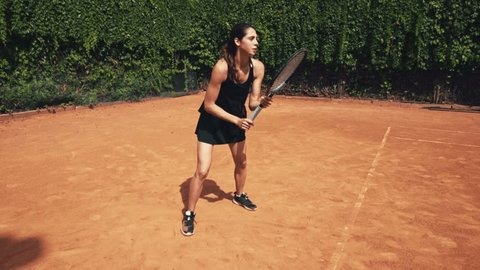
Give the session an objective you can recognize, such as placing a serve in a chosen zone, keeping a rally going or recovering before the next feed. “My forehand needs work” is too vague. “Keep a cooperative crosscourt rally going toward a chosen area” tells both players what they are doing.
Warm-ups prepare you to move and hit. Controlled skill rehearsal repeats a selected movement or target. Cooperative rallies ask two players to keep an exchange going. Scored play adds an opponent's decisions and the consequences of winning or losing a point.
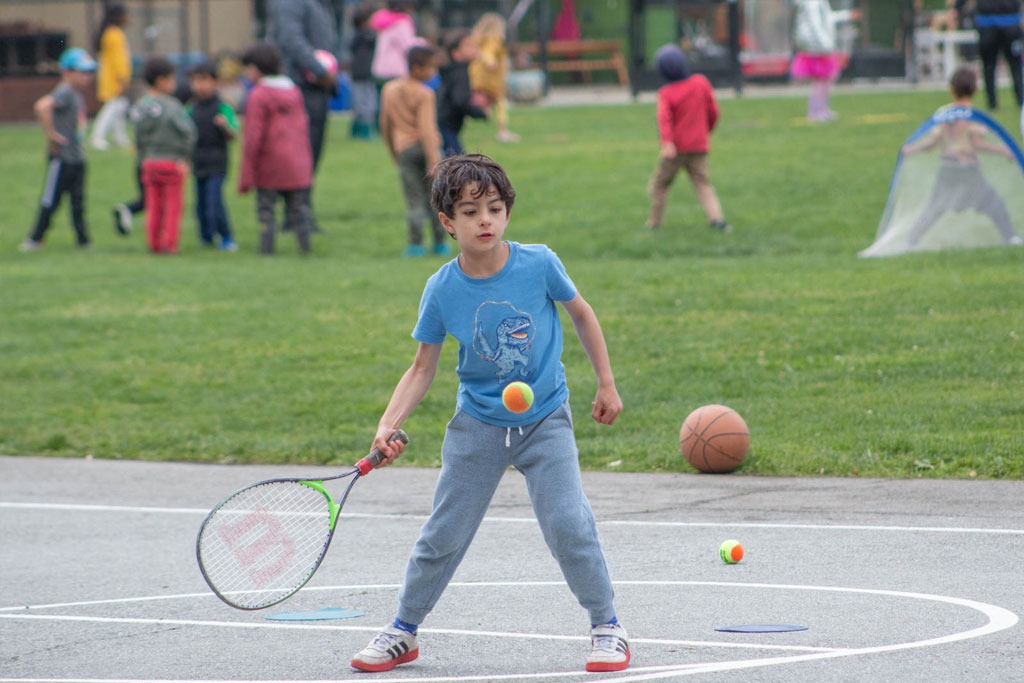
Two friends who usually rally for a while and then play a set could use a cooperative crosscourt objective in their next session. They watch whether the exchange stays under control and whether the ball reaches the agreed area. Neither has to force winners.
Match the drill to your partner, wall, court or ball machine
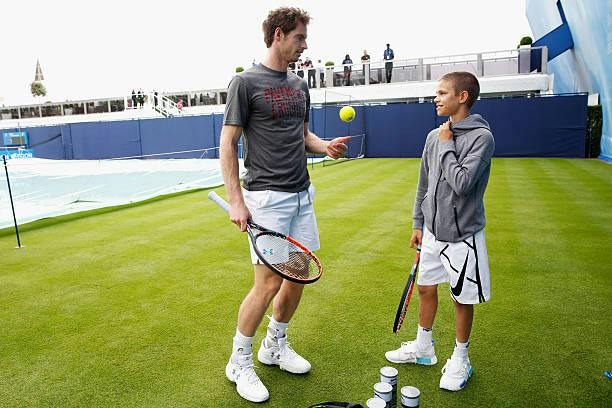
How you get the next ball decides which parts of a skill you can rehearse. In a short session, preparing equipment and gathering balls can cost as much time as the feeds themselves.
| Format | Useful for | What it leaves out or requires | Setup question |
|---|---|---|---|
| Solo court work | Serves, self-feeds and selected targets | No opponent's response to read | Do you have court access, balls and time to collect them? |
| Practice wall | Repeated contact and simple ball-control tasks | Rebound timing differs from a partner rally | Is the wall safe, accessible and permitted for tennis? |
| Ball machine | A repeatable feed for a chosen shot | Machine setup, ball pickup and few human cues | Will setup leave enough practice time? |
| Hitting partner | Cooperative exchanges, returns and live points | Needs someone available who shares the objective | Can you agree on a feed you can both handle? |
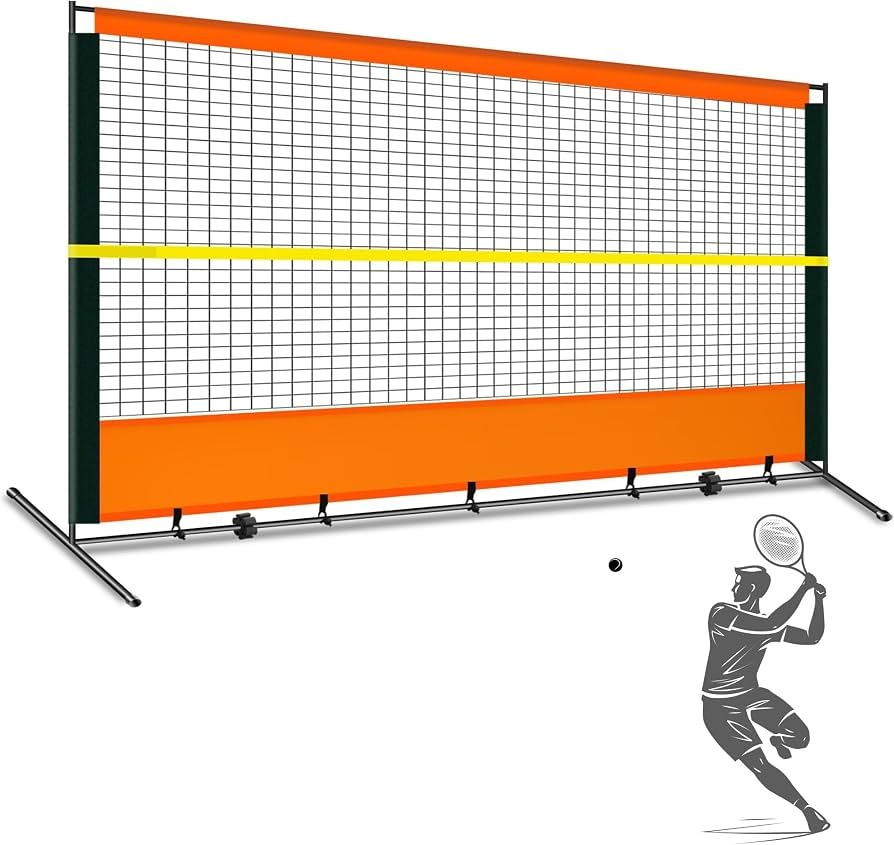
Pick the format that supplies the ball or decision you need. Check the surface and local rules for a wall or machine, and remember that neither device reproduces all the cues of a live opponent.
Try a small drill before committing to a full routine
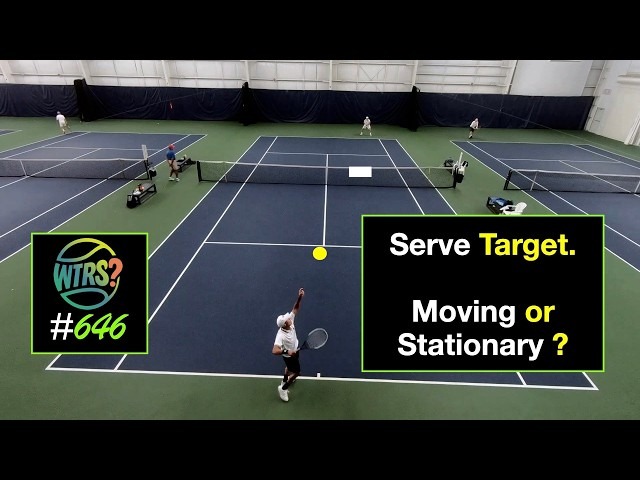
Each exercise below has a visible task and an easy way to lower the difficulty. Start at a pace and distance that let you keep your attempts under control.
- Serve placement. Goal: direct a legal serve toward a broad area within the correct service box. You need a court, balls and room to serve safely. Pick a set number of serves and hit them at controlled effort toward the area. Count legal serves separately from hits on a smaller optional target. If your serves keep missing the broad target, the drill is too hard at your level. The full progression is in Tennis Serve Drills for Consistency.
- Cooperative rally control. Goal: keep the ball in an agreed area with a partner. You need a court and someone willing to rally cooperatively. Start with mini-tennis or a short crosscourt distance and keep the ball in play, counting balls in a row. If rallies collapse right away, shorten the distance or slow the feed. The longer partner progression is in Beginner Tennis Drills for Two Players.
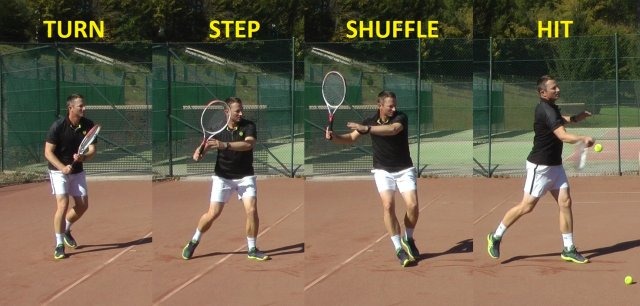
- Footwork recovery. Goal: return to a useful ready position after moving. Find clear, safe space. Move slowly toward a chosen contact position, then recover to a visible starting mark. Watch whether you get back balanced before the next movement cue. If balance or control breaks down, reduce the pace or distance. Detailed variations are in Tennis Footwork Drills.
- Wall target practice. Goal: control contact toward a visible wall area. Use a permitted practice wall and a safe hitting space. Hit slow balls toward a mark and get ready for the rebound; alternate sides only when the timing allows. Count the returns you keep under control. If the rebound feels rushed, use a slower ball or give yourself more recovery space. The detailed progression is in Tennis Wall Drills.
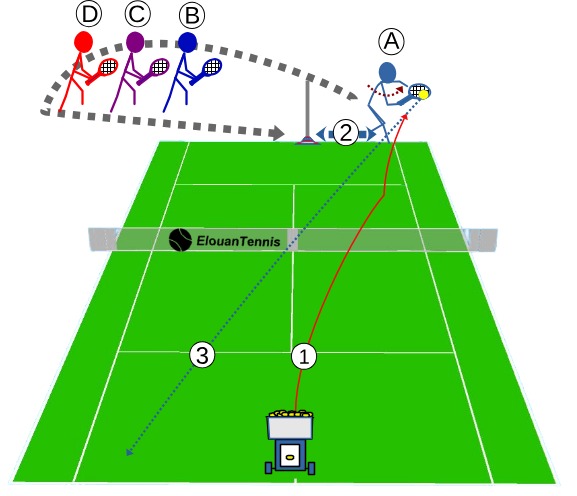
For more ways to practice aiming a serve, see the USTA's service-placement instruction.
Fit your practice into the time you have
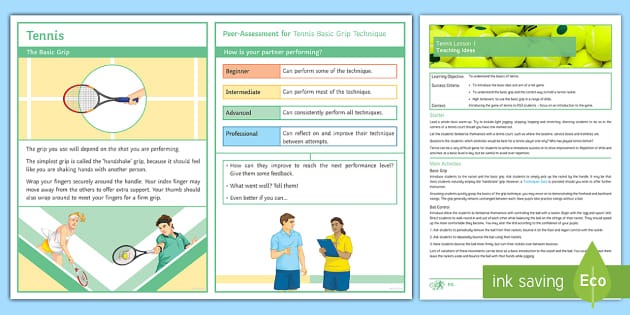
A short window needs a simple setup. With about 10 minutes, get ready to move, rehearse one manageable task and finish with a brief check.
With 20 to 30 minutes, you have room for a warm-up, one focused drill and a closing check on the same task. A rally-control session with a partner can spend most of that time on cooperative exchanges, minus interruptions and ball collection.
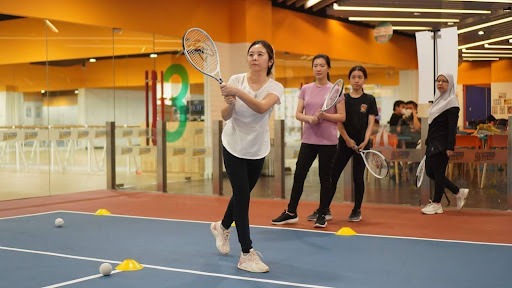
With 45 to 60 minutes or longer, add a second task after the first drill, such as cooperative direction or point play. These splits are examples; your actual split depends on ability, fatigue, access and the demands of the drill. Build in breaks when effort or concentration drops. Here is one published example:
In Jon Levey's Tennis.com partner practice plan, a 90-minute session finishes with 20 minutes of point play.
Measure whether a drill helped
Count something you can see under comparable conditions. A service-box target, a rally or a return to a ready position gives you a personal reference. Keep the target, feed and sample definition the same each time you repeat the test.
For serving, count legal serves separately from serves that land in a narrower practice zone. For rallies, the longest exchange you keep under control is easier to judge than the technique of every stroke. For recovery work, repeating a movement to the same positions shows whether you complete the sequence.
| Date and conditions | Goal | Drill and setup | Sample definition | Observed result | Next change |
|---|---|---|---|---|---|
| Date, court conditions | Serve placement | Same service-box zone | Number of attempts you choose | Legal serves, target hits | One target adjustment, if needed |
| Date, partner conditions | Rally control | Same cooperative crosscourt area | Similar rally starts | Balls in a row | Feed or distance change |
| Date, space conditions | Movement recovery | Same contact and ready-position marks | Similar movement attempts | Balanced recoveries | Pace or distance change |
A serve can land legally in the service box and still miss a smaller accuracy target. Record both counts for the same set of attempts, then compare them with a later session.
Phone video adds a different view. You may feel your stroke preparation was smooth, then see something else in the recording. A clip shows what happened, not why or what to fix.
Keep this log small: longer-term charts and trends belong in a dedicated tennis progress tracker.
Make sure practice works when points count
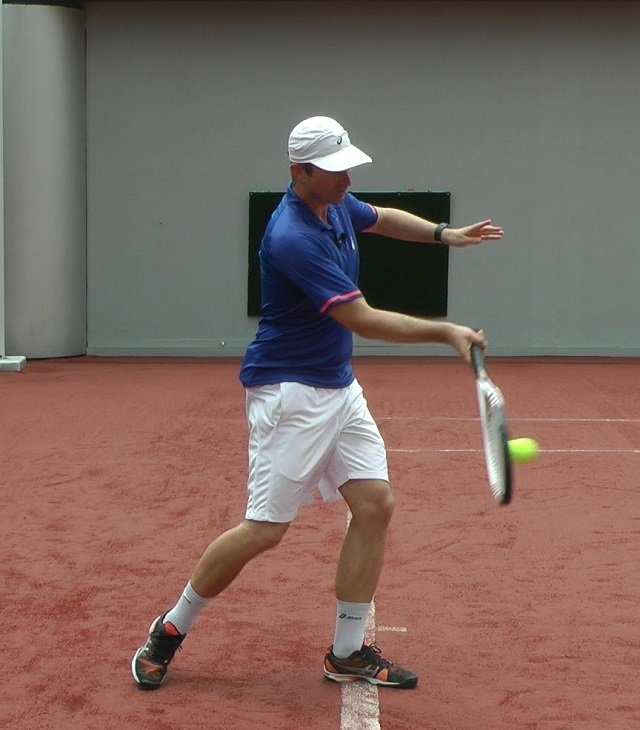
Controlled feeds and live points ask for different decisions. A familiar delivery gives you repeated chances to organize a stroke. Against a returner, you also read the ball, choose a response and recover for the next shot. Success against predictable balls does not guarantee the same result under score and opponent pressure.
Say the same player can now direct serves toward a chosen box area without an opponent, yet struggles to use that serve once the return comes back. With a willing partner and enough control to sustain the task, the next exercise is to start a point with the serve, allow the return and play out the exchange.

For variations, see the LTA's practice guidance, which includes serve-started games, second-serves-only play and a game beginning at 0–30. They add different decisions or pressure for players ready for them. If you still struggle to make clean contact, stay with a cooperative feed you can handle.
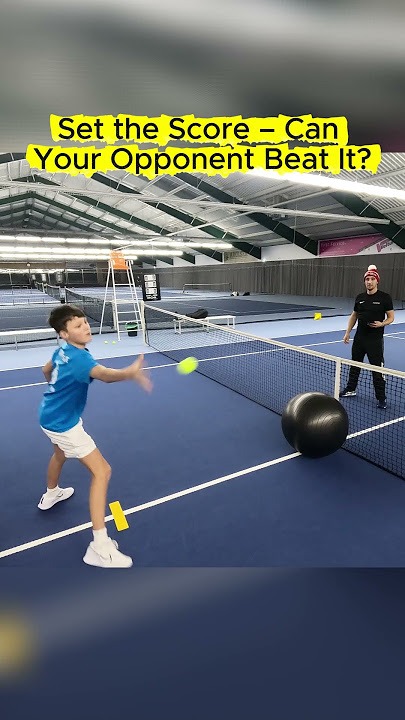
When you are ready for live play, check whether you make the intended choice during the point as well as you did in the drill.
Change the drill when it stops being useful
If predictable repetition has become comfortable but your goal involves opponent decisions, add one variable or move to a live partner task. A qualified tennis coach can help when errors persist and you can't tell what causes them.
Stop if you feel sharp or increasing pain, see marked swelling, lose range of movement or get too tired to practice safely. If symptoms last or get worse, see a professional.
Find the detailed guide for your next practice goal
| Your next task | Specialist guide |
|---|---|
| Build reliable exchanges with one other beginner | Beginner Tennis Drills for Two Players |
| Organize a full session without a partner | How to Practice Tennis Alone |
| Develop a wall-based stroke and movement progression | Tennis Wall Drills |
| Work on serve placement in greater detail | Tennis Serve Drills for Consistency |
| Practice split steps, movement and recovery repeatedly | Tennis Footwork Drills |
| Set goals for repeatable ball-machine feeds | Tennis Drills with a Ball Machine |
| Build a time-boxed routine | 30-Minute Tennis Practice Plans |
| Compare observations across many sessions | Tennis Skill Progress Tracker |
If your serve problem is stroke mechanics, you need a serve-technique explanation. If anxiety changes your choices in competition, you need a match-pressure guide.