
As an adult recreational player, measure one repeatable skill test at a time. Record successful attempts, total attempts and the conditions, then compare only sessions that used the same test. If the task or conditions change, start a new baseline. Let the result pick your focus for the next practice.
What a Tennis Progress Tracker Measures
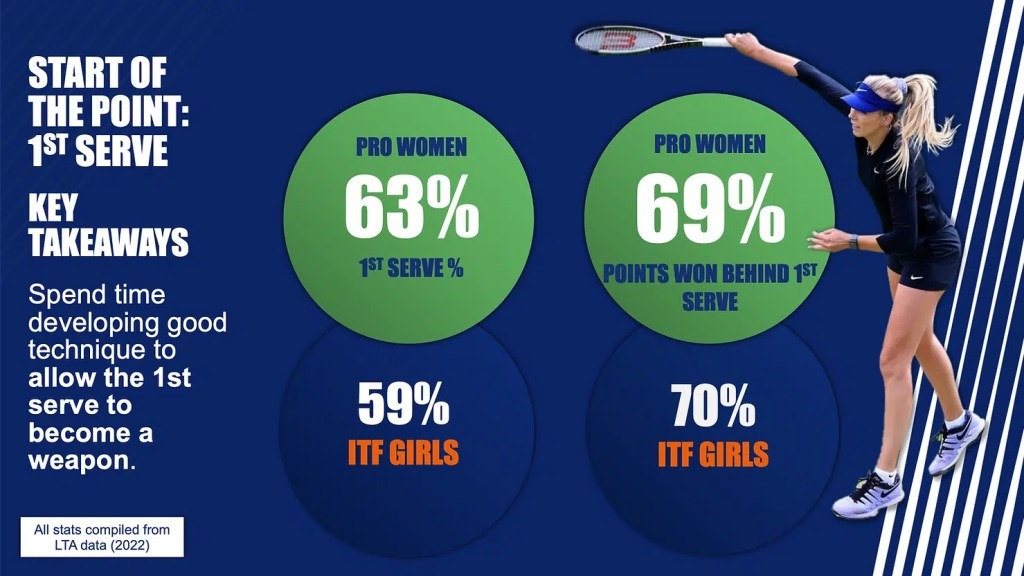
You can spend three hours on court, hit hundreds of balls, and still struggle with one question: has your second serve become more reliable?
A tennis skill progress tracker answers it by recording your performance in one repeatable task, so every number has a clear meaning.
Players often record four kinds of information:
- Training time: How long you spent practicing, taking lessons, or playing matches.
- Practice notes: What felt different and which adjustments you tried.
- Match results: How you performed against an opponent.
- Skill-test results: How consistently you completed a defined task under recorded conditions.
“Serves felt better today” is a useful note. “12 successful serves from 20 attempts into a specified target” is a measurement you can repeat.
A practice percentage covers only the task you measured. It isn't an NTRP or UTR rating, and it doesn't predict match results.
Give your goal a concrete setting: “I want to measure my second-serve consistency during basket-fed practice.” That names the skill and the situation.
Define the Test Before You Count
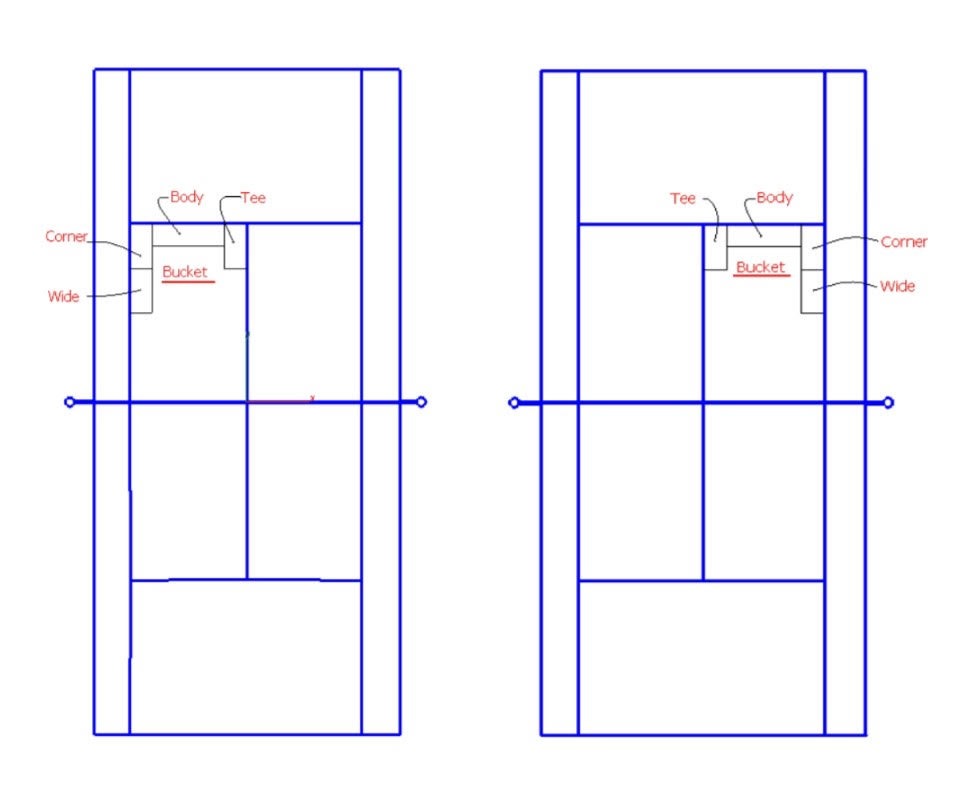
Start with a success rule another player could apply without guessing.
A serve that lands legally in the correct service box is a different task from one that must land inside a marked zone within that box. Both can be measured, but give them different test names.
The UQ Sport adult tennis assessment framework uses observable criteria, controlled exercises, and defined attempts for adult coaching-group placement. One of its assessment examples uses 20 trials. For a personal worksheet, choose a count you can repeat; that 20-trial example belongs to the Australian coaching-group protocol.
| Skill | Repeatable test | Metric | Conditions to define |
|---|---|---|---|
| Serve | Attempt legal serves into a chosen service-box target | Successful serves / attempts | Serve type, box, marked target |
| Forehand or backhand | Send similarly fed balls toward one marked area | Target hits / counted feeds | Feed source, target, starting position |
| Volley | Direct comparable feeds toward a court target | Successful volleys / counted feeds | Feed direction and target |
| Cooperative rally | Maintain a legal exchange with a partner | Consecutive legal shots | Partner, start rule, counting convention |
The rally test uses a shot count, while the other examples use an attempt-based rate. Keep their units separate.
Give each drill a test ID
For example, serve-zone-20 could mean 20 serve attempts, counting a legal serve in a particular marked area inside the correct service box as a success. serve-box-20 could mean 20 serve attempts, counting a legal serve anywhere in the correct box as a success. Every attempt counts toward the total, including faults and misses. You define these IDs yourself for your worksheet, and no official rating is attached.
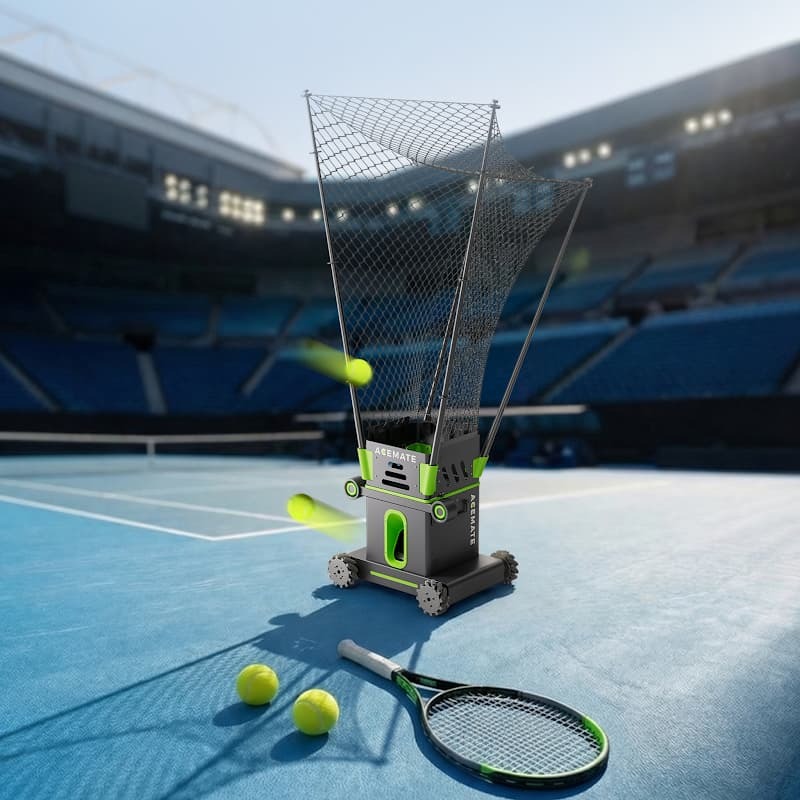
For partner-fed groundstrokes, write down whether feeds were controlled or unpredictable. For wall practice, note the distance, rebound task, and counting rule. A different partner, a faster feed, or a harder target changes the difficulty of the test.
Before the first ball, write down the test ID, success rule, metric, target, feed, and whether it's practice or a match. That's your test card, and you'll reuse it.
Keep a Baseline You Can Repeat
A baseline is the first recorded result from a defined test. One row captures it without turning practice into paperwork.
For attempt-based drills, record successful attempts and total attempts. The total must be a positive whole number, and successes must be a whole number from zero to that total. A note like “14 good forehands” gives you no success rate until you know how many feeds were counted.
For a rally-length test, write a count with its unit, such as consecutive legal shots, and leave the attempt columns empty.
Copyable tennis practice worksheet
Use the blank rows in a notebook or copy the column headings into a spreadsheet. Keep the test definition next to your entries so the ID stays meaningful.
| Date | Skill and test ID | Success rule | Successes | Attempts | Rate or count | Conditions / context | Comparison status | Next focus |
|---|---|---|---|---|---|---|---|---|
| _____ | _____ | _____ | _____ | _____ | _____ | _____ | _____ | _____ |
| _____ | _____ | _____ | _____ | _____ | _____ | _____ | _____ | _____ |
| _____ | _____ | _____ | _____ | _____ | _____ | _____ | _____ | _____ |
The conditions cell might say “basket-fed, marked zone, practice” or “partner rally, controlled feeds, same counting rule.” A short note such as “contact felt late” fits there too.
In a post about developing a tennis tracking app, one player described why casual notes had stopped being useful:
I’ve been playing tennis at a high junior level for years, and honestly, I’ve always struggled to really track my progress and know if I’m improving. I’d try to keep notes in random apps or just rely on memory, but it never stuck. I found it tough to figure out exactly what to work on, and staying accountable to my training goals was even harder—especially when it came to actually setting up hitting sessions with other players.
The writer was pitching an app, but the problem is familiar: scattered notes make it hard to see what to work on next.
The USTA Player Development Journal includes pre-practice goals and post-practice evaluation worksheets on pages 14 through 43. It's a good model for pairing a short plan with a later review.
Fill in one baseline row after your first defined test. The date, metric, and conditions give your next result something to be measured against.
Decide Whether Two Sessions Are Comparable
Before reading anything into a higher percentage, check that both sessions measured the same task at a similar difficulty.
For an attempt-based test, the success rate is successful attempts ÷ total attempts × 100, as long as the total is above zero. Six successes from ten attempts and twelve from twenty both give 60%, though the second rests on more trials.
A difference between two results is an observation. Repeated comparable results show more about whether a change lasts. No universal statistical threshold applies to a personal tracker like this.
| Comparison status | Condition | Interpretation |
|---|---|---|
| Comparable | Same test definition and nearly identical conditions | Compare the recorded outcomes |
| Uncertain | Relevant context is missing or may have changed | Keep both results and don't claim a before-and-after change |
| Not comparable | Target, feed, task, or playing context changed in a meaningful way | Keep the earlier results and start a separately named series with its own baseline |
If a partner feeds faster, less predictable forehands, the same target gets harder to hit. Switching from a marked serve zone to the whole legal service box changes the success rule, even with the same number of serves.
Let the Result Choose Your Next Drill
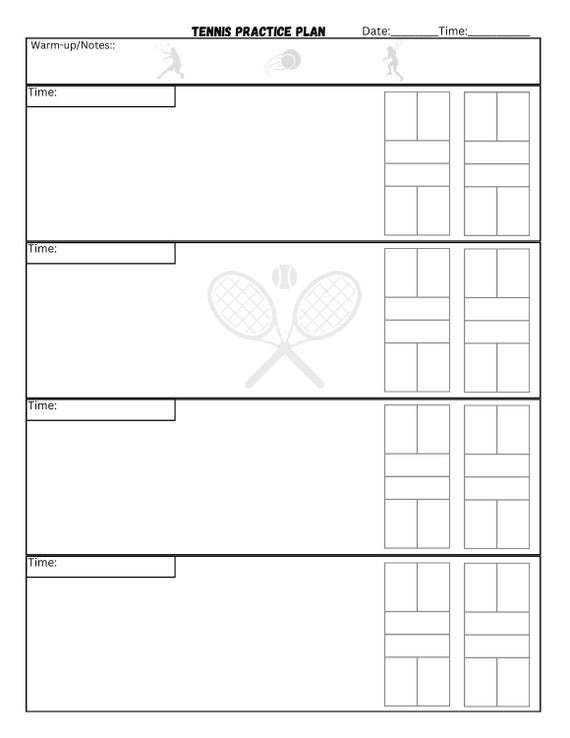
Choose a drill that targets the outcome you recorded, then repeat the same test to check it.
Say your marked-zone serve test gives you 12 successes from 20 tries and you want more consistency at that target. Hit repeated legal serves at the same zone, then retest under comparable conditions. If the misses persist, a coach can help examine possible technical causes.
Three results call for different decisions:
- The defined task remains difficult: Work on its basic requirement, such as reliably landing legal second serves in the box, before narrowing the target.
- Several comparable tests improve: Move to a more demanding target or feed, give it a new test ID, and keep the earlier series for comparison within its original conditions.
- Results are inconsistent or context is missing: Repeat the original protocol and keep the target and feed steady so the next result is easier to read.
A player whose basket-fed forehands land consistently but whose live-rally forehands break down should treat the live exchange as a separate task. That needs a different test, with the controlled-feed record left intact.
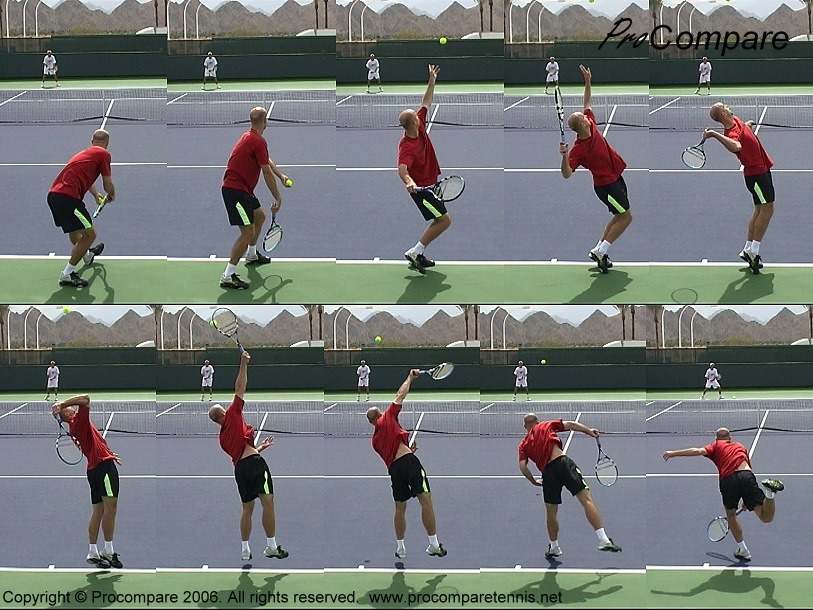
Training alone, you can use wall or solo exercises as repeatable tasks. With a coach, use their feedback to choose a technical focus. Write just one next-session drill in the worksheet's final field so you can act on it.
Keep Practice and Match Records Separate
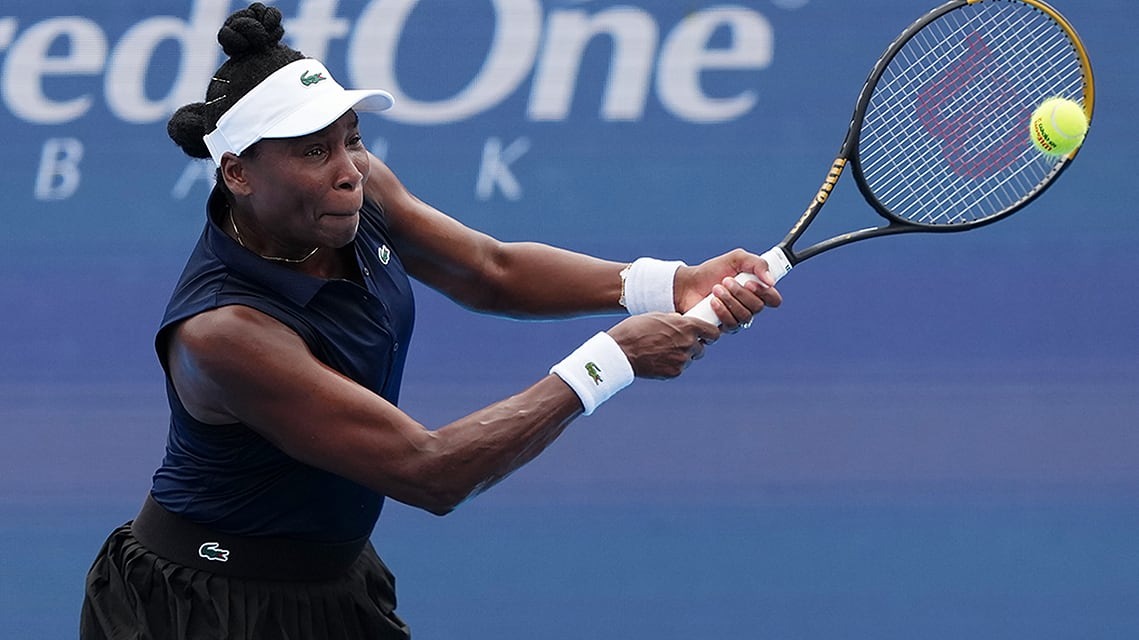
A controlled practice drill measures a defined repetition. A match adds decisions, an opponent, variable balls, and pressure.
That's why you can win with conservative tactics while struggling with a stroke you're developing, or execute part of a new technical goal in a match you lose.
UQ Sport's adult coaching-group framework combines standardized skill drills, controlled feeds, and structured competitive scenarios, and match results alone don't determine placement in that program.

Log the two separately. A practice test is a controlled drill with defined attempts and a consistent success rule. A match observation is a separate outcome from competitive play, with its own conditions.
To track practice-to-match transfer, count a defined serving outcome during a match and file it under the match context, noting the opponent and point conditions where they affect the result.
Choose Paper, Spreadsheet, or Occasional Video
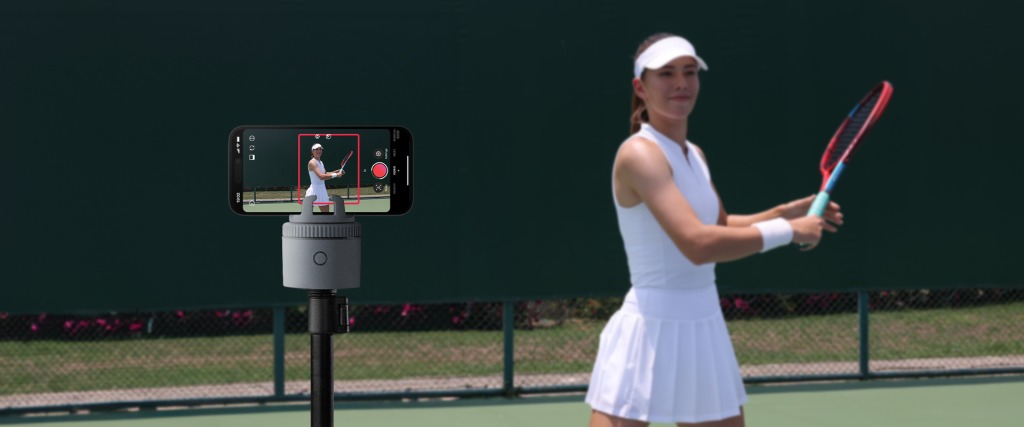
You can track a defined skill without buying an app or filming every session. Match the format to the detail you'll actually use.
A notebook is quick to fill in courtside, with arithmetic and comparisons done by hand. A spreadsheet sorts by date and test ID and calculates percentages from your counts. Video lets you revisit your stroke but adds recording, storage, and processing work.
A player writing about a year of SwingVision Pro use described the processing burden they encountered:
No local processing of video files outside of the phone. I understand there are major differences in architecture between mobile CPUs and desktop ones, but not being able to use SwingVision with a powerful desktop CPU is short-sighted. This feature could be especially useful for coaches and players who take a lot of video and simply cannot subject their phone to being tied up during processing. A 60-minute match can take as long as 45 minutes to fully process, and minimizing the app can cause SwingVision to shut down without warning.
That's one player's experience with the product at the time, and it shows a trade-off: more recording detail costs more time and device space.
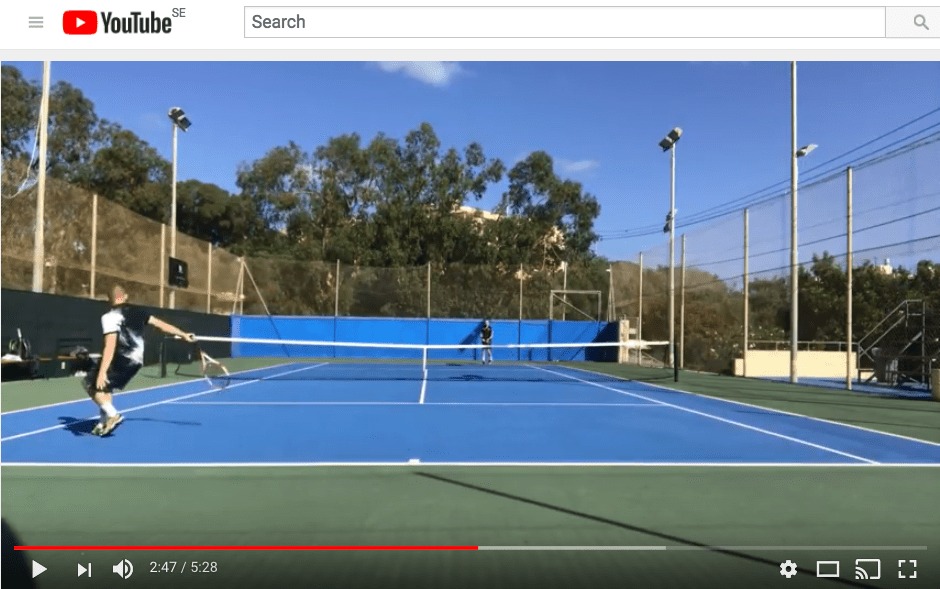
Occasional footage can show where your forehand contacts the ball or what your serve motion looks like, which makes it a useful reference for technical discussion.
On a shared court, check the facility's rules and get consent before filming or sharing identifiable footage of other people. Know where the recording is stored and who can access it.
Use a notebook or spreadsheet for simple skill tests. Add video only when you have a specific visual question worth the extra effort.
Work Through a Three-Session Tracker Example
Here is a fictional series showing why a higher score can be meaningful for one comparison and unsuitable for the next.
In sessions one and two, a player makes 20 serve attempts toward the same marked zone inside the correct service box, and a serve counts only if it lands in that zone. In the third session, any legal serve landing anywhere in the correct service box counts, which makes the target easier.
| Session | Test ID | Successful | Attempts | Rate | Target | Comparison |
|---|---|---|---|---|---|---|
| Baseline | serve-zone-20 | 12 | 20 | 60% | Marked zone inside service box | Starting observation |
| Retest | serve-zone-20 | 15 | 20 | 75% | Same marked zone | Comparable |
| Changed test | serve-box-20 | 16 | 20 | 80% | Entire correct service box | New baseline |
Between the two comparable sessions, success rose from 60% to 75%, a gain of 15 percentage points.
The 80% result starts a new series because the success area changed. All three numbers stay useful as long as each keeps its test definition.
For your own entries, the blank practice worksheet gives you the fields, and the comparison rule tells you whether a later result belongs in the same series.
When to Retest a Tennis Skill
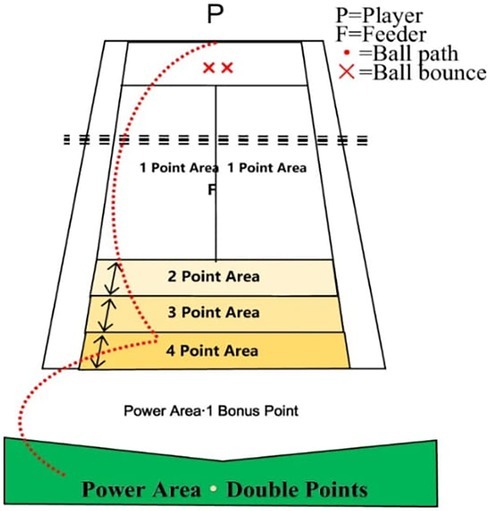
No fixed retest interval exists for this personal worksheet. Retest at a regular practice slot where you can recreate the test conditions, and judge an unusually good or bad day against further comparable results.