
Start with the lowest-commitment option that fits your level, your schedule, and the players you can reach. New to tennis? Join a true-beginner clinic or a social session. Already have a partner at your level? Book a court and hit. Ready for organized matches and meet the entry rules? Try a flex league, a USTA team league, or a tournament. Before you commit, check the required skill level, how partners are matched, the full cost, and the date of the next session.
Which kind of recreational tennis fits what you want?
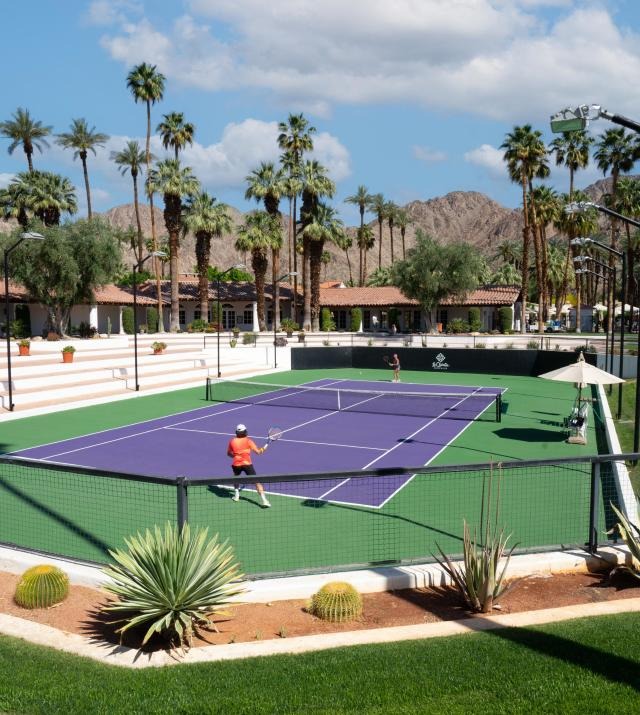
Recreational tennis can mean a rally with a friend, a weekly group lesson, a social doubles session, or a season of competitive matches. Decide what you want your next hour on court to look like, then narrow the options by your ability, your access to partners, and the time you can give.
| Playing option | Good fit when | What to check | Main trade-off |
|---|---|---|---|
| Casual hitting on public courts | You have a partner at your level and want flexible, informal play. | Court access, reservations, hours. | You line up the court and the partner yourself. |
| Introductory group clinic | You're learning the basics and want coaching with other adults. | Entry level, group size, what instruction is included. | You share the coach with the group. |
| Drop-in social tennis or round robin | You want to meet players in organized casual play. | Level requirements, partner rotation, sign-up. | Each organizer sets its own schedule and format. |
| Club access and activities | Regular court access or organized club activities fit your schedule. | Membership terms, bookings, active sessions. | Ongoing dues can cost more than the court time you use. |
| Flex league, including UTR Flex or USTA Flex | You want arranged competitive matches with a flexible schedule. | Local event, eligibility, opponent coordination, travel. | Players coordinate match logistics themselves. |
| USTA team league | You want team competition across a season. | NTRP, team place, division, league calendar. | More structure and stricter entry requirements. |
| Adult tournament | You want a defined competitive event. | Eligibility, format, entry deadline, travel. | All the play and scheduling happens in one event. |
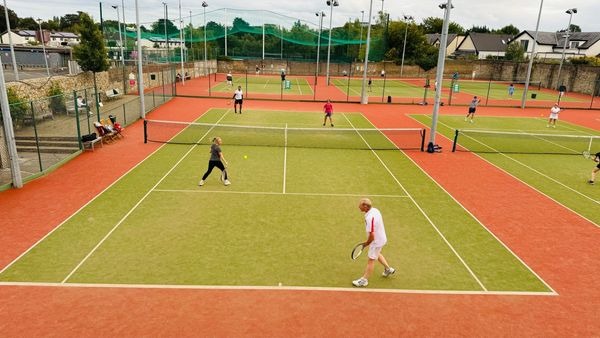
A club sells membership and court access, and it can host clinics, social sessions, and leagues. Those formats also run at public facilities and other venues, so compare what a fee buys with what you will do on court.
Already have someone who likes to hit at your pace? Casual court time covers the whole goal. New to town and want to meet people? Try a social session or a group class.
Starting from zero: how to get on court without joining a league
You can start learning before you can serve consistently, keep score, or enter a league. If you've never played, an introductory adult class teaches the basics. If you're returning, a refresher fits better.
A new player describes starting from zero:
I’ve recently gotten really interested in tennis and I want to actually learn how to play, but I’m starting completely from zero. I didn’t grow up playing, don’t really know proper technique, scoring, or strategy — just a fan who wants to get on the court and learn. I’m an adult and not trying to go pro or anything, just want to learn the fundamentals the right way and get decent enough to rally and play casual matches with friends. I want to make it a fun long-term hobby (and maybe a good workout) I’m a bit overwhelmed with where to start. Should I take lessons right away or try YouTube first?
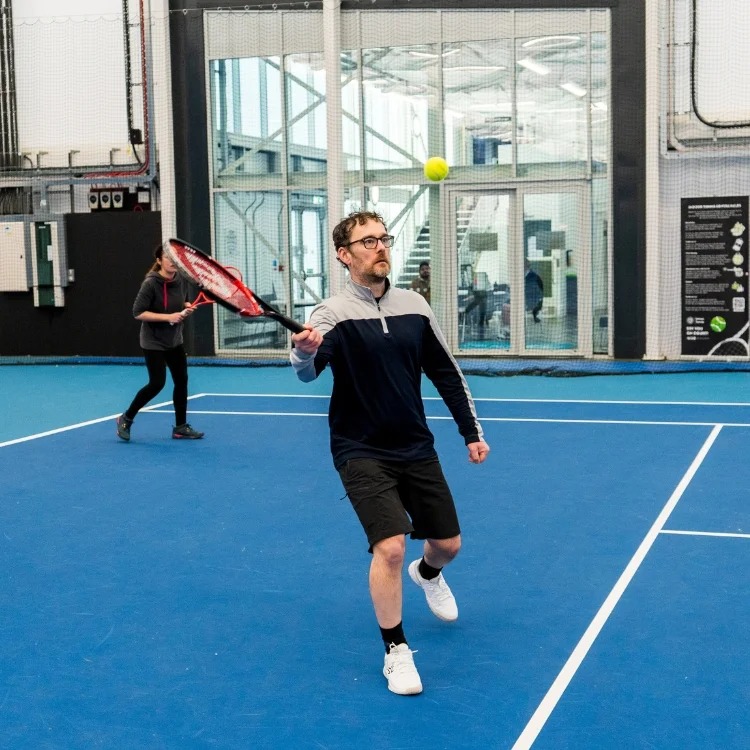
A group clinic gives a complete newcomer stroke demonstrations, feedback on ball contact, introductory drills, and a chance to meet other learners. Videos help with tennis terms before class, but you don't need to watch them first.
If you already have a partner who rallies at your level, a relaxed hit works as a first session too, with no score kept.
If you're coming back after years away, you may remember the strokes but need practice with movement and timing. A refresher session or a group with players at your level fits better than a class on holding a racket for the first time.
For the mechanics of a first rally, serving, and keeping score, see how to start playing tennis.
Check the true level before you sign up for a “beginner” clinic
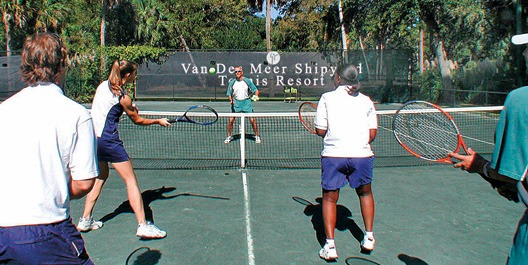
The word beginner can mean a never-played adult, someone who has hit casually, or a player returning after a long break. Ask what the instructor expects people to do in the session before you enroll.
One adult joined what the listing called an adult beginner clinic:
I'm currently about halfway through a group USTA apprenticeship program. There's 8 of us. I am quite clearly the worst of the bunch. In my defense, it was labeled an "adult beginner's" clinic and all of the descriptions seemed fitting for me, a 25 year old who has never picked up a tennis racket. To my surprise, everyone else in the clinic HAS played tennis before. Some of them have been playing with friends for a year or two, some have been through the training before, and some of them even used to be very good league players before taking a break and needing a refresher.
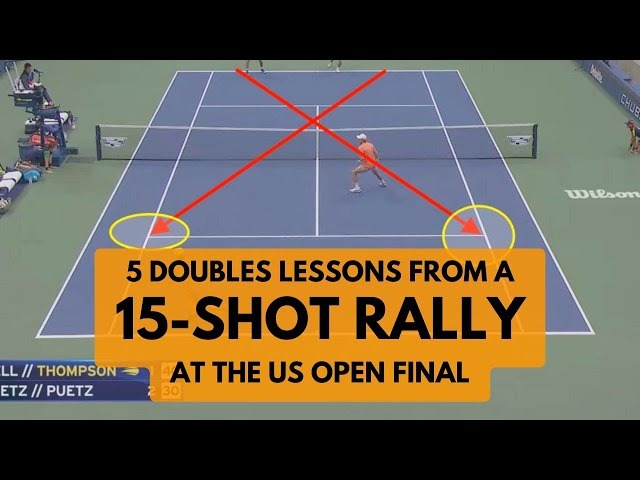
Later in that post, the player describes struggling in doubles match play and feeling that teammates were frustrated.
Six questions that reveal the class level
- First-timers: Does the course welcome adults who have never held a racket?
- Skills expected: Do players need to serve, rally, or keep score from the start?
- Who attends: Is the group mostly first-timers, returning players, or a mix?
- Teaching order: Do basic drills come before scored games and doubles?
- Feedback: How big is the group, and what does the coach do for someone who falls behind?
- Solo or pair: Can you sign up alone, or do you need a partner?
Picture two classes, both labeled adult beginner. One teaches racket control and simple rallies. The other starts with serves and scored doubles. If you haven't learned those skills yet, an introductory first-timer group is the better choice.
Find people to play with beyond court access
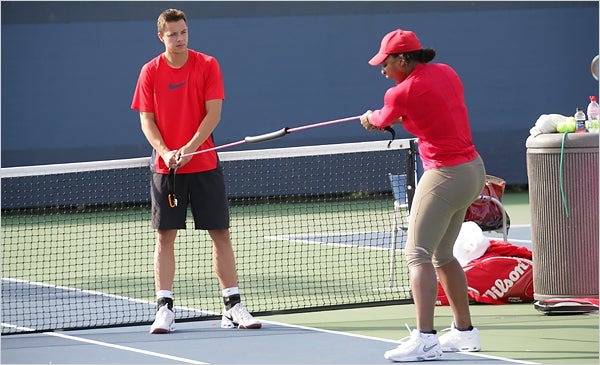
An empty court gives you somewhere to play, but regular rallies need a partner. A clinic or social organizer can introduce you to players, and a club may run mixers, round robins, or member groups on top of court booking. For ongoing matches, ask how introductions and repeat play work, or see ways to find a tennis hitting partner near your level.
Compare time and cost across classes, clubs, and flexible matches

Group classes share coaching, private lessons give individual attention, and flex play leaves scheduling and travel to the participants.
A player three weeks into a USTA beginner clinic asks what comes next:
I’m at 29 y/o male who just started a beginners clinic through USTA with my partner 3 weeks ago. I am absolutely obsessed ! We’ve been practicing about 3x a week for 1.5hrs each session. Here’s my question: what steps should I be taking right now if I really want to get good at this and start devoting time ? Should I seek out a private coach to start working with me? Do I join a tennis club in my city and start attending some of the sessions they offer ?

| Arrangement | What the payment may cover | Additional commitments to compare |
|---|---|---|
| Group clinic | Shared instruction, organized sessions | Course or session fee, fixed schedule, make-up rules |
| Private lesson | Individual coaching and feedback | Lesson charge, possible court fee, instructor availability |
| Tennis club | Court access and, where offered, organized programs | Joining fee, dues, bookings, group fees, guest terms |
| Flex league | Entry into an organized match event | Entry costs where they apply, coordination, travel, match period |
| Casual hitting | Court access when charges apply | Reservation rules, travel, your partner's schedule |
A cheaper session doesn't help if your work hours rule it out. An indoor club suits you when its playing hours fit your week, but recurring dues are hard to justify if the sessions you can attend are rare.
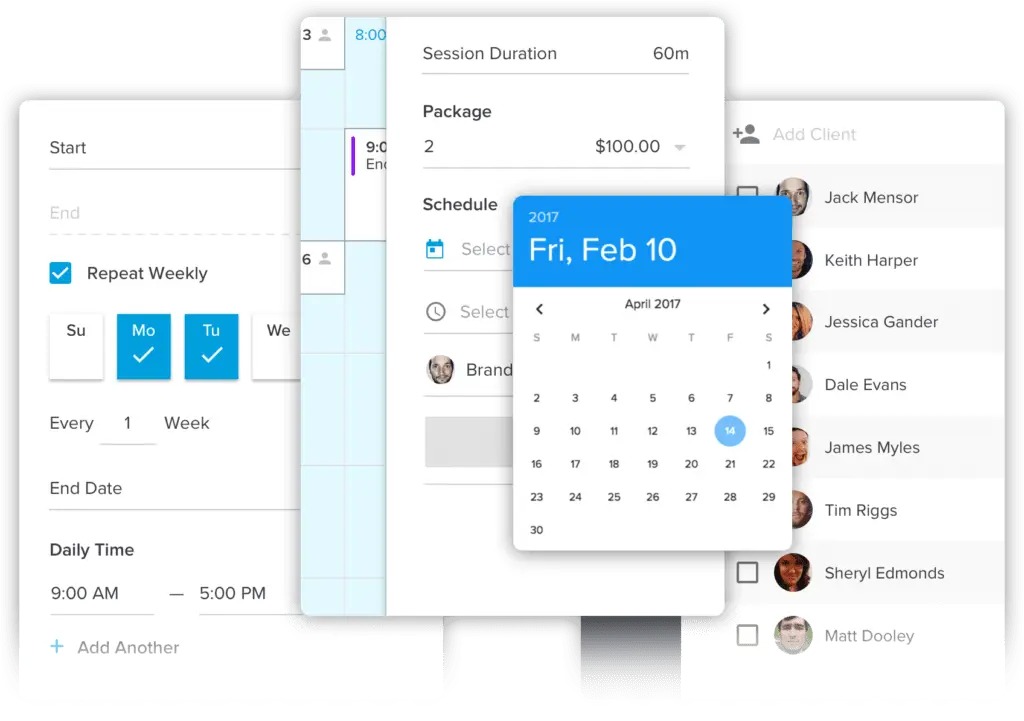
Put two local offers side by side and compare joining and repeat charges, instruction and court fees, guest and cancellation terms, travel time, and the sessions you can use.
If coaching is the decision, compare private lessons with group tennis clinics. The UTR Flex League information explains how one provider runs flexible matches.
When do you need a tennis rating, a membership, or a team?

A casual rally on an open court needs no competitive rating. Ratings, memberships, team places, and event registration matter once you choose organized competition with eligibility rules.
USTA League uses the National Tennis Rating Program (NTRP) to group players by level. New players entering certain league formats can self-rate. The national adult materials list divisions including 18 & over, 40 & over, and 55 & over.
Entry to an adult team league takes more than a rating.
You need a division and a place on a team, or a route to placement. The USTA League overview lays out the team-play framework. For NTRP self-rating, see the separate guide. Joining a team follows its own registration route.

UTR Sports uses its UTR rating for level-based play in its flex events. USTA Flex is a separate flexible-play offering with its own events. You can explore the USTA Flex app without a paid USTA membership, though some activities carry charges. Neither is part of the traditional USTA team-league season.
For a closer comparison, see how UTR and NTRP ratings differ. If one organized event interests you, use the first adult tournament checklist.
In Florida, USTA social-league programs include formats that welcome players without a rating.
Find a court or program near you
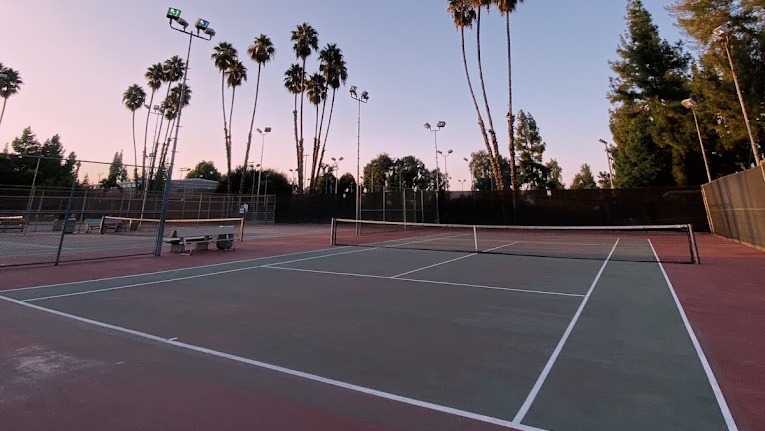
Pick the search that matches what you want: an organized activity, a tennis facility, or a place in a USTA team league.
For an organized clinic or social session
The USTA Program Finder searches by location, level, program type, and timing. Enter your city or ZIP code to narrow the results to a format and travel area you can manage.
For a court
The USTA Facility Finder locates courts by public or private access, court surface, and indoor options.
For USTA team competition
Start with USTA's league-finding and team-registration process, which includes coordinator assistance where needed. The USTA League joining guide explains it.
For flex leagues or nearby players
In the USTA Flex app, use the find-a-player feature or search by city or ZIP code for local flex leagues, social events, or players. For UTR Flex, use UTR Sports' location-based league listings to find an event and its entry details.
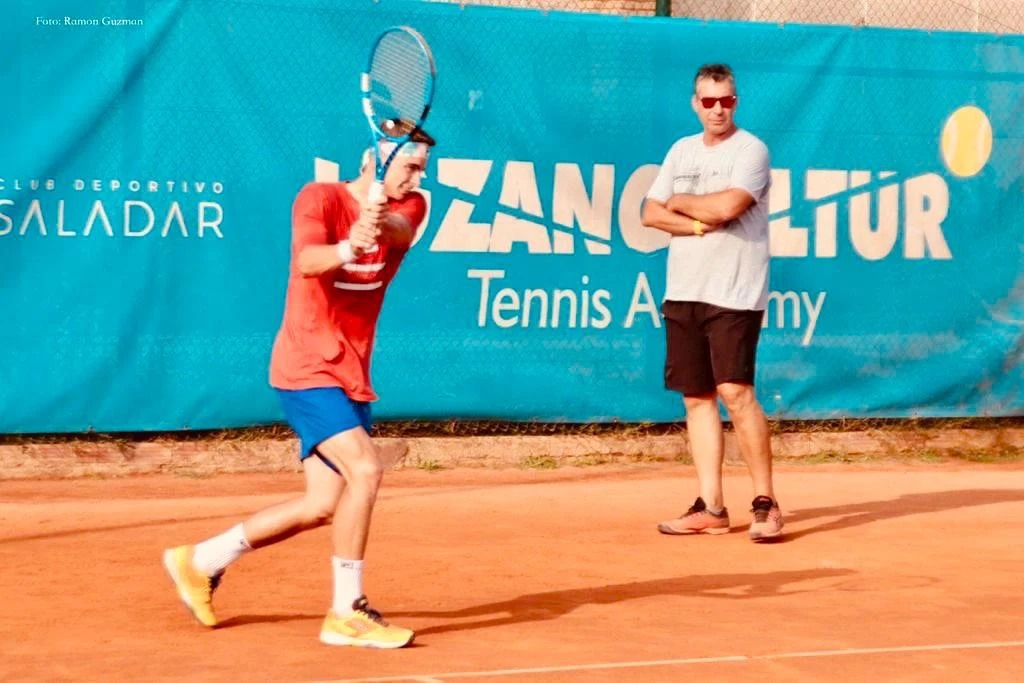
Turn a listing into court time
- Pick a listing. Choose one that fits your format and travel needs.
- Confirm the details. Note the organizer, address, session time, and booking process. Ask whether there is space, what it costs, how court access works, and what the cancellation or weather terms are.
- Ask about accommodations if you need them. USTA adult programs include wheelchair and adaptive tennis; ask the venue or program about its facilities.
- Book or arrange the match. Keep the confirmation or the organizer's reply showing when and where you'll play.
If nothing fits, try a nearby area or another format that serves the same goal. A local USTA section or facility contact can point you to programs missing from your results. For court access, see court access and reservation guidance.