
To find a reliable tennis hitting partner, start where people actually play: USTA Flex, a clinic, a ladder or a community tennis group. Match goals, level, schedule and court access. If that turns up nobody, try another place. Then send a specific invitation with two possible times.
Where to find tennis hitting partners near you

The first place to look depends on where people play in your area and whether you can get court time.
| Your situation | Where to start | What to look for |
|---|---|---|
| New to tennis or returning after a break | Beginner clinic, group lesson or social tennis session | Players at your level and a chance to meet after play |
| Comfortable rallying and seeking a one-on-one hit | USTA Flex or a local player-finder platform | People who reply and have matching schedules |
| Already connected to a club | Member clinics, group chats or round robins | Regular activities and introductions through staff |
| Few players nearby | Regional groups, park programs or neighboring communities | Travel you can manage and open court space |
| Seeking competitive practice sets | Local ladders, flex leagues or familiar match opponents | Your level, the match format and how matches get arranged |
| Trying to limit costs | Public-court groups or city and county recreation programs | Court access, registration requirements and any session fees |
Organized sessions work best when you have no tennis contacts yet.
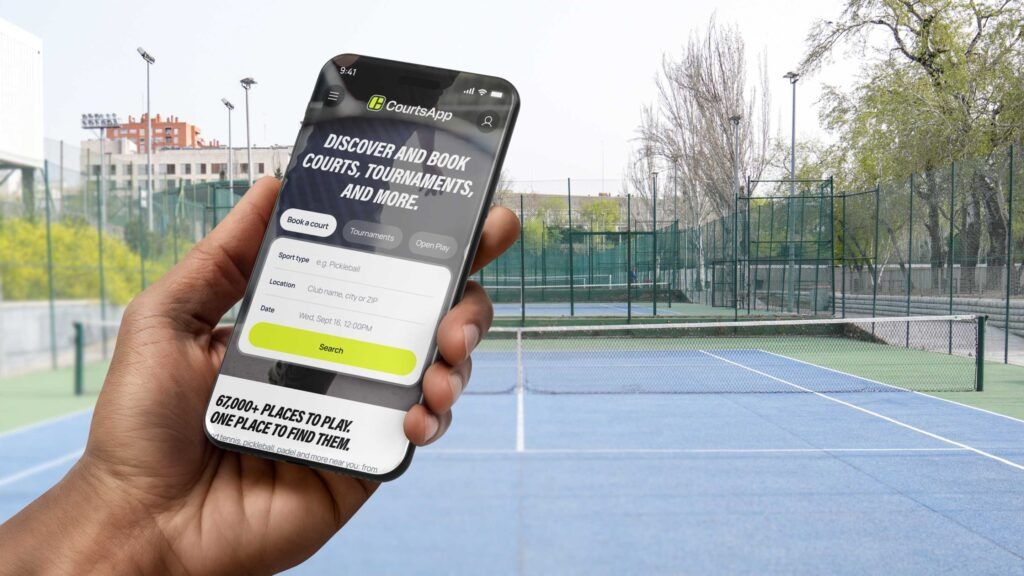
USTA Flex describes a Find-a-Player feature using location, player level and availability. In the app, search by city or ZIP code for nearby players or activities. You can message a player through the app or check the registration details for an organized event. USTA says you can start exploring without paid membership, though some activities charge fees.
The USTA Adult Tennis program offers other ways into social play and organized activities. Group clinics and local ladders give people a reason to meet and play. If you belong to a club, ask an instructor or the tennis desk which adult group meets at your level and whether anyone wants an extra practice hit.
For a looser search, check your city or county parks and recreation calendar for adult clinics, open-play sessions and other public-court programs. Neighborhood groups, public-court gatherings and services such as Tennis Round or Let's Play Tennis are other options. Look for an upcoming session, a contact or a recently active group before you spend time or money on another platform. A nationwide listing doesn't mean a given ZIP code has active players.

How many players you find depends a lot on where you live.
I have been getting back into tennis since covid (former mediocre high school player) and I've exclusively played in public tennis courts in the US. My experience has varied a ton! I currently live in NYC and have never experienced this much competition to play tennis in my life. Its simultaneously really annoying and frustrating but also heartwarming to see how many people love the game. When I was in upstate NY i had the opposite problem, very little public court usage and a real dearth of hitting partners.
You can also ask players at a public court about nearby sessions once they finish. Wait for a break, ask whether a group welcomes extra players, and make it easy to say no. If you've never played, the getting started with tennis guide can help you pick a beginner session.
Choose a partner who wants the same kind of tennis
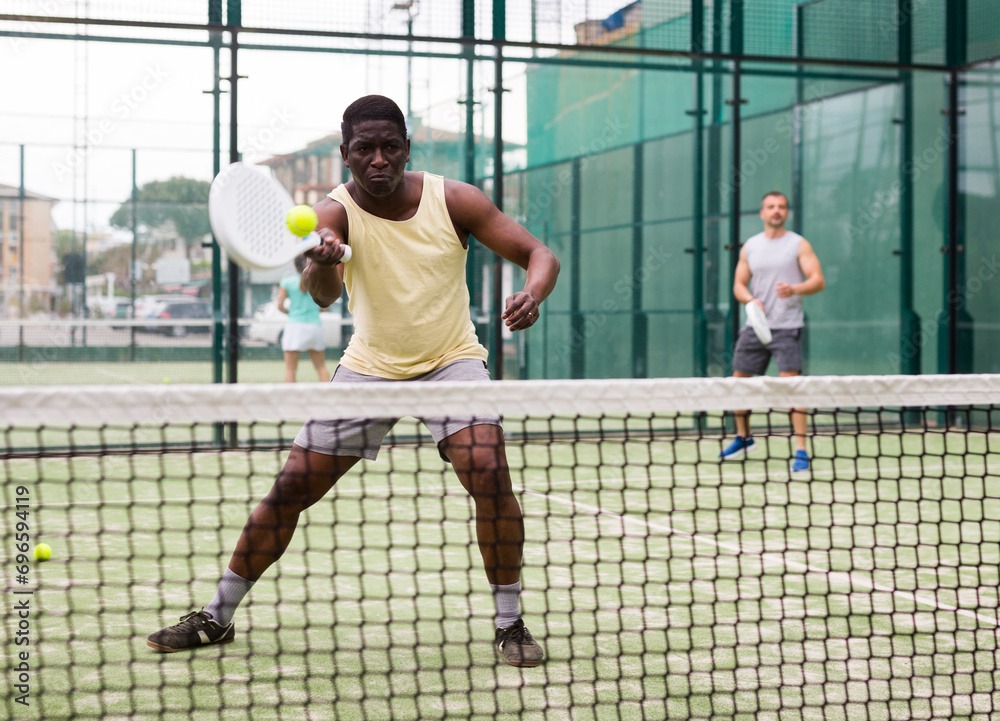
Two players of similar ability can still have a bad afternoon if one wants steady, cooperative rallies and the other expects competitive singles sets.
Settle these five things before you make plans:
- Purpose: Are you rallying, drilling a shot, practicing doubles, playing points or keeping score in a set?
- Level: Can you both handle the intended format? A cooperative rally asks less than a hard-fought match.
- Style: Would you both enjoy the pace, consistency and kind of ball you expect?
- Schedule and location: Do your free times overlap, and is the travel manageable?
- Cost: Are you both fine with any court, program or session charges?
If you have an official National Tennis Rating Program (NTRP) rating, use it to describe your level. If you're guessing, say so and describe what you can do on court: sustain a short rally, serve well enough to play points or complete a recreational set. The NTRP tennis levels guide explains the rating categories.
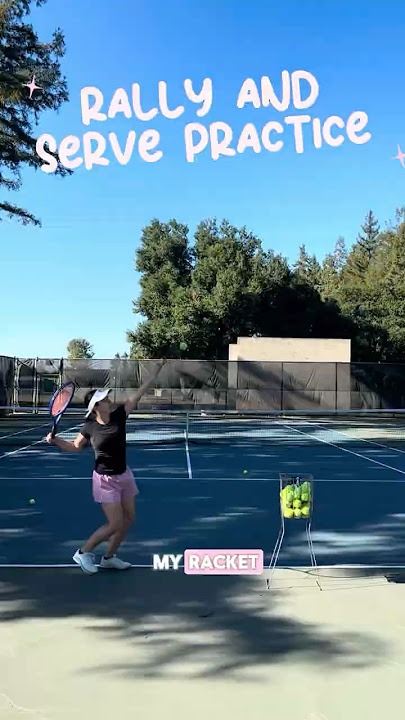
A rating gives context, but a shared practice goal tells you what the session will feel like. A stronger player may happily feed steady balls to someone working on groundstrokes and still have no interest in a full competitive set against that person. Neither preference needs an apology.
Send a first message that makes it easy to answer
“Anyone want to play tennis?” leaves out your level, location, schedule and playing goal. Give those details up front so the other person can decide without a long exchange.
A beginner who had taken lessons described getting few replies in a local Facebook group:
After some lessons and practice myself watching youtube videos, I think I am around 2.5~3.0 right now. I am trying to find hitting partners and play some matches weekly. Curious how people here find tennis hitting partners these days. I found it's so hard and most people don't like to play with lower level players? I’ve tried reaching out to people in local Facebook but the response rate is pretty low. What’s been working for you? Any particular app, website, or local community that helps you find partners? Do you find those tools effective? Wondering why there's no good tools for this, or I just haven't found one yet.
Silence often comes from an inactive account, bad timing or a poor fit as much as from playing level.
Hi! I'm getting back into tennis and estimate my level at about 2.5 to 3.0. I'm looking for about 45 to 60 minutes of relaxed rallying, with maybe a few points at the end. I'm available Wednesday after 6 or Saturday morning around the north side of town. Would either time work for you?
Use the message as a pattern, with your real times and the kind of hit you want. If you want practice sets, say so. If you want relaxed rallies, say that. A general neighborhood or court area lets the other person judge the travel.
Make first contact through the platform or group where you found the player. If nobody replies, one follow-up is enough. Then move on.
Confirm the first hit: court, time, costs and safety
Agree on the following before either of you travels:
- Time: Start time, duration and any travel complications.
- Venue: Facility name, court location and how you'll find each other.
- Access: Whether a reservation, permit or check-in is needed, and who handles it.
- Format: Rallying, drills, points, doubles or a scored set.
- Equipment: Who brings balls and any shared practice gear.
- Cost: Court or program fees and how you'll split them.
- Changes: How to report weather problems, closures, lateness or cancellation.
Reservation rules and charges depend on the facility, so check its requirements and decide which player books. If you still need a venue, see the guide to finding public tennis courts.
For a first meeting with someone you don't know, pick a public or staffed tennis facility during operating hours. Share only the contact details you need for coordination. Keep phone numbers out of public posts, and keep your private address and routines to yourself. You can decline or end a meeting if anything feels uncomfortable.
“Saturday at 9 at the public courts beside the recreation center. I've reserved one court for an hour, I'll bring balls, and we'll start with rallying.”
Use the first hit to decide whether to play again
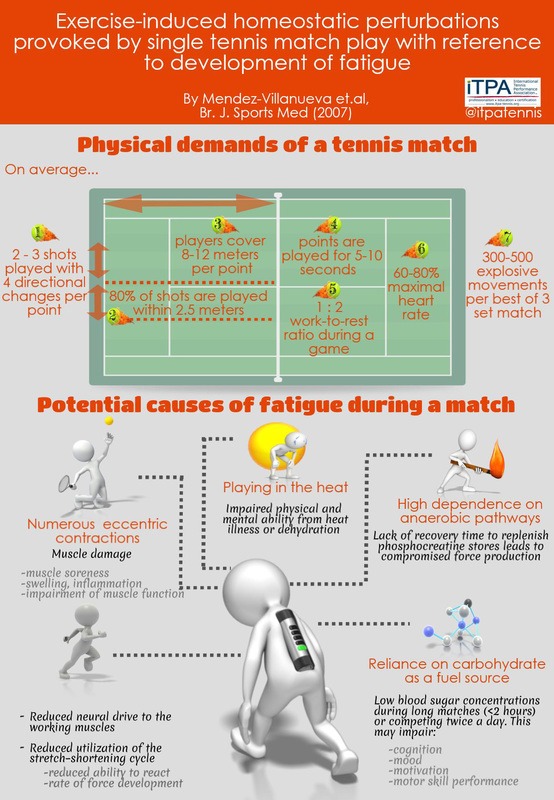
After the session, judge it against the goal you agreed on. Could you complete the drills or sustain the rally? Did the pace work for both of you? Was the interaction respectful? A close set score or a matching rating can't tell you whether you'll enjoy practicing together. If the hit worked, say you'd like another. If the format was the problem, suggest a different one. If the fit wasn't there, thank the other player and leave it at that.
What to do when nobody replies or your local options are thin

Searches stall for different reasons. Match your next move to the obstacle.
| What happened | What to try |
|---|---|
| No online replies | Try a clinic, social event or another active local group |
| Big playing-level mismatch | Choose a closer level group or agree on cooperative drills |
| Schedules never overlap | Find a recurring event or a different realistic time window |
| Courts are crowded | Use another permitted facility or playing window |
| No partner is available soon | Practice alone while keeping local contacts open |
If you can find people but can't get a court, another app won't fix the problem.
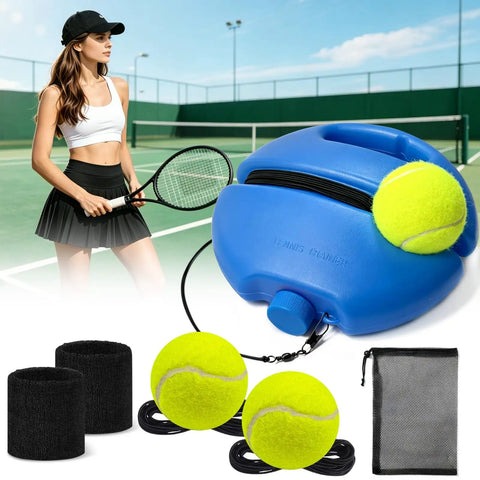
On a day without a partner, try solo tennis practice. If you want organized team competition, joining a USTA tennis league is a separate process with its own local arrangements.
Turn one good hit into a regular rotation
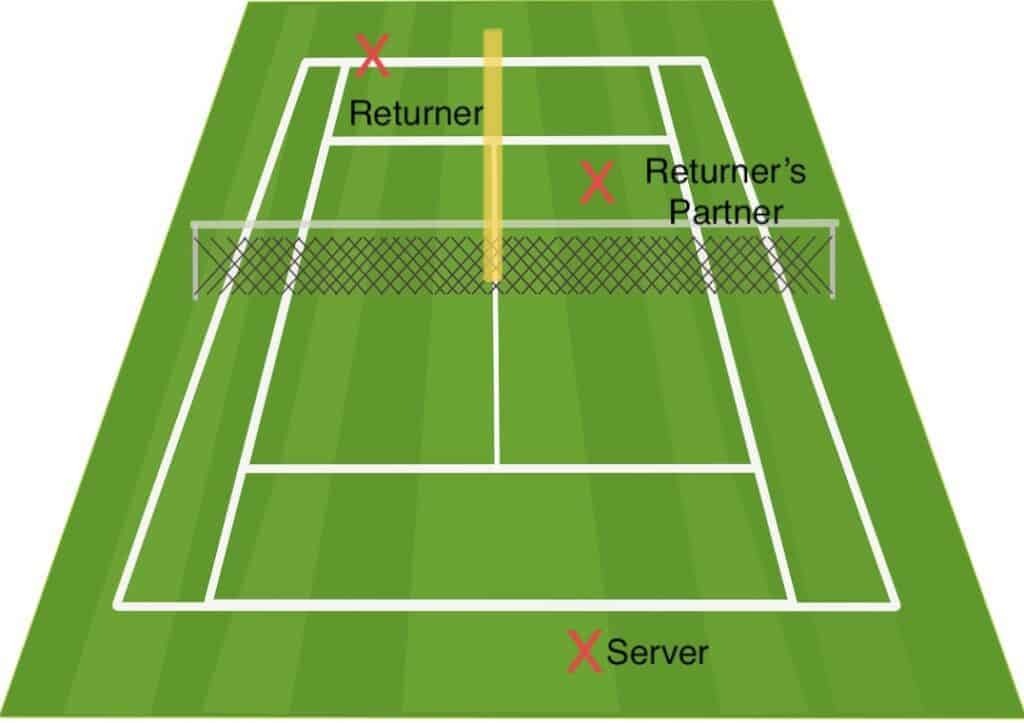
When a session goes well, suggest a recurring slot if your schedules match, or leave it open for occasional invitations.
With their permission, note each person's preferred contact method and the kind of tennis they like. One partner may enjoy weekend practice sets, another relaxed rallies after work. Use that to send invitations that fit.
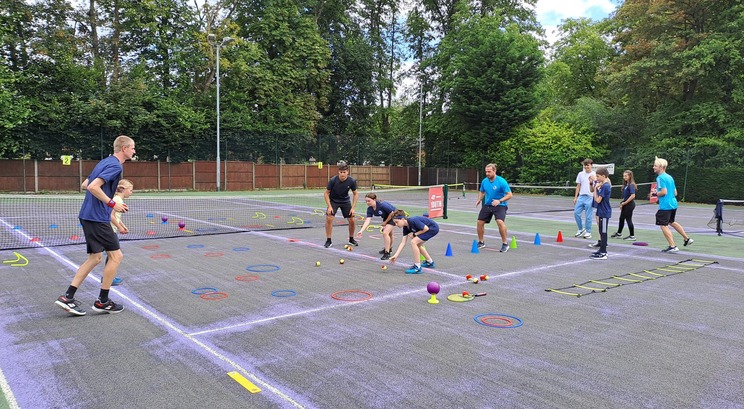
Keep showing up at the clinics, groups or social sessions where you met good partners. Once you know several people who want to hit, one canceled session won't leave you without a plan.
Should you pay someone just to hit with you?
Paying someone to hit makes sense when you need a specific level of practice or reserved playing time that you can't arrange through mutual recreational play. Decide what you're paying for before you agree.
One self-described 5.0 club player questioned paying for rallies and practice sets without coaching:
i’m a solid club player (5.0) and finding people at my level or above has honestly been harder than improving my game. i see a lot of ex-college players advertising lessons, which makes total sense, but many also charge just to rally or play practice sets with no coaching involved. if two players are going to get a good workout and benefit from the hit, charging someone just to rally feels weird. do you pay for high-level hitting partners, or is there another way you’ve found good competition?

| Arrangement | What you're arranging | Tradeoff |
|---|---|---|
| Mutual recreational hit | Two players agree to rally or compete together | Both need a shared interest and overlapping availability |
| Paid hitting partner | Someone commits time to an agreed rally or practice-set session | A fee buys agreed time and play, so clarify the terms |
| Coached lesson | A teaching session aimed at a skill or problem | Instruction is the service, and you decide on the instructor and cost separately |
An advanced player might value a challenging practice set. A beginner hoping to meet other recreational players may prefer a group clinic or social session.
Before paying, agree on the rate, duration, court costs, balls, format and whether any instruction or feedback is included. A paid hit doesn't automatically include coaching. If you mainly want technique instruction, judge the person as an instructor, which is a separate job.