
Start with the days you can reliably make. One session a week is a fine start. Two or three give you more chances to practice when each extra visit has a purpose. After a short trial, check one repeatable skill before you add another day.
How many times a week should a beginner practice tennis?

You can start with one, two, or three court sessions a week.
| Your available court time | Starting schedule | What it gives you |
|---|---|---|
| One reliable slot a week | One session | A lesson, clinic, or focused hit |
| A second slot and a way to practice | Two sessions | A second chance to practice what you learned, or to rally with a partner |
| Three slots you can keep up | Three sessions | Time for instruction, repetition, and some point play |
Tennis4Beginners recommends three or more sessions a week for players who want to improve.
Every visit to the court counts as one session, whether it's a lesson or a friendly match.
Is playing tennis once a week enough to improve?
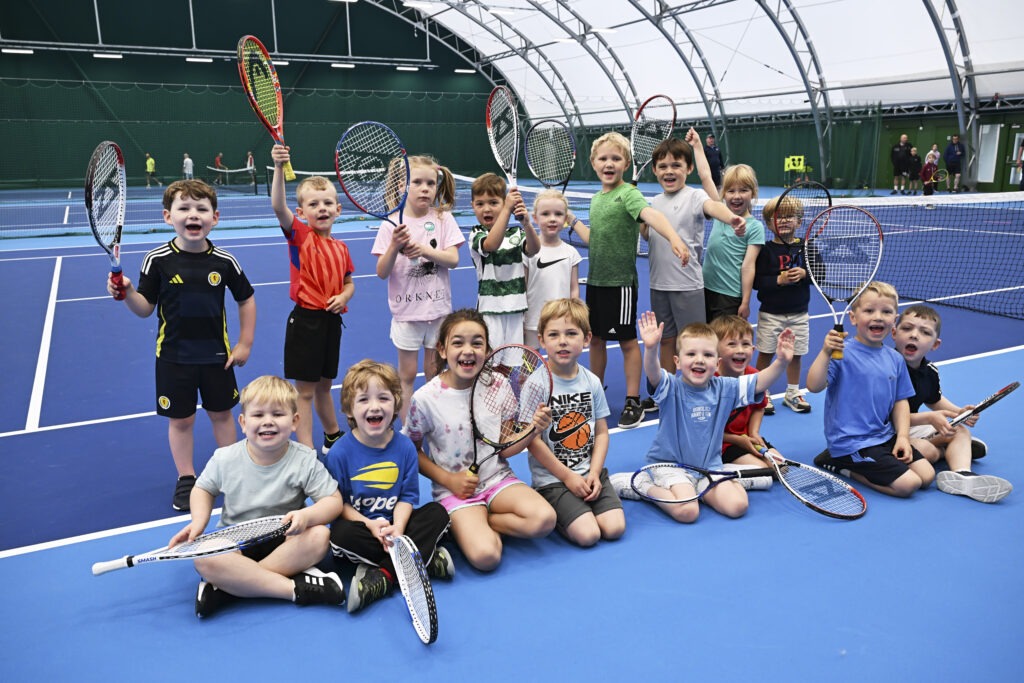
Yes. One session a week is enough to learn basic contact, get comfortable on court, and work on a correction from your coach. With days between visits you get fewer repetitions, so pick one thing to work on each time.
Say Saturday is your only slot. Aim for comfortable contact or a gentle cooperative rally. If you take lessons, spend the next session on the one cue that gave you trouble last week.
Fitting in even an extra informal hit takes planning when you balance work and coaching costs. One beginner put it this way:
I’m 29 (f) and really want to pick up tennis but it’s very expensive so I can only do 1-1 coaching once a week and find a hitting partner to play with once a week as well just bc adulthood and life gets in the way. Trying to maintain realistic expectations in terms of progress and improvements- what are some most useful advice you received when you got started ?

A private lesson gives you feedback. A separate hit with a partner lets you use it without booking a second private lesson.
What might a two- or three-day tennis week look like?
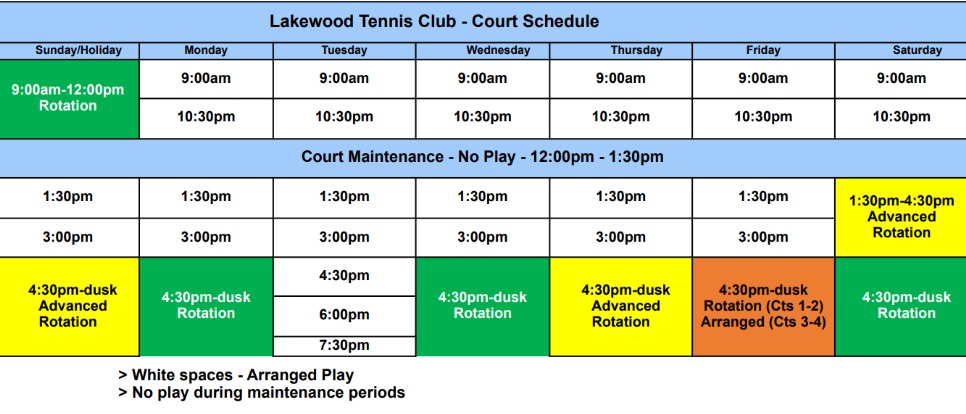
With two visits, you can separate getting feedback from trying the skill on your own. A third visit adds controlled repetition or friendly points, as long as the extra work stays manageable.
Take a group lesson on Tuesday and a relaxed hit with a friend on Saturday. Tuesday's instructor spots a contact problem. On Saturday, you and your friend rally gently and work on it.
With three visits, one flexible setup looks like this:
- Feedback: A lesson or beginner clinic that shows you what to work on.
- Repetition: Controlled drills or cooperative hitting built around that skill.
- Application: Friendly points or mixed hitting where you choose your shots with a score.
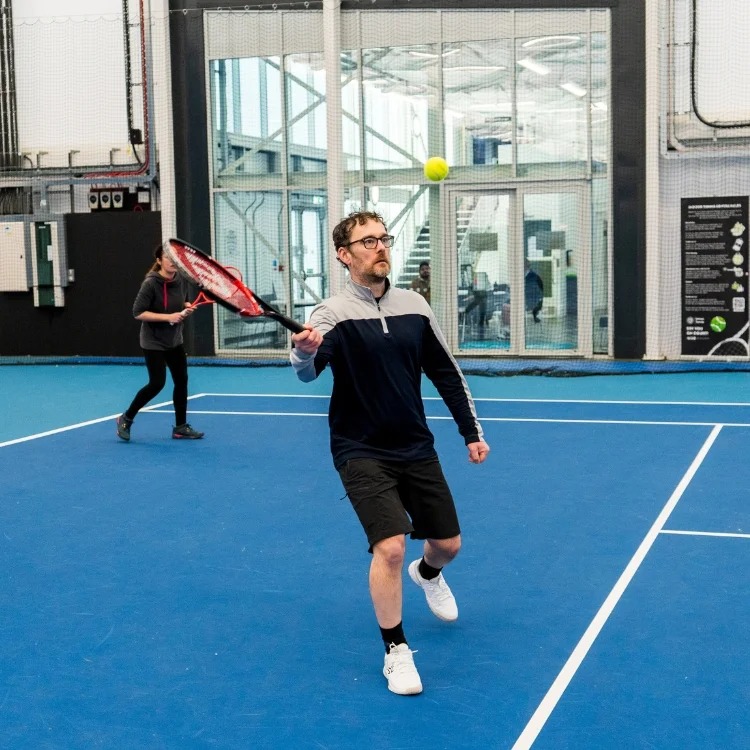
Acemate Tennis gives an example beginner week of three sessions, each 30 to 45 minutes long.
Do lessons, drills, hitting, and matches count as the same practice?
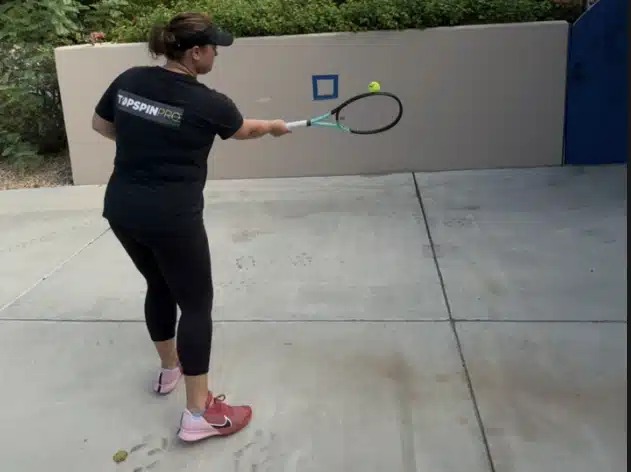
Lessons, drills, rallies, and matches all count as tennis sessions when you are on court playing or practicing. Track off-court conditioning separately. It still adds to what your body has to recover from.
| Activity | What it helps you do | What it doesn't give you |
|---|---|---|
| Lesson or clinic | Get instruction and feedback | Independent repetition between coached sessions |
| Controlled drill | Repeat a chosen stroke or movement | Unpredictable decisions during a point |
| Cooperative partner hitting | Build timing and sustain rallies | Targeted technical correction |
| Friendly match or scored points | Apply shots and decisions under a score | Frequent repetition of one stroke |
| Solo ball or wall practice | Get repetitions when no partner is available | Reading a live opponent's shots |
| Off-court conditioning | Build general physical capacity | Actual ball contact. It doesn't count as a court session |
If you want to rally, schedule cooperative hitting. If you want to play points, reserve court time for them.

One recreational player could arrange matches easily but struggled to find drilling partners:
How often do you practice vs play matches? And when have you had most success? I find it really easy to arrange matches, but finding committed hitting partners to do drills and play practice points is tough. Today I realised I've played 6 matches in the last 10 days between practices - 3 x league matches, and 3 at a one-day tournament - and that's led to me really lacking any kind of rhythm on my groundstrokes as you often just don't hit that many balls in a match vs pratice. What's the ideal ratio?

Scored play puts your strokes under pressure. Cooperative hitting gives both of you repeated chances to meet the ball, so the activity you pick decides how often you repeat one stroke.
How long should each beginner tennis session be?
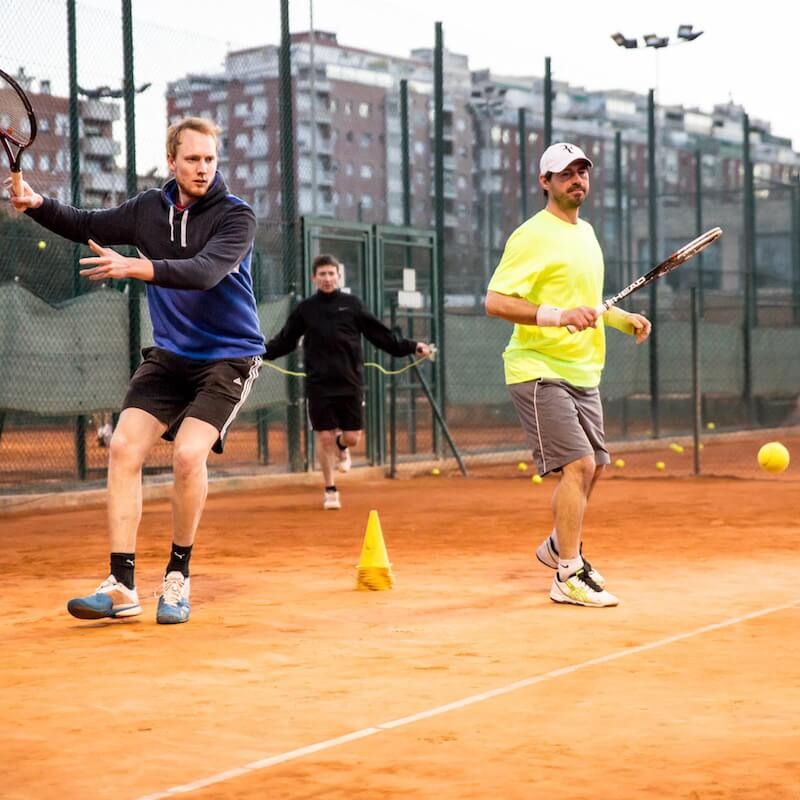
A beginner session can be short if it's focused and the effort feels manageable. Thirty minutes fits one drill or one cooperative rally, and a group lesson includes instruction plus time waiting for your turn. For ways to use a limited court booking, see the 30-minute tennis practice plan.
What if you can't afford more lessons or find a hitting partner?

- Group instruction: A beginner clinic gives you organized hitting and some feedback when a private lesson is impractical.
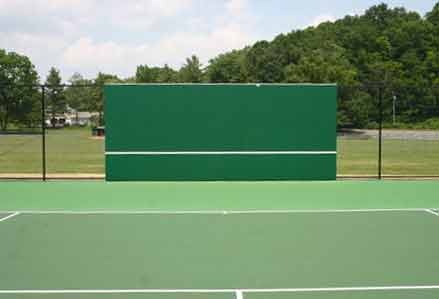
- Wall or solo ball work: A suitable practice wall or court gives you repetition without another player. The guide to practicing tennis alone covers activities for those conditions.
- Recurring cooperative hitting: A player at your level may be willing to rally without turning every meeting into a match. See the guide to finding a tennis hitting partner if arranging a consistent hit is your main problem.
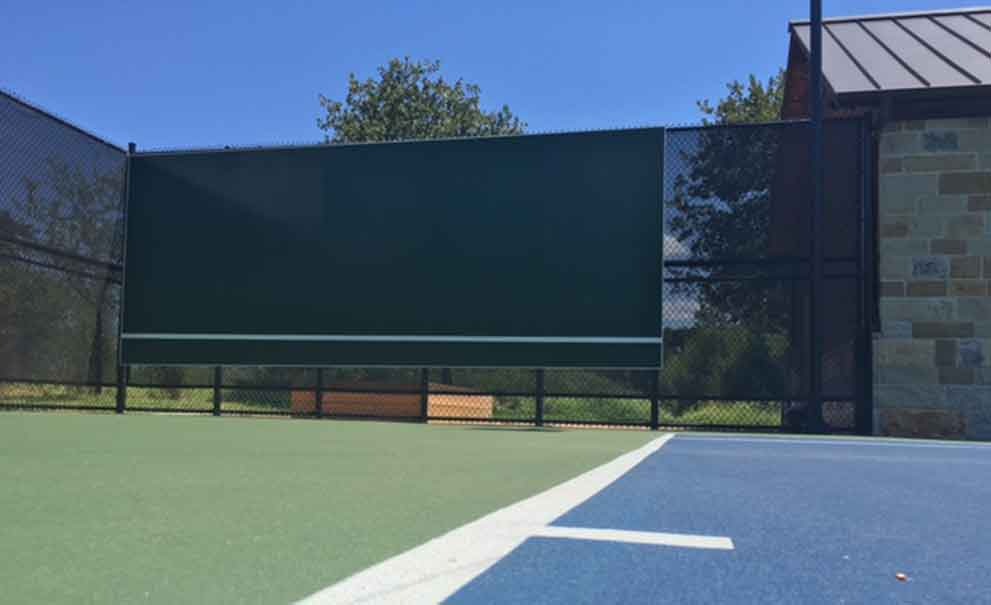
A wall returns the ball but can't recreate the flight, positioning, and decisions of another player. Shadow swings rehearse movement but give you no ball contact.
If your regular partner cancels, a solo activity keeps the session useful. Choose one fallback you can realistically do.
When should beginners add a session, scale back, or change the mix?
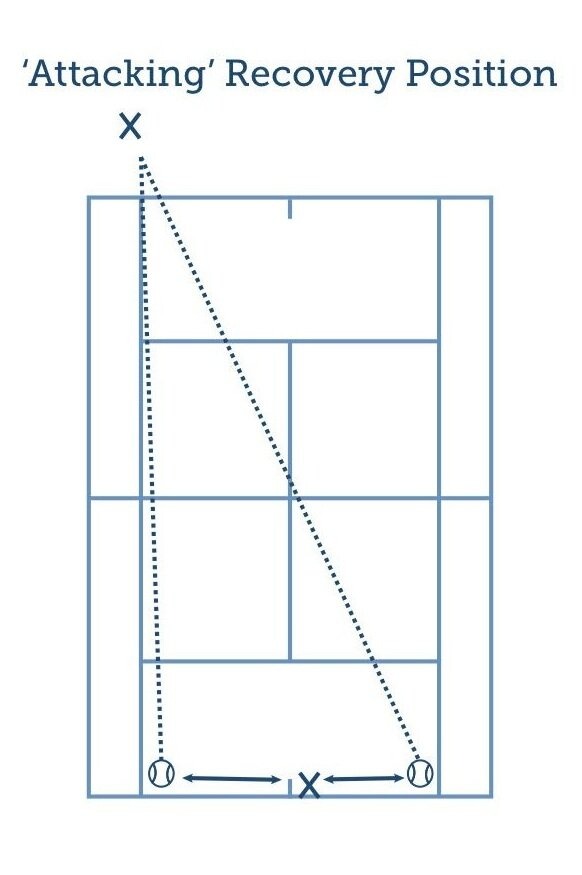
Add court time when you have a task for it and can handle the extra work. If your sessions feel unproductive, changing the mix can be enough.
| What you notice | Schedule adjustment | Why it fits |
|---|---|---|
| A free slot and a skill you want to work on | Add one focused visit | Gives you another chance to work on that skill |
| Frequent matches, little controlled practice | Turn one existing visit into cooperative hitting or drills | Changes the kind of repetition you get |
| Growing exhaustion or discomfort | Cut back or pause demanding activity | Protects your ability to recover |
| Extra sessions strain your money or commitments | Keep the schedule you have | Regular attendance stays realistic |
If pain persists or gets worse, stop the activity that causes it and see a qualified healthcare professional.
The CDC adult physical activity guidelines cover exercise for general health. They don't set a weekly number of tennis technique sessions.
How can you tell whether your weekly tennis plan is working?
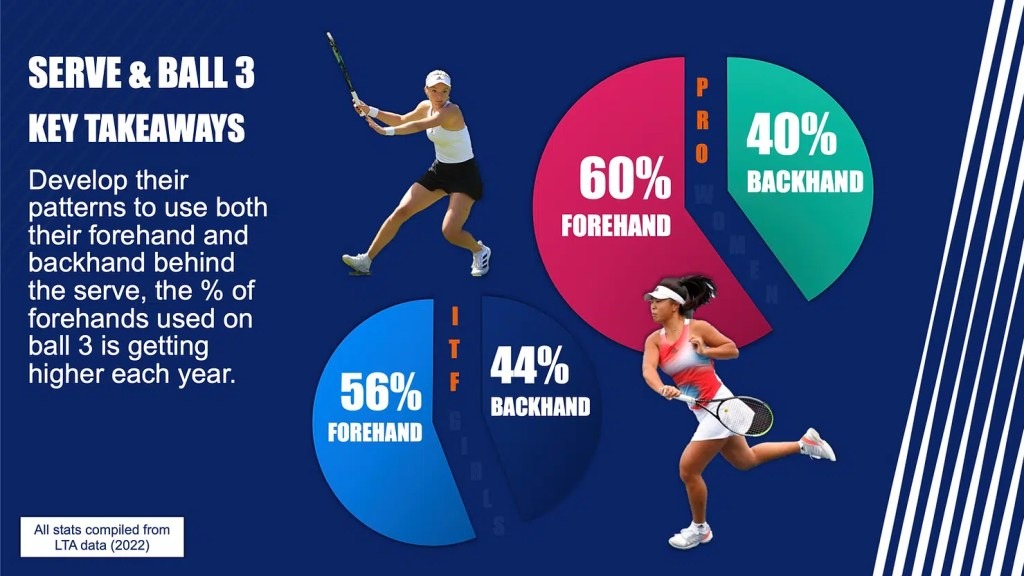
Attendance is easy to count. Improvement in a particular stroke is harder. A small, repeatable check shows whether your practice is working on the skill you chose.
One beginner estimated about 20 hours across several types of lessons and social tennis and still felt unsure what to work on:
The biggest problem I have is that every game turns out to be an endless serving and one hit game.( my servings are getting better though) But other than that I am missing a lot of balls . I’m not sure my 1-1 private lessons are getting me anywhere or what should I get coached on, I’m clueless and everytime I go into a class I just I guess try hit something, I don’t feel I learned any besides running around.
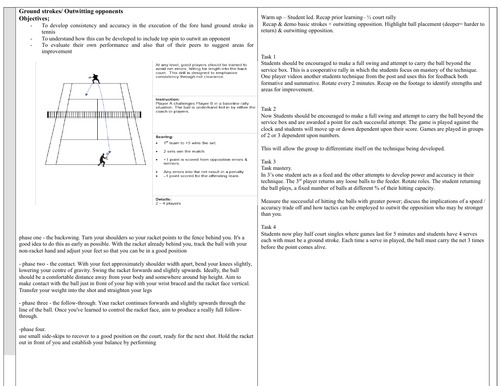
For a rallying goal, Tennis Warehouse's teaching-pro guidance suggests gentle cooperative hitting near the service line.
- Measure a rally: Count how many consecutive shots you and your partner keep in play during the short-court exercise.
- Keep conditions comparable: Use a similar court position, partner, and comfortable pace next time.
- Review the record: After two to four weeks, decide whether to change the activity or add another court visit.
If you practice serves alone, apply the same idea: note whether comfortable practice serves land in the intended service box under similar conditions.