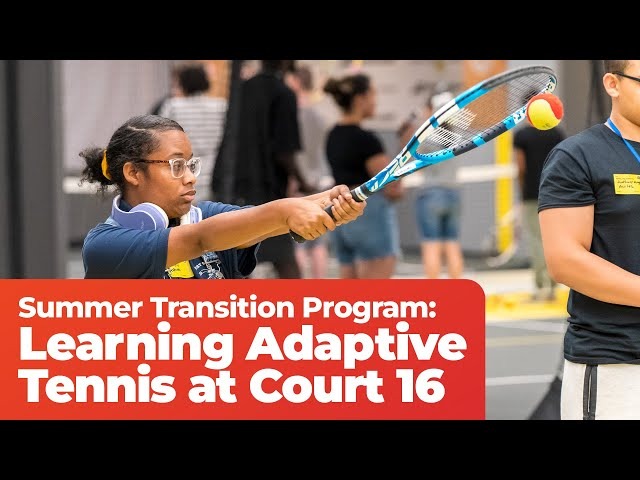
Pick one tennis skill and a 30-minute plan that your court, partner, and equipment can support. The plan needs a warm-up, ball collection, and one measurable check, and if setup or cleanup won't fit, simplify the drill or switch plans, then use your result to adjust your next session.
Choose one priority for a 30-minute session
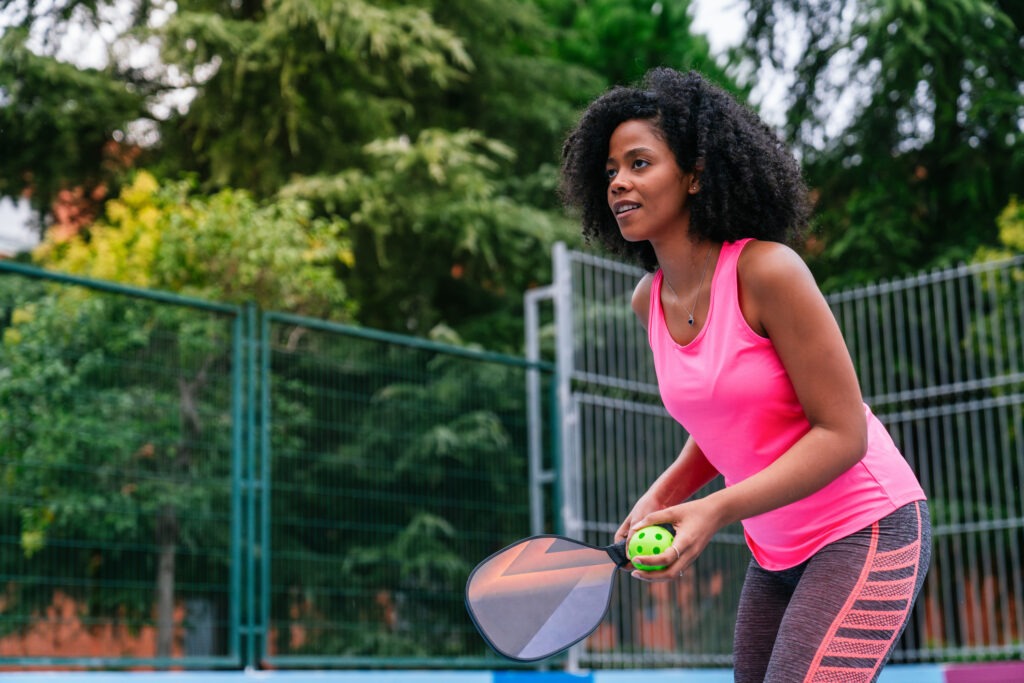
Thirty minutes is enough to fix one problem. Try to cover serve, forehand, backhand, volleys, overheads and points, and you fix none of them.
Start with something you noticed last session. Maybe your second serve kept missing. Maybe a cooperative rally broke down after three or four shots. Maybe your forehand reached the ball but missed the target.
Turn that into one drill with a result you can see:
- Second-serve consistency: Put legal serves into a broad service-box target.
- Rally control: Keep cooperative rallies going toward an agreed court area.
- Placement: Send a familiar groundstroke to a reachable target.
- Recovery: Get back to an agreed position before the next controllable feed.
Work on other strokes in later sessions. For this half-hour, your chosen goal decides which exercises get time.
A player who reported spending four hours a week in coaching sessions described a related dilemma:
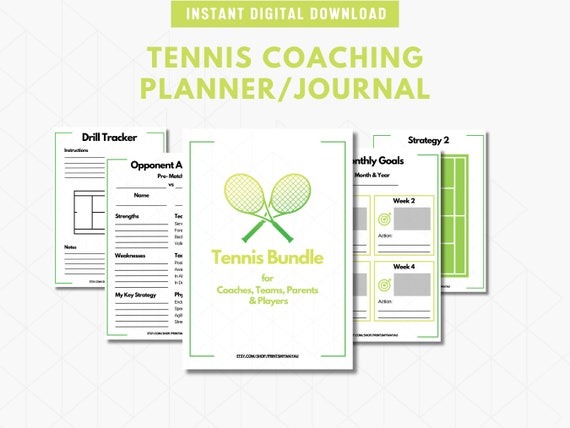
Naturally the drills will change day-to-day or week-to-week. Either more technique, target or situation orientated. So we keep improving and things don’t get stale. I’m still improving all the time but I wonder if I could improve quicker with a more efficient and different coaching session structure. A few questions I had: 1. Is 4 hours training hours per week too few hours? In order to get comfortable into 4.0 maybe 4.5 do I need more practice hours on my own? 2. Am I get spending too much time getting coach (since I rarely play matches) and in order to break through with my skill/technique more need more match time with real opponents? 3. Would it make more sense instead of dedicating say a bit of time to each skill to instead allocate 1 hour ... of just forehands/backhands/volleys instead? Would that be more purposeful training instead? Sometimes I wonder if I am spreading myself too thin.
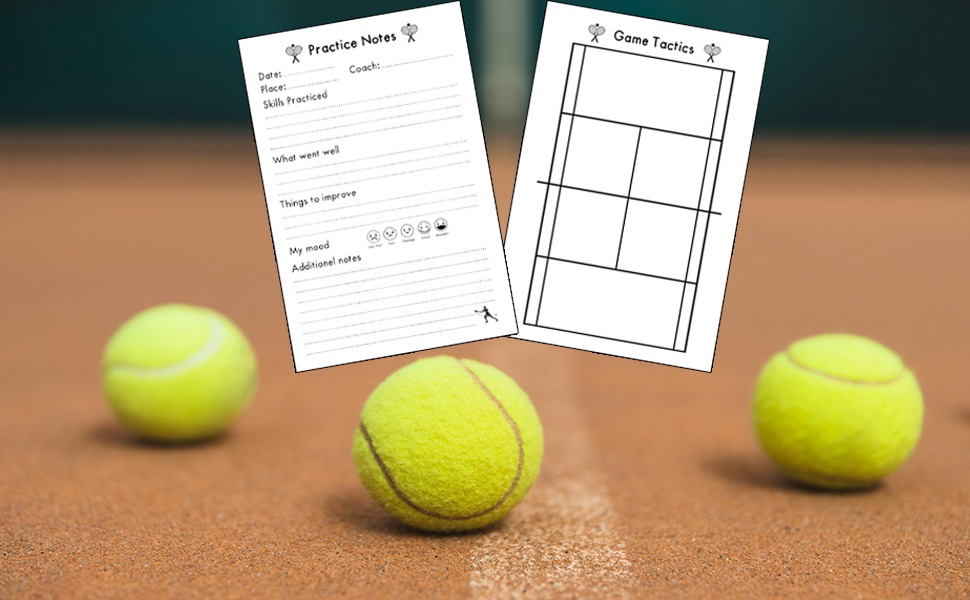
One objective keeps a short session focused.
Match practice blocks to the skill you need
Start with a repeatable version of your chosen drill. A small change of target, recovery position, or score then tests it under different conditions.
For forehand placement, begin with feeds you can reach in balance and aim at a generous area. Once you can hit several in a row there, alternate between two areas or recover to a marked starting position after each shot.
If you're newer to the game, keep the incoming ball predictable and change only the target. If you're more experienced, vary the incoming height as long as the target stays reachable.
If a faster feed makes you swing late or abandon the target, slow the feed or enlarge the target before adding variation.
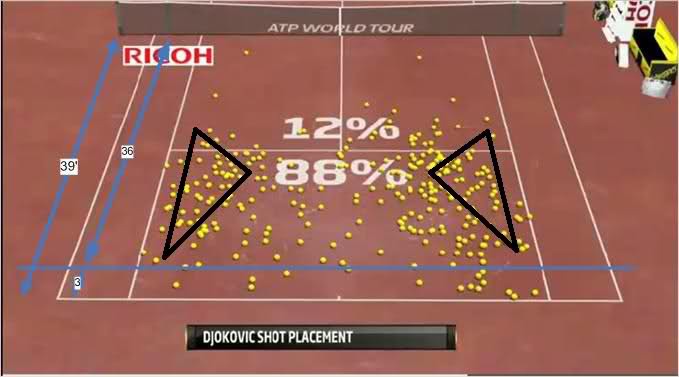
Repeated feeds build the shot. Varied feeds and scoring force you to adjust to the ball.
The USTA's dynamic warm-up guidance includes arm circles, shuffles and lunges. Start easy and build up at a pace that suits your ability.
Pick a format that fits your court and equipment
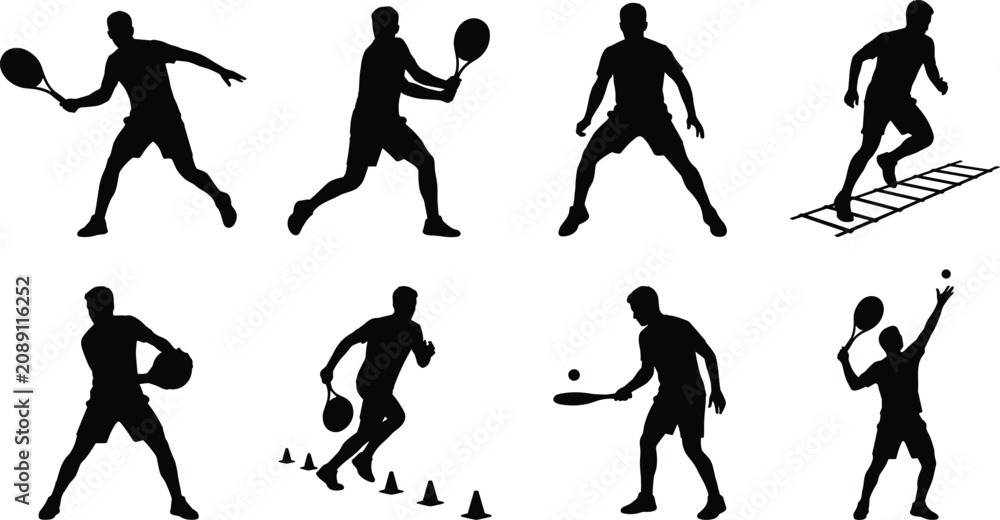
Choose the format by asking two questions: what ball or movement does your goal need, and what equipment and cooperation do you have? Serve accuracy needs a legal service box. Responding to an opponent's choices needs another player. A wall or machine supplies repetition for contact and placement.
If the available format can't produce your drill, pick a different goal for this session or postpone the hitting practice.
- Cooperative partner: For rally control, placement against a human feed, or recovery between shots, use the partner plan when someone agrees to cooperate.
- Court, racket and balls: For legal serve placement with a service box available, use the solo-serve plan. You don't need a feeder.
- Permitted practice wall: For repeatable stroke contact or a visible placement target, use the wall plan if the site allows it and you have clear space.
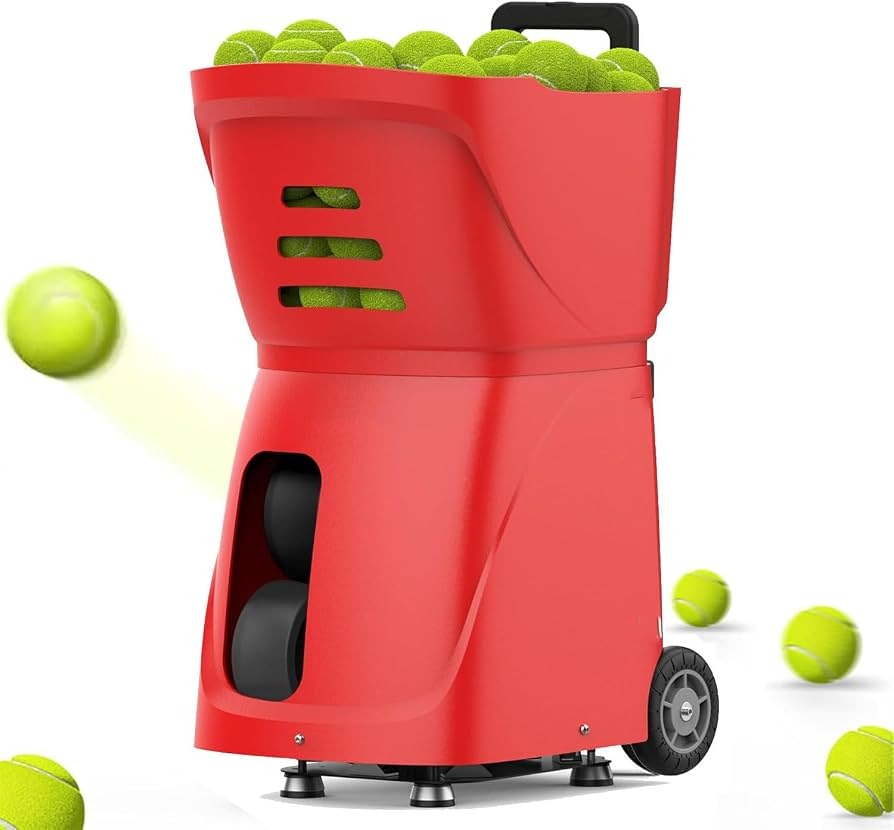
- Available ball machine: For repeatable groundstroke feeds and target placement, use the machine plan if you can control the settings and both setup and collection fit the booking.
- No suitable hitting location: Postpone live-ball practice. Gentle movement or reviewing your goal can fill the time, but it serves a different purpose.
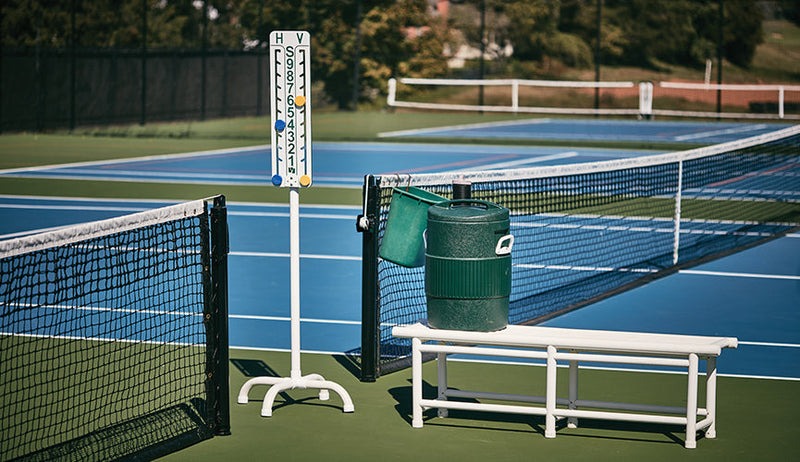
Check facility rules, safe clearance, available balls, and any equipment return requirement first. A court booking doesn't automatically permit a wall or machine.
Each table below budgets the full thirty minutes, including warm-up, rests, feed changes, ball collection and equipment return. Nothing runs past minute thirty.
A 30-minute partner tennis session
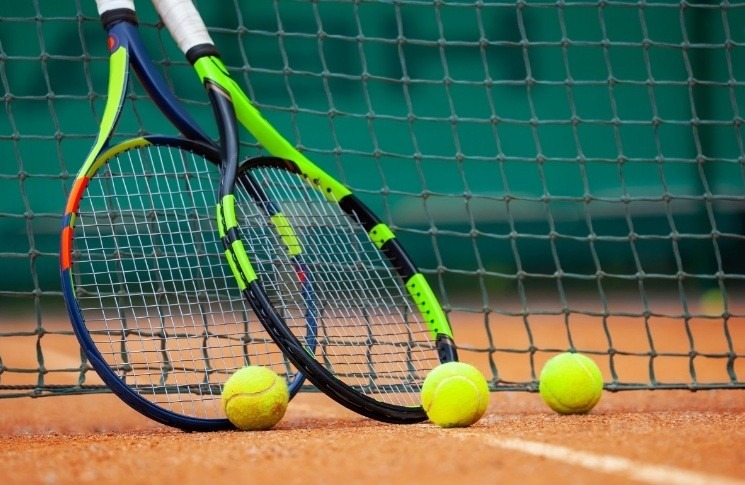
Use this plan when both players have agreed to a cooperative rally drill and a short scored test.
For forehand consistency, agree on a broad crosscourt area. In the ten-minute drill, count the consecutive controlled shots you both hit there. Reset the count after a miss, and swap starting roles within the block.
| Elapsed time | Minutes | Activity |
|---|---|---|
| 0 to 5 | 5 | Warm-up |
| 5 to 9 | 4 | Easy cooperative short-court rallies |
| 9 to 19 | 10 | One rally or placement drill |
| 19 to 26 | 7 | Short varied or scored challenge |
| 26 to 30 | 4 | Pick up balls, reset and note the result |
| Total | 30 |
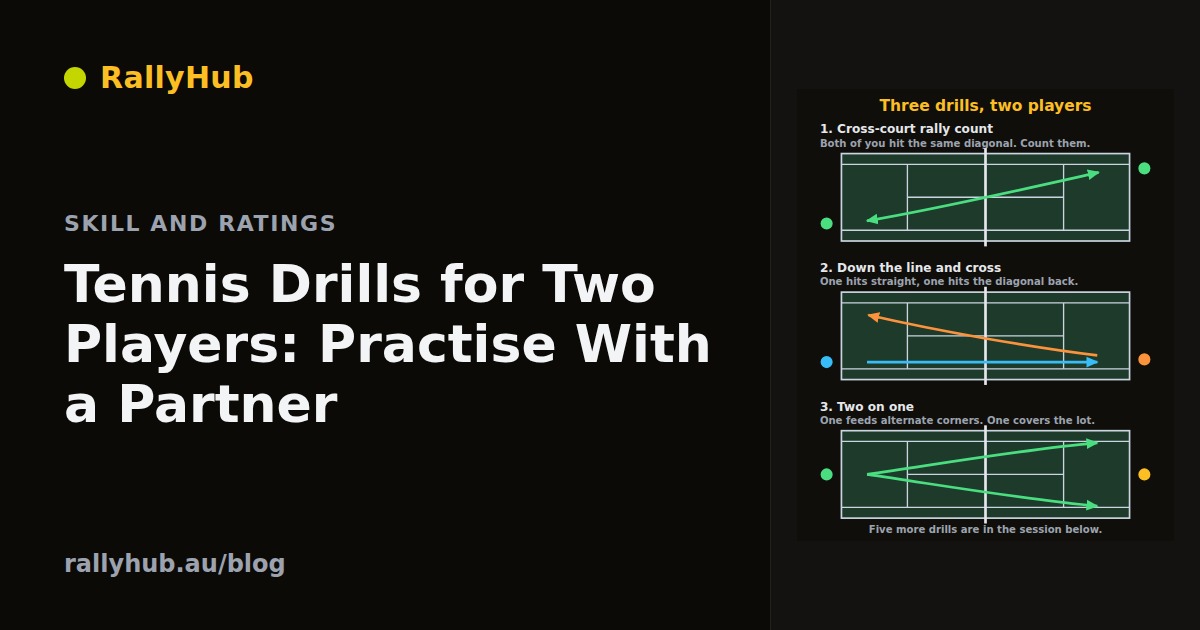
Keep the rally speed and target area steady in the main block, so both players have a reasonable chance to return the next ball.
For the seven-minute check, agree on a reachable rally length. Count a success only when the full exchange stays in the target area.
If your partner prefers points, see "What to do when your partner only wants to play points" below.
For a broader progression of cooperative exercises, see the guide to beginner tennis drills for two players.
A 30-minute solo serve practice
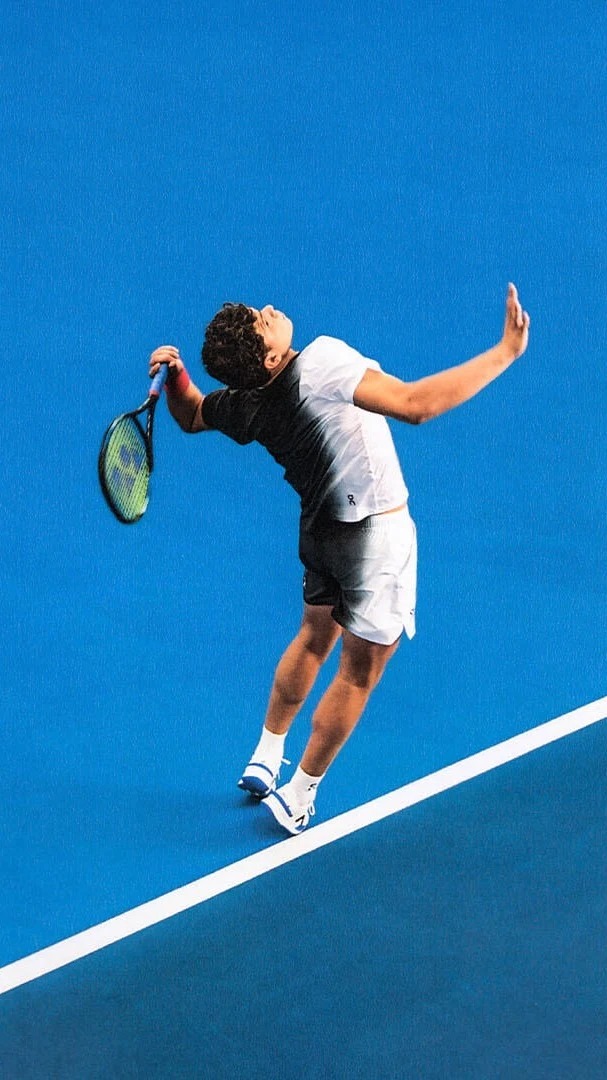
A court with a usable service box and a few balls is enough to practice serve placement alone.
Aim at a broad target inside the correct service box, and serve at an effort that lets you complete the motion without strain.
| Elapsed time | Minutes | Activity |
|---|---|---|
| 0 to 5 | 5 | Warm-up |
| 5 to 8 | 3 | Easy serve motion and toss practice |
| 8 to 20 | 12 | Comfortable serves toward a broad legal target |
| 20 to 26 | 6 | Placement or scored serve check |
| 26 to 30 | 4 | Collect balls, put equipment away and note the result |
| Total | 30 |
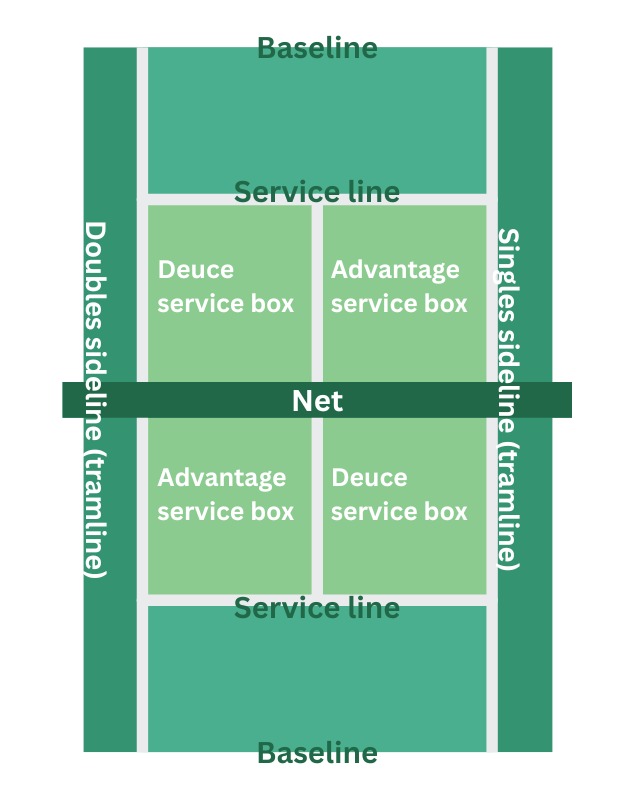
In the twelve-minute block, keep the service side and target the same. Start each attempt from a settled position, and collect balls between small groups.
In the six-minute check, count each struck serve as an attempt. A success is a ball that lands in the correct diagonally opposite service box with no foot fault or let. Record lets separately, and use the same counting rule, target and service side each time you compare results.
Your attempt count depends on your pace and ball supply. With a few balls you'll stop to collect more often than with a basket.
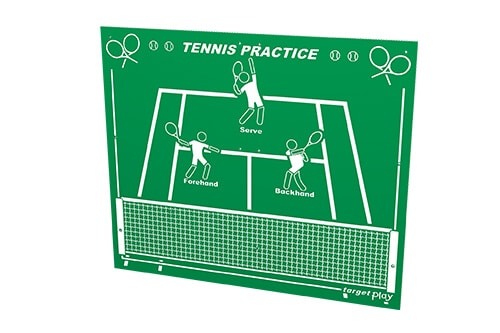
Start the first scored check with a broad legal target. Try a smaller area in a later session once you reach the larger one reliably.
For detailed serving progressions, see the guide to tennis serve drills for consistent targets.
A 30-minute tennis wall practice
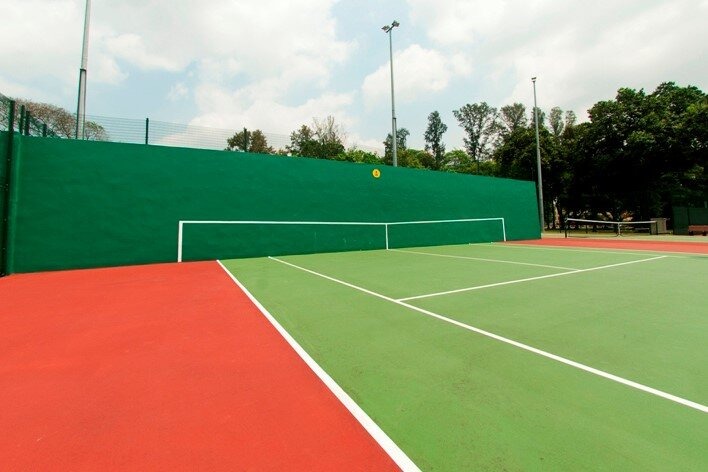
A permitted practice wall gives you repeatable contacts for one stroke or target when you have no partner.
Choose a clearly visible, broad target on a suitable practice wall, with room for the rebound and your recovery step.
| Elapsed time | Minutes | Activity |
|---|---|---|
| 0 to 5 | 5 | Warm-up |
| 5 to 9 | 4 | Easy wall contacts |
| 9 to 18 | 9 | One-stroke placement toward an agreed target |
| 18 to 25 | 7 | Small placement variation or recovery challenge |
| 25 to 30 | 5 | Recover balls, clear the area and note the result |
| Total | 30 |
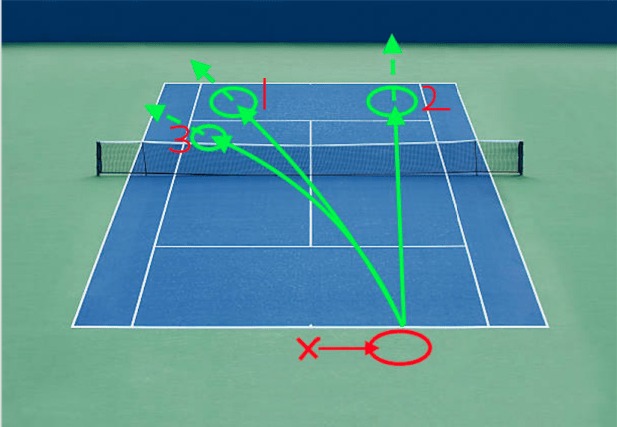
In the nine-minute block, hit forehands toward the target and count the shots that strike it out of the shots you attempt. If the ball rebounds too quickly, pause and restart from the same standing position.
In the seven-minute variation, switch between two visible areas or recover to a set starting mark between contacts. Keep the rebound slow enough that you can complete the drill.
The Lawn Tennis Association's solo-practice guidance lists wall activities and serving targets among ways to train alone.
The wall's rebound doesn't follow a normal net-and-court trajectory, so use it for repeatable contact and placement.
For more exercises, see the guide to tennis wall drills.
A 30-minute ball-machine session
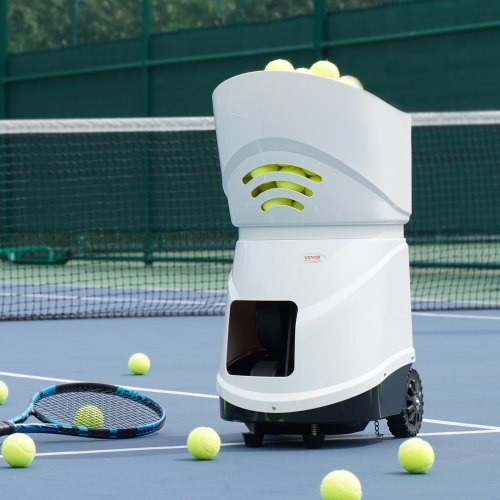
A ball machine supplies repeatable feeds for a contact or placement goal. Set a pace that lets you reach the ball and direct it at your target.
Equipment handoffs and long return trips also come out of your booking.
| Elapsed time | Minutes | Activity |
|---|---|---|
| 0 to 5 | 5 | Warm-up |
| 5 to 9 | 4 | Simple machine setup and easy feeds |
| 9 to 18 | 9 | One-shot placement or repeatable-contact drill |
| 18 to 26 | 8 | Reachable target variation and recovery |
| 26 to 30 | 4 | Collect balls, store equipment and note the result |
| Total | 30 |
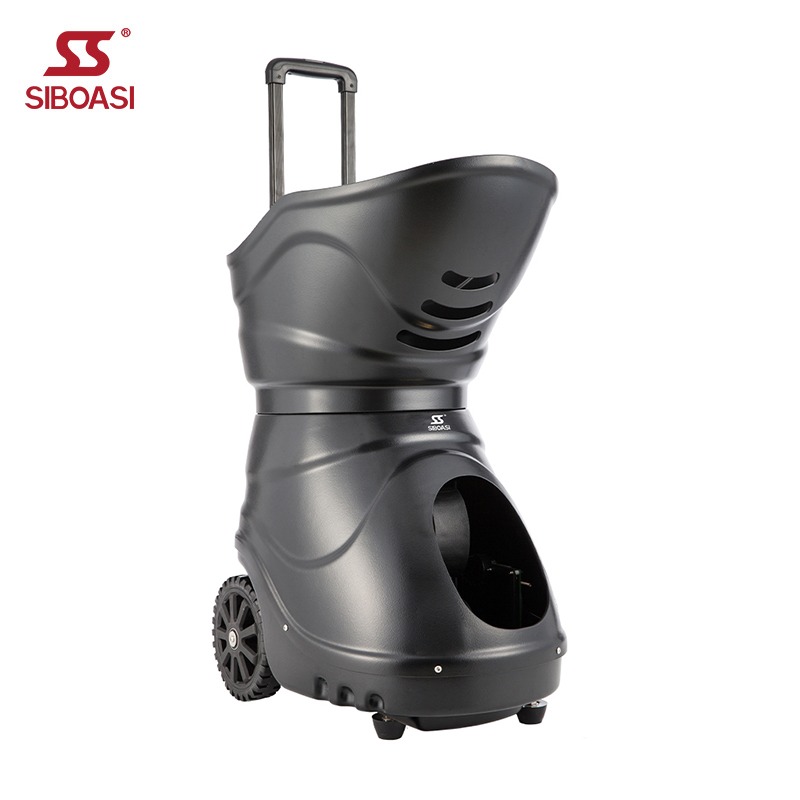
In the nine-minute block, keep the feed settings steady. Count successful placements to the agreed court area out of feeds attempted.
In the eight-minute variation, alternate between two reachable target areas or add one recovery movement.
The final four minutes are a provisional pickup and storage allowance. If collection takes longer at your facility, cut the eight-minute variation block by the extra time. If setup or return can't fit the booking, choose another format.
Nisplay publishes five training blocks lasting 5, 7, 6, 6 and 6 minutes, totalling 30. Its schedule names no separate pickup period, so this example reserves the final four minutes for retrieval and storage.
What to do when your partner only wants to play points
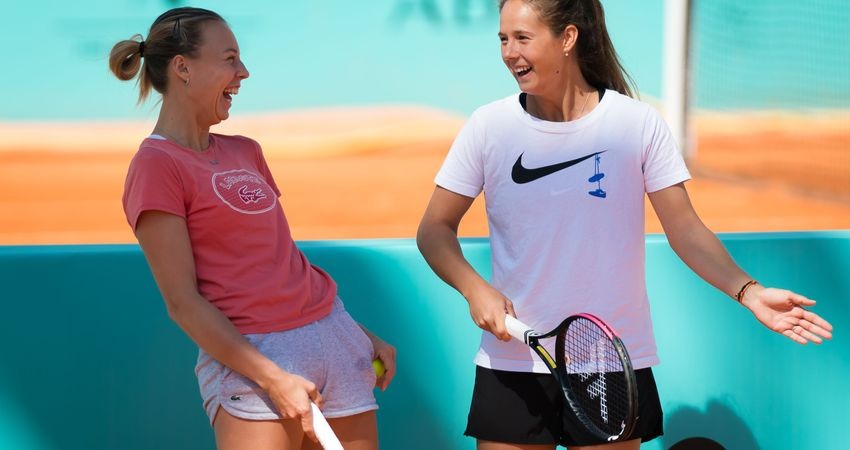
Some players find matches easy to arrange and structured practice hard to organize. One player in r/10s described it:
How often do you practice vs play matches? And when have you had most success? I find it really easy to arrange matches, but finding committed hitting partners to do drills and play practice points is tough. Today I realised I've played 6 matches in the last 10 days between practices - 3 x league matches, and 3 at a one-day tournament - and that's led to me really lacking any kind of rhythm on my groundstrokes as you often just don't hit that many balls in a match vs pratice. What's the ideal ratio?
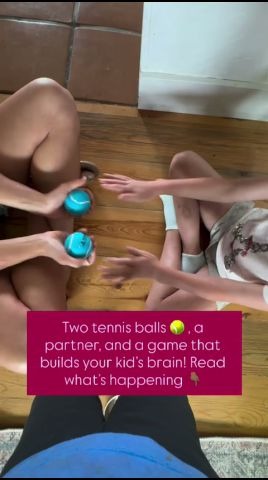
In a match, your opponent tries to win. In cooperative drills, both players deliberately set up repeatable chances for the chosen shot.
If your partner prefers points, propose one condition you both accept. For example, start each point with a short controlled rally toward a designated area, then play the point normally.
If your partner declines, do a solo-serve or wall session with a compatible goal.
Record one result you can compare next time
Record one outcome tied to your objective, with the attempts or conditions that make the count meaningful.
For serving, count legal serves out of attempts. Apply the same success definition every time, or the scores won't compare.
For example, a one-line record could read:
Solo serve | broad right service box | 12 legal out of 20 attempts (60%) | same target next time.
Add the date, goal and setup to your note. A different target, machine speed or partner feed changes what the score describes.
Next time, repeat the drill under similar conditions, then change one factor such as the target, a technical cue or feed difficulty.
For a longer record across sessions, use a separate tennis practice progress tracker.
Practice session versus match-day warm-up
A thirty-minute skill session has a different purpose from the preparation allowed right before a match. The USTA's ten-minute warm-up example includes ten one-minute elements, but it doesn't set a required duration for every tournament. Before an event, check its permitted on-court warm-up and use a separate routine that fits its conditions.
When your 30-minute plan won't fit reality
A late arrival, lost equipment or an early court closure can interrupt a session. You then have only the remaining booking time to decide which drill still fits.
Respond to what happened:
- Late partner or interrupted drill: Use the remaining time for a brief cooperative rally. Skip the scored challenge if it can't fit before court clearance.
- Court or equipment becomes unavailable: End the exercise when access stops and save the unfinished drill for another visit.
- Movement becomes painful or unsafe: Stop. Don't play through pain to finish the timetable, and get a suspected injury evaluated by a professional.