On a U.S. recreational tennis court, warm up cooperatively, make fair line and score calls, wait until the receiver is ready, and leave other players' points undisturbed. Check event rules and posted court policies, since they can change the routine. For unresolved match rulings, consult the USTA Friend at Court.
A tennis court can become awkward before anyone has played a competitive point. Someone returns a practice serve you expected them to catch. Two players are still finishing a tiebreak on the court you've booked. A loose ball rolls through your rally, and nobody agrees about a replay.
Tennis etiquette: what's a rule, a courtesy, or a court policy?

In an unofficiated U.S. match, the USTA's 2026 Friend at Court includes The Code, which covers fair calls, warmups, and player conduct. Courtesy covers the smaller gestures between opponents. A facility or event can also set its own terms for access and play.
| What happened? | Who decides | What to do | When it changes |
|---|---|---|---|
| A ball lands close to the baseline | The Code | Give your opponent the benefit of doubt if you can't confidently call it out | An officiated match with its own procedure |
| Players occupy your reserved court | Facility or event policy | Check the booking terms to settle the handover | A posted queue or late-arrival rule |
| A lucky shot clips the net and wins the rally | Social custom | A small acknowledgment is considerate | Nothing, it's optional |
Shared courts: waiting, crossing, and court handovers
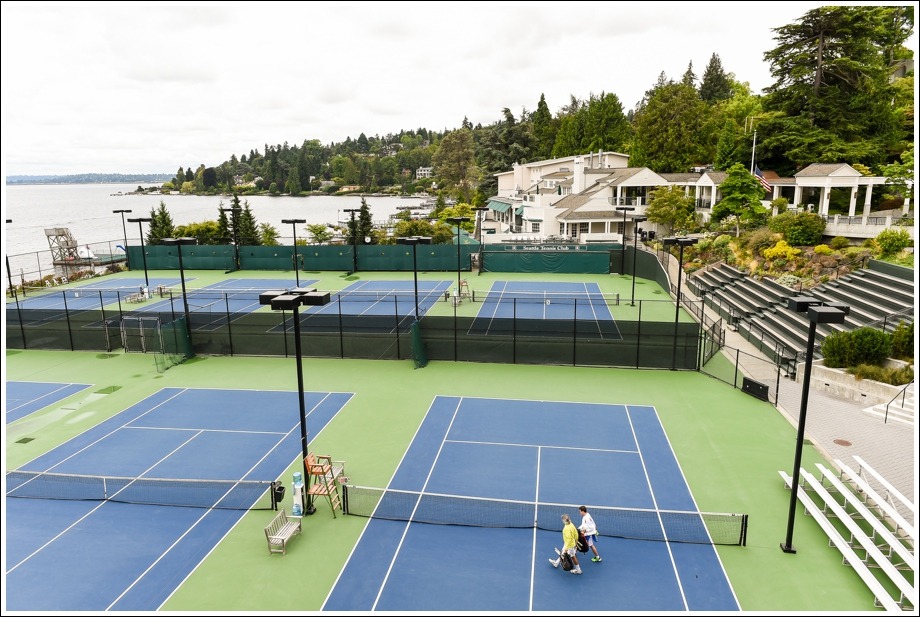
Stepping onto the court or calling across an active rally interrupts the players, even when you hold the next reservation.
Late arrivals make it worse. One player on a paid booking showed up 10 minutes into the slot and found two players still on the court:
For context, this was a paid booking for court time. My partner and I arrived late about 10 minutes after our time slot commenced and there were two middle-aged women playing on our designated court. We stood by the fence and waited for them to complete the point before walking onto the court. They were really upset and gave me a tongue lashing saying the right thing to do was to let them finish up their tie break. What do you all think? Just because we were late does not mean you’re entitled to extra time. Yeah I’m happy to let you finish your last point but not the tie break or game.
The venue's late-arrival and handover policy decides who is right.
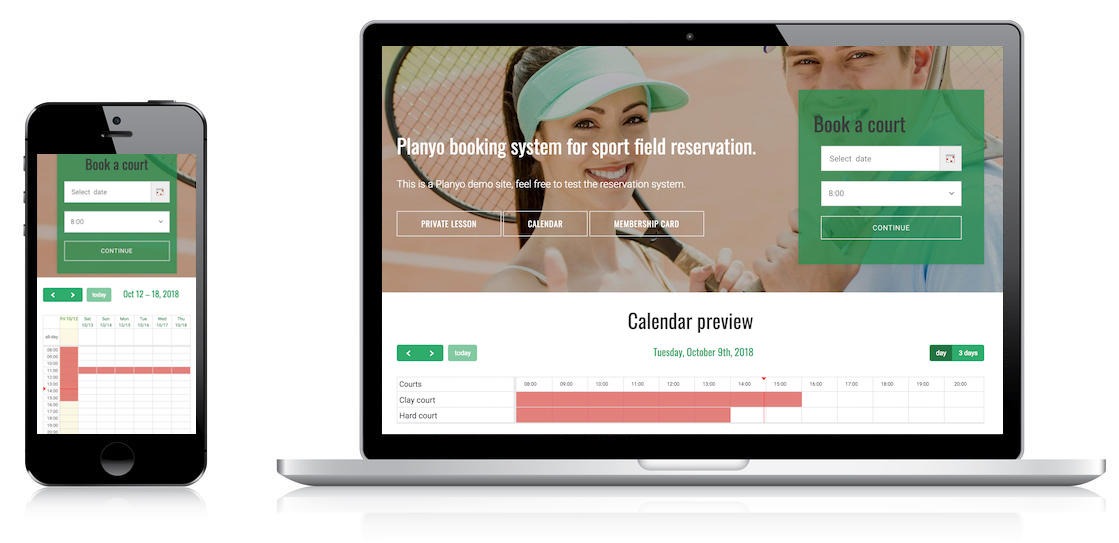
Keep your booking confirmation handy and ask calmly at the next break: “Hi, we're booked on this court now. Could we check the reservation?”
If you walk past a court, use a designated walkway outside the fence only when the venue's signs allow it, and stay clear of active play.
How to warm up without annoying your opponent
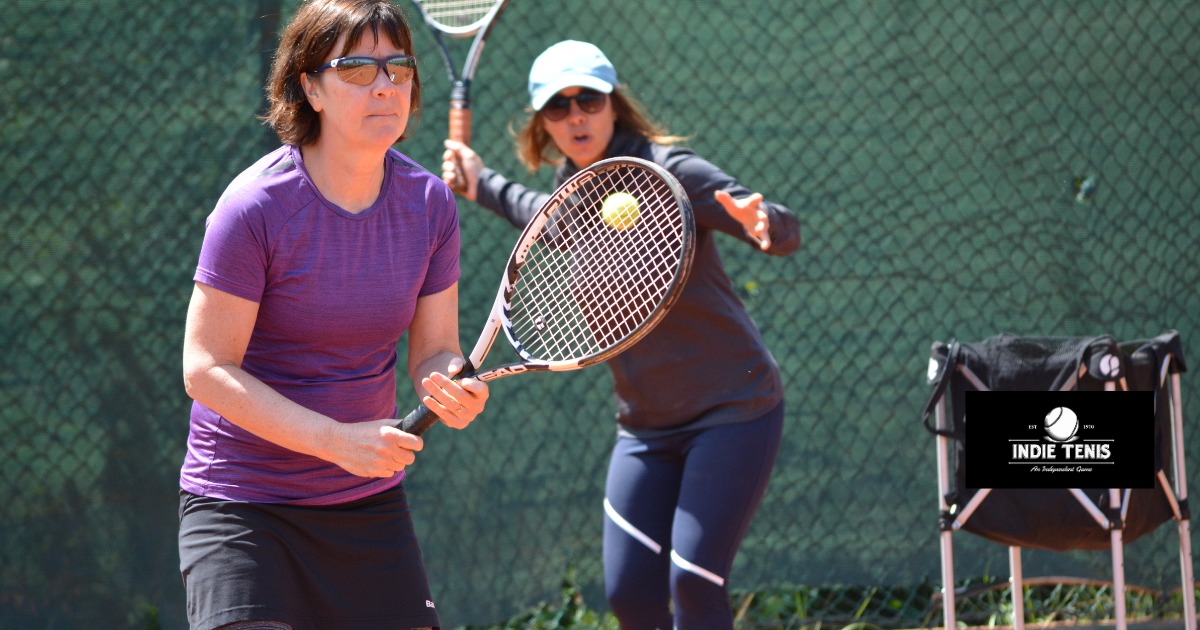
A match warmup is cooperative hitting that lets both players loosen up. Save aggressive winners for the match.
Practice serves cause a different kind of confusion. A player in a USTA match wasn't sure what a stray return meant:
In my USTA matches, when I am warming up serves with my opponent, the typical thing we each do is to hold on to each ball after the serve. But sometimes my opponent will return my serve, seemingly randomly, once out of twenty serves. Is there some etiquette or norm here that I am unaware of?
The Code, item 4, permits moderate returns that don't disrupt the server. Some players prefer to catch or collect practice serves, so agree on a routine before you start.
| Warmup situation | What to do |
|---|---|
| Groundstroke rally | Feed balls your opponent can control and keep the rally going |
| Repeated short feeds | Ask: “Mind if we keep the feeds a little deeper?” |
| A separate practice session | Agree on drills or competitive patterns before starting |
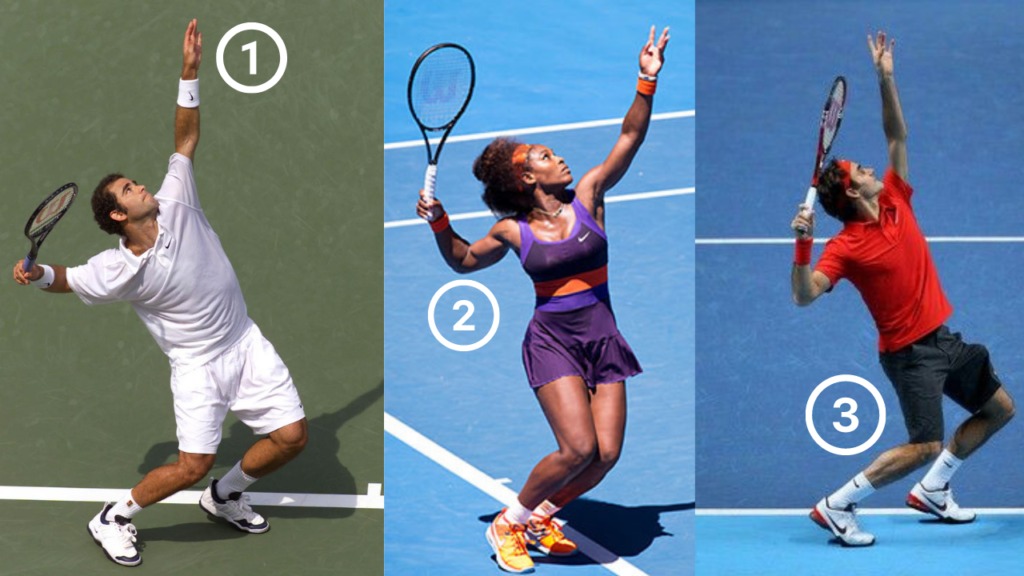
The 2026 USTA Friend at Court discusses five to ten minutes of warmup. Organized events can set a different length.
Before each point: serving, receiver readiness, and calling the score
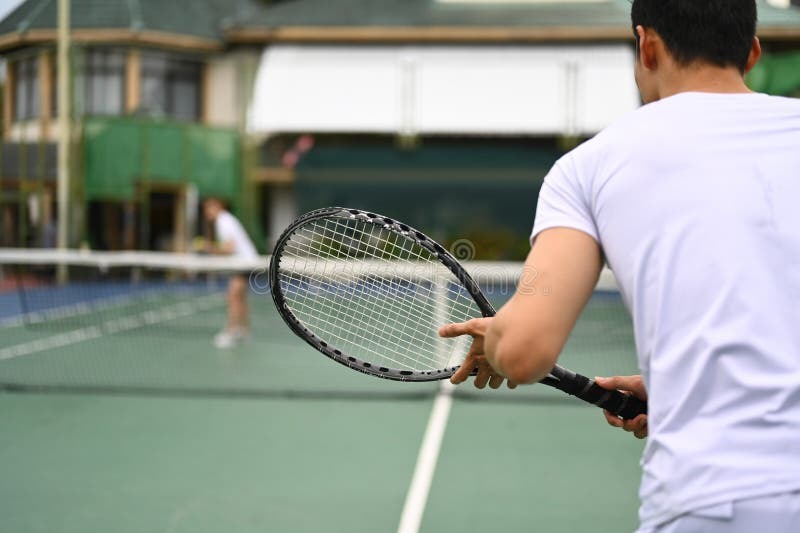
Call the score clearly before you serve, as USTA sportsmanship guidance reflects. Say “thirty-fifteen” before you toss the ball, then wait until the receiver is ready. Both players should keep a reasonable pace. If your first serve is clearly a fault, let it bounce before you collect it, and don't send it back over the net. A close serve still needs an honest line call.
Line calls, stray balls, and when to call a let
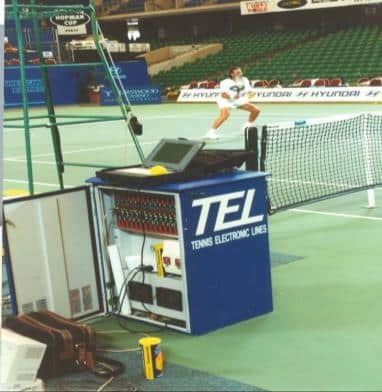
In an unofficiated match, you call balls landing on your side. Make an out call right away, aloud or visibly, even when it looks obvious. If you can't confidently call the ball out, your opponent gets the benefit of doubt. A ball touching any part of the line is good.
If you call a ball out and then correct it to good, you lose the point under The Code, item 12. If the receiver reverses a fault call on a serve that touched the net, the server receives two serves.
| Situation | What to do | Condition |
|---|---|---|
| Doubles partners disagree on a call | Give the opponents the benefit of doubt | The partners haven't agreed the ball was out |
| A stray ball enters and affects your live rally | Call a let promptly | The ball interferes with the point and you call it in time |
| You play on, miss, then request a let | Don't claim a late replay | The chance to claim the interruption has passed |
| Your ball rolls into the neighboring court | Wait until their point ends before asking for it | The neighbors are in active play |
| You return a stray ball to its court | Send it safely toward a player, preferably the server | Pick a pause in play |
Under The Code, spectators' out calls and ordinary noise don't count as hindrance. A ball entering the playing area falls under the separate interruption rules.
Small courtesy gestures: apologies, celebrations, and finishing a match
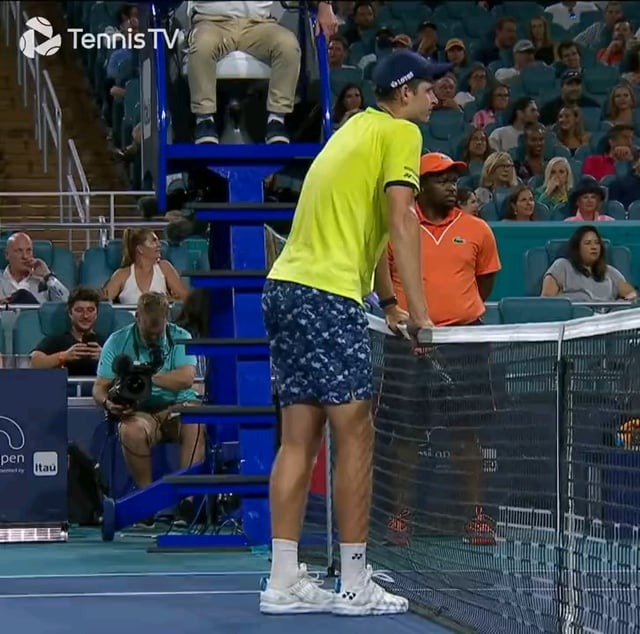
Some players acknowledge a lucky net-tape winner with a raised hand or a quick “Sorry.” It's optional, and opponents react to it differently:
Do any of you actually care when the opponent’s ball hits the net and comes over for an “easy” point? From habit I tend to raise my hand in apology when I benefit from it but I don’t really care either way if the oppo does it. It’s obvious it’s not intentional and if it wins a game or set then thems the breaks, the benefit goes both ways. I tend to just shake my head with a smile when it drops in against me. One guy I play with gets visibly annoyed when it happens to him but doesn’t really acknowledge it when he does it. It doesn’t affect me either way but I guess I’m wondering if of all the unwritten etiquette rules of the sport if this is one that’s in the god tier? Of course there’s no time wasted on it except for a lighthearted comment or chuckle but it’s funny to me that something so random can either really piss you off or make you laugh it off regardless of who benefits.
A rally ball that clips the net and lands legally stays in play. A serve that clips the net and lands in the correct service box is a let, so you repeat it.
Enjoy your good shots, don't mock mistakes, and thank your opponent at the end. “Good match” or “Thanks for playing” is plenty.
What to say when an etiquette disagreement starts
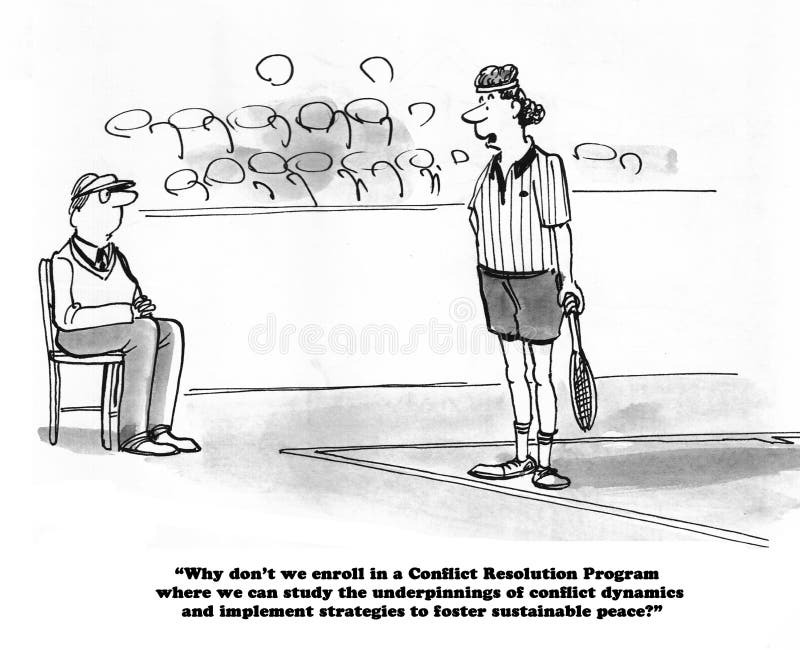
Work out whether the disagreement is about a match ruling, court access, or a personal preference. Then raise it at a pause in play with a specific request:
- Match procedure: “Let's check what the rule says about that call.” The Code provision for that call sets the on-court procedure.
- Court access: “Could the desk confirm which reservation applies?” A facility attendant can clarify the venue's own handover procedure.
- Courtesy preference: “Happy to change the warmup if that works better for you.”
For a disputed score, start with the points and games you both agree on. The Code, item 32, prefers that you keep those results and replay only the disputed points or games. USTA's What's the Score? guidance explains the procedure for more complicated disagreements.
In organized play, an official can help with unresolved scoring problems or a pattern of questionable calls. Recreational public-court matches usually have no official to call.