
For an adult recreational player who can keep score and play a match, a first local tournament is a good next step. Before you enter, confirm that the event offers a division you're eligible for, that the format and schedule suit you, and that you understand the entry terms. If the division or conditions don't fit, pick another event rather than entering an ineligible draw. Otherwise, register with the organizer, check that you were selected, and look up your match time and venue in the posted draw.
Finding a tournament, picking a division and registering takes a few screens. The confusing part is what those screens mean. Your rating decides which draw you can enter, the format decides how many matches you play, and a registration notice can arrive before you're selected.
In the United States, adult recreational events appear through USTA, UTR Sports and individual clubs, and each has its own procedure. The sections below follow the decisions in the order you'll face them, from finding an event to checking in for your match.
Am I ready to play my first tennis tournament?

If you can start points, keep score and finish a set, you're ready to try a first local tournament. A shaky second serve, uncomfortable volleys or nerves will shape your day, but no official minimum of lessons or wins applies. If you've never played a scored set, play one practice set first to rehearse calling scores, serving and finishing.
Where to find an adult tennis tournament near you

Start with the event organizer. USTA's tournament search instructions describe filters such as location, date, section or district and event characteristics. UTR Sports has a separate event directory, and a local club may advertise its own competitions and entry form.
Build a shortlist of events with a travel distance and date you can manage. Open each listing to see which adult divisions it offers, who runs it and where matches are played. A nearby event with no suitable division is a poor fit, however welcoming it sounds.
One r/10s player had the playing experience but not the tournament know-how:
I’ve been playing regularly for 1.5 years (taking lessons, practicing with partners, in groups, singles and doubles). I’d rate myself as a 2.5 player. I’ve reached a point where I can serve a decent first serve and a reasonable second serve; making fewer double faults. I have a good game from the baseline and decent skills on the net. I’d like to start training the mental aspect of the game and I think the best way is probably by competing in a few tournaments.

Choose an eligible division by rating and tournament level
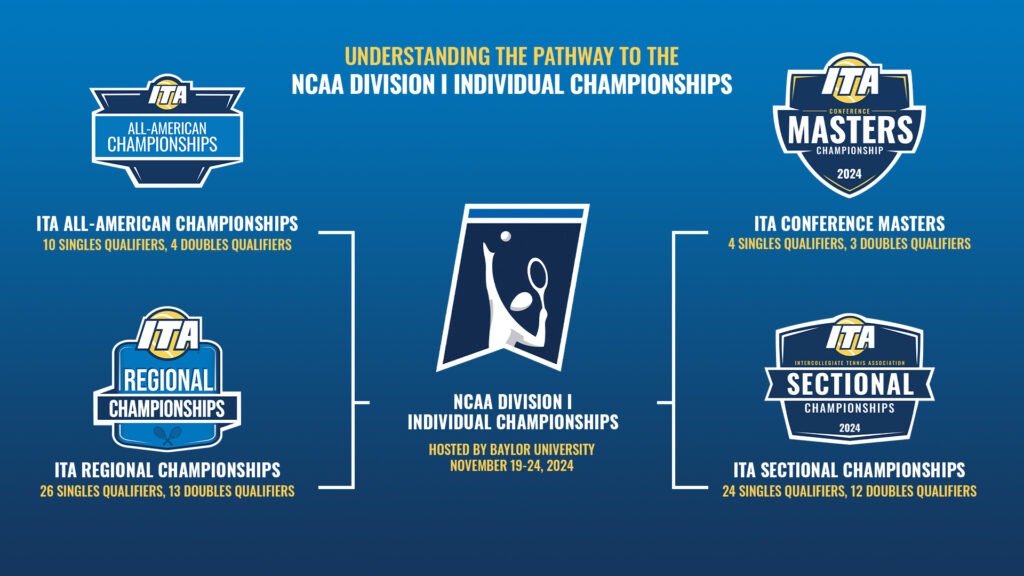
USTA tournament levels classify events. NTRP ratings classify players and rating-based divisions. Adult USTA tournaments use Levels 1 through 7, and NTRP divisions include 2.5, 3.0 and 3.5.
| Listing label | What it describes | What to do |
|---|---|---|
| USTA Level 7 | A tournament category | Look for an eligible adult draw within that event |
| NTRP 2.5, 3.0 or 3.5 | A rating-based player division | Match its eligibility rule to your recognized rating |
| Age-group division | An age-restricted draw | Meet the stated age requirement |
| Open division | A competition category that can include varied skill levels | Check whether the field suits your experience |
| UTR-based division | An organizer's published rating-based entry category | Use that event's UTR conditions |
Under the NTRP guidance in the USTA adult tournament overview, a rated player can compete at their level or 0.5 above it, subject to event restrictions. A player with a recognized 3.0 rating can therefore look at 3.0 and 3.5 divisions. You can't enter a division below your assigned rating.
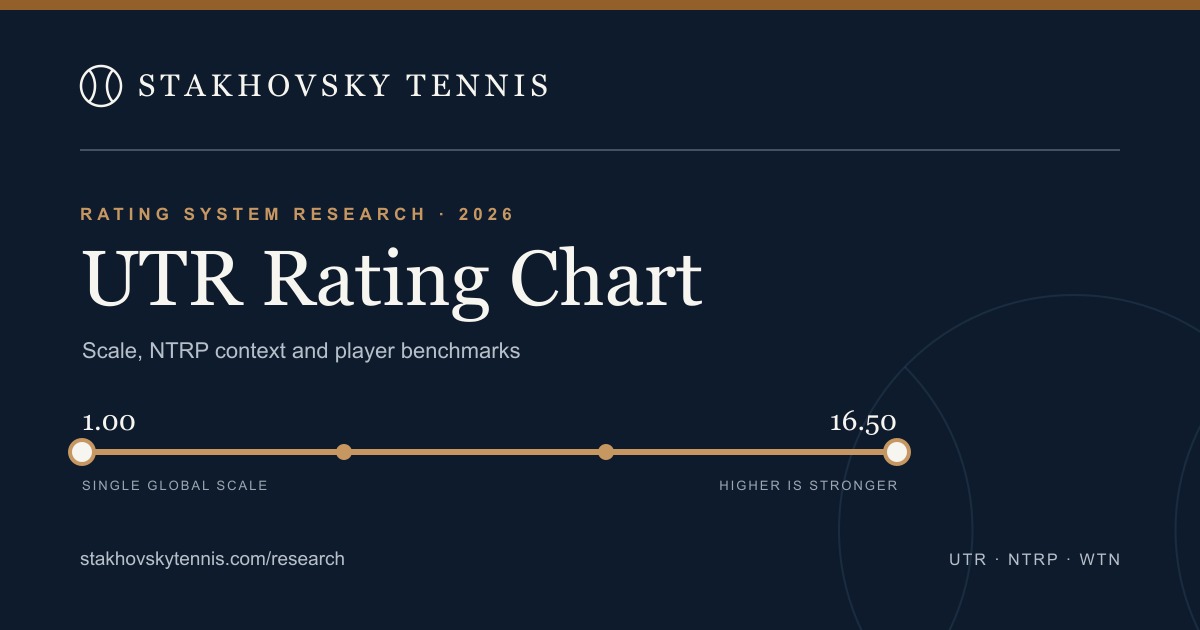
For sanctioned adult NTRP events, USTA recognizes these rating types: Computer (C), Tournament Exclusive (T), Automated Appeal (A) and Self Rating (S). If you hold only a valid Mixed Exclusive (M) rating, you must complete the self-rating procedure before entering an Adult NTRP tournament. A casual self-estimate of 2.5 does not make you eligible.
Adult 18 & Over NTRP divisions carry an age requirement. Level 7 can serve as a local introduction to organized play.
USTA, UTR Sports or a club event: use the right entry process

Once you've found an eligible draw, register through the platform the organizer names, using the account and payment steps it requires.
Entering a USTA tournament
Covered sanctioned USTA adult ranking tournaments require an active USTA membership, with any stated regulatory exceptions. Your account must also meet the division's rating eligibility rules.
The USTA registration procedure follows this sequence:
- Open the listing: Review the tournament's events and draw details.
- Choose the event: Select the eligible event and proceed toward checkout.
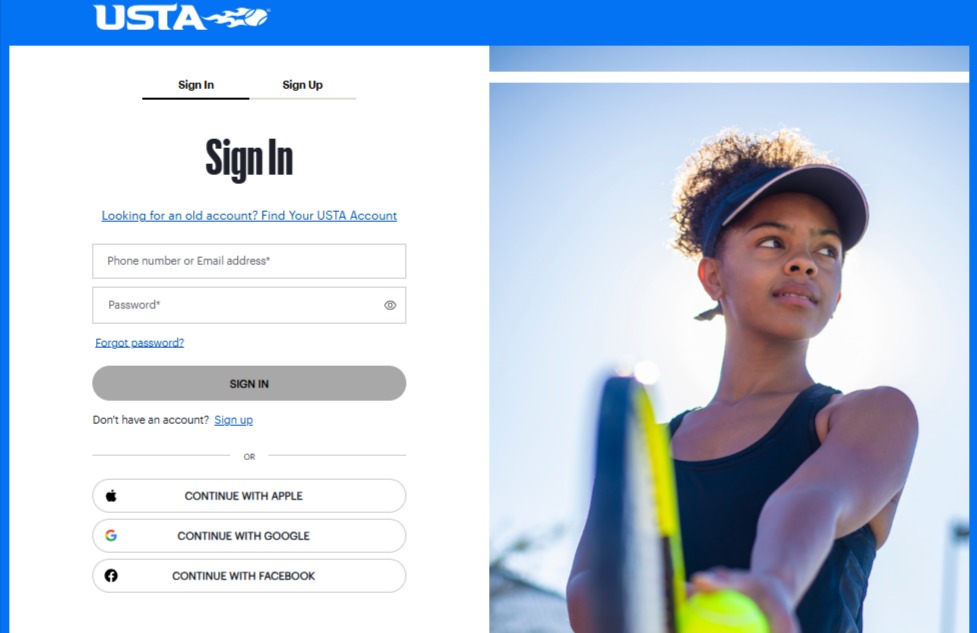
- Select the player: Sign in or create the required account, then select the player entering.
- Review eligibility: Complete any eligibility checks and review the possible charges.
- Submit the entry: Provide payment details and confirm submission.
In this workflow, you give card details at registration and are charged after selection.
Entering a UTR Sports event
UTR Sports uses its own event registration workflow. You sign in with your UTR Sports account, pick an available division from the event listing, pay at checkout and receive the platform's registration confirmation.
The event page also lists its scoring format and rating conditions. For the rating-system distinction, see how UTR and NTRP differ.
Entering a local club event
An independent club may use a registration form or direct contact with the organizer. Its stated conditions set membership, eligibility, fees and confirmation.
Can I enter doubles without a partner?Read that event's doubles-entry instructions. Some registrations require a named partner; others let you arrange one through the organizer.
Choose a draw format before you pay
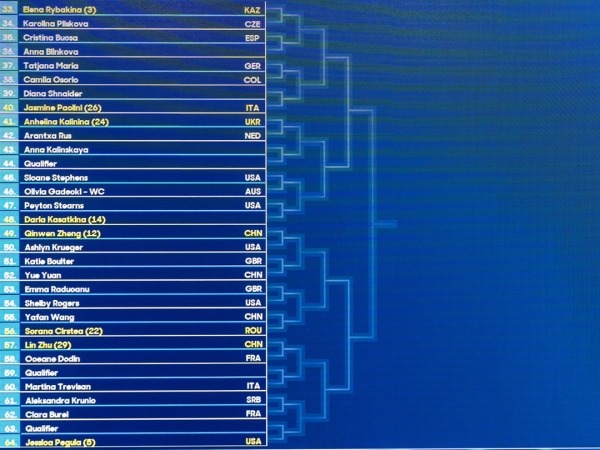
The draw structure decides what happens after a win or loss. If you mainly want to meet several opponents, pick an event that explicitly offers multiple matches rather than a standard knockout bracket.
| Format | What happens | What to expect |
|---|---|---|
| Single elimination | One loss ends advancement | You may play just one match |
| Round robin | Players compete within a group | More than one opponent may be scheduled |
| Compass or placement draw | Players can move into additional brackets or placements | The published structure sets any additional rounds |
| Consolation draw | Certain players continue after an earlier loss | Eligibility and further matches follow event rules |
Check the listing for match guarantees, consolation terms and scoring. Short sets, match tiebreaks or modified games change the expected playing time.

A first USTA round robin gave this player several short matches:
I had an opportunity to play in my first ever USTA tournament this weekend! It was an honor to play against compassionate yet competitive opponents. As a rising 3.0 player, I gained so many important insights into my game. Previous commenters in prior posts encouraged me to participate in a USTA tournament. I absolutely loved it and would recommend others to play in a USTA tournament. The round robin format was wonderful. You get a chance to play multiple opponents throughout the tournament (guaranteed matches regardless of outcome). I got to play four mini matches (seven games each). I somehow won a match! It was incredible.
USTA Southern California describes local Level 7 events that may last no more than one day and use formats such as round robin or compass draws.
Check fees, deadlines and withdrawal rules before entering

A closing time, cancellation terms or travel requirements can clash with your plans, so check these before you enter.
- Entry fee: The amount, plus any membership, travel or parking costs.
- Closing date: The registration deadline and time zone, plus eligibility-related cutoffs if stated.
- Withdrawal deadline: How to withdraw, and the cutoff after which the ordinary procedure changes.
- Refund terms: How the organizer handles cancellations, nonselection and other exceptions.
- Organizer contact: Save the Tournament Director's or event contact information for entry questions.
USTA's published tournament FAQs distinguish withdrawals before and after the registration deadline. Later refunds can depend on the circumstances and the Tournament Director.

Don't book nonrefundable transportation while your selection is pending. If your entry is unsuccessful, you still owe the travel cost.
Register, then verify whether you were selected
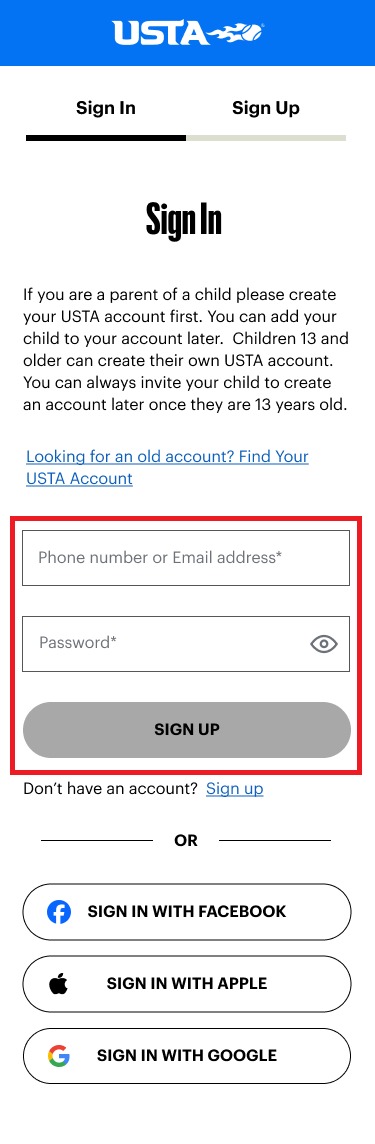
In USTA tournaments that use the player-selection process, your entry, your selection and the draw publication are three separate milestones. A confirmation only means the system received your entry.
| USTA stage | What is established | What you do |
|---|---|---|
| Registered or submitted | The entry request has been received | Monitor selection notices |
| Selected or admitted | The player has a place in the relevant draw | Await match assignment |
| Draw published | Match details are available | Read the match schedule and assigned location |
In the USTA online process, you receive a selection or nonselection notice. If you aren't selected, you aren't charged for that tournament entry.
What if the tournament page says “No Draws” after I register?USTA explains that this message can appear before the Tournament Director publishes the draws. Read your selection notice and any draw-publication instructions before reading anything into the missing schedule.

Read the draw and confirm your match time and venue
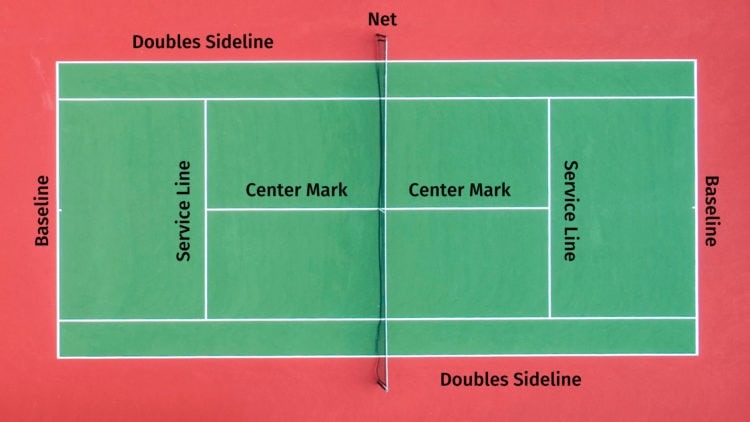
Once the draw is posted, find your match assignment: round, opponent (when shown), scheduled start and court site.
On the USTA tournament page, open the Draws tab and select your event. For a round robin, use Group List and View Matches (or the corresponding mobile control) to see scheduled times and locations. Other draw layouts show rounds and match assignments.
- Time and round: The listed start time and round for your match.
- Venue: Save the full address for that assignment, since some tournaments use several facilities.
- Check-in: Follow the organizer's stated reporting place and arrival instructions.
- Updates: The director may change times or courts for weather or scheduling. Watch the organizer's messages, contact the Tournament Director with questions, and recheck your match details before you travel.
A tournament might show one host club on its overview page while assigning your match at another facility. Go by the draw and site instructions.
Bring your racket, court shoes, water and anything the organizer requires.
What your first tournament day may feel like

At practice, you know the players and when the hitting stops. At a tournament, your first opponent may be a stranger, the score counts from the opening point, and the time between matches follows the draw. You may be there on your own, especially at a local singles event. That shift can feel unfamiliar even if you play often.
What to take from your first match result
Your score records the result, and it can differ sharply from how your strokes felt. One first-time competitor described that uneasy contrast after a win:
I won my first real tennis tournament match today and somehow I feel worse than if I had lost. I’m 32, started playing around October, and I beat a guy who’s been training for a few years. The score was basically 7-5 6-4. The weird part is that I felt like he was clearly the “better-looking” player technically. In practice I usually hit pretty deep balls and can play aggressive tennis, but in the match everything disappeared. Tight arm, short balls, no confidence, ugly points. Meanwhile he had cleaner strokes and looked much more athletic than me. But he made a lot of double faults and errors, while I basically just kept the ball in play and survived.
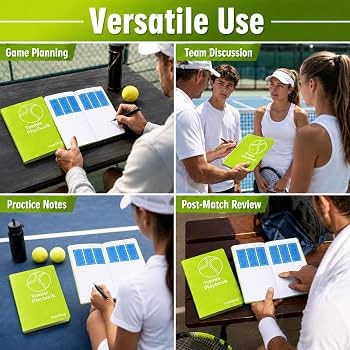
After your own match, write down one thing that held up and one thing to fix at your next practice. Perhaps your second serve stayed reliable while your rally depth disappeared once the score counted. Those notes give your next session a purpose. For a deeper practice plan focused on competitive pressure, see working on match nerves.