
If you play freely in practice but tighten up when points count, pick one tennis-specific intention and a short reset between points. Rehearse both in scored practice. If the same errors happen without pressure, or the symptoms are severe, you need technical coaching or a professional. After the match, check whether you used the routine.
Why Tennis Feels Different When the Score Counts
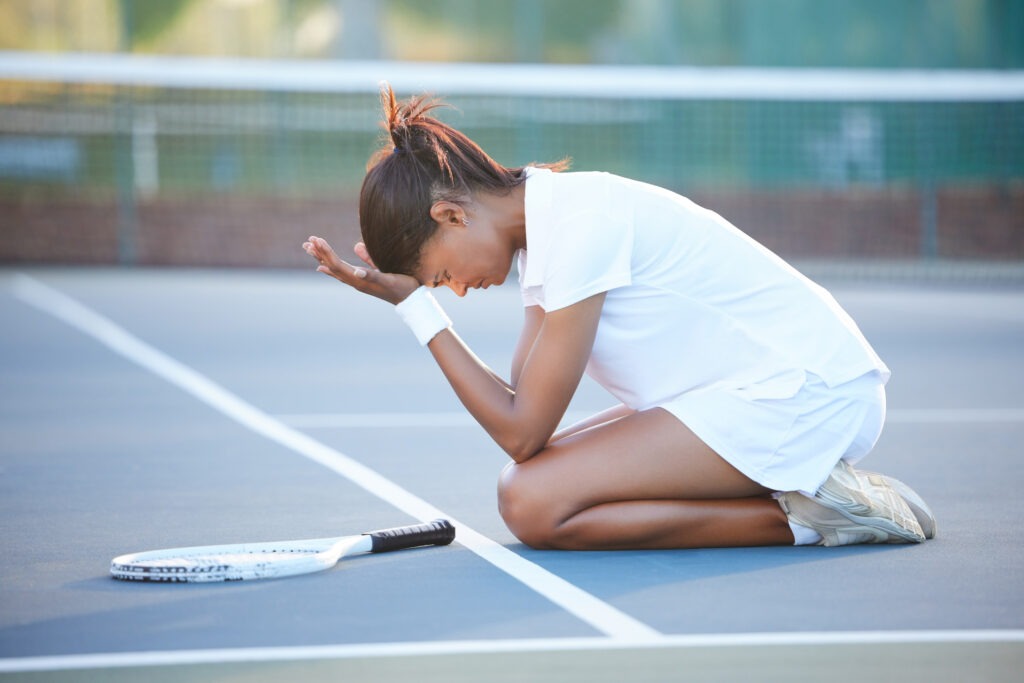
A forehand that felt effortless in the warm-up suddenly lands halfway up the court. You begin guiding the ball, hoping your opponent will miss. On the next break point, you rush your serve. The strokes you know how to hit have started to feel unfamiliar.
Hitting with someone and playing against them are different things. In a cooperative rally, both players try to keep the ball going. In a match, your opponent tries to make your next shot hard, and the score makes every decision feel costly. Sometimes your shots change before you feel nervous.
One recreational player described that contradiction after winning a first tournament match:
I won my first real tennis tournament match today and somehow I feel worse than if I had lost. I’m 32, started playing around October, and I beat a guy who’s been training for a few years. The score was basically 7-5 6-4. The weird part is that I felt like he was clearly the “better-looking” player technically. In practice I usually hit pretty deep balls and can play aggressive tennis, but in the match everything disappeared. Tight arm, short balls, no confidence, ugly points. Meanwhile he had cleaner strokes and looked much more athletic than me. But he made a lot of double faults and errors, while I basically just kept the ball in play and survived.
Match conditions also change the ball coming back. A stronger return, different pace, fatigue or wind alter your contact and shot depth. Watch for two signs: forehands landing shorter once the score gets close, and your usual service preparation vanishing at break point.
Choose a Reset for the Pressure Pattern You Notice
Your first response should fit what you see on court. Rushing between points calls for a different fix than silently analyzing your racket face on every forehand. Find the row closest to your behavior and start with one cue.
| What changes | Possible first cue | What to watch for |
|---|---|---|
| You hurry into the next point. | Pause long enough to pick a serve or return target. | You know your target before the point starts. |
| Your arm feels stiff and the ball lands short. | Swing comfortably toward a generous target. | The ball lands in your intended area with room to spare. |
| You mentally recite forehand mechanics. | Aim at one visible crosscourt landing zone. | Your eyes stay on the ball and the landing area. |
| You become protective of a lead. | Pick a first-ball pattern you can play. | Your first shot follows that pattern. |
| Your second serve becomes hesitant. | Use a familiar, reachable service target. | Second serves land inside the service box. |
| One error leads to hurried decisions. | Finish the previous point, then pick the next task. | You prepare fully before the next point. |
You may recognize more than one row. Start with the behavior that is disrupting the next point. A checklist of breathing instructions, tactical rules and swing corrections takes the attention you need for the ball.
The USTA's green/yellow routine framework separates ordinary play from moments when you need to recover after frustration or difficulty. The table applies that idea to specific tennis problems. At the next changeover, pick one symptom and write its cue in words you will remember under a score.
Use a Short Routine Between Points, Then Get Ready to Play
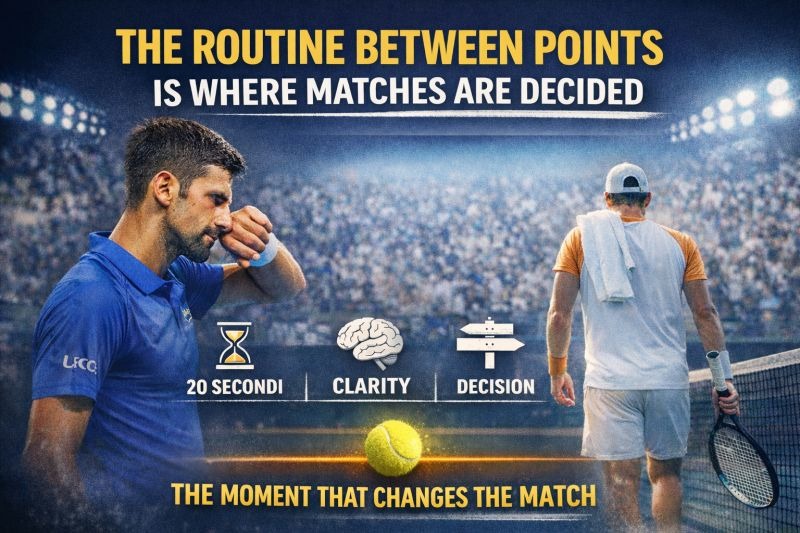
A between-point routine gives your attention a familiar sequence after an error, a winner or a difficult rally. You can run it while nervous, and it prepares your next shot.
The USTA's match-focus guidance describes four stages you can use around points:
| Stage | What it means | On-court example |
|---|---|---|
| Respond | Let the previous point finish. | Acknowledge the missed ball or winner. |
| Recover | Settle into comfortable physical readiness. | Release unnecessary shoulder or grip tension. |
| Refocus | Give the next point one achievable task. | Choose a familiar service target. |
| Ready | Prepare to execute the task. | Take your position to serve or receive. |
Imagine double-faulting at 30-30. The score becomes 30-40, and you're facing break point. You let the frustration pass, step back into your normal preparation, release tension in your shoulders and choose a familiar first-serve target. Then you return to your serving position, look at the target and begin your motion. Nerves or not, you have a plan for the ball.
The receiving version is shorter. As the server prepares, notice their position, settle into a ready stance and hold one return cue, such as "watch the ball." Then get ready to react.
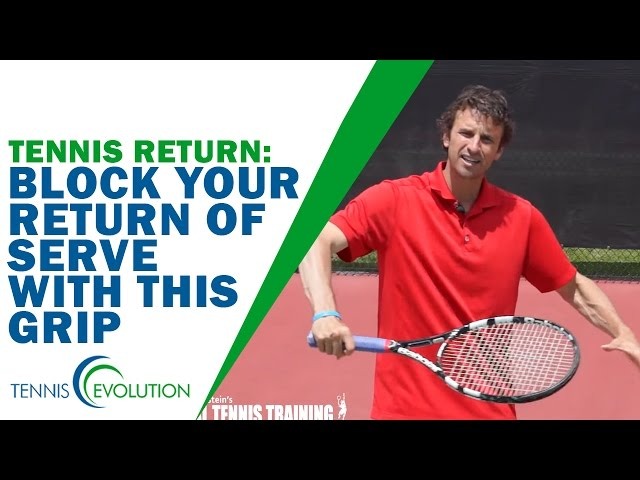
The Association for Applied Sport Psychology describes personalized mental and physical routines for serving and returning. Keep yours short. If a step creates hesitation, cut it.
A meta-analysis by Rupprecht, Tran and Gröpel analyzed 112 pre-performance-routine effect sizes and found average performance benefits in the sporting situations studied. A separate meta-analysis of 21 choking-intervention studies reported differences across tasks, with more consistent indications for relatively closed skills after adjustment for publication bias. Both support rehearsing a personal routine.
Serving gives you time to prepare an action you start yourself. Returning means reacting to your opponent's motion, so your routine shrinks to a ready stance and one cue. A four-part reminder card keeps the stages familiar without fixing a breath count, a ball-bounce ritual or a number of seconds.
When You Start Overthinking Every Forehand
Detailed stroke instruction helps in practice. In a fast rally, several thoughts about mechanics are hard to hold while you move to the ball.
One tournament player described how a few missed forehands changed the way later shots felt:
The best example is my forehand. In training it feels natural. I don’t think about it, I just play. During the tournament I started missing a few forehands and suddenly I found myself constantly thinking about technique. Contact point, swing path, racket angle, what I should change, what I was doing wrong etc. The more I tried to fix it, the worse it got. At some point it felt like I wasn’t even playing tennis anymore, I was trying to manually control every forehand. I started hesitating, my footwork got worse and shots that are normally routine suddenly felt awkward.
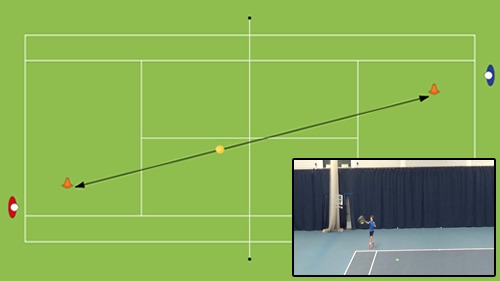
In the next rally game, pick one landing zone, such as a crosscourt area with comfortable net clearance, and let it guide your shot choice. Save mechanical notes for your next technical session.
A tennis anticipation study found that an explicitly instructed group performed worse under one anxiety-provoking transfer condition than groups taught through discovery-based approaches. The study concerned anticipation skills.
When You Feel You Should Win, Play the Next Point Instead
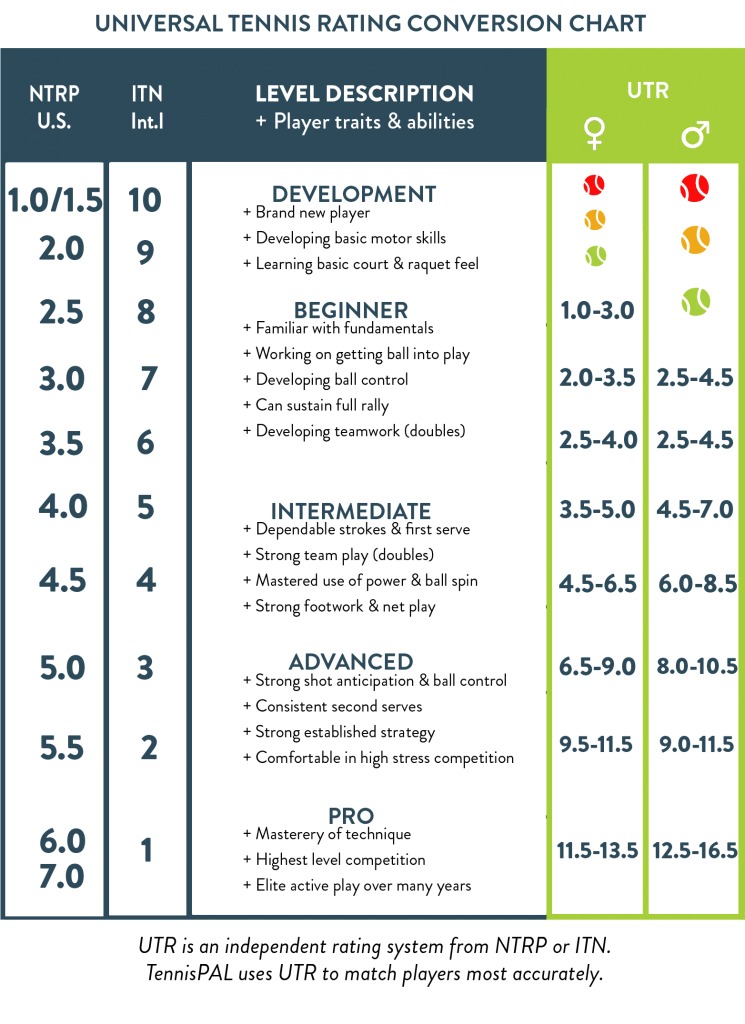
Playing an opponent you expect to beat makes every missed shot feel costly. The score becomes a test of your own expectation, and each point is harder to play on its own terms.
One recreational player described taking lessons and entering tournaments while repeatedly struggling against familiar opponents:
I'd just like some general advice on how to overcome this. I've been playing tennis for almost 2 years now, and I NEVER WON A SINGLE COMPETITIVE MATCH. I take classes once or twice a week and have played 6 or maybe 7 tournaments until now. I always lose round 1. And yes, sometimes I just faced better players that I would never beat, and that's OK, but I also lose to players who are clearly worst. Yesterday I was humiliated by a guy I regularly take classes with, and I KNOW I'm better than him because everytime we play during practice I beat him. But somehow I just 'unlearn' how to play just because it's a competitive match. Funny enough, I usually play better against better players, it's like I put more pressure on myself when I feel I should be beating that guy.
The player beats this classmate in every practice game, so losing to him feels like a failure.
Winning the set is an outcome goal. A process goal gives the next point a first action you control: serve toward a comfortable target, return through the middle with depth, or hit a crosscourt rally ball with enough margin to stay in the point.
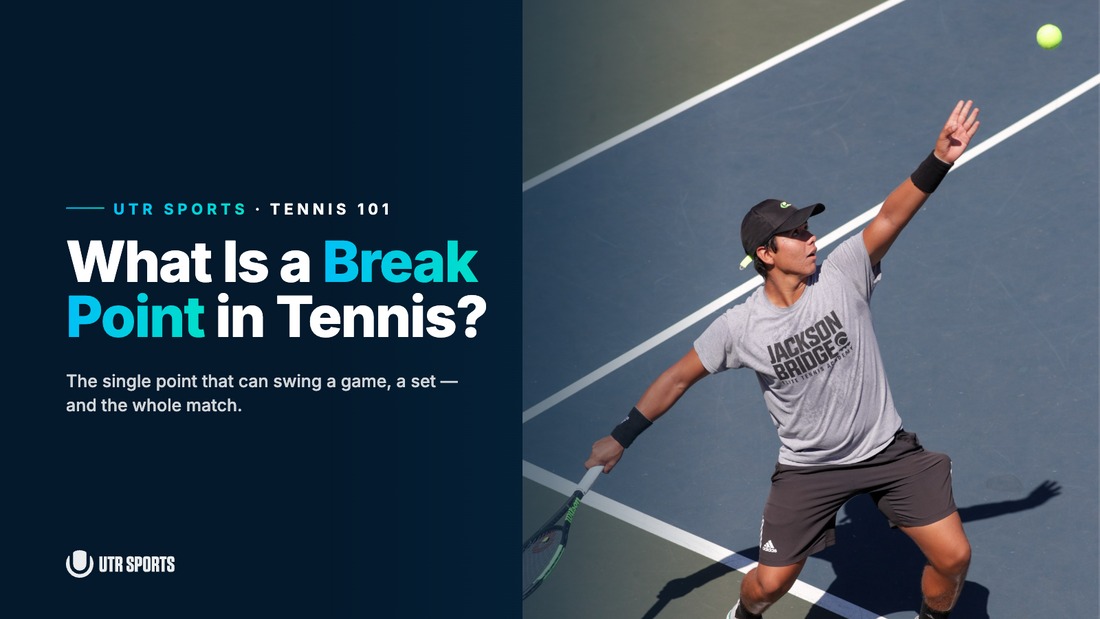
Say you are serving at 5-4 for the set. Your first-ball plan is a familiar serve target followed by a deep rally ball. At deuce against an aggressive returner, a different serve location can make better tactical sense. Choose what you can execute with your shots against the opponent in front of you.
Cautious play is sound tennis. Against an opponent who makes frequent unforced errors, a patient crosscourt pattern is often the most effective choice. Fear matters when you drop a sensible plan only because the score feels threatening.
At your next pressured point, name your first-ball intention before the point begins, then check whether you attempted it. That check counts even when your opponent wins the rally.
If Your Arm Tightens or Your Second Serve Disappears
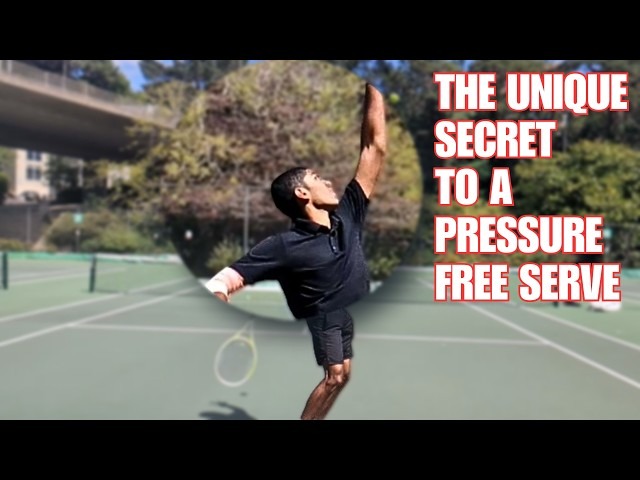
A tight arm shows up as a hesitant swing, short groundstrokes or a cautious second serve. Sometimes you notice stiff shoulders. Sometimes the first sign is the ball landing well short of its usual target.
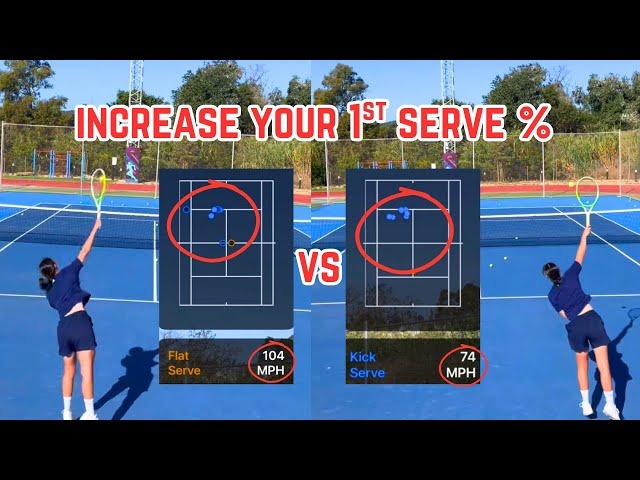
Serving feels exposed after consecutive double faults. You have time to think before the next attempt, and you may start rehearsing several technical fixes. A familiar landing area and a comfortable motion give the serve one immediate task. After two double faults in a service game, aim at a known target in the service box. Changing toss height, grip and swing path at once adds new demands in an already difficult moment.
A 2024 experiment tested left-hand contraction during second serves in 40 skilled right-handed players. The contraction group achieved the maximum score more often under the tested pressure condition than in the pretest, but neither group showed the predicted pressure-related decline.
During a scored serving session, count first and second serves that land in separately. Then compare those numbers with relaxed, unscored serving.
Rehearse Pressure Before Your Next Competitive Match
Scored practice lets you use your routine while another player is trying to win. A comfortable rally trains strokes and movement. A practice game adds decisions about points, leads and mistakes.
| Practice format | Setup | Routine task | What to observe |
|---|---|---|---|
| First-to-seven rally game | Play ordinary points until a player reaches seven. | Use your chosen cue before each point. | Whether you keep using the cue as the score gets close. |
| 10-point match tiebreak | Play a practice match tiebreak in the agreed format. | Keep your preparation the same as the score changes. | Your behavior near the finish and at close scores. |
| Service game starting at 30-40 | Start a practice game with the server facing break point. | Prepare for a familiar serve target. | Your serve and whether you followed the routine. |
If you are new to match play, a friendly rally game is demanding enough. If you play league tennis, the service game at 30-40 suits you better. Keep the stakes sporting.
Routines, task-focused attention and simulated pressure all appear in sport-performance research. A 2024 synthesis covered 29 qualitative articles.
The pressure-training interview study interviewed eight elite athletes and eight sport psychologists in 2022 about creating competitive demands in training. Its design principle: the practice situation should carry some of the decisions you face in competition. An opponent, a visible score and a realistic starting point provide that.
At your next session, use one scored format with the same cue throughout, and see whether you follow your preparation when the score feels uncomfortable.
Review What You Did After the Match
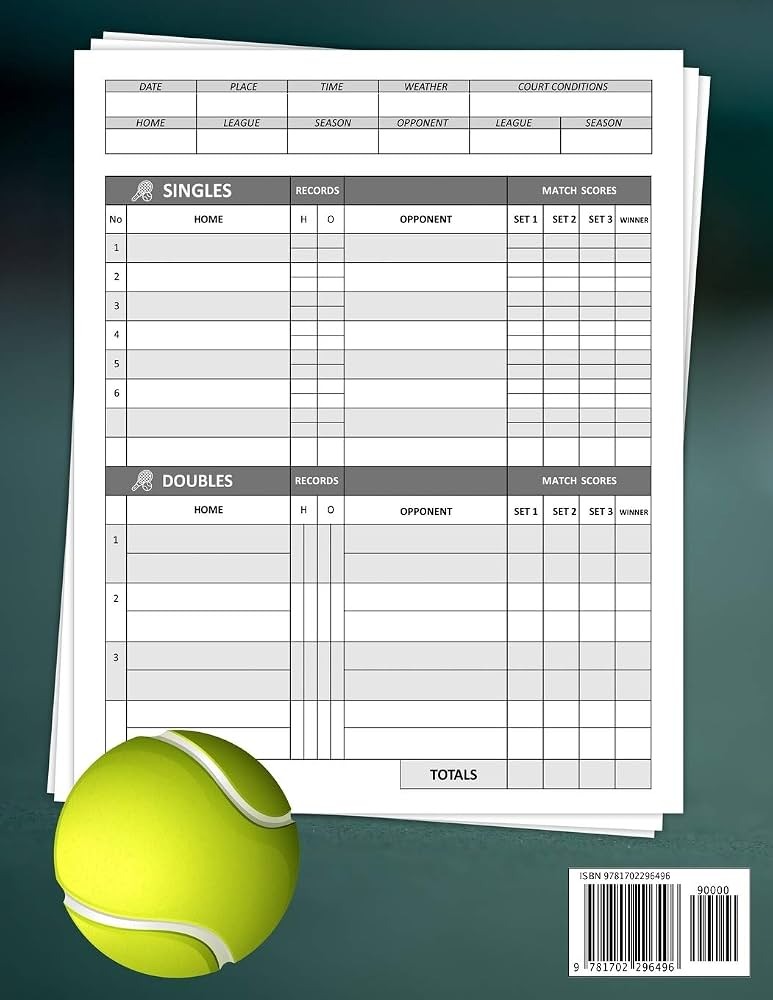
A score records the result. Your post-match review records the cue you used, the shot you attempted and what shaped the point.
You can lose a close match while preparing consistently on important serves. You can win while guiding groundstrokes because your opponent commits frequent errors. In both cases the score and your behavior tell different stories.
While the match is fresh, record four details:
| Field | Example entry |
|---|---|
| Trigger or context | Serving at break point |
| Cue used or forgotten | Selected the planned service target |
| One tennis observation | Second serve landed in; rally ball reached the intended area |
| One confounder | Opponent returned deeper than usual |
Compare the cue you attempted with the shot you observed, and keep the opponent and conditions in mind when you read the result.
Your own recollection of a tight arm counts. A coach's observation or unedited video adds detail about movement, shot preparation and ball depth. Compare matches against similar opponents in similar conditions.
After your next comparable match, look for changes in your behavior and cue use, and build your next practice task from them.
When a Routine Isn't the Right Fix
A routine addresses pressure behavior. These situations call for something else:
- A second serve that misses just as often in relaxed practice has a technical problem. Fix it in dedicated practice with a coach.
- A forehand that breaks down in relaxed crosscourt hitting needs technical feedback, whatever the score.
- Tight muscles, hesitant movement and missed serves can have technical or physical causes as well as pressure-related ones. Stronger opponent returns, fatigue and changing conditions can explain some match difficulties.
- Persistent physical pain or severe, disabling distress needs assessment by an appropriately qualified professional.