
As a developing singles player who can sustain a rally, start with a repeatable deep, high-margin ball, usually crosscourt, and recover for the likely reply. Defend when the incoming ball rushes or stretches you. Attack when you reach an easy opening in balance and can prepare for the next shot. Test the plan in live points and track bad choices separately from missed strokes.
Start With One Singles Game Plan You Can Use
You can walk onto a singles court knowing how to hit a forehand and backhand, then spend an entire set wondering where either one should go. Once the point starts, there is little time for a complicated checklist.
Give yourself one instruction before the match: choose a large, repeatable target, then get ready to play another ball. That is your neutral starting plan.
An adult player preparing for a singles league asked it directly:
I'm a 3.5 about to play a 3.5-4.0 singles league. What's a simple, general strategy to help win more matches? I'm thinking just patiently hit cross court with spin and net clearance until there is a short ball to attack. I can only keep one thing on my mind when playing so it needs to be simple to execute. Thanks in advance!
Deep crosscourt is a good first plan, and it leaves you room to react to the next ball.
Read the Ball Before Choosing Your Tactic
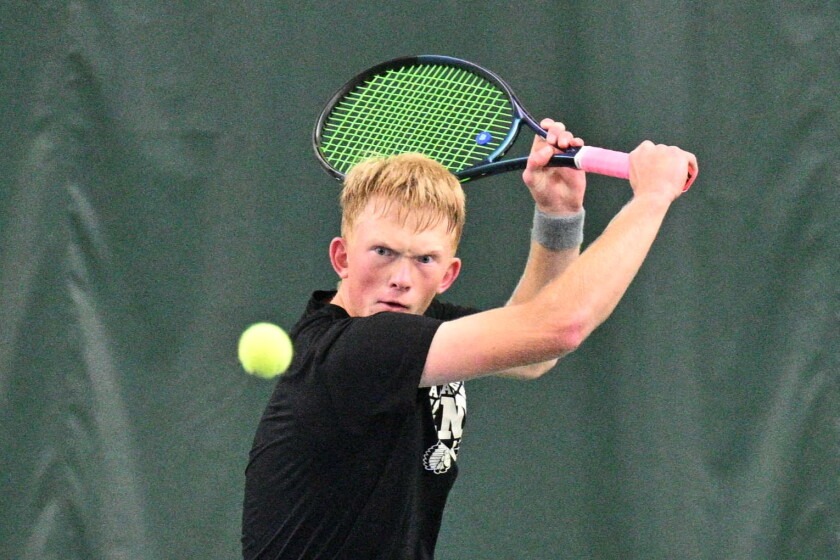
The ball arriving at your racket decides how ambitious your reply can be. Check its depth, height, pace and angle, how much time you have to prepare, and whether you are in balance.
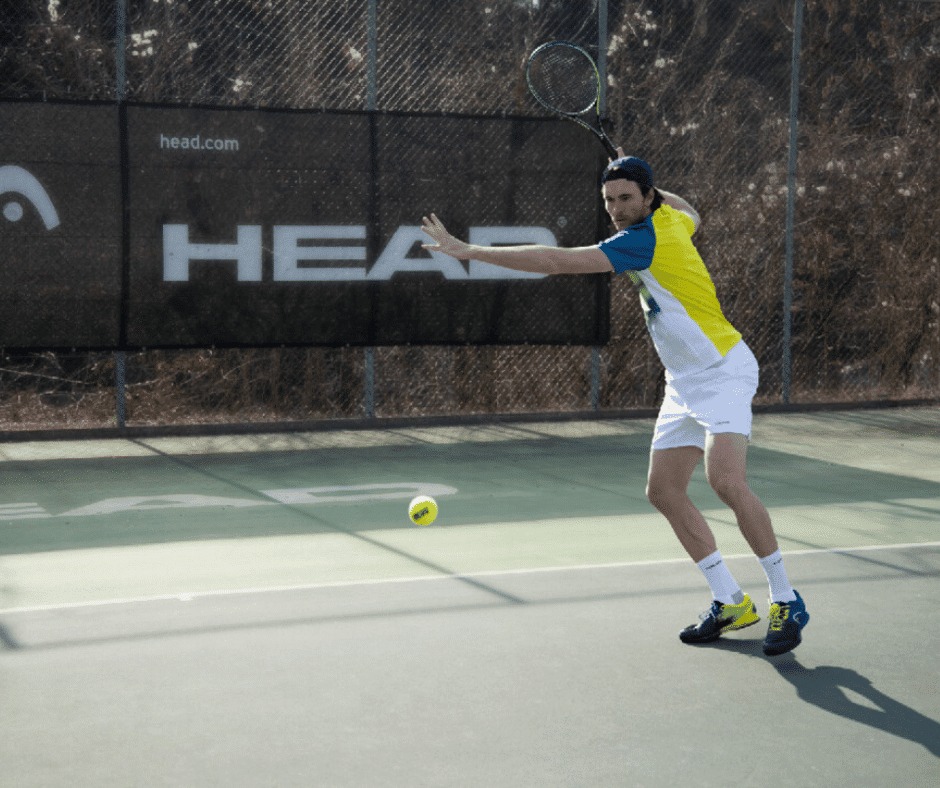
Consider two balls landing near the same spot. You reach one early at a comfortable contact point. The other catches you moving backward and late. The bounce looks the same, but the two balls call for different decisions.
| Incoming ball | Your position | First intention | Switch when |
|---|---|---|---|
| Deep, fast or wide | Late or stretched | Send back a safe ball with margin and regain court position | You are back in balance and the next ball comes at a height and pace you can handle |
| Routine medium-depth ball | In balance, no clear advantage | Rally toward a large target with good depth | Your ball pulls the opponent wide or gives you an easy opening |
| Short ball that stays low | Contact is awkward or hurried | Lift or place the ball safely and stay ready | A later ball sits up and gives you time for stable contact |
| Short ball that sits up | Time to set your feet | Attack or approach with control | Your contact or recovery position gets worse, so you reset |
| Reply to your attempted attack | Pulled off balance | Reset with a higher-margin reply | You recover and the opponent offers an easy ball again |
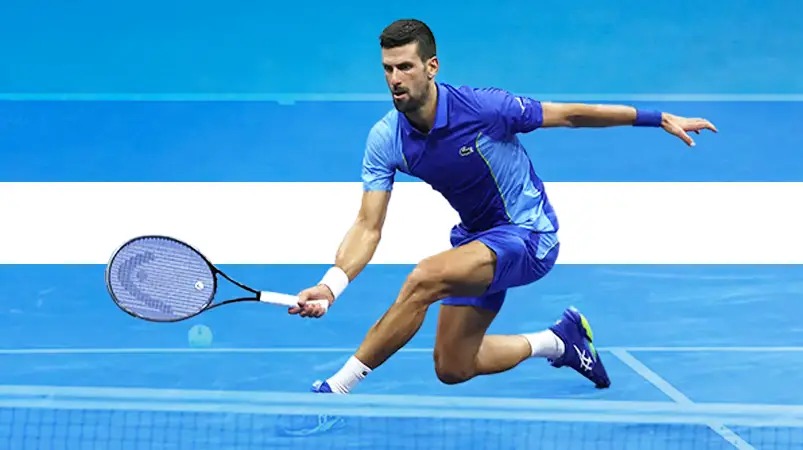
On cooperative feeds of mixed depth and height, call “defense,” “neutral” or “attack” just before each stroke. Afterward, check whether your balance and contact point supported the call. If you keep calling attack while reaching desperately, fix the decision before you add pace.
Choose Crosscourt, Down the Line, or Middle for a Reason
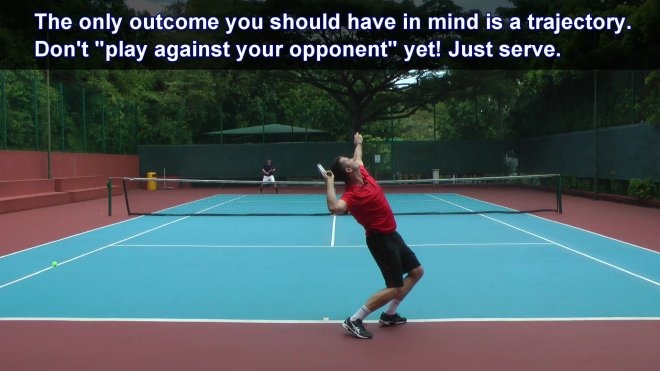
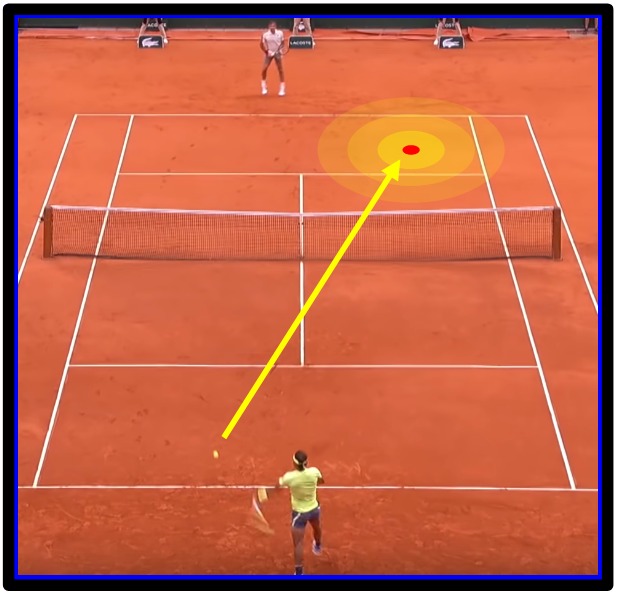
A balanced neutral ball suits a generous crosscourt target. The diagonal gives you more court, and many crosscourt trajectories pass near the lower part of the net. Your target still needs net clearance and space from the lines.
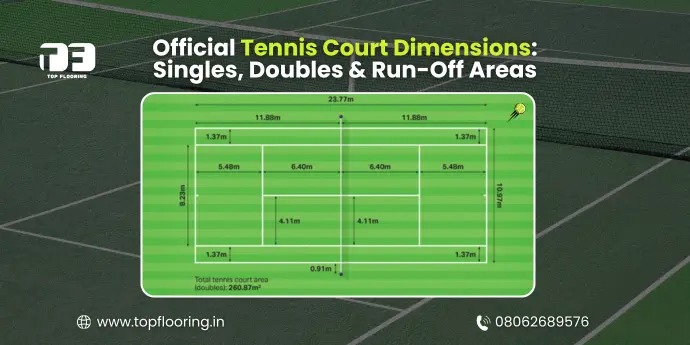
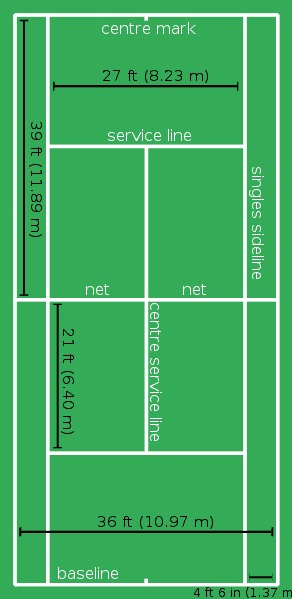
On a standard singles court, the sidelines are 27 feet apart and the baselines are 78 feet apart. The net is 3 feet high at the center and 3.5 feet at the posts, according to the International Tennis Federation tennis glossary.
| Direction | When it fits | What it offers | What you must cover next |
|---|---|---|---|
| Crosscourt | Neutral rally in balance | A broad diagonal target and a net crossing toward the center | Another crosscourt exchange, or the opponent's change of direction |
| Down the line | Stable contact and a real opening | Changes direction and pressures a displaced opponent | A diagonal reply to the other side of your court |
| Deep middle | Late contact or shaky control near the sideline | Cuts the accuracy you need to stay in the point | A central attack if the ball sits up for the opponent |
Pulled far wide and late, hit a deep middle or diagonal ball. It asks less of your timing.
Keep Your Neutral Rally Ball Deep
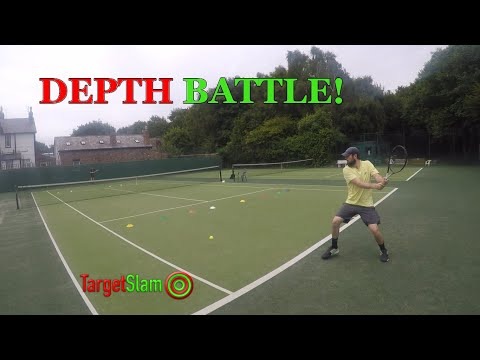
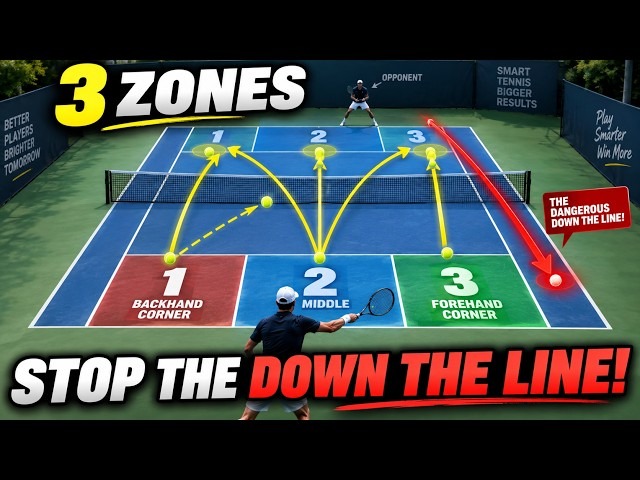
A deep rally ball bounces near the opponent's baseline and leaves room inside the singles lines. Repeatable depth matters more than maximum pace or line-painting. Repeated short balls let an opponent step in and take control, especially one who moves forward confidently.
In practice, mark a broad deep target area and rally to it from steady feeds, alternating a diagonal and a central target. Watch where the balls bounce and whether you can cover the next one. Keep the depth and direction you can sustain.
Recover for the Opponent's Next Shot
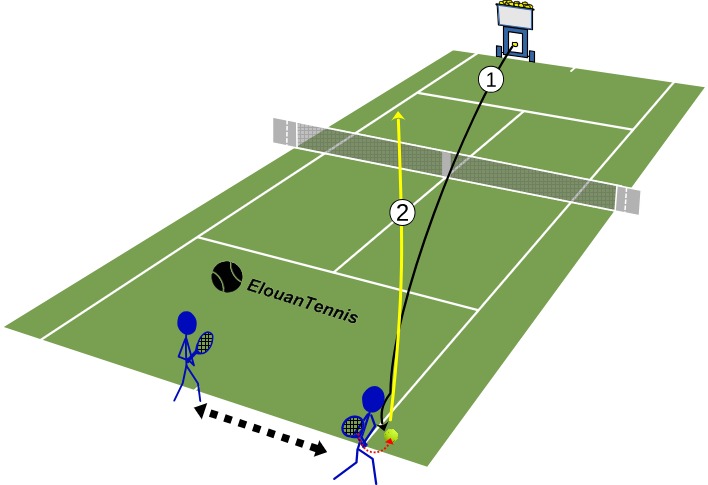
Recovery means covering the opponent's likely next shot. In a neutral exchange, the middle of the baseline is a good beginner reference. In live points, adjust it to the shot you sent and to where your opponent can reply from.
At the USTA National Campus, coach Rita Gladstone demonstrates a “Ready, Rally and Recover” drill built around returning toward a baseline home base. The USTA court-positioning lesson uses the middle as a simple starting cue.
After a crosscourt groundstroke, stay a little toward the side that covers the likely crosscourt reply. After changing direction down the line, shift your attention and recovery farther toward the opposite crosscourt opening. An opponent who reaches your shot late has fewer good options, so you don't need a large adjustment.
If your shot sits up short and the opponent moves inside the baseline, the right recovery zone changes again. A normal baseline rally position leaves too much court open against that attack.
After hitting a practice ball, pick one or two likely return lanes, take your recovery position, and compare your expectation with the actual reply.
Know When a Short Ball Is Worth Attacking
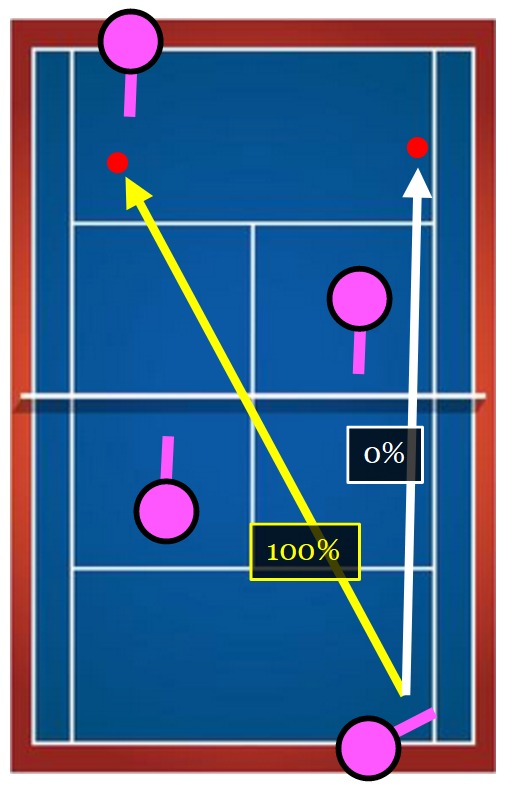
Not every short ball is an invitation to attack. One sits up. Another skids low, pulls you wide or arrives before you can balance.
A recreational player who had settled into steady, spinning groundstrokes described how awkward the move to attacking feels:
I've been playing about a year and a half, mostly group classes and 2.5-3.5 ladders and leagues. I've been following the advice of this sub and just learning from matches and have gotten very comfortable avoiding trying for winners and just hitting deep, spinny groundstrokes that eventually lead to errors for my opponents. The problem comes when the opponent doesn't necessarily hit an error but hits a weak shot into the service box and I feel the opportunity to be more aggressive. My gut is to hit an aggressive approach and volley, but typically three things happen:
The same post goes on to describe three problems: overhit approaches, a vulnerable net position and indecision in midcourt. All three trace back to the choice made before the approach: whether an attack is available and how you will handle the return.
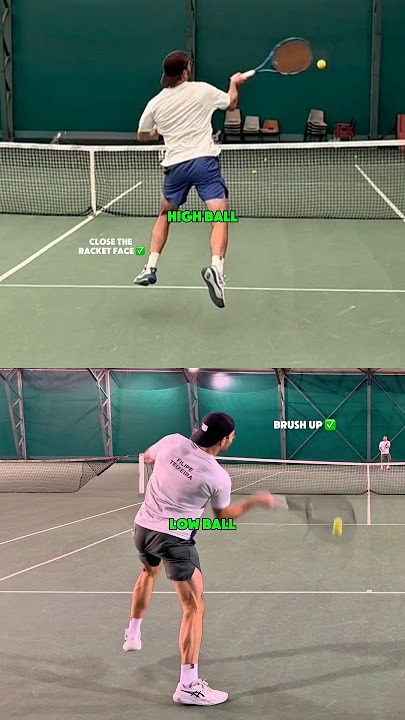
- Contact height: A high ball gives you more options than a low bounce you have to lift.
- Arrival and balance: Reach the ball stable enough to control your target.
- Time and placement: Pick a generous area you can hit without rushing or aiming at the line.
- Readiness for the reply: Leave yourself ready for a pass, a lob or another groundstroke.
Take a waist-high ball that sits up, with time to set your feet, and a skidding ball near the service line that you reach leaning forward. Approach on the first. Place the second safely and reassess.
On mixed short feeds, use those four conditions to decide when to approach, and follow the next ball as well as the approach itself. A sound approach can still draw an excellent reply.
Start the Point With a Serve or Return You Can Play
The serve and return set up your first groundstroke. Start the point with a ball you can place, then choose your next shot from what comes back.
Say you place your serve and get a central return. If it reaches your forehand at an easy height, hit a deep crosscourt ball. If it drives you back or stretches you, play the defensive ball that keeps you in the exchange.
For returns, the USTA first- and second-serve lesson gives distinct target suggestions:
| Serve received | Starting response | Why it fits |
|---|---|---|
| Wide first serve | Controlled crosscourt return | Gives you a generous diagonal target from a pulled-wide contact |
| Body or T first serve | Ball toward the middle | Cuts the precision you need when contact is cramped |
| Manageable second serve | Step in if you are set; use depth and spin | Uses the available time and leaves a playable next shot |
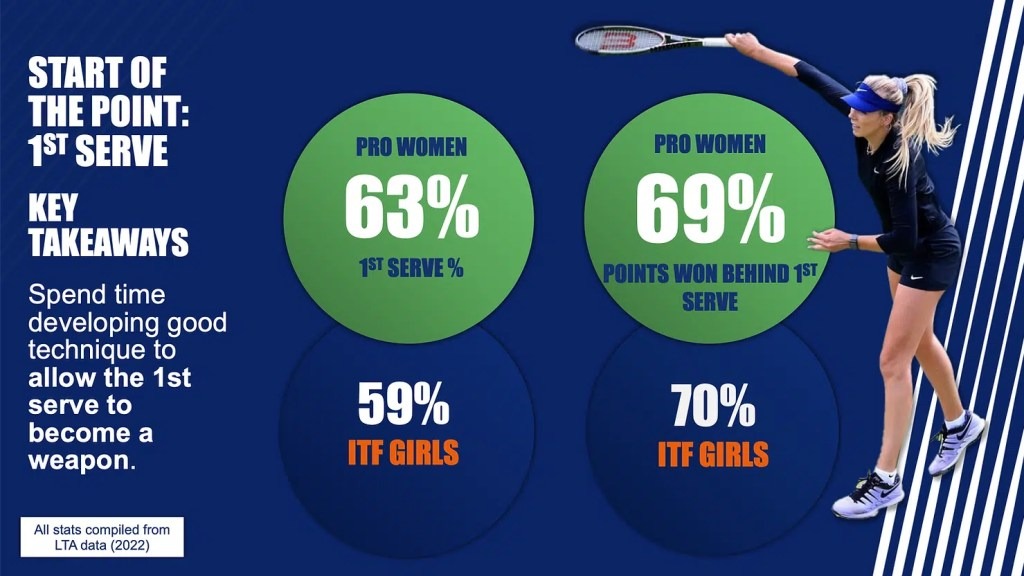
In a short return drill, alternate a wide first-serve scenario with a manageable second serve. Pick a broad target for each and check whether your reply lets you keep playing the point.
Change One Thing When Your Pattern Stops Working
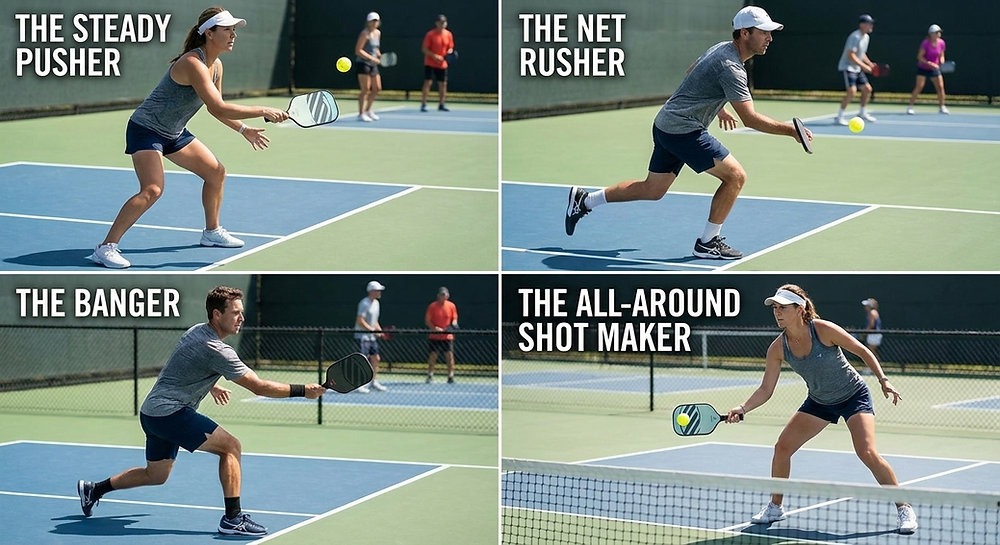
A reliable rally pattern gives you a starting point. When your opponent starts handling it, base your next adjustment on what you can see, including your own misses.
Suppose an opponent sends your hard crosscourt ball back at a steady, slower pace and leaves you no easy attack. Hitting harder from the same position produces more of your own errors. If your usual ball lands short, fix its depth before you add speed. If the opponent has moved wide and your contact is stable, change direction. Before you target an opponent’s backhand repeatedly, check whether those returns arrive on time, run late or land short.
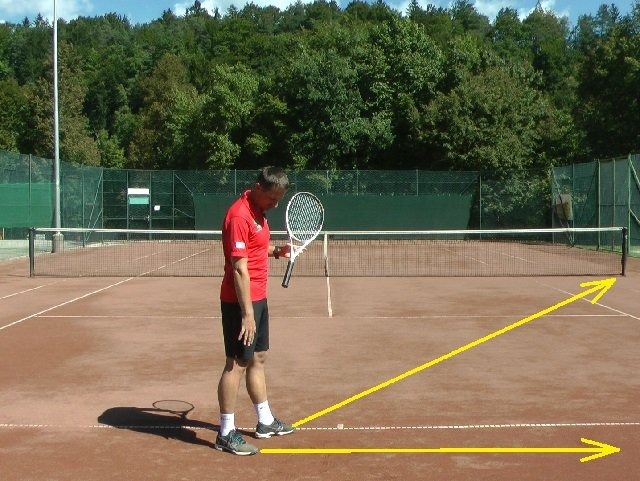
For a short stretch of play, change one thing, depth or direction, and keep your usual margin. Compare the opponent's next reply with your own error rate.
Separate a Bad Choice From a Missed Shot
A lost point comes from an unsuitable target, a stroke that misses despite a sound plan, or an opponent's excellent reply. Each calls for different practice, so record your intention as well as the result.
One r/10s player charted six practice sets and found an error pattern at odds with their own account of why matches were going badly:
I’m a solid 3.5 (self-rated, but confirmed by league play) who likes to think I have weapons. I tell myself I lose matches because my opponents are pushers or because my serve was just off that day. So, I decided to actually chart my last 6 practice sets. I recorded how I lost the point. Net errors: 42% (mostly dumping forehands into the tape) Long: 35% (trying to paint lines or overhitting) Wide: 15% Double Faults: 8% I hit exactly 4 clean winners in 6 sets. Four. Meanwhile, I donated about 15 points per set purely by hitting the net on routine neutral balls. I realized I don't need a heavier racquet, more poly, or a new kick serve. I literally just need to aim 3 feet higher over the net and stop trying to hit a passing shot when my opponent is standing at the baseline.
In those six sets, net and long errors made up most of the lost points, and the player hit just four clean winners.
| Incoming situation | Planned shot | Good or bad choice | Execution, result and next practice task |
|---|---|---|---|
| Neutral ball, in balance | Deep crosscourt | Good | A net miss points toward clearance or execution practice |
| Wide ball reached late | Hard down the line | High risk | A wide miss raises a target-selection problem |
| Comfortable high short ball | Controlled approach | Good if well prepared | A passing winner calls for a review of approach placement and reply coverage |
| ________________ | ________________ | ________________ | ________________ |
Start with cooperative feeds so you can name the incoming situation and your planned target. Move to varied feeds, including balls whose depth and height you cannot predict. Finally, chart ten counted points with one short entry per point covering the incoming ball, your target, your execution and the result.
An entry might read: “Balanced neutral ball; deep crosscourt; sensible target; missed into net; practice clearance.” If you repeatedly choose a demanding line while stretched, revisit the target. If the choice holds up but the same stroke keeps missing, work on the stroke. Forced and unforced errors are hard to separate, so describe what happened before you label it.