
Start with a shared stay-or-poach call and have the server acknowledge it before serving. Add T, body, or wide requests once the server can place the ball usefully. If the signals cause confusion, use a short verbal plan. Before your next match, agree on open-court coverage and on what a first-serve fault does to the call.
A beginner-friendly system you can agree on before the first serve
You are about to play doubles with someone you barely know. You're standing near the net, your partner is preparing to serve, and neither of you knows whether the other expects you to move. Two simple calls can settle that before the point starts.
- Stay: The net player holds position and doesn't plan to cross.
- Poach: The net player crosses toward the middle to intercept the return, and the server prepares for the space that movement exposes.
One common convention uses a closed fist for stay and an open palm for poach. The Lawn Tennis Association's doubles guidance describes these gestures as part of a pre-serve signaling system. A partnership can adopt them, but tennis has no universal code.
A stay call rules out a planned cross. The net player can still volley any ball within reach once the rally starts.
A player getting ready for a first USTA doubles match asked for exactly this:
First time I’m playing USTA doubles and I want to have doubles hand signals with my partner to call plays. Does anybody have a set of signals that I can start off with? Or if anyone has any ideas on how to communicate in doubles that would be greats Thanks.
With a new partner, the net player shows an open palm behind their back and waits for a quick acknowledgment from the server. Both then expect the cross. Two choices are enough before you add a vocabulary for serve locations.
What the hand signals mean for serve direction, stay and poach
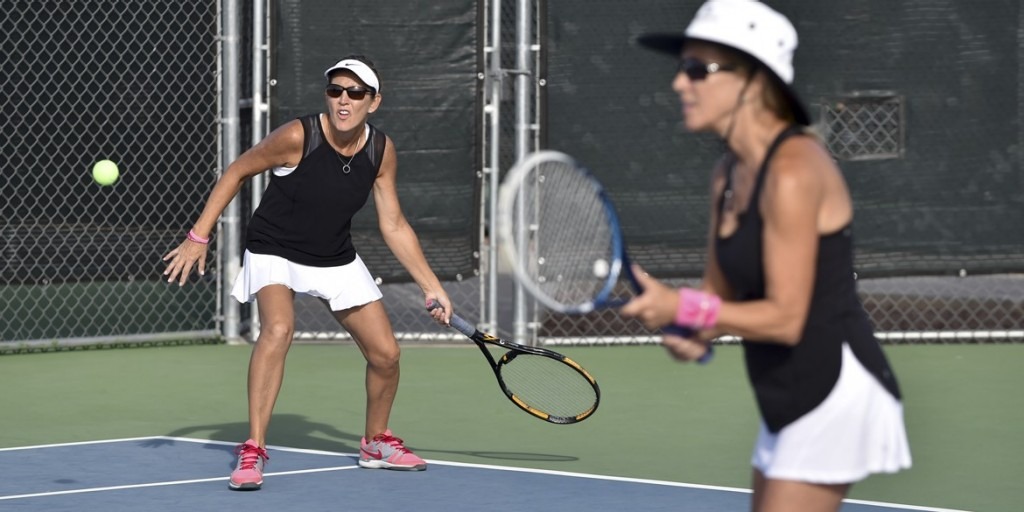
Doubles signals carry two messages: where the server should aim and what the net player will do. In a two-part system, the net player signals the serve location first and the movement second.
The table follows the left-hand signaling explanation from Be Gr8 at Tennis. The deuce and ad columns show the service court the server is serving from, and both players read each gesture from the net player's signaling-hand perspective.
| Call | Example on deuce side | Example on ad side | What it means |
|---|---|---|---|
| Stay | Closed fist | Closed fist | No planned crossing poach |
| Poach | Open palm | Open palm | Net player plans to cross for the return |
| Serve T | Thumb or index finger pointing sideways | Little finger pointing down | Aim toward the center of the service box |
| Serve body | Middle finger pointing down | Middle finger pointing down | Aim toward the returner's body area |
| Serve wide | Little finger pointing down | Thumb or index finger pointing sideways | Aim toward the outer part of the service box |
| Fake poach | Separate agreed gesture, if used | Separate agreed gesture, if used | Suggest a crossing move without fully committing |
| Accept | Agreed nod or “yes” | Agreed nod or “yes” | Server accepts the proposed play |
| Decline | Agreed “no” or change signal | Agreed “no” or change signal | Partners choose another plan |
The table assumes one signaling hand and perspective. A left-handed or differently positioned signaler can use another convention, as long as both partners know it. The fist and open palm stay separate from the finger signals for the serve target.
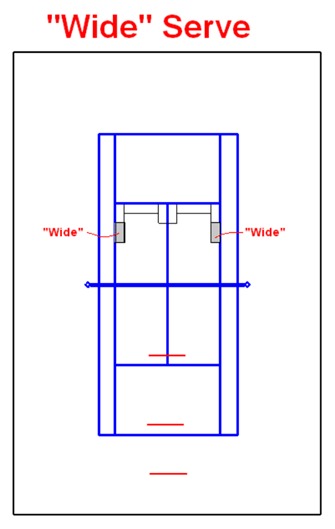
A T serve goes toward the center service line, near the T-shaped intersection with the service line. A body serve goes at the returner's body. A wide serve goes to the outside of the service box. The T and the wide target sit on opposite sides of each box, so the court-side labels matter.
Say the net player signals a body serve with the middle finger pointing down, then shows an open palm to propose a poach. The first gesture picks the destination of the serve and the second announces the movement. A pair using only stay and poach skips the first part.
Before a match, have each player read the finger code once on the deuce side and once on the ad side. A sign that means T to one partner and wide to the other defeats the exchange.
Why a serve-direction call changes the net player's options
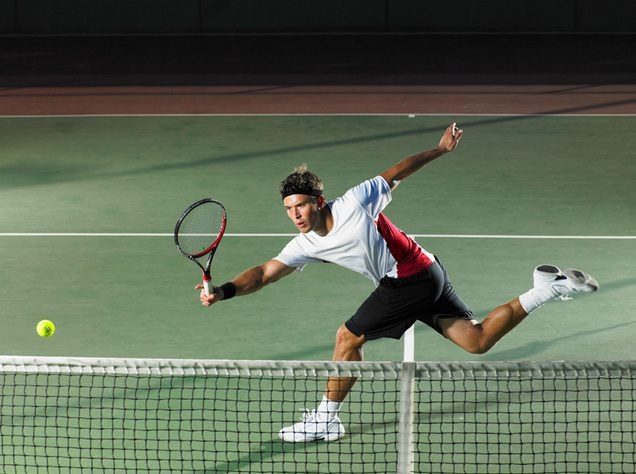
A serve target changes the angles the returner faces. The net player can prepare for one kind of return, and the server expects the space a planned poach leaves open.
A T serve makes a down-the-line return behind a crossing net player harder. A body serve jams the returner and cramps the swing. A wide serve pulls the returner toward the outside of the court and opens crosscourt and alley returns. The returner can still hit a shot that beats the anticipated pattern.
One player knew the signals but wanted the reasoning behind them:
So I’ve seen a bunch of guides about doubles signals and what they are, what I don’t understand is WHY I’d be using them. For example why would I tell my partner to serve a certain way and then I’d try and poach, fake poach or stay. I don’t understand what the advantages or disadvantages of the different combinations would be. Is there a cheat sheet somewhere to the different combinations and the thinking behind them?
| Call | Intended tactical effect | What the pair must anticipate |
|---|---|---|
| T + stay | Serve centrally while the net player holds position | A redirected return or an attack on an open lane |
| T + poach | Use a central serve to support the net player's move toward a middle interception | A return that passes the poacher can reach the side the net player left |
| Body + stay | Challenge the returner's preparation while keeping a straightforward coverage plan | A strong return when the returner handles the body serve well |
| Body + poach | Look for an interception after a serve that crowds the returner's swing | Contact and return direction are uncertain, so the server expects the open court |
| Wide + stay | Use the outside service-box target while the net player holds position | A crosscourt or down-the-line return |
| Wide + poach | Attempt a crossing interception after moving the returner toward the outside | Sharper crosscourt and alley returns make the crossing and backup coverage harder |
A pair that can't aim serves at T, body or wide can use a movement-only call and react to the serve that is hit.
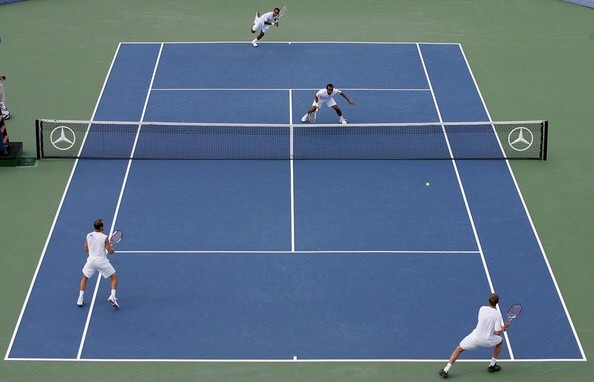
Take a T-plus-poach plan: the net player looks for a chance to cross and volley. Tennis.com's explanation of poaching and court coverage describes how a called serve sets up that move.
Before you call a combination, name the return the net player hopes to intercept and one return that would beat that plan. Both partners need to understand the second one before committing.
Hand signals versus a short verbal conversation

Signals work when a pair already shares the meanings and can swap them without disturbing the server's preparation. Talking works better when partners barely know each other, want to explain a new plan or doubt a requested serve location.
A self-described Division III college player reported a different experience:
Recently been reading quite a few posts about doubles signals, and I realized how I never understood why this seems to be the complete norm for first serves in specific. For reference I play at a very mediocre D3 tennis program (utr 7-8), and across my experience not only in college, but also at local tournaments and high school matches, that almost exclusively if players discuss serve spot/poaching, it's always signs. Me and my doubles partner for first serves always take the 5-10 seconds when regrouping between points to verbally decide, which I've rarely ever seen instead of signs. For me I always felt like this helped my rhythm and confidence before serving, and helped keep me and my doubles partner connected. Wondering why this might be so uncommon in my experience at these sorts of levels of play, especially for first serves.
A first-time pair might say, “I'll stay; hit your comfortable serve.” Teammates with an established code send the same message with a fist and a nod. When elaborate gestures cause hesitation, a few spoken words settle the plan faster.
Confirm, decline, and reset the play
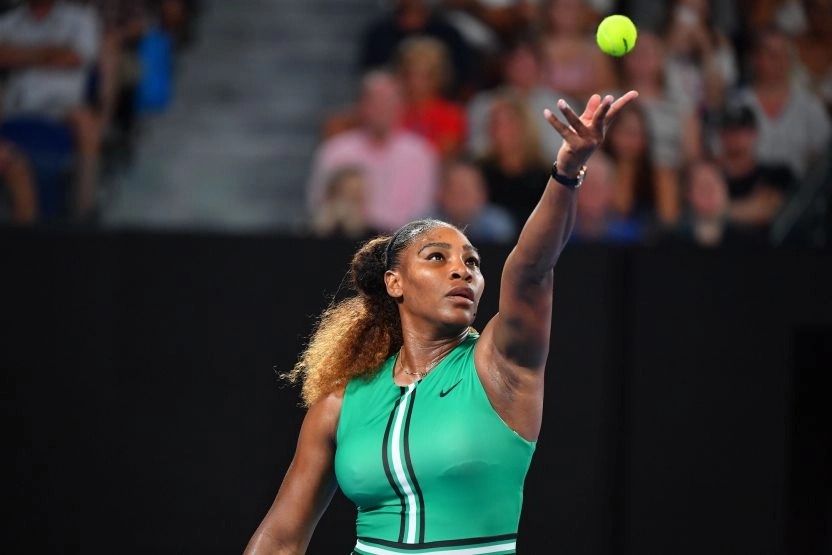
A signal proposes a play, and the server's acknowledgment makes it the plan. The server can accept the whole request, decline it or ask for a change.
Suppose the net player asks for a body serve and a planned poach. The server's body-serve placement is unreliable that day, so the answer is “no.” The pair drops the target request and keeps a simpler movement call, or chooses to stay. The acknowledgment covers both parts of the proposal, because agreeing to the poach doesn't mean agreeing to the serve destination.
A first-serve fault forces another decision. Partners can agree that the original call holds for the second serve, or that the fault cancels it and restores a simpler plan.
For instance, a pair might adopt “second serve means stay,” so the server never expects a crossover the net player has canceled. Another team keeps the first call. Either works when both players share the expectation.
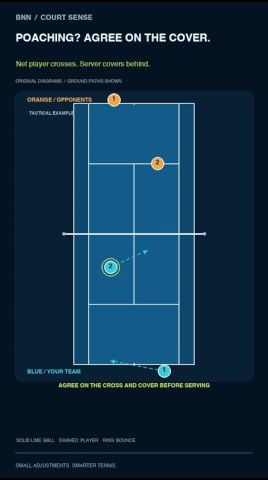
After a legal serve, the ball in play comes first. If the server misses the requested target and the return comes through an unexpected lane, the net player plays what is reachable. When the net player crosses and can't intercept, the server covers the side the net player vacated, especially against a return driven down that exposed line.
Which rally calls help your partner and which distract opponents
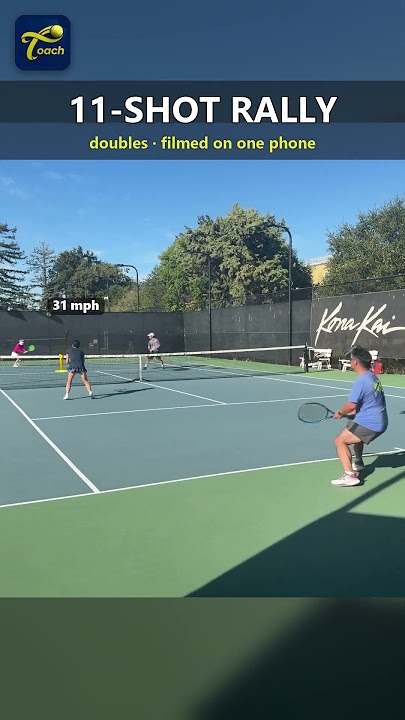
Once the return is in play, short calls split the shots between partners and signal position changes. Each word should tell the other player what to do.
- Mine: One player claims a ball that either teammate might otherwise attempt.
- Yours: The speaker hands the ball to their partner, particularly when coverage is unclear.
- Switch: Both players exchange court positions during the point.
- Back or lob: A warning that the ball is traveling behind the net player and needs retreating coverage.
On a middle ball, an early “mine” prevents hesitation. When a lob clears the net player, “back” alerts the teammate before the ball lands. Constant chatter makes these calls harder to pick out.
USTA's 2026 Friend at Court, The Code §§33–34, distinguishes the direction of ball travel: doubles partners may speak while the ball is moving toward them, but should refrain from talking while it travels toward the opponents. Speech that interferes with an opponent's ability to play can constitute hindrance; a player claiming hindrance must stop play promptly.
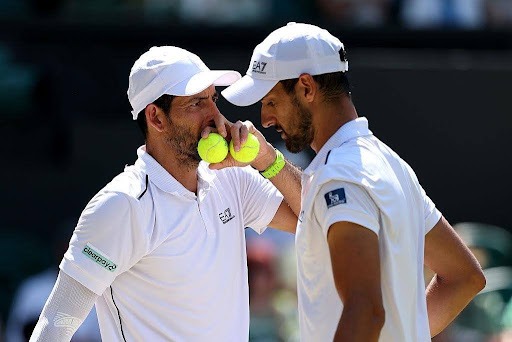
Calling for a ball helps your partner. Shouting during an opponent's shot risks interfering with their play, and whether a contested incident meets the hindrance standard depends on what happened and when the affected player stopped play.
Keep the live-ball vocabulary small and call only to assign a ball or give a warning.
What goes wrong with fake-poach signals before the ball moves
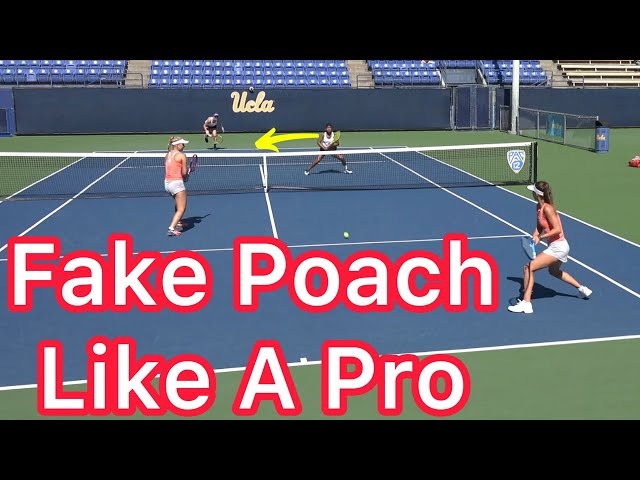
A fake poach suggests the net player will cross, then stops short of committing to the interception. It adds another action to the code, and a rapidly opening-and-closing hand makes conspicuous arm movement and can blur what was called. If it makes either partner hesitate, leave it out until stay and poach work comfortably.
Rehearse one signal system and know your fallback
Knowing the gestures isn't enough. When one player signals and the other acknowledges, both should describe the same planned action.
| Part of our communication | Our agreed call or response |
|---|---|
| Stay | __________ |
| Planned poach | __________ |
| Serve targets | T / body / wide code: __________ or none |
| Server accepts | __________ |
| Server declines or changes the call | __________ |
| First-serve fault | Original call holds / reset to __________ |
| Net player crosses and the return gets through | Server expects to cover __________ |
| Live-ball calls | Mine / yours / switch / back, as agreed |
| We lose track of the code | Simplify and speak |
A blank or disputed line is something to settle before the next service point.
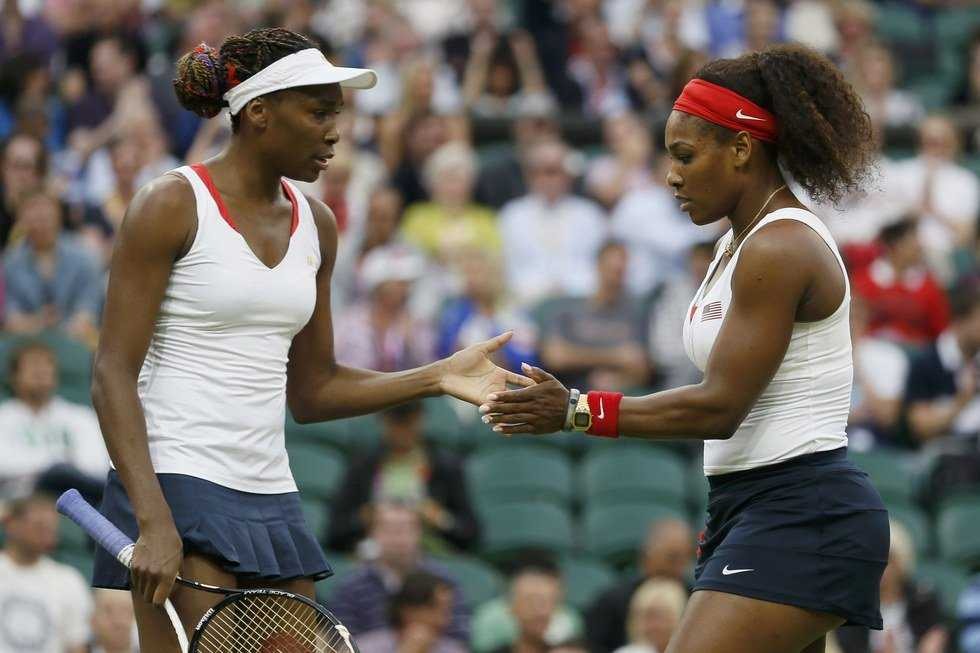
Begin away from match pressure. One partner gives the stay sign and the other states the intended movement. Repeat with the poach sign, then run through a normal serve and return. Each player should describe the expected movement and the response if it doesn't happen.
After a miscue, find the exact disagreement. Maybe the finger signal meant different targets on the two service courts, or one partner remembered the reset rule differently. Fix that entry together before adding another variation. The exercise checks agreement, and the serve, volley and court movement still have to be good.
Start with an acknowledged stay-or-poach call and add serve targets once placement is dependable. If the code causes confusion, speak a short plan. Before the next match, settle who covers the open court and what a missed first serve does to the call.