Against a consistent pusher, keep neutral balls deep with a big margin and attack when you can reach a short ball in balance. If your opponent passes or lobs well, or your volley and overhead can't handle the reply, stay on the baseline and build the point from there. In your next match, play one patient pattern for two games and compare your neutral-ball errors before you add pace.
The ball arrives without pace. You have time to set up, swing, and pick a target. Yet the rally ends with your shot in the net or beyond the baseline, while your opponent barely seems to miss.
Beating that kind of consistency means spotting which balls offer an opening. Depth, contact height, balance, and your opponent's position tell you more than the speed of the last shot.
What Kind of “Pusher” Are You Facing?
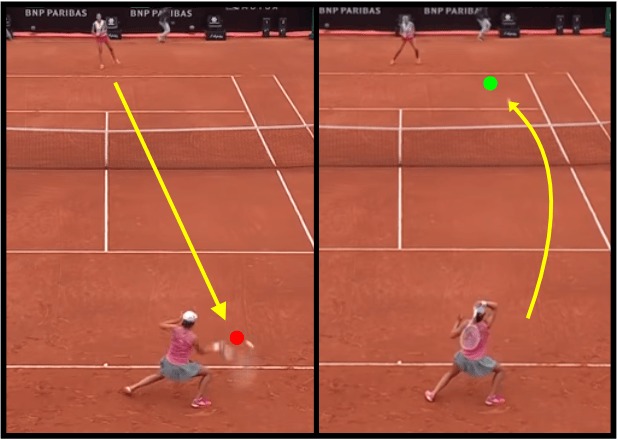
A pusher wins by getting every ball back and waiting for you to miss. The word is slang, and some players take it as an insult. A fast retriever covers difficult balls, a moonballer sends high, slow trajectories, and a counterpuncher defends until you hand over something attackable. In the opening games, watch how deep each shot lands, how well your opponent recovers after wide balls, and how they react to a short ball. Any of these players can also hit good passing shots or volleys.
Why a Slow Ball Can Make You Miss More
A slow ball gives you time, but you have to supply the pace yourself. The riskiest moment comes when a ball looks comfortable and you commit to an aggressive shot before checking where it will land. Most of these balls are neutral balls: they neither hurt you nor give you a free attack.
Picture a high, soft ball dropping close to the baseline. You step forward expecting a sitter, then see it rising toward an awkward contact height. Your feet stop, you swing harder, and the ball flies long. A similar ball landing much shorter is a different case, because you can move into the court and hit it in balance.
A ladder player's match against a moonballer shows how impatience builds:
My first one. God I hated it. Nothing about playing her was satisfying. Incredibly boring match. I had all the time in the world literally walking in between shots. I tried to play her game get bored and try and end the point right into the net (or long). Just a bunch of unforced errors because I couldn’t get focused. I’m sure there’s a million threads about how to beat them. Now I sit at the bottom of my ladder in shame, and I don’t even feel like I enjoyed any part of the match. She did complement my serve and top spin which I’ve been working pretty hard at. So at least there’s there. Now I get why people complain about this.
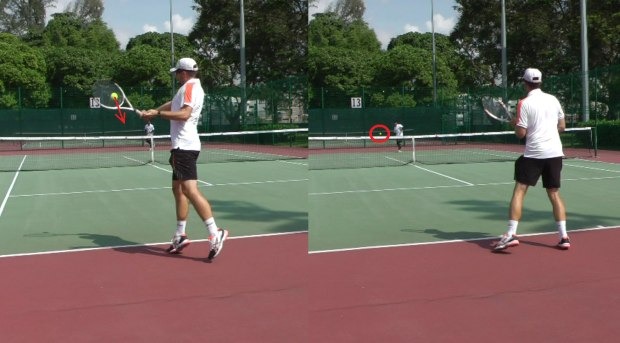
With the ball coming back so softly, you feel pushed to finish the point. That is when a deep neutral ball gets an attacking swing it doesn't deserve.
USTA's coaching response on high-bouncing short balls explains how a shorter ball changes the court you have to work with and how a player's expectations lead to mistakes.
Decide Whether the Ball Is Worth Attacking
Check three things before you swing: how deep the ball is, whether you can hit it in balance, and where your opponent will stand next. A short ball you can reach gives you room to press. A deep or neutral ball calls for another high-margin shot.
| Ball or court situation | Default choice | When to increase pressure | When to hold back |
|---|---|---|---|
| High, deep ball near the baseline | Give yourself room and return deep to a big target | Take it earlier if you can time the contact | Contact is high or your feet are unsettled |
| Slow, neutral ball | Hit with margin to a chosen spot | Redirect when contact and target feel comfortable | You are reaching for a sideline winner |
| Short ball you can reach | Move forward and attack a chosen target | Approach if the shot limits your opponent's passing options | You arrive late, or your opponent is ready to counterattack |
| Opponent stays deep | Keep your depth | Mix in a low, short ball once you have established depth | They attack short balls well, or your touch is loose |
| Opponent lobs your approach | Recover and hit a controlled reply | Hit the overhead from a balanced position if it is reliable | The lob is deep, or your overhead is unreliable |
Say a high ball lands near your baseline. You give yourself room, send a deep crosscourt reply, and recover. Your opponent floats a shorter ball into midcourt. This time you reach it in balance, hit an approach away from their comfortable position, and get ready for a pass or lob. If the short ball has you stretching, skip the attack.
If your timing is good, take a short, high-bouncing ball early. If not, stay back and hit a safe groundstroke. USTA describes intermediate players using early contact and placement, while advanced players attack more forcefully.
Build the Point Without Turning Passive
Patience works when each shot moves your opponent or protects a good position of your own. Depth and placement add pressure even at moderate pace.
| Rally choice | What it changes | Trade-off |
|---|---|---|
| Deep crosscourt ball | Moves your opponent with a big target | Predictable placement lets them settle |
| Ball through the middle | Cuts down their reply angles and your sideline risk | Too many comfortable middle balls invite easy returns |
| Change direction behind a runner | Tests an opponent already recovering across court | A loose change exposes your own position |
| Deliberate pace variation | Breaks their preferred rally rhythm | An uncontrolled short ball gives away an attack |

Play through the middle to simplify a hard exchange. Once your opponent starts answering those balls easily, switch to a deeper crosscourt ball to make them move.
In a May 9, 2017 coaching article, USTA discusses hitting behind a recovering runner-pusher and bringing that player forward.
A former pusher who had been adding pace and power lost to a moonballer and asked what else works:
i know how to moonball (im an ex pusher!!) but ive been trying to develop more pace and power in the last several months. i just played a moonballer, and im not gonna say 'i shouldnt be losing to her bc shes not as good as me', she beat me fair and square. but i tried playing aggressive yet i still lost 2-6 2-6. do i just have to be THAT patient?! or are there better ways to beat them? i dont wanna revert to pushing, and moonballing is so tedious

Try a repeatable pattern with two rally targets: a deep crosscourt ball, then a change of direction behind your opponent while they recover. If they start attacking your neutral shots, adjust.
Bring Them Forward Only When You Can Handle the Reply
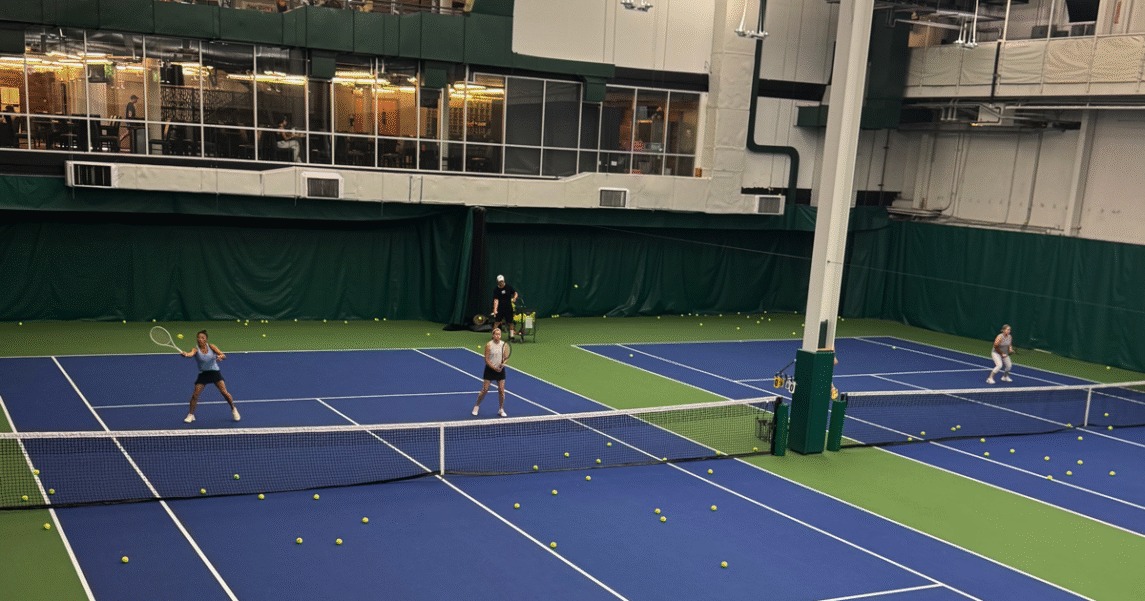
Pulling the pusher forward and going to the net yourself are two different plays. The first tests how well your opponent moves forward. The second tests your approach shot and what you do after it.
Draw your opponent forward
A player standing well behind the baseline has to move fast to reach a low, short ball. Use this variation when depth has kept your opponent back and you can place the shorter ball. An opponent with quick forward movement or good touch can answer it aggressively, especially if the ball sits up.
Approach the net yourself
Move in behind an attackable shot that makes your opponent's next contact uncomfortable. A weak approach lets a balanced opponent choose a passing lane or lob. Split step as your opponent prepares to hit, and be ready for either reply.
USTA's drop-volley guidance covers the deep approach before the shot, the split step, and awareness of your opponent's position. Try a drop volley only if you already control the stroke.
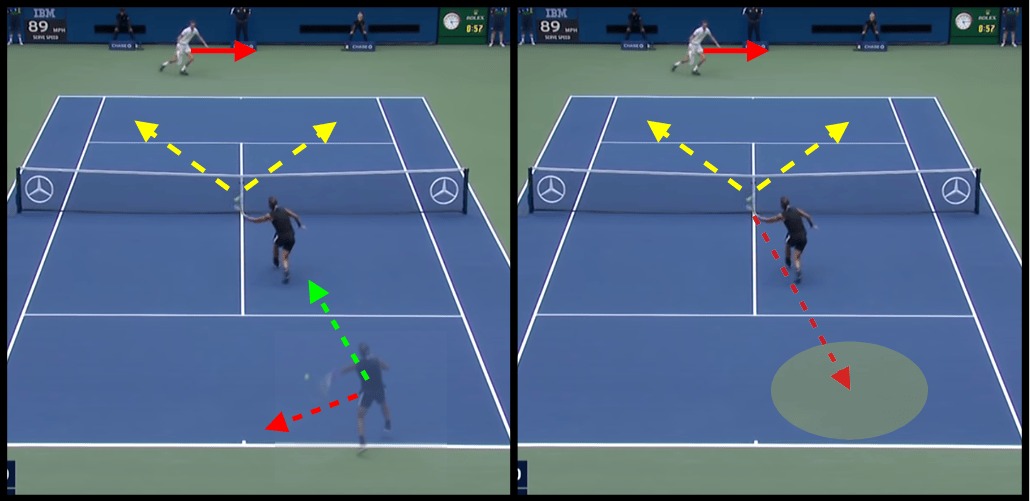
Test one approach and note the reply: a weak pickup, a pass, or a lob you can handle. If your opponent keeps passing or lobbing you, or your volley and overhead are shaky, build the point from the baseline.
Reset the Match When Forcing Winners Isn't Working

A losing pattern starts with one impatient shot. You force a winner from a neutral ball and miss, then swing harder at the next slow ball. Your opponent has changed very little, and your risk has gone up.
A box-league player lost the first set, then changed the game plan:
Having only got back into tennis after a 25+ year break recently, have been really enjoying it. Then yesterday had the 5th match in my box league to play, and for the first time met someone who played with zero pace, but 90% consistency. My serves, usually a solid weapon - no aces, but lots of high chipped returns, nothing came back with pace, but they ALL came back. Not constant moonballs, but lots of high, slow balls which made coming to the net a risk as I'm no giant so got lobbed fairly easily. Tried to "beat" them, so insane amount of UFEs - long and into the net. Lost first set 2-6. Then, made the mental flip - stop trying to hit winners, just move them around, anticipate the high slow ball, and come mid-court for the overhead. Won the next 6-3. Closed out the tie-break to cinch the win. I played poorly, but took me a long time (a set...) to shift my game plan and adapt to someone who got everything back, just with medium quality. Some good, long rallies, but a lot of it very mid-paced.
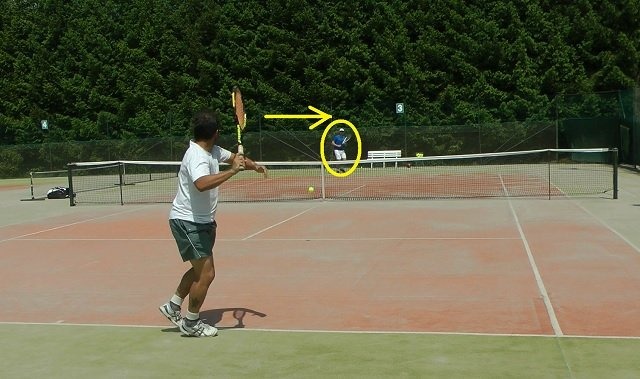
The player won the next set 6-3 and the match tiebreak after changing tactics.
When a similar error spiral starts, use a two-game reset:
- Change one decision. Enlarge your targets, or stop going for sideline winners from neutral positions.
- Keep the rule steady. Hold the same adjustment for both games so you can tell what changed.
- Review the mistakes. After two games, check whether rushed neutral-ball errors continue and whether you reach better attacking positions.
Practice the Balls You Hate Facing
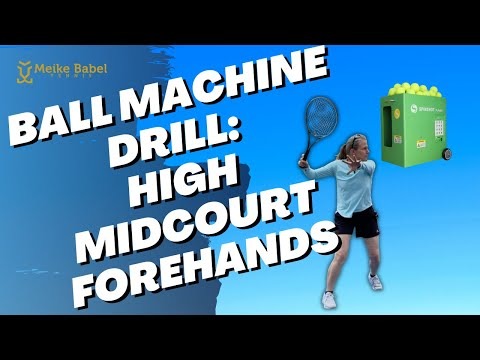
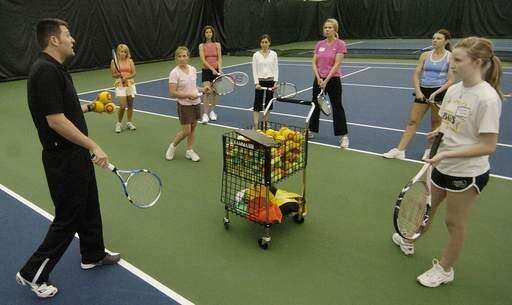
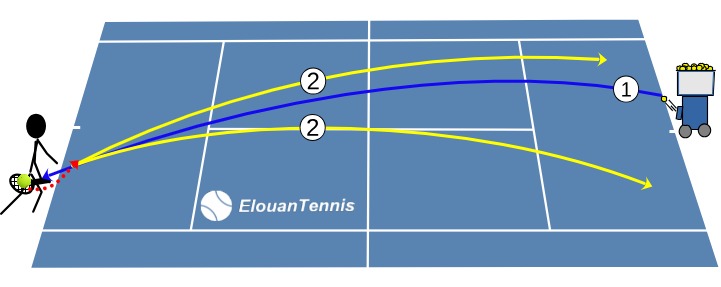
Ask a practice partner to feed three situations that need different choices: a deep high ball, a slow neutral ball, and a short ball you can reach. Each exposes a different mistake before match pressure magnifies it.
- Deep, high feed: Give yourself room, return to a big deep target, and recover.
- Slow, neutral feed: Supply your own pace and keep your target away from the sideline. Stay balanced and keep your margin.
- Short feed: Move forward, hit an attacking shot to a set target, and prepare for the reply. Check that you are balanced at contact.
If you have a dependable overhead and recover comfortably, add a defensive lob after the short-ball approach.
Your Next-Match Game Plan: What to Check
After play, jot down three observations:
- Neutral-ball errors: Did you miss while trying to finish a deep or uncomfortable ball?
- Approach readiness: Could you play the next reply after your attack?
- Short-ball response: When you brought your opponent forward, did they struggle, recover, or attack?
A cluster of neutral-ball misses means you need better shot selection. Approaches followed by easy passes mean you need a better setup.