
Choose private or semi-private lessons to fix a specific stroke problem or to learn the basics at a careful pace. Choose a well-matched group to practice rallies, play points and meet other players. A program's entry level, individual feedback and payment terms can reverse that choice, so check them first.
Which lesson format fits what you want to learn?
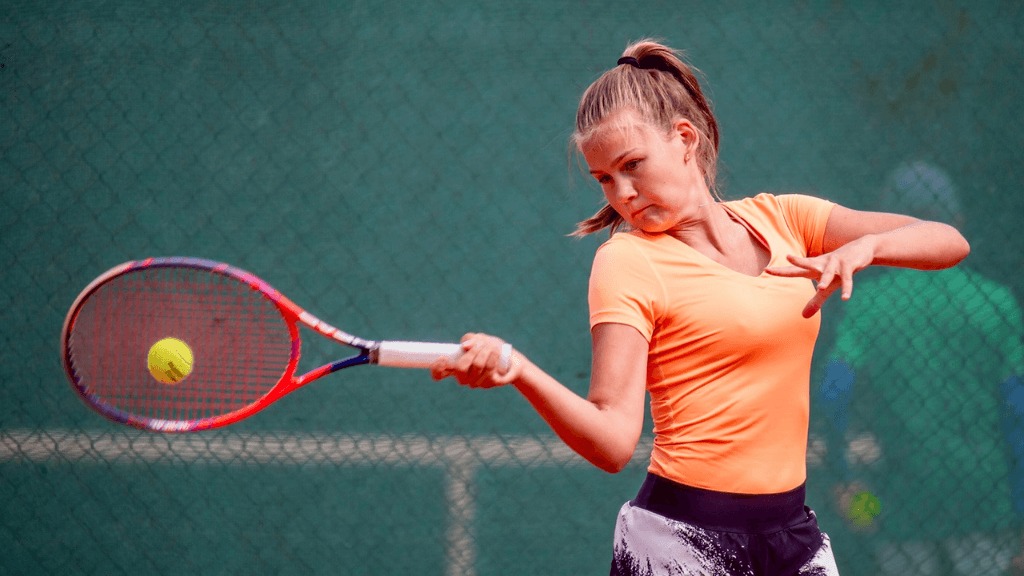
A first-time player who struggles to clear the net needs different instruction from someone who can trade groundstrokes but has never played a full point. Both call themselves beginners, and both could end up in the same group class.
One-on-one coaching lets a teacher diagnose a movement and work at your pace. A good group gives you hitting partners, organized rallies and balls that come from another person. Two players at a similar level can also share a semi-private session.
Pick one thing to improve first: cleaner contact on your forehand, a serve that lands in the right box, a rally that lasts, or playing points. A goal that specific makes it easy to compare what local programs promise.
Private, semi-private and group lessons compared
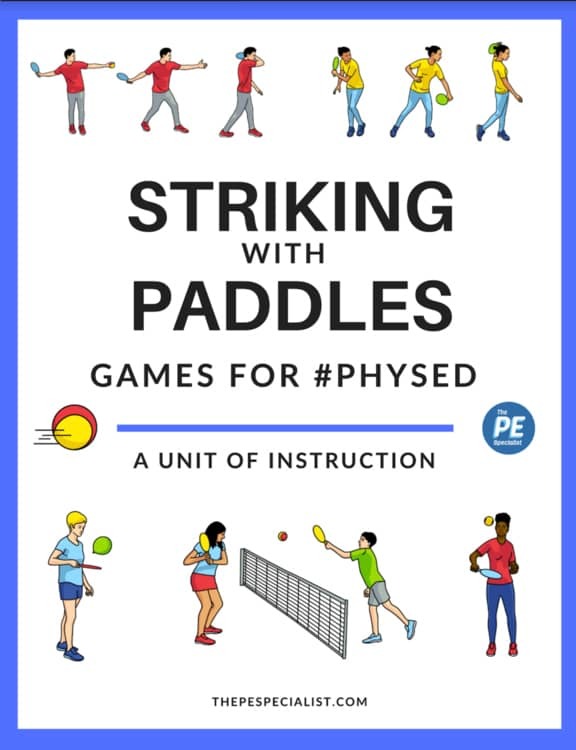
The essential difference is how students share a coach.
| Format | What the session can offer | Main trade-off | Best fit | Confirm before choosing |
|---|---|---|---|---|
| Private, 1:1 | One instructor focused on you, with individual corrections and a flexible pace | No built-in rally partner; often costs more per person | A persistent stroke problem, or beginner instruction that needs careful pacing | Which skill the coach plans to teach |
| Semi-private | Two or a few students share a coach; some personal input and partner hitting | Mismatched abilities or priorities limit useful practice | Two compatible learners with a shared goal | Player count, coach count and whether the price is per person or per pair |
| Group class or clinic | Several partners, rotating drills and chances to rally or play points | Personal feedback and hitting time depend on how the class is run | Level-matched live-ball practice or recreational social play | Group level, number of courts and instructors |
A class of four on separate practice stations feels very different from one where players take turns hitting a handful of balls. For each program, write down the student count, coach count and number of courts.
NextGen Tennis Academy describes private 1:1, semi-private 2:1, a 3:1 option and adult group programs. Gripspin Tennis advertises private or semi-private arrangements involving up to four players.
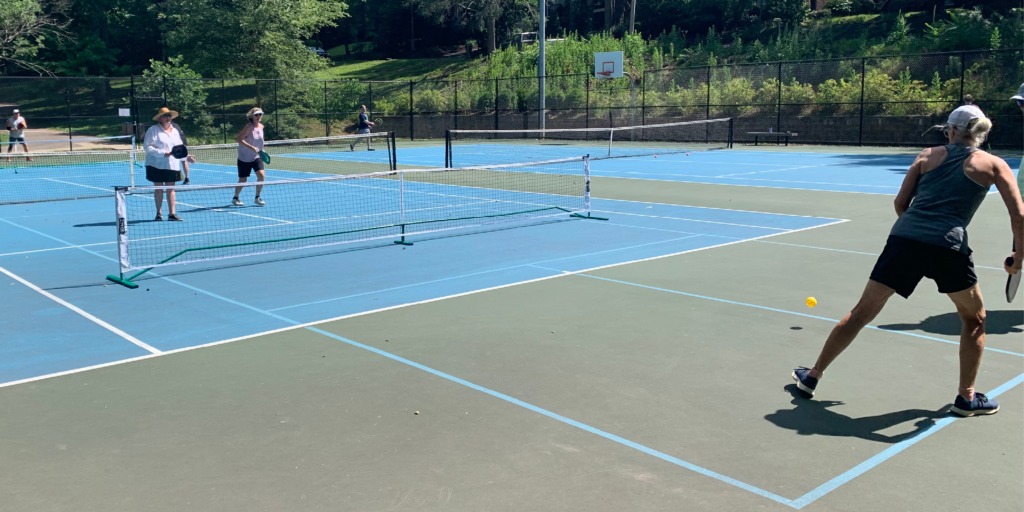
Does this beginner class match your starting level?
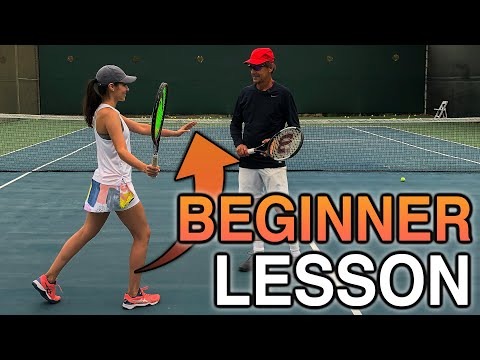
A class advertised for beginners can still expect a cooperative rally on day one. Someone who has never made clean racket contact needs a gentler start than a returning player who already sends the ball back and forth.
One beginner in r/10s arrived with a partner who had more sports experience and met rally practice immediately:
I recently joined tennis lessons with my bf and I'm miserable. The coach teaches group of 4 to 5 people at once. I'm not sure if this is the norm but the coach just starts with us rallying against each other. And I'm really bad, for context I have not played a sport in my life and this is the first time, I have bad hand eye coordination, my ball doesn't go past the net sometimes. My bf has played other sports growing up and hes able to play well so he has no issues.
A player who is comfortable rallying gets something out of that format. A first-timer who can't yet get the ball over the net needs controlled feeds and basic contact work.
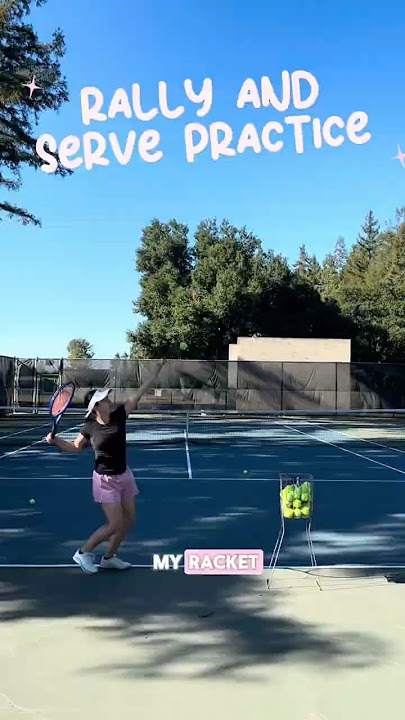
Before you commit, ask what you will be expected to do in the first session and how instructors decide who belongs at that level. The answer should separate a true first-contact class from one for players who can already keep a short rally going.
Will the coach give you useful feedback?
A technical lesson should send you home with a correction for your swing and a way to practice it. A demonstration introduces the movement, but only individual observation shows where your attempt differs.
A player in a 2.0 class advertised as teaching forehands, backhands and serves reported almost no individual correction:
I'm currently taking a group class for 2.0. Class size is about 6-8 members, depending on the day. Class was described as learning full swing technique for forehand/backhand/serving/etc. I have background in football and basketball, but tennis is my first racket sport. I've attended 4 of 12 lessons and... IDK how else to put this, I feel like I'm not learning anything despite being in the bottom 1/3rd of the class. Instructor is a nice guy but I don't feel like I've been given a ton of coaching. Last class (4 hours of lessons!) was the first individual advice I've received so far (not general "follow through/start your forehand in front of you" that occasionally gets yell out, but direct "hey you are doing this wrong, stop that").
The post also reports practice results of 2 out of 10 and 6 out of 10 serves landing in the service box, along with the player's concern about receiving so little specific feedback.
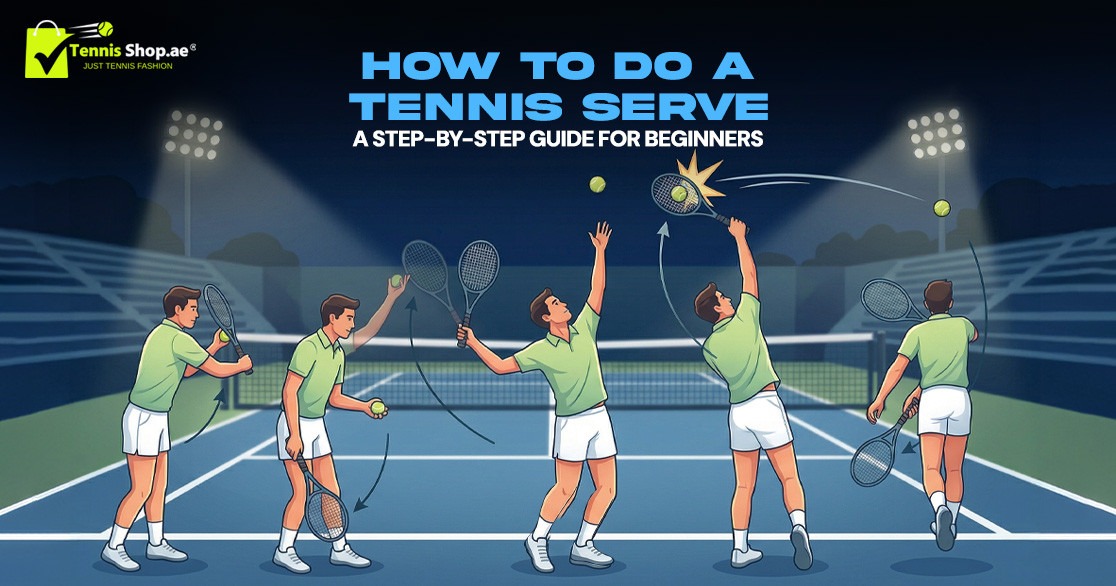
In a sample session, watch whether the instructor names one specific issue in your movement and gives you an exercise for it. A note about where you meet the forehand beats a general reminder to finish the swing. The same standard applies to private lessons: you should leave knowing which skill to practice.
What kind of tennis session are you paying for?
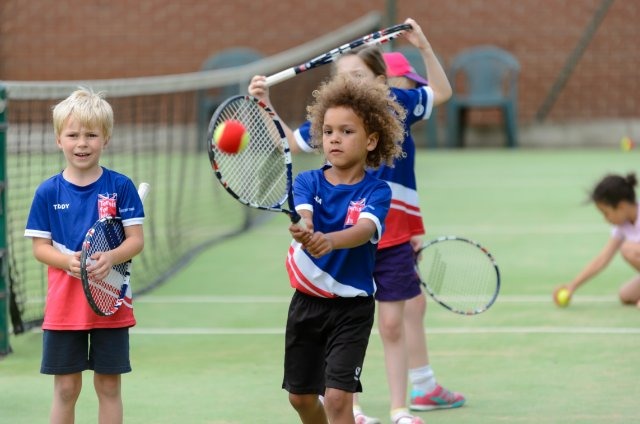
A lesson, a live-ball clinic and a hitting session can take similar time on court and serve different purposes. A technique lesson uses demonstrations and controlled feeds to build one movement. A live-ball class focuses on reacting to shots and playing points. A cardio session focuses on movement and exercise.
Gripspin Tennis lists a separate 50-minute live-ball hitting session for intermediate-to-advanced players and describes it as having no technical coaching.
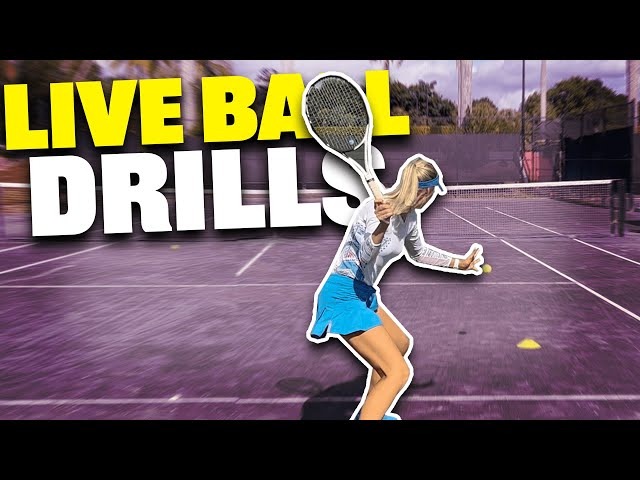
Ask for the session plan of any clinic you are considering and find out what fills the time: technical correction, ball feeds, partner exchanges, points or fitness work. Match the mix to your goal. Serve mechanics need technical correction, while recreational points need live balls.
What will the tennis lessons cost in total?

Compare what you would pay for the complete booking against the number of scheduled instruction hours. A group package can look cheap until required fees or forfeited lessons are added. A semi-private quote may cover both students together or each one separately.
| Worksheet item | What to ask for | What to do with it |
|---|---|---|
| Tuition per player | Total quoted tuition for one learner | If two people share one price, confirm how the provider charges each |
| Mandatory extras | Required court, enrollment, membership or equipment charges | Add them to the total |
| Confirmed discounts | Discounts the provider will honor | Subtract them from the total |
| Scheduled instruction | Number of sessions and hours per session | Use total hours as the divisor |
| Missed-session terms | Refunds, forfeited classes and cancellation or makeup charges | Count a charge only when it actually applies |
Total cost per player = tuition per player + mandatory fees − confirmed discounts.
Cost per lesson hour = total cost per player ÷ total scheduled lesson hours.
Add any cancellation or makeup charge you actually pay. If you miss prepaid lessons without a refund, divide the total paid by the hours you attended instead. If lesson lengths are unknown, leave the hourly figure blank. Either way, the result is a price per class hour, not per minute of personal coaching, because demonstrations, rotations and peer hitting all count as class time.
What to check before you sign up
A good format can still turn into a frustrating purchase if the instructor changes, the sessions clash with your schedule or prepaid classes can't be recovered. Get the written program terms before you pay and save them with your booking confirmation.
- Instructor: Who teaches, and can another coach substitute?
- Schedule: Do the days and times work, including likely weather interruptions?
- Changes: What are the rules for trials, level transfers, makeups, cancellations and refunds?
- Included resources: Do the fees cover balls, court access and other necessary equipment?
- Commitment: Is it a single session, a fixed package or recurring enrollment?
A coach's credentials are worth a look, but fit depends on whether the instructor can teach the skill you came to learn.
How to tell if your lessons are helping
Tie progress to a skill you can observe under the same conditions each time. Counting lesson hours alone won't show what you have learned or which part of your game still needs work.
One player combined private sessions, beginner classes and social tennis and stayed frustrated by short rallies:
I ve played about 20 hrs ish so far which sums up from 4 group classes once a wk 4 beginner red ball classes ( 2 hrs each) 2 1-1 classes with level 1 coach Some social tennis And I have to say as of today, most of time I can rarely get a rally going. Ppl I play with r pretty much the same some a bit better than me but I think I’m dragging them down . They can’t get the rally going either.
Controlled feeds and partner rallies test different things. In a rally, the ball comes from another person, and its pace, direction and bounce change with every shot.
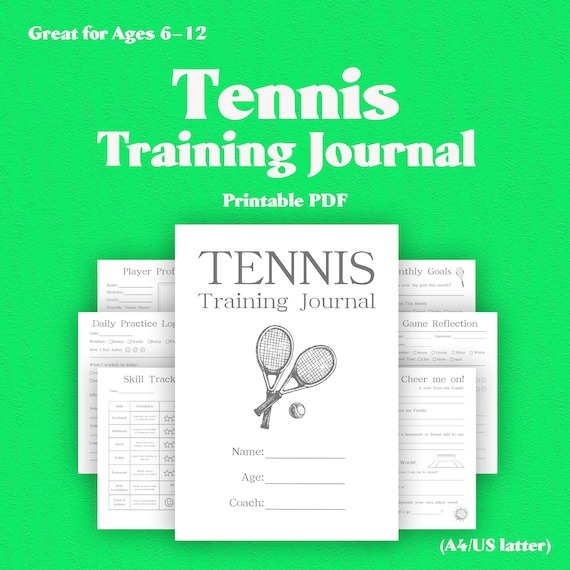
| Skill | Simple test | Retest later | Try it in a game |
|---|---|---|---|
| Forehand contact | Over an agreed series of similar easy feeds, count controlled returns | Controlled returns out of the same number of attempts | Does clean contact hold up in a cooperative rally? |
| Serve placement | From the same serving position, count legal serves in a fixed set of attempts | Legal serves in another set of equal size | Does placement hold when you start a point? |
| Rally consistency | With the same cooperative partner at a similar pace, count consecutive returns | Rally length under similar conditions | Can you keep exchanges going once points are played? |
Take one test as your baseline and repeat it after the first few lessons with comparable feeds or rallies. Bring the numbers to your coach and agree on the next adjustment. This is your personal record, and no pass score or deadline applies.
A new movement can feel awkward at first. Several sessions with no clear goal, useful feedback or next drill are a better reason to reconsider the lesson plan.
When a combination of coaching and practice makes sense
Controlled drills and playable points are different skills, and closing that gap can call for different court time. An individual lesson might fix a serving adjustment; partner hitting or a compatible clinic then adds balls that move unpredictably and decisions you must make quickly.
Independent practice works when the task is clear enough to repeat. Without regular paid instruction, focus on a defined cooperative drill between occasional lessons. If you can't recognize the mechanics of an unfamiliar stroke, you still need direct coaching.
Finding people to hit with is its own problem. The guide to finding a tennis hitting partner covers that next step; practicing tennis alone covers sessions that do not require another player.
Which lesson should you book?
Book a suitably paced private or semi-private lesson if you need targeted stroke correction, or individual guidance as a complete beginner. Book a level-matched group for rallies, point play and meeting recreational players.