
Serve from behind the baseline, on the correct side, into the diagonally opposite service box. A ball on a line is in. A fault uses up one attempt. A service let repeats that attempt. A replayed point gives you a first serve again. In an unofficiated US match, check USTA The Code before you make a disputed call. If your event plays no-let or another approved format, follow its published rules on the next serve.
Where do you stand, and which service box counts?
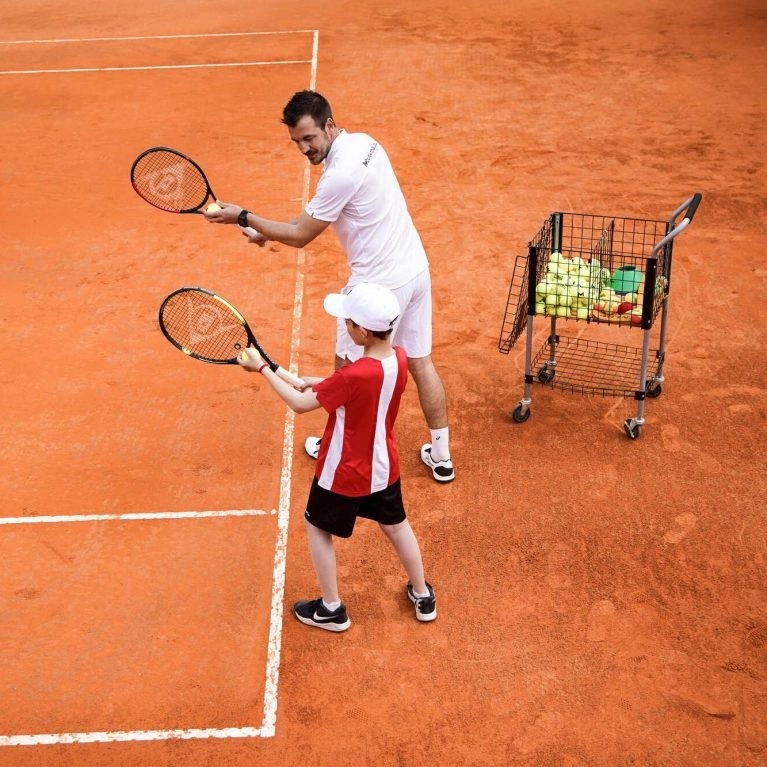
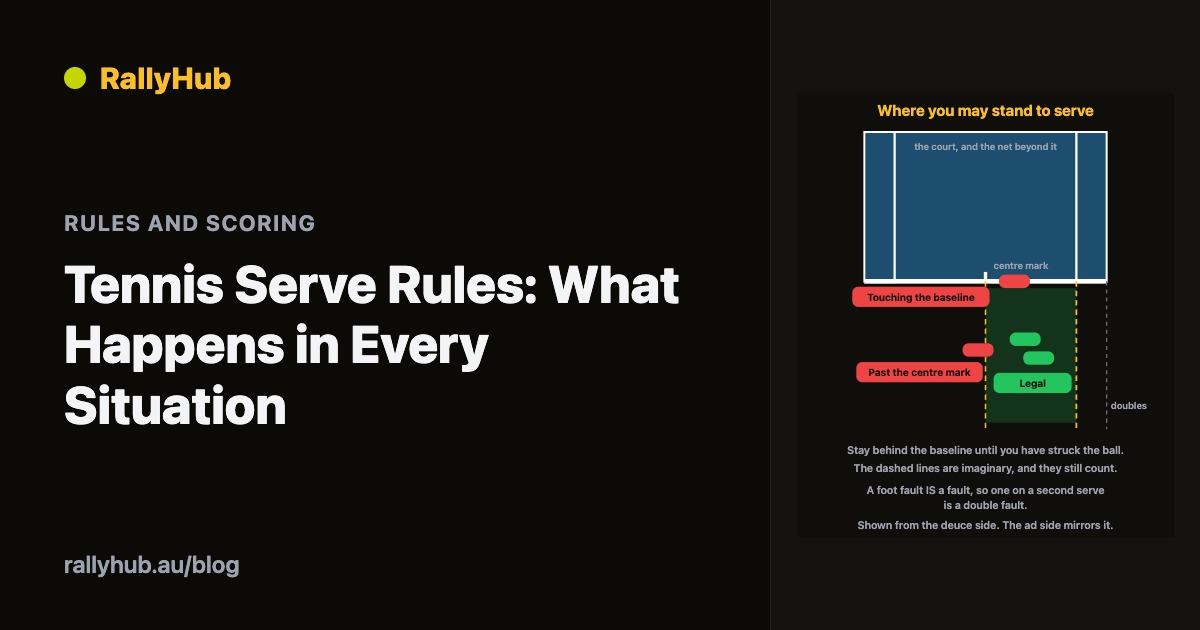
Start each game standing still behind the baseline, between the imaginary extensions of the center mark and the singles sideline, on your right (deuce) side. After the first point, move to the left (ad) side, then switch sides after every point. You always serve diagonally into the opposite service box. A ball that touches a line of that box is in. The doubles alley never makes the target bigger, even though doubles players get a wider standing area behind the baseline. Release the ball and hit it before it bounces. A player who can't use an arm may release the ball with the racket (ITF Rule 16).
What counts as a fault, and what doesn't?
A fault is a serve that breaks a service rule. Under ITF Rules 16 through 19, the key cases are:
- Abandoned toss: Catch or drop the toss without swinging and the same serve is still available.
- Missed swing: Swinging at the tossed ball and missing uses up that serve.
- Foot fault: During the service motion, touching the baseline or court, crossing the imaginary lateral boundaries, or walking or running makes the serve invalid. Jumping with both feet airborne is allowed when the other conditions are met.
- Ball contact: A served ball that hits a permanent fixture, singles stick, or net post before it hits the ground is a fault. So is a served ball that strikes the server or serving partner in the Rule 19(d) situation.
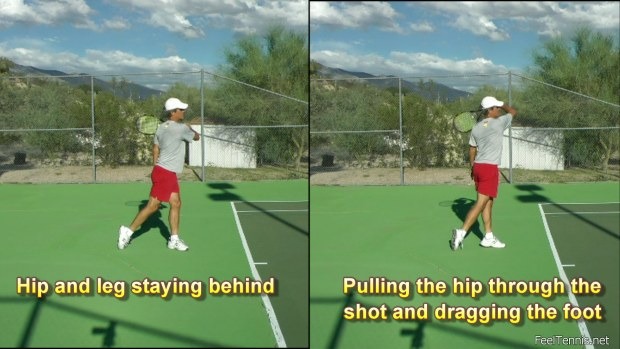
For help with the motion itself, see how to improve your tennis serve.
First serve, second serve, double fault, or let: what happens next?
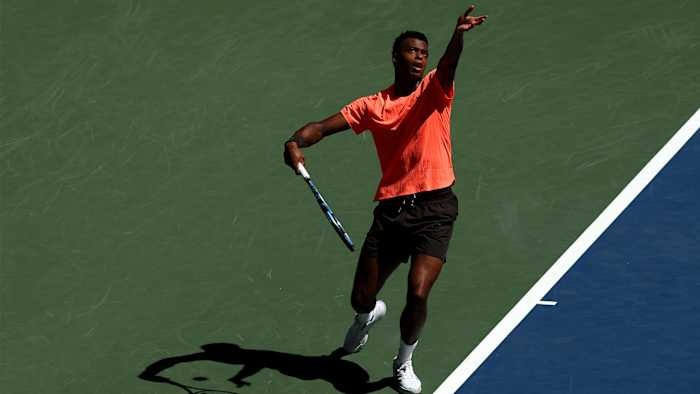
After a first-serve fault, you get a second serve. After a second consecutive fault, the receiver or receiving team wins the point. A service let repeats the serve, under the standard ITF Rules of Tennis 2026.
| What happens | Ruling | Next action |
|---|---|---|
| First serve lands outside the service box | First fault | Take a second serve |
| Second serve lands outside the service box | Double fault | Receiving side wins the point |
| First serve touches net and then lands legally | Service let | Repeat the first serve |
| Second serve touches net and then lands legally | Service let | Repeat the second serve |
| Whole point is properly replayed | Whole-point let | Begin the replay with a first serve |
Say your first serve is long, and the second clips the tape and drops into the correct box. In a standard-let match, you repeat the second serve because the first fault stands.

For other categories, see faults, double faults, and lets.
Foot faults and how to call them in US recreational matches
Stepping on the baseline during the prohibited part of the service motion is a foot fault. In a US match without officials, though, the receiving side must follow USTA The Code before calling one.
| Situation | Who calls it | What to do |
|---|---|---|
| Suspected foot fault, no official present | Receiver or receiving partner, under Code sections 23 and 24 | Warn, seek an official, and call only a clearly perceptible, flagrant foot fault under the Code's conditions |
| First serve appears out | Receiving side | Serving side doesn't call its own first-service faults |
| Receiver plays a faulty first serve and fails to return it in play | Serving side, under the Code section 26 exception | Serving side may call that first-service fault |
| Second serve clearly lands out | Serving side too | Call the clearly out second serve |
| Service let | Any player, under Code section 27 | Call before the return goes out of play or is struck by the server or serving partner; call promptly for an apparent or near ace |
One league player describes how a foot-fault call turned ugly:
This is for both USTA and local park district, 3.5/4.0 leagues. I really started noticing it more when I started just watching other people's matchs. Always the same thing: start with the foot almost touching the line, toss the ball, take a step in on top of the line or sometimes even past the line. The problem is, there's no great way to handle this. In my first attempt with an egregious offender, I mentioned it in between points just to clarify the rule that it's still a foot fault if the line is touched after the toss and he just gave me a look like I was crazy. So then he does it again on a point the next service game, I call fault, and he throws a tantrum.
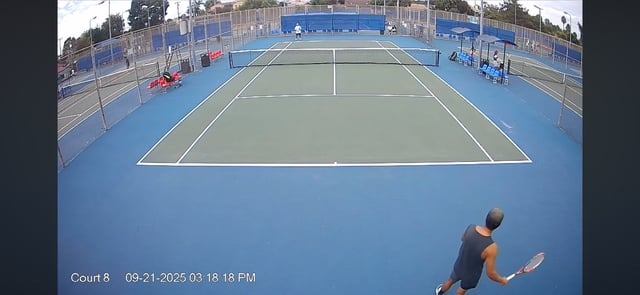
In USTA Friend at Court 2026, The Code sets out the procedures for player-officiated matches.
For other court-boundary disputes, see the guide to tennis line calls.
Readiness, quick serves, and interruptions: when do you get a retry?
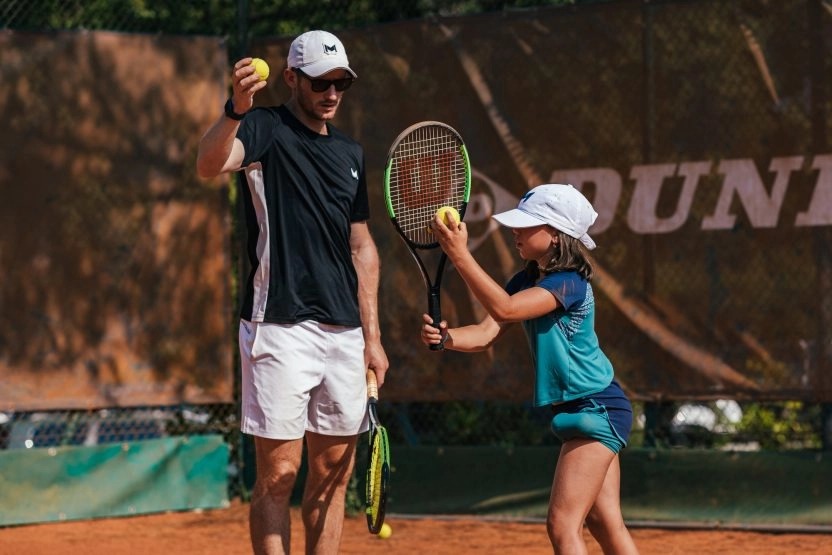
The receiver must be ready to play at the server's reasonable pace, and the server must allow for that, even on an underhand serve. Underhand serves are legal under the standard service rules.
Another player faced an opponent who served again the instant the first serve was called out:
I know receivers must play to the server’s pace. Yesterday, I played someone that immediately hit an underhand second serve if they missed the first. (Not always, but more frequently as the match went on). It was literally like one motion. The instant I called “out” on 1st serve, underhand 2nd was on its way. It only tricked me once!!!
Under ITF Rule 21 and USTA Code section 29, trying to return the serve means you were ready. If you aren't ready, signal before you try.
When does an interruption restore a first serve?
The cause and timing of the interruption decide how many serves you get. USTA The Code section 30 separates a delay between serves, an interruption during the second-serve motion, and a properly replayed point.
| Interruption | Why | Next service |
|---|---|---|
| Delay between first fault and second serve caused by server | Server is responsible for the delay | One serve remains |
| Delay between serves caused by receiver | Receiver is responsible | Two serves available |
| Other outside interference between serves | External delay, excluding routine clearing of an incoming ball between attempts | Two serves available |
| Ball enters during motion of second serve | Motion interrupted by incoming ball | Two serves available |
| Incoming ball cleared briefly between serves | Routine removal without a sufficiently prolonged delay | Second serve remains |
| Ball clearing between serves takes sufficiently long | Receiver judges the duration sufficient under Code section 30 | Two serves available |
| Interference stops an active point | Whole point is properly replayed | Restart point with a first serve |
What if a serve hits the receiver or partner before it bounces?
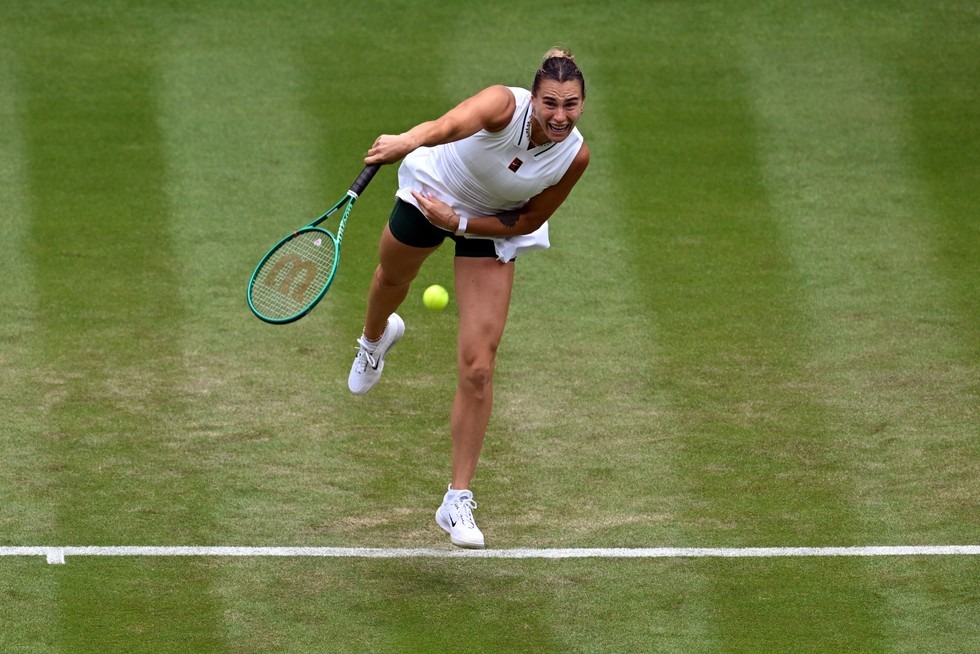
When a served ball hits the receiver or receiving partner before it bounces, the server wins the point under ITF Rule 24(e), unless the serve is a let.
A receiver who reaches out and stops a first serve that looked certain to land out has still touched it before any bounce, so the server wins the point. Let a serve that looks long bounce before you call it out.
One doubles player recalled what happened when the receiving team touched a long-looking serve:
played a tournament with a guy I had never played with before. Other team touched the serve before it bounced and called it out - it didn't even land in the court, let alone the service box, so none of thought much of it. My partner stopped the match and made a big scene and yelled at the other team and told them it was our point and they can't do that! I promptly told my partner to "shut the f* up" and apologized to the other team. Needless to say we don't play together any more.
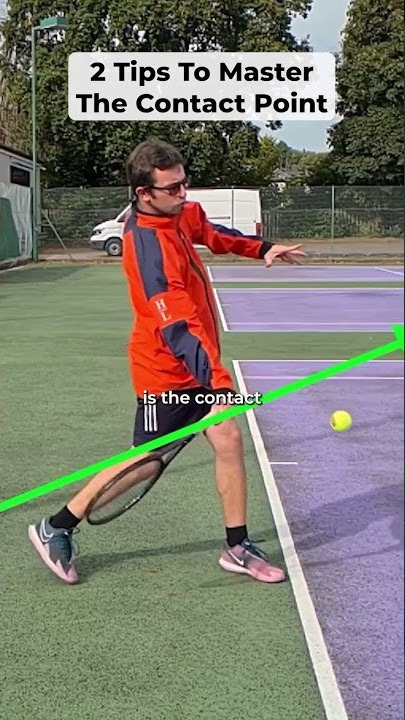
The ruling depends on what the ball hit first:
- Ball lands out first: A serve that lands outside the correct service court is a fault.
- Ball strikes receiver first: The server wins the point under Rule 24(e).
- Ball touches net, strap, or band and then strikes receiver before bouncing: Under standard Rule 22(a), that is a service let, so the serve is repeated.
No-let events, doubles, tiebreaks, and serving-order corrections
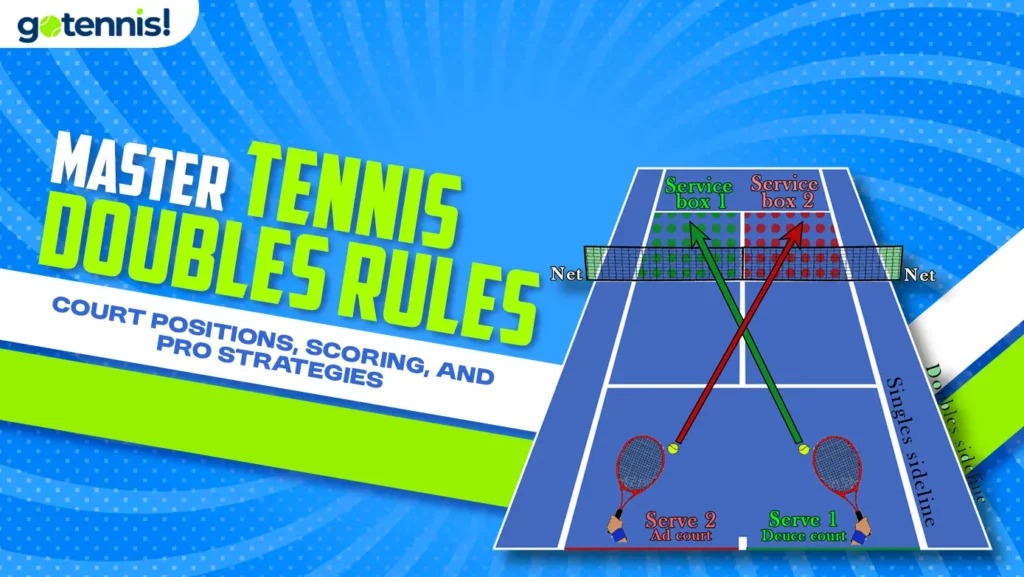
Doubles uses a game-by-game serving rotation within and between teams, and tiebreaks follow a separate point-by-point sequence. Full details: doubles service order and tiebreak serving order.
When an event adopts no-let play
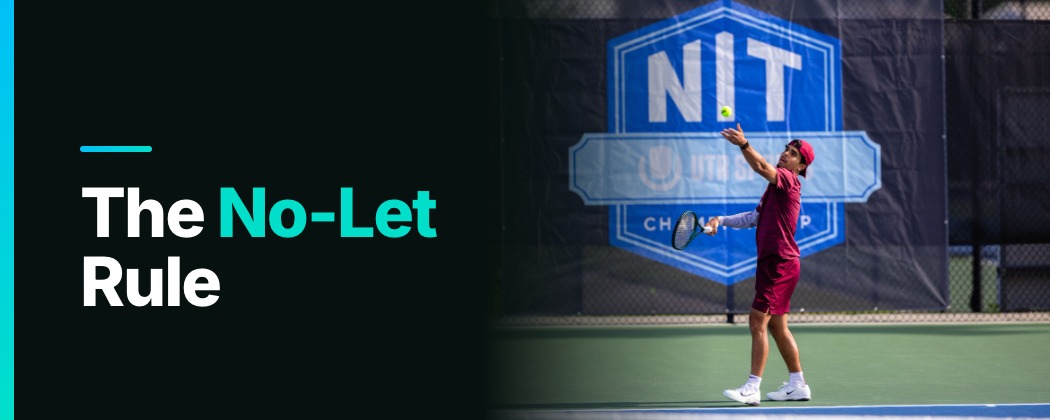
Under an approved no-let variation, a served ball that touches the net and otherwise lands legally stays in play. Some approved doubles short formats also specify which receiving player returns a net-touch serve. The event's adopted format controls these outcomes.
If the wrong player or wrong side serves
ITF Rule 27 corrects serving errors by type and by when they are discovered. Completed points stand.
| Error discovered | Correction | Effect on prior fault |
|---|---|---|
| Serve from wrong half of court | Correct the serving half as soon as discovered | A fault served before discovery stands |
| Serve from wrong end of court | Correct the end as soon as discovered | A fault served before discovery does not stand |
| Wrong player serves out of turn in an ordinary game | Restore the proper server when discovered, subject to the completed-game exception | A fault served by an opponent before discovery does not stand |
| Doubles partners serve in the wrong order within their team | Correct the team order under Rule 27 | A fault served by one of those partners stands |
| Wrong player serves during a tiebreak | After an even number of points, correct the order immediately; after an odd number, continue the altered order | A fault by the opponents before discovery does not stand; a fault by doubles partners of the same team stands |