
In a standard best-of-three match, the first player or team to win two sets wins. Best-of-five requires three. The match ends the moment that number is reached. Some events replace the deciding set with a match tiebreak, and their published scoring format tells you how those matches finish.
| Format | How the match is won | Full sets played | Typical finish |
|---|---|---|---|
| Standard best-of-three | First to 2 sets | 2 or 3 | 2-0 or 2-1 in sets |
| Standard best-of-five | First to 3 sets | 3, 4 or 5 | 3-0, 3-1 or 3-2 in sets |
| Best-of-three with a replacement decider | Two straight set wins, or a match tiebreak after sets are split 1-1 | 2 complete sets if a tiebreak is needed | 1-1 in sets, then a point-based match tiebreak |
How many sets do you have to win in tennis?
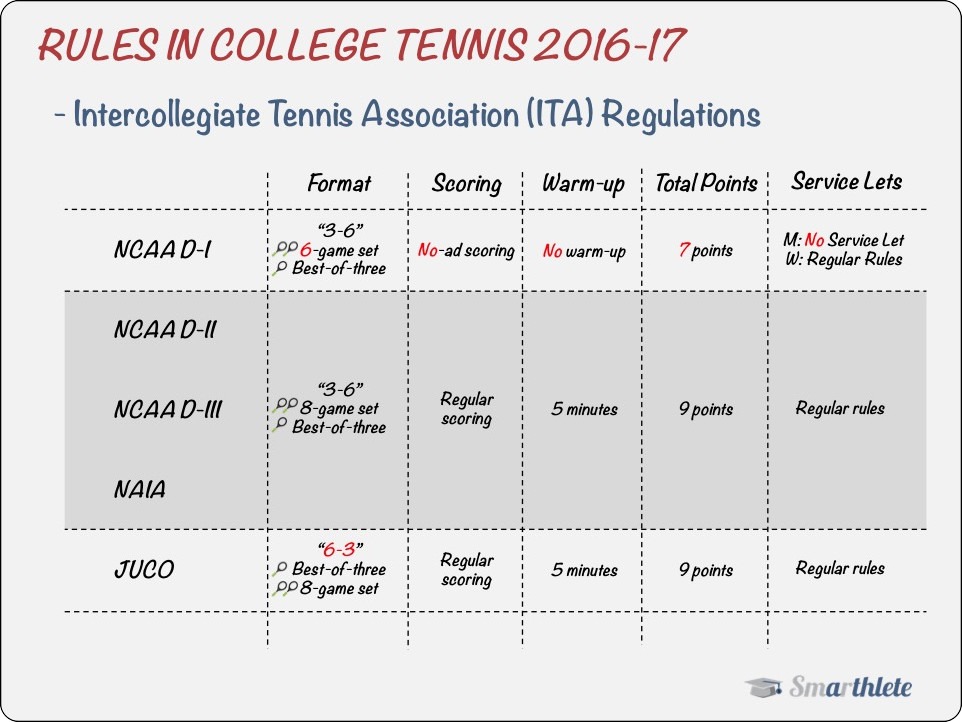
The word best is the maximum number of sets a standard match can need. A best-of-three match ends in two straight sets or goes to a third. A best-of-five match ends in three, four or five.
A 2-0 lead finishes a best-of-three match. In best-of-five, the same lead leaves the leader one set short, and a player who loses the first two sets can still win by taking the next three.
The ITF Rules of Tennis set these thresholds.
How does a tennis set end?
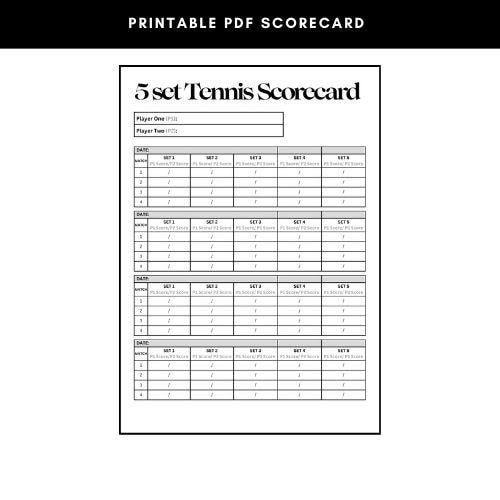
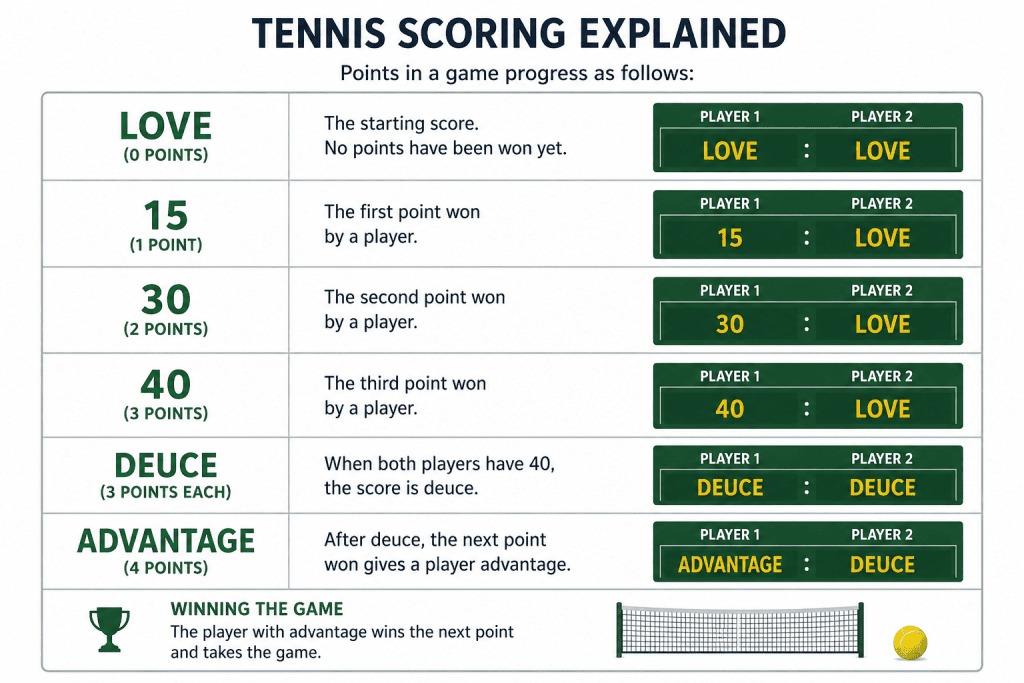
In a standard tiebreak set, 6-4 is complete because the winner has six games and a two-game margin. 6-5 is not. At 6-6, a set tiebreak decides the winner and the set is recorded 7-6. Advantage sets and short sets finish under different conditions. For points, games and deuce, see how tennis games and points are scored.
Which tennis competitions use best-of-three or best-of-five?
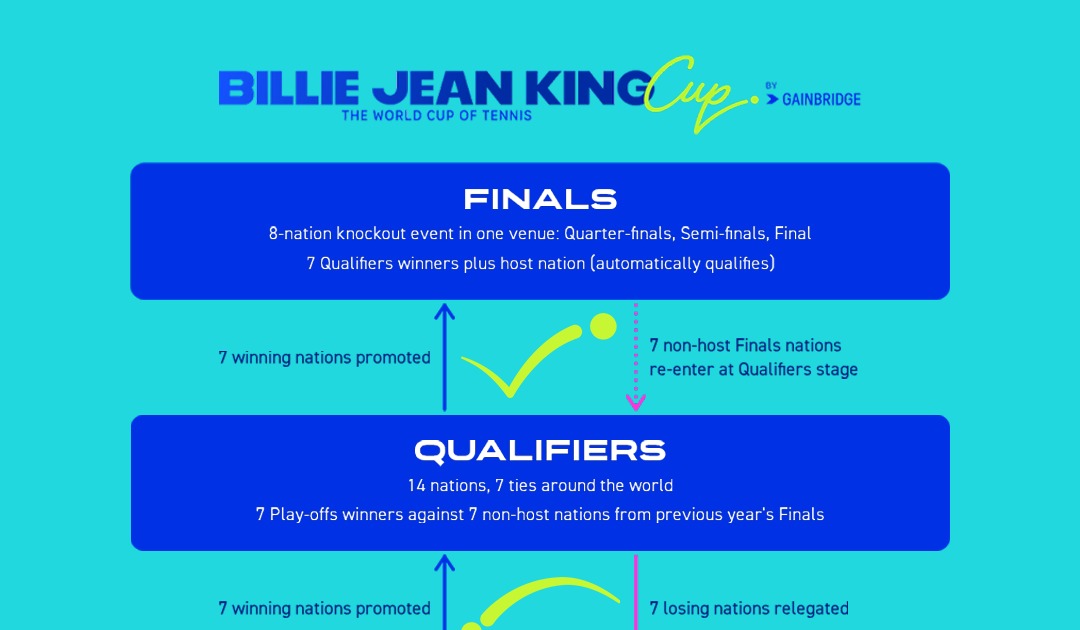
The draw category sets the match length, which is why two professional matches can differ. The 2026 Grand Slam and ATP Tour rules show how.
| Competition category | Format under the 2026 rules | What decides the match |
|---|---|---|
| Grand Slam men's singles main draw | Best of five | First to 3 sets |
| Other Grand Slam draws | Best of three, with event exceptions | First to 2 sets |
| ATP Tour singles | Best of three | First to 2 sets |
| ATP Tour doubles | Two tiebreak sets, then a match tiebreak if split | Win both opening sets, or win the deciding 10-point match tiebreak at 1-1 |
| Recreational league or local event | Set by the organizer | The organizer's set, tiebreak or time-limit rules |
The 2026 Grand Slam Rulebook separates main draws from other events. The 2026 ATP Circuit Regulations cover ATP Tour singles and doubles.

Does a 10-point tiebreak replace the third set or finish it?
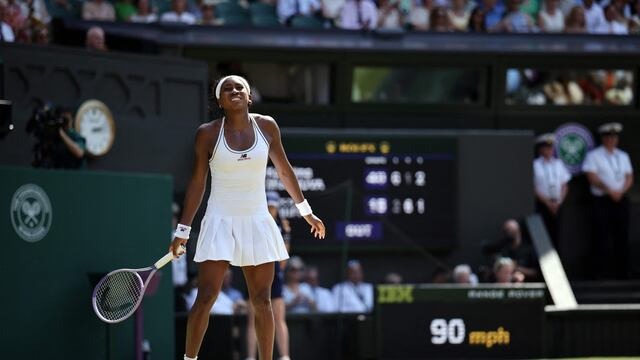
A replacement match tiebreak starts when the opening sets are split. A deciding-set tiebreak starts when the deciding set reaches 6-6 in games.
When the match tiebreak replaces the deciding set
Say the opening sets finish 6-4 and 3-6. Each player has one set, so instead of a third set you play points to at least ten and must win by two. ATP Tour doubles uses this structure under the 2026 regulations.
When a 10-point tiebreak finishes the deciding set
If the deciding set at a 2026 Grand Slam reaches 6-6 in games, the players play a 10-point set tiebreak to decide the set and the match. The set is recorded 7-6.

Why a 13-11 tiebreak score is possible
A tiebreak played to ten needs a two-point margin. At 9-9, neither side can win on the next point, and at 10-10 play continues. A final score of 13-11 meets both conditions. These numbers are points, not games in a set.
Serving rotation and changeovers are covered in how a tennis set tiebreak works. For the point target and winning margin of the replacement decider, see the rules for a match tiebreak instead of a third set.
How do you read the final set score of a match?
In complete sets, each pair of numbers shows games won, with Player A's score first and Player B's second. The first four results below are hypothetical. The last row is the recorded example from USTA Flex guidance.
| Scoreline | Format | How to read the finish |
|---|---|---|
| 6-3, 6-4 | Best of three | Player A wins 2-0 in sets; there is no third set. |
| 6-4, 3-6, 6-2 | Best of three | Player A wins 2-1 after a full deciding set. |
| 6-3, 6-4, 6-4 | Best of five | Player A wins 3-0 in sets. |
| 3-6, 4-6, 6-4, 6-4, 6-3 | Best of five | Player A wins 3-2 after losing the first two sets. |
| 6-3, 4-6, 8-10 | USTA Flex replacement match tiebreak | Opening sets are split 1-1. Player B wins the tiebreak 10-8 and the match. The last numbers are points. |
USTA Flex match-reporting guidance uses this notation.
Why do some leagues use shorter sets or timed matches?

Court time is limited. A full deciding set can run long when players stay close, while a replacement match tiebreak settles the match with a shorter point-based decider.
USTA Flex guidance permits several structures: two sets followed by a match tiebreak if split, three complete sets, and a FAST4-based option with a match tiebreak. Each program picks its own. Short and timed formats follow whatever completion or time-limit rule the competition sets.
With an evening court reservation, a replacement breaker fits. A weekend tournament with more court time can afford a full deciding set.
How can you confirm the match format before you play or watch?
Your event's rules set the format. When they leave the choice to the players, agree on it before play. USTA Flex works this way when its league rules leave the choice open.
- Event and draw: the competition, rule edition, singles or doubles, and main draw or qualifying when relevant.
- Set requirement: the best-of-three, best-of-five or shortened-set rule that applies.
- Deciding procedure: what happens after a split, whether a full set, a replacement match tiebreak or a timed completion rule.
- Tiebreak conditions: where it starts, the point target and whether a two-point margin is required.
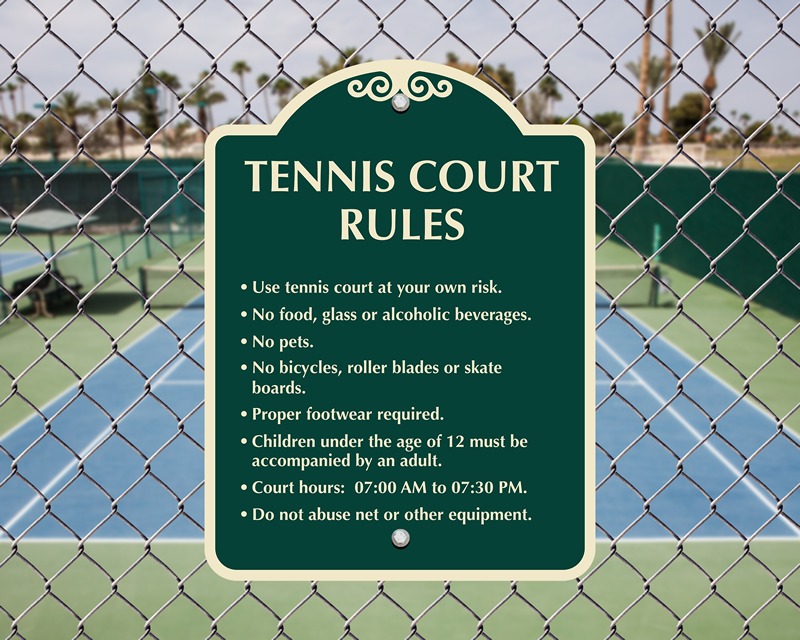
A league notice specifying a match tiebreak at one set all means a point-based finish after two sets. A rule specifying a 10-point tiebreak at 6-6 in the deciding set means you play those games first. If the notice is unclear, ask the referee or organizer.