
Go to 16 gauge if your current thinner string breaks too fast. Try 17 if string life is fine and you want a thinner feel. Unsure? Compare the actual diameters and look at 16L. Change only the gauge at your next restring, then judge the result by playability, string life, and cost.
16 vs. 17 Gauge at a Glance
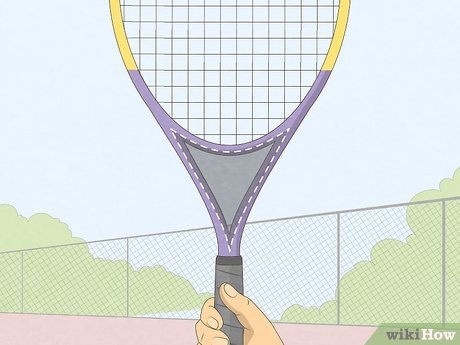
In American tennis string notation, 16 gauge is thicker than 17 gauge. When breakage is your problem, a thicker version of the same string is worth considering. When your current setup already lasts long enough, a thinner one is an optional experiment in feel.
What 16, 16L, and 17 Mean in Millimeters
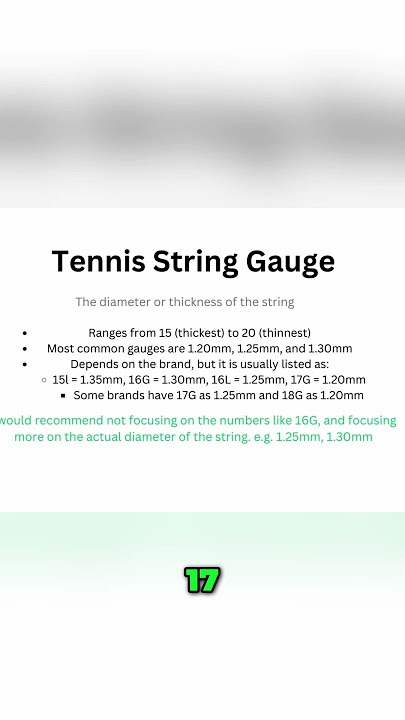
Gauge labels give a nominal thickness, and manufacturers can use the same label for different diameters. The millimeter figure on the package is the number that counts. An L, as in 16L, marks a lighter, intermediate gauge between the whole numbers.
The International Tennis Federation's rackets and strings reference gives approximate US gauge ranges, some of which overlap. The product-specific columns use specifications from Yonex POLYTOUR PRO and Solinco Hyper-G.
| Gauge | ITF approximate range | Yonex POLYTOUR PRO | Solinco Hyper-G |
|---|---|---|---|
| 16 | 1.26 to 1.34 mm | 1.30 mm | 1.30 mm |
| 16L | 1.22 to 1.30 mm | 1.25 mm | 1.25 mm |
| 17 | 1.16 to 1.24 mm | 1.20 mm | 1.20 mm |
| 18 | 1.06 to 1.16 mm | 1.15 mm | 1.15 mm |
Tennis Warehouse lists Babolat Touch VS 17 at 1.25 mm, while Yonex POLYTOUR PRO 17 is 1.20 mm. The two strings also differ in material, so this shows a labeling gap, not a performance gap.
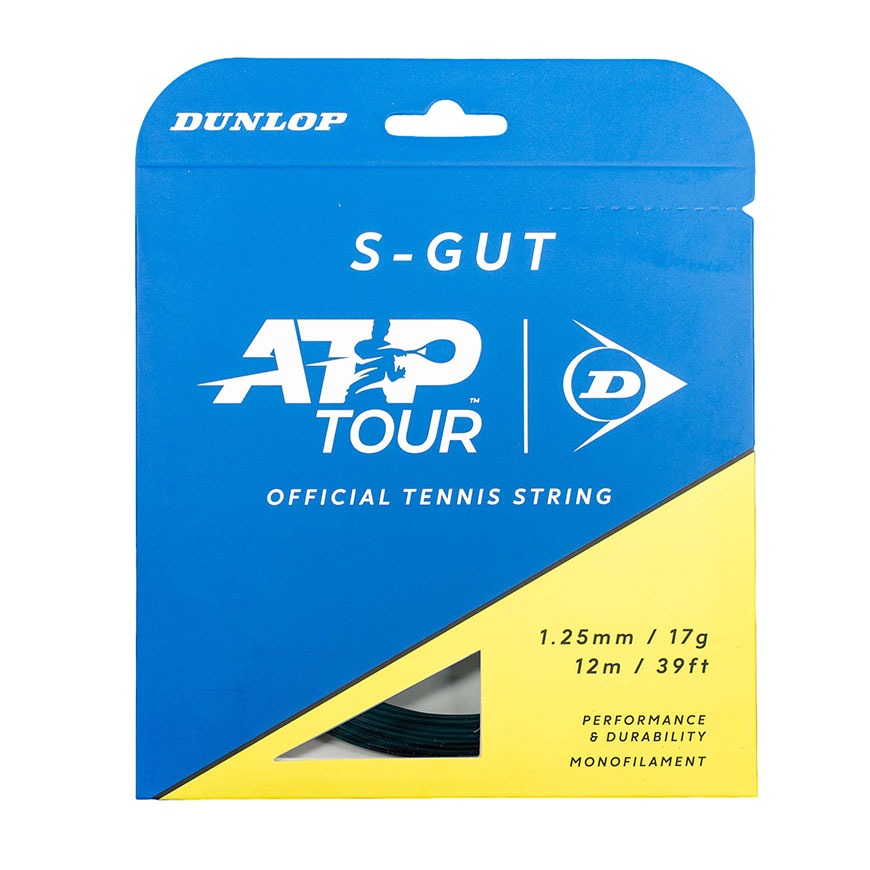
Don't confuse gauge with a racket's 16×19 string pattern. That number describes 16 main strings and 19 cross strings. Gauge is the diameter of each string.
Durability, Feel, and Power Across Gauges
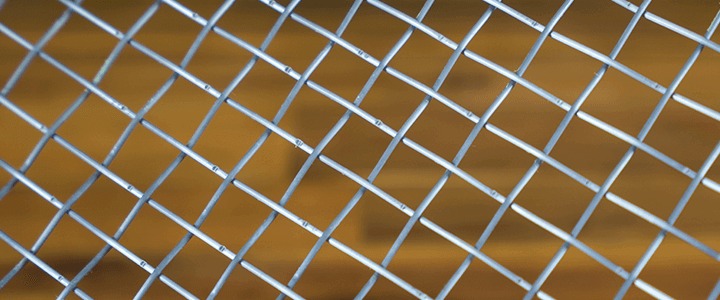
In the same string line, a thicker string resists abrasion and breakage better. Mains and crosses rub where they intersect, and the notches that form there eventually weaken them. A thinner string has less material to wear through. How much sooner it breaks varies from player to player, so no hour count applies to everyone.
Thinner string is also more flexible. That can change string-bed deflection, ball response and the feel at contact. Some players call it livelier or say it gives easier power. That is perception, and nothing guarantees extra ball speed when you go from 16 to 17.
A string can fail in four ways: it snaps, it notches or frays, the mains and crosses stop moving as they did, or it loses its playing characteristics while staying intact. These happen at different points in a string's life.
Does 17 Gauge Produce More Spin?
No evidence shows that 17 gauge adds spin. The ITF's November 2019 technical discussion described limited empirical support for that thinner-gauge claim. String movement, friction, construction and impact conditions are part of the mechanism.
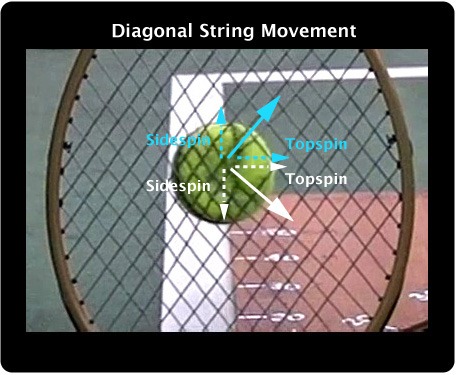
When main strings move sideways during ball contact and return toward their former positions, they can influence the outgoing ball's spin. That depends on the surfaces of the strings and how the ball strikes them. A gauge number cannot capture all of those properties.
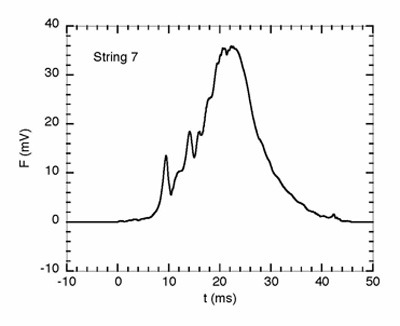
The Tennis Warehouse University spin experiment compared 16 strings, all of them 16 gauge. It used an incoming ball speed near 23 meters per second (51 mph) and an incidence angle close to 40 degrees. It shows differences among those strings under those conditions. It did not test 16 against 17 gauge.
Say you switch from 16-gauge synthetic gut to 17-gauge polyester and notice a different trajectory. Material and thickness both changed, so you can't credit the gauge. Judge any extra-spin claim by whether the comparison held the string line, racket, tension and impact conditions constant.
Who Should Choose 16, 16L, or 17 Gauge?
Pick your next gauge based on what your current string does well and what you want to change. Treat these as trials within a suitable string family, and let the actual millimeters override the label.
| Current situation | Next option | Tradeoff to accept |
|---|---|---|
| A thin string breaks too soon, but otherwise feels good | Same-line 16L or 16 | More wear resistance, different feel |
| String life is comfortable, and you want to experiment | Same-line 17 or 16L | Feel changes, less wear margin |
| The present setup already meets your needs | Keep the existing gauge | No experiment, no expense |
| You want a smaller step between 16 and 17 | 16L, if the product offers it | An intermediate actual diameter |
| The string material itself feels unsuitable | Revisit material first | Changing diameter leaves the original problem |
If you keep breaking a 17/1.20 mm version of a string you like, try 16L/1.25 mm in the same line before moving to 16/1.30 mm. If you're happy with the durability of 16/1.30 mm, 16L is a mild feel experiment.
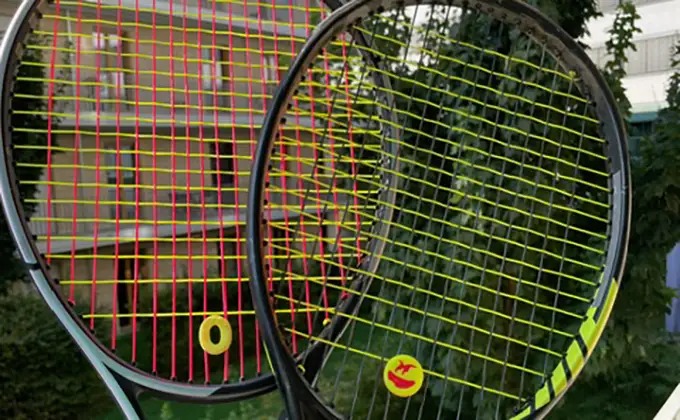
When the material is the problem, gauge won't fix it. A beginner unhappy with a stiff polyester setup may need to compare tennis string materials. A hybrid adds another layer, since mains and crosses can use different strings and diameters.
String Breakage, Restringing Cost, and Gauge
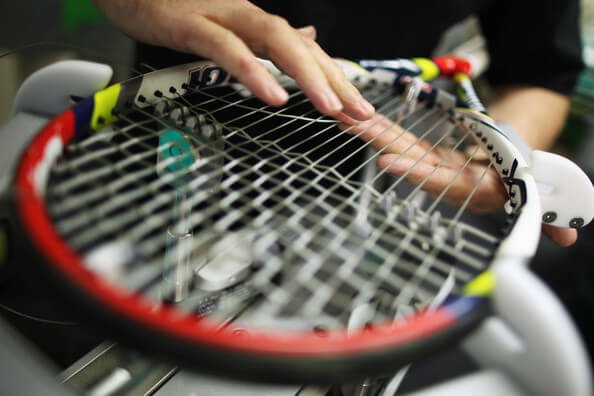
If you restring often, string life has a price. Compare what you spend per hour of satisfactory play, strings and labor included. A string that breaks just before a planned session also costs you time.
A string's life ends when it breaks or stops playing the way you like. Count those as separate endpoints when you compare two gauges.
Take a hypothetical $30 string job that lasts ten playable hours. That is $3 per playable hour: restring cost divided by usable hours. A second gauge is cheaper to maintain only if its own cost and lifespan give a lower ratio. Labor rates and playing conditions are your own inputs.
Material, Tension, Racket Pattern, and Playing Conditions
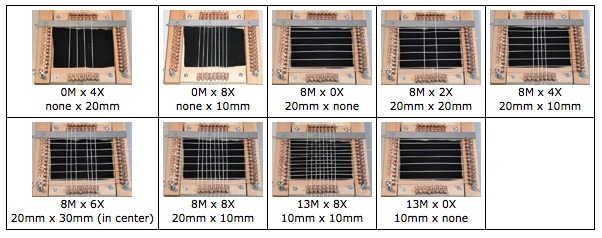
Material, installation tension, racket geometry and court conditions all change how a gauge comparison feels. Change several at once and a difference in string life or ball response has several possible explanations.
Polyester monofilament, synthetic gut, multifilament and natural gut differ in construction and behavior, and string shape and surface affect how mains and crosses interact. Compare thickness within the same product line.
Tension is the load applied during installation, usually measured in pounds in the US. Diameter is measured in millimeters. Change both and either can account for the feel. A separate tennis string tension guide covers choosing the installation setting.
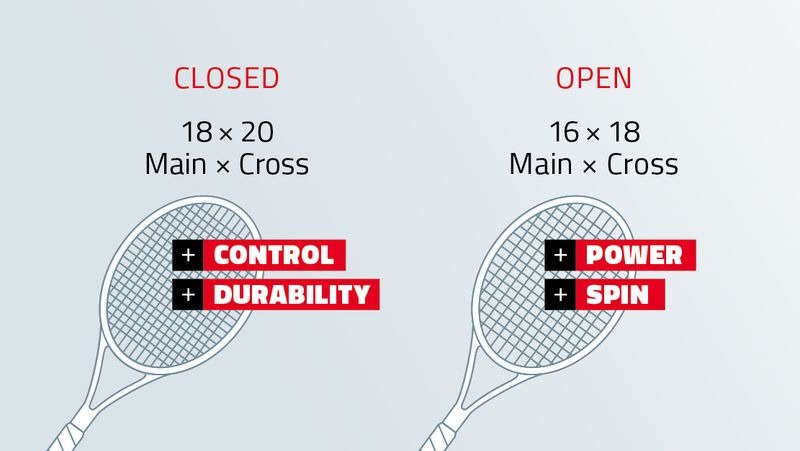
Patterns such as 16×19 and 16×12 space the mains and crosses differently, which affects movement within the string bed. Changing rackets while changing strings adds a major new variable.
Hitting intensity, balls, string age and court surface vary from one stretch of play to the next. If your strings wear out sooner after you move clubs, the court surface or the balls may be the reason.
A Fair 16-vs.-17 Test at Your Next Restring
If Yonex POLYTOUR PRO polyester already suits your game, compare its 16 gauge at 1.30 mm with its 17 gauge at 1.20 mm in the same racket. Keep the rest of the setup as close as you can. For a smaller step, 16L at 1.25 mm sits in between.
| Test field | Current 16 gauge | Trial 17 gauge |
|---|---|---|
| String line | POLYTOUR PRO | POLYTOUR PRO |
| Nominal diameter | 1.30 mm | 1.20 mm |
| Racket and pattern | Same racket and pattern | Same racket and pattern |
| Installed tension | Log actual pounds | Keep comparable pounds |
| Court and playing hours | Log surface and total usable hours to replacement | Log surface and total usable hours to replacement |
| Observable wear | Note wear or breakage | Note wear or breakage |
| Playing feel | Describe control and response | Describe control and response |
| String plus labor expense | Enter actual USD total | Enter actual USD total |
| Cost per playable hour | Cost ÷ usable hours | Cost ÷ usable hours |

- Start with a baseline. Decide whether success means longer string life, a preferred feel, or a lower cost per playable hour. Note why you're replacing the current strings.
- Change the diameter. Restring with the same product in the other gauge, using the same frame and comparable installation conditions.
- Play familiar situations. Hit your normal serves and groundstrokes or play matches. Keep your impressions separate from visible wear and actual breakage.
- Compare the outcomes. Check the log against your success criterion, including expense and inconvenience.
- Keep or revert. Keep the new gauge if it feels better or meets your durability and cost needs. If the difference is negligible or the tradeoff disappoints, go back to the setup you liked.
Swing execution, balls and conditions will still vary. Record the test conditions and the outcomes separately and the result is easier to read.
The Choice to Make Before Your Next String Job
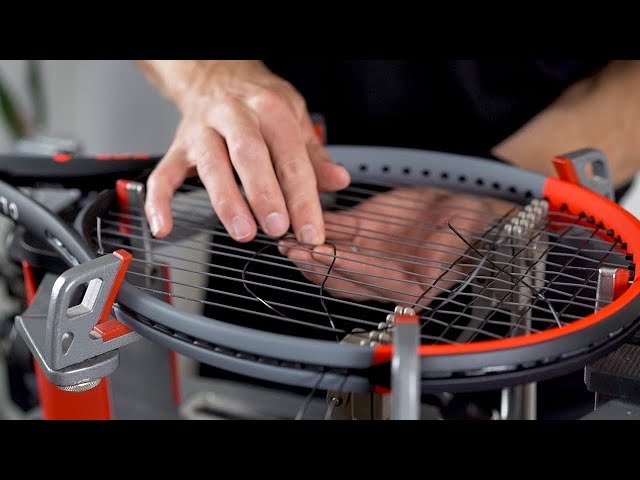
Before paying for another job, make sure gauge is the problem. A string that lost its preferred feel without breaking raises a restring timing question. An unsuitable material or installation setting has its own fix.
If elbow, arm or wrist pain persists, consult an appropriately qualified clinician.