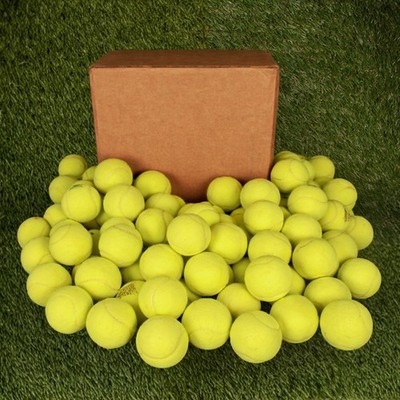
Use extra-duty pressurized balls on abrasive hard courts and regular-duty pressurized balls on clay. For frequent ball-machine practice, try compatible pressureless balls if the feel suits your drills. Felt duty tells you which surface the ball is built for. Pressure construction affects rebound and how the ball changes with use. Event rules, a coach's lesson plan, or the specific ball model can override all of this.
Which tennis ball should you use for your court or practice?
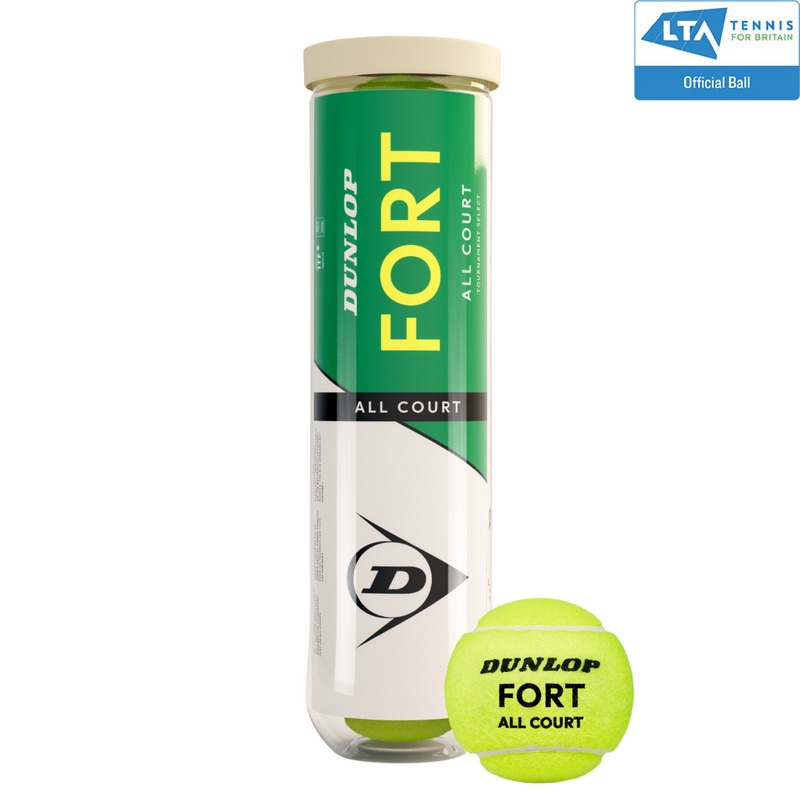
Pick the ball by court and by what you are doing that day. Extra duty describes the felt. Pressureless describes the construction. One ball can carry both labels.
| Playing situation | Good starting choice | Reason |
|---|---|---|
| Recreational match on abrasive hard court | Extra-duty pressurized adult balls | Felt designed for hard-court abrasion |
| Recreational clay-court match | Regular-duty pressurized adult balls | Tighter felt suited to clay |
| Repeated ball-machine drills | Compatible pressureless balls, or suitable pressurized balls | Consistency over sessions versus familiar match feel; the machine's requirements apply |
| Adult beginner on a full-size court | Standard adult balls for the surface | Ordinary adult play uses normal balls; a coach may specify lower-compression balls |
| Red, orange, or green learning stage | The ball specified for that stage | Ball behavior and playing conditions are adapted for learning |
| Sanctioned match or high-altitude conditions | The ball required for the event or conditions | Formal specifications and event rules apply |
Regular-duty vs extra-duty tennis balls: what changes on clay and hard courts?
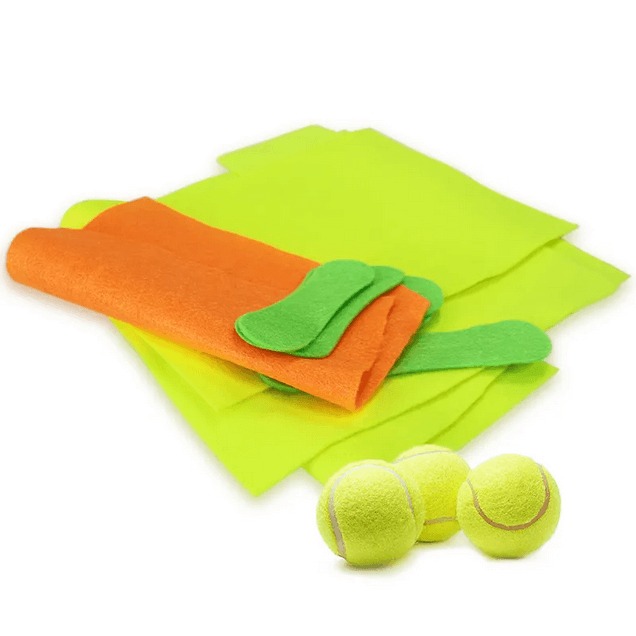
Extra-duty balls use thicker, looser felt to stand up to hard-court abrasion. Regular-duty balls have tighter, thinner felt suited to clay and certain less abrasive surfaces. Wilson describes this difference in its tennis-ball selection guide.
On a hard court, repeated bouncing and sliding wear the felt against an abrasive surface. Clay treats the felt differently, which is why manufacturers offer distinct duty labels.
One player returning to outdoor clay described how the balls felt different at the start and end of the first set:
I’m looking for some recommendations for the best clay court balls. I haven't played since October 2025 as I only play on outdoor clay, so I'm getting back into it now. Last time I used Tecnifibre X-One they felt a bit heavy at first but were great after the first set. I see a lot of people suggesting Wilson US Open but I’d love to hear some other recommendations. What are you guys using?
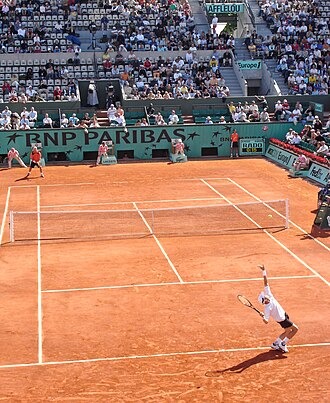
Indoor courts can have abrasive hard surfaces. Felt wear tracks the abrasiveness of the surface, even indoors. For more on that distinction, see hard and clay court surfaces.
Labels such as heavy duty and all court vary by manufacturer, so compare the regular-duty or extra-duty designation on the specific product.
Pressurized vs pressureless tennis balls: how bounce, feel and durability differ
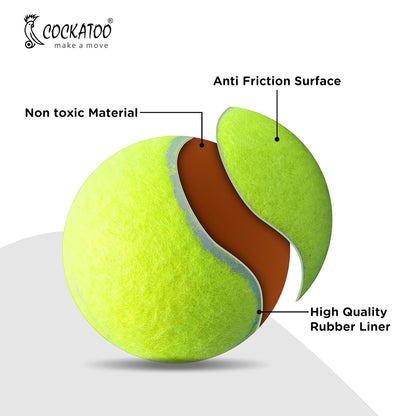
Pressurized balls use internal gas pressure as part of their bounce. Pressureless balls rely on a different core construction, which makes them a common choice for repeated practice, where keeping the original gas pressure would be a concern.
Felt wears on both constructions, through contact and court abrasion. A pressureless practice ball stays useful after many feeds, though its surface feels different. If you are preparing for matches, you may prefer the response of fresh pressurized balls.
What changes as a ball gets used?
Pressurized balls gradually lose their original rebound as internal pressure changes. Pressureless balls don't lose rebound that way, but their felt and feel still change. That matters differently for a hopper of practice balls than for a can of match balls.
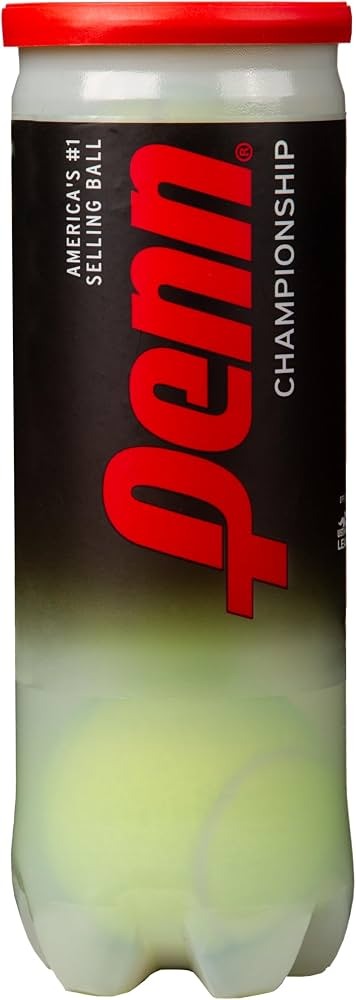
Wilson's Triniti, Triniti Pro, and Triniti Club show why packaging is not enough. An unpressurized container does not reveal the internal construction of every variant. The model specification does.
What type of tennis ball should go in a ball machine?
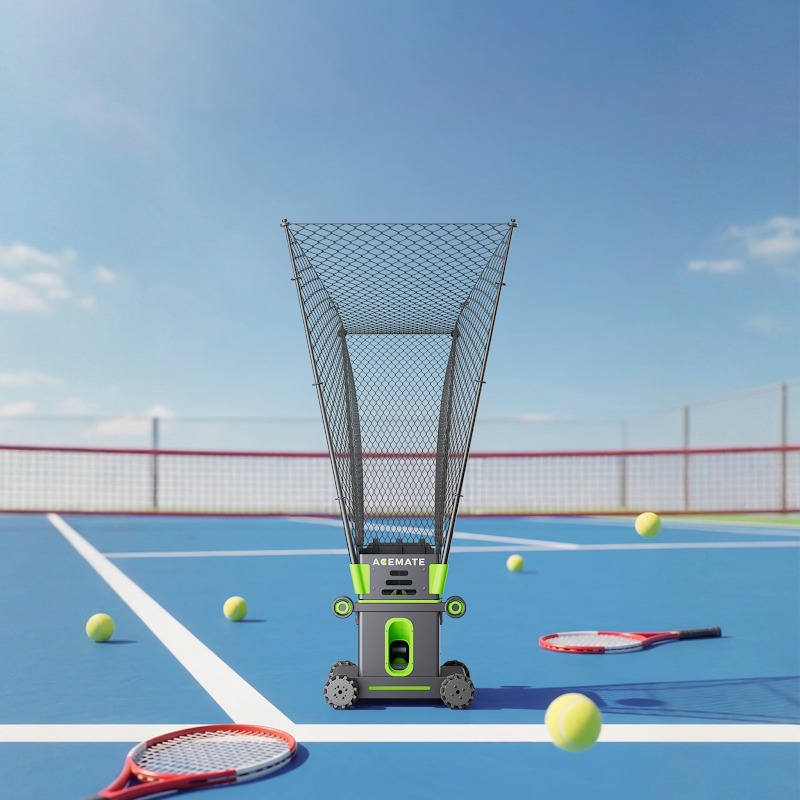
Start with compatible pressureless balls for repeated feeds, and choose pressurized balls when you want a feel close to a fresh match ball. A full hopper means dozens of balls, so a wrong pick gets expensive.
One recreational player put the dilemma in concrete terms:
Anyone have advice on pressureless tennis balls? I’m about to buy around 75-100 for my ball machine—mix of topspin, underspin, flat shots, all over the court. I don’t want anything super hard that could mess with my elbow, just something softer and feels more like a regular ball. Not worried about them lasting forever; I’m fine replacing them every couple of years. Planning to use them mostly in spring and summer, and I’ll probably just use the club’s balls during winter.
Choose for the kind of feed you want
| Priority | Ball choice to consider | Tradeoff |
|---|---|---|
| Repetitive technical drills | Machine-compatible pressureless balls | Consistent over repeated use; contact feel can differ |
| Practicing for match-like contact | Suitable pressurized adult balls | Familiar response when fresh, then changes as pressure and felt age |
| Consistent feeds across the hopper | Uniform supply of the same brand and type | Mixing balls with different behavior makes feeds less predictable |
Spinfire's ball-machine guidance covers pressureless practice use and its tradeoffs. Its separate consistency guidance advises using identical balls and avoiding mixed brands or types for predictable feeds. Your own machine's instructions decide which balls are allowed.
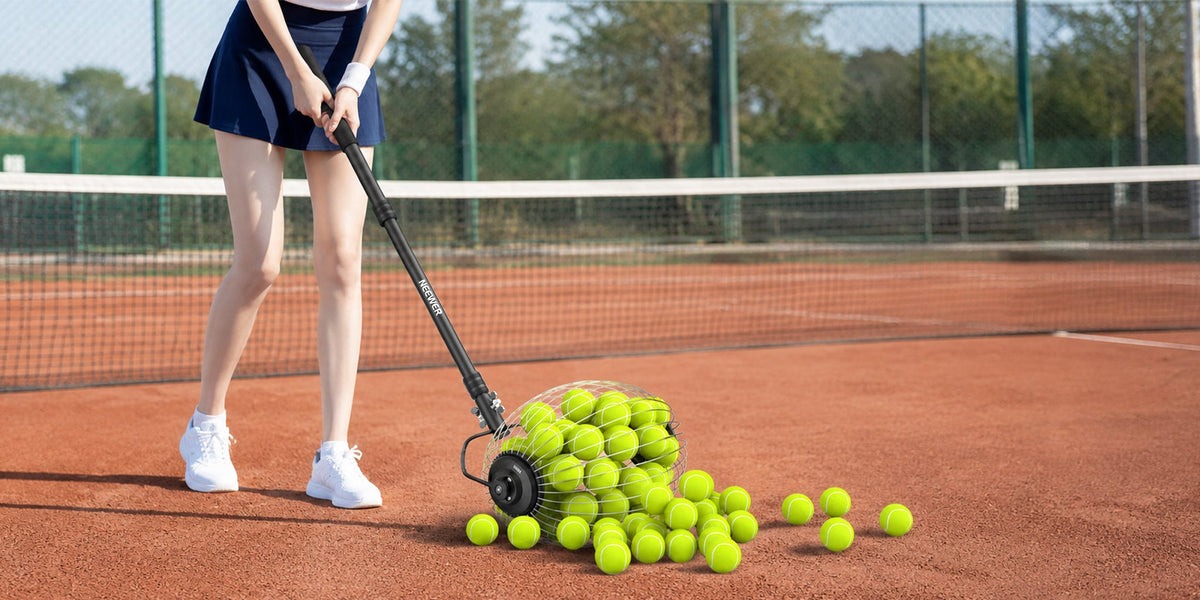
Before buying a full hopper, run a small trial with ball types the machine manufacturer allows. Feed the shots you normally practice and watch whether delivery stays reliable and the contact feels useful.
When are tennis balls too worn or inconsistent to keep using?
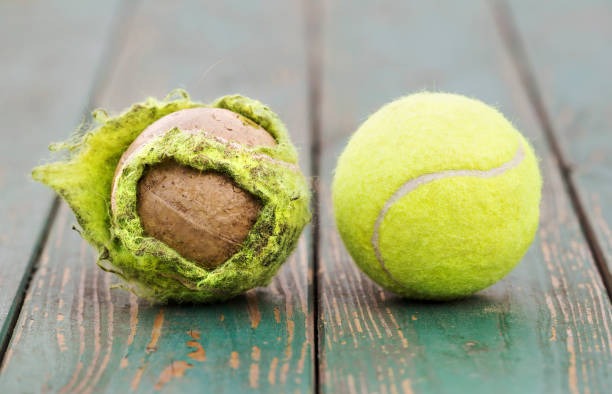
Pull a ball from the batch when it plays differently from comparable balls under the same conditions: visibly abraded, unusually dull, or unpredictable in the feed. No established universal replacement interval or home rebound-height cutoff covers every ball and practice situation.
Are ITF Type 1, Type 2, Type 3 and red/orange/green balls the same categories?
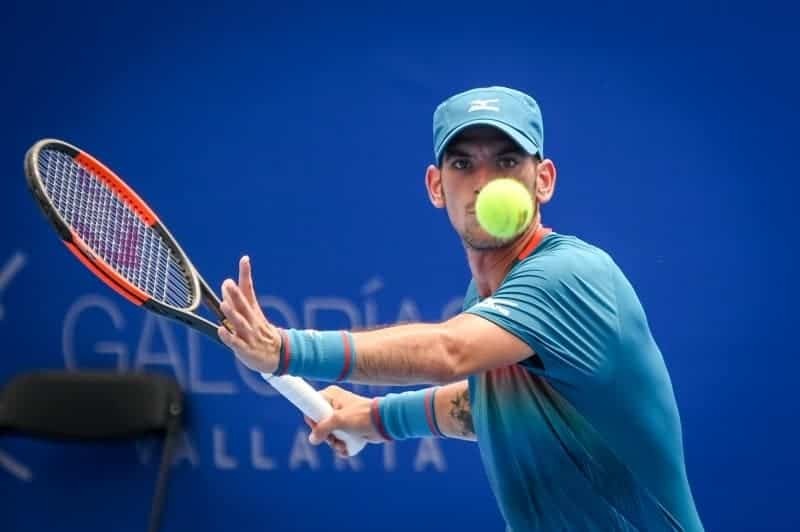
No. Type 1, Type 2, Type 3, and High Altitude are the ITF's formal performance classes for adult balls, defined by specified playing characteristics. Regular-duty and extra-duty are manufacturer labels for felt construction. Red, orange, and green belong to a separate learning approach, covered below.
The ITF Technical Booklet 2026 sets out these classes:
| Class | ITF designation | Relevant distinction |
|---|---|---|
| Type 1 | Fast | – |
| Type 2 | Medium | Pressurized or pressureless, if it meets the specification |
| Type 3 | Slow | Larger permitted diameter than Type 2 |
| High Altitude | Special conditions | Performance specifications for high-elevation play |
For court pace, the ITF pairs fast Type 1 balls with slow-pace courts, medium Type 2 balls with medium-slow through medium-fast courts, and slow Type 3 balls with fast-pace courts.
Type 2 permits a diameter of 6.54 to 6.86 cm. Type 3 permits 7.00 to 7.30 cm. The ITF specifies a permitted mass of 56.0 to 59.4 grams for its listed adult performance classes.
High-altitude provisions address play above 1,219 meters (4,000 feet). If you are preparing for an event around 5,000 feet, account for the ball specification applied at that event.
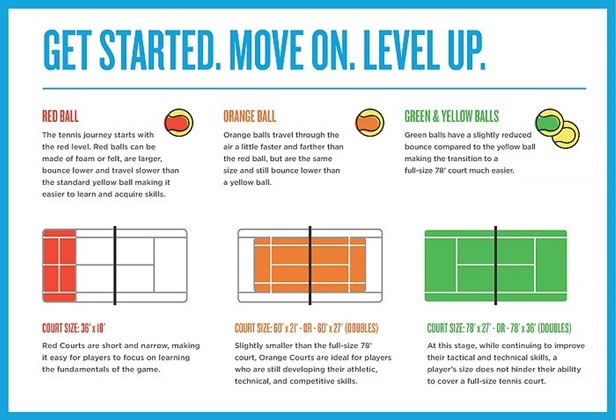
Red, orange, and green learning balls
Red, orange, and green balls belong to the ITF's adapted learning approach, with ball behavior and playing conditions set for each stage. Green-stage balls are lower-compression learning equipment. Ordinary pressureless practice balls are chosen for their construction and how they perform under repeated use.
For an orange-stage junior session, the stage and court setup set the choice. An adult beginner on a full-size court can use standard adult balls unless the coach's program calls for a lower-compression option. The full stage comparison is in red, orange, and green training-ball stages.
Check the label and the match rules before you buy
- Identify the exact ball. Read the full model designation, the felt-duty label, and the stated pressure construction. Some US sellers abbreviate regular duty as RD and extra duty as XD.
- For competition, check formal approval and the event's ball. The ITF Approved Tennis Balls list identifies approved models, while event rules determine what is used in that competition.