
Use specs to rule out obvious mismatches and cut your list to two or three rackets. Check that the numbers were measured the same way. Then demo the finalists with the same shots and note what changes in your game.
Start with a specific racket decision

A good selector shortens your list and tells you why each racket made it. Every pick should tie a measurable spec to something you need.
Tennis Warehouse University has a racket recommender and comparison tools, and Tennis Express has a racket-finding quiz. Use them for ideas, but set your own goal first.
Say you've played with the same racket for years and want better directional confidence when attacking short balls. That's a specific problem you can test. A first-time buyer might just need a properly fitted adult racket within budget. Write down which job you're doing before you look at models.
An r/10s player who had grown frustrated with general racket recommendations later reported buying a secondhand Head Boom MP for $120.
Choosing constraints and a shortlist
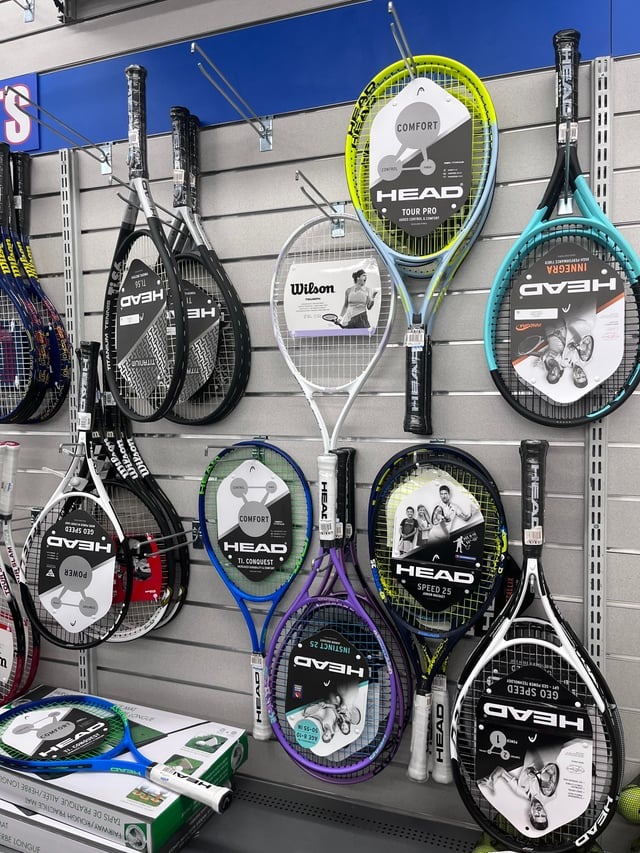
Start with the requirements that matter before you hit a single shot: a usable grip size, a suitable adult length, a spending limit and access to a meaningful trial. Leave preferences like feel or attacking style until you've played with the rackets.
One beginner reached the buying stage with four model names and no obvious way to choose:
I've recently started getting into tennis and have been trying to figure out what racket to buy. I've spent way too much time reading reviews and now I'm more confused than when I started. I don't want to spend a fortune, but I also don't want a beginner/recreational racket that I'll outgrow quickly. I'd rather buy something solid that I can keep as I improve. Right now I'm looking at a Dunlop FX 500, Pure Drive 2025, T-Fight XTC 315, and Pure Aero. The FX 500 is the one I'm leaning towards, but since I'm still new to the sport I honestly don't know what would fit me best. If you were starting out today and wanted a racket that works now and still makes sense a few years from now, what would you pick?

Build a four-part filter:
- Must have: Grip fit, a suitable frame format, an acceptable total cost and any other genuine deal-breaker.
- Can vary: Head size, unfamiliar balance and anything else you want to test on court.
- Reference racket: If you're replacing a racket, name the one you own and the change you want. For a first purchase, use a properly fitted demo racket as your comparison.
- Unverified: Any requirement with missing specs, an unclear model generation or an uncertain purchase condition.
Weight, balance and swingweight are three different measurements
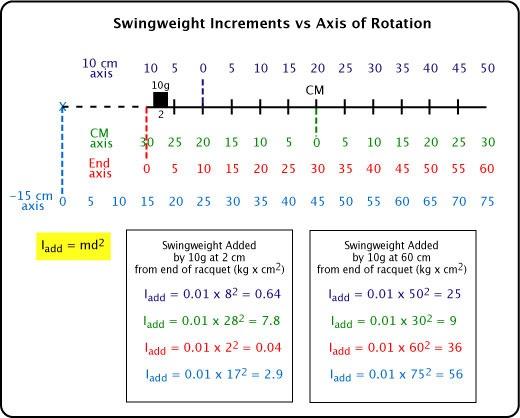
Two rackets can weigh the same and still take different effort to accelerate or redirect. Weight, balance and swingweight each describe a different part of how a racket is built and moves.
| Measurement | Common unit | What is measured | Why compare it? |
|---|---|---|---|
| Static weight | g or oz | Total frame mass in a stated setup | Overall mass to carry and swing |
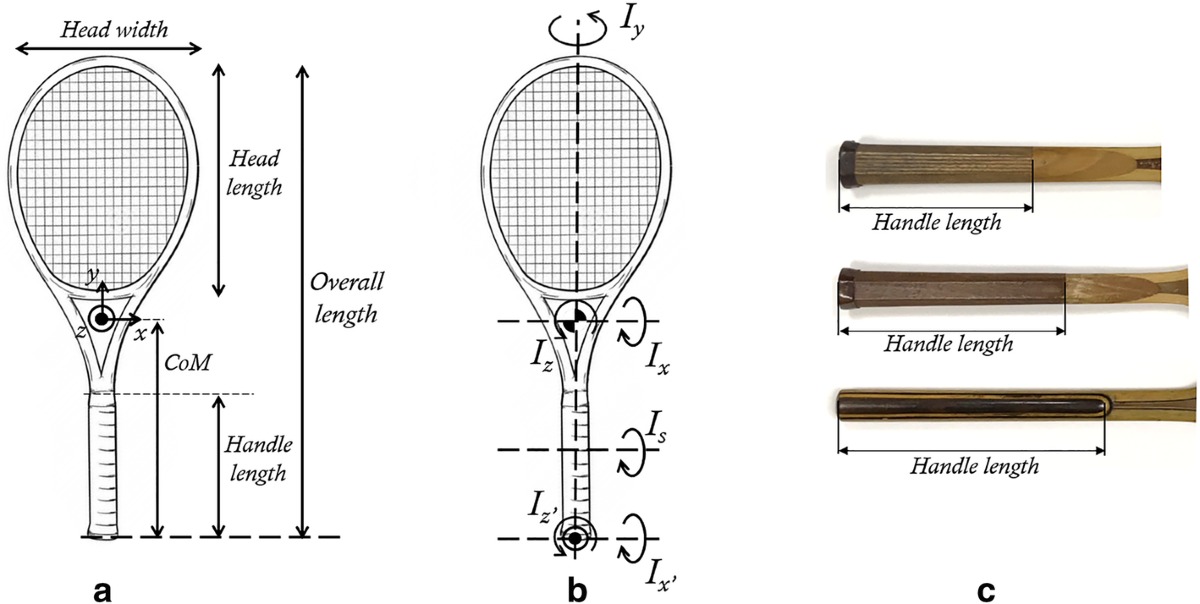
| Balance | mm or cm from the butt; head-light or head-heavy notation | Position of the center of mass | Distribution of that mass |
| Swingweight | kg·cm² | Rotational inertia about a specified axis | Resistance to accelerating and redirecting the racket |
Tennis Warehouse University's weight, balance and swingweight guide explains the measurements and how they relate.
A head-light racket can still have a substantial swingweight. Mass placed farther from the rotational axis affects inertia even when the balance description sounds familiar. Head-light points also depend on racket length, so a conversion needs the correct length.
Two listings can show equal static weight and different measured swingweights, and both numbers can be right. The mass sits in different places. Use each measurement for what it says about handling in returns, volleys and other quick reactions. A missing swingweight stays unknown.
Head size, length, stiffness, pattern and grip: what else matters
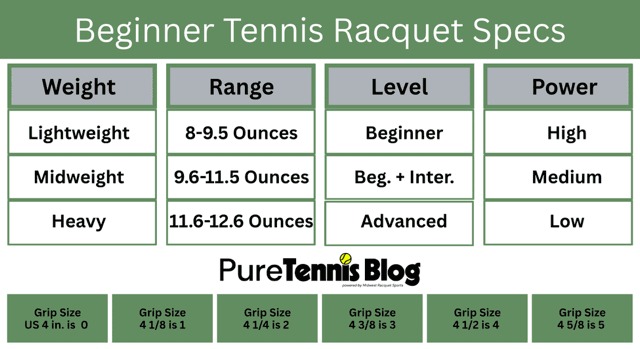
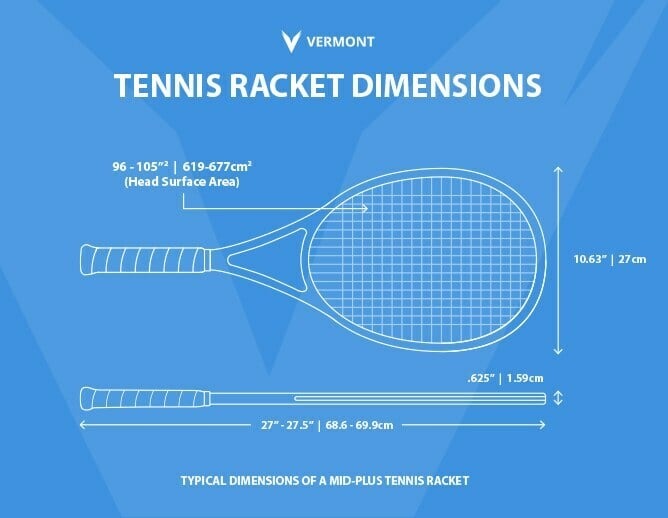
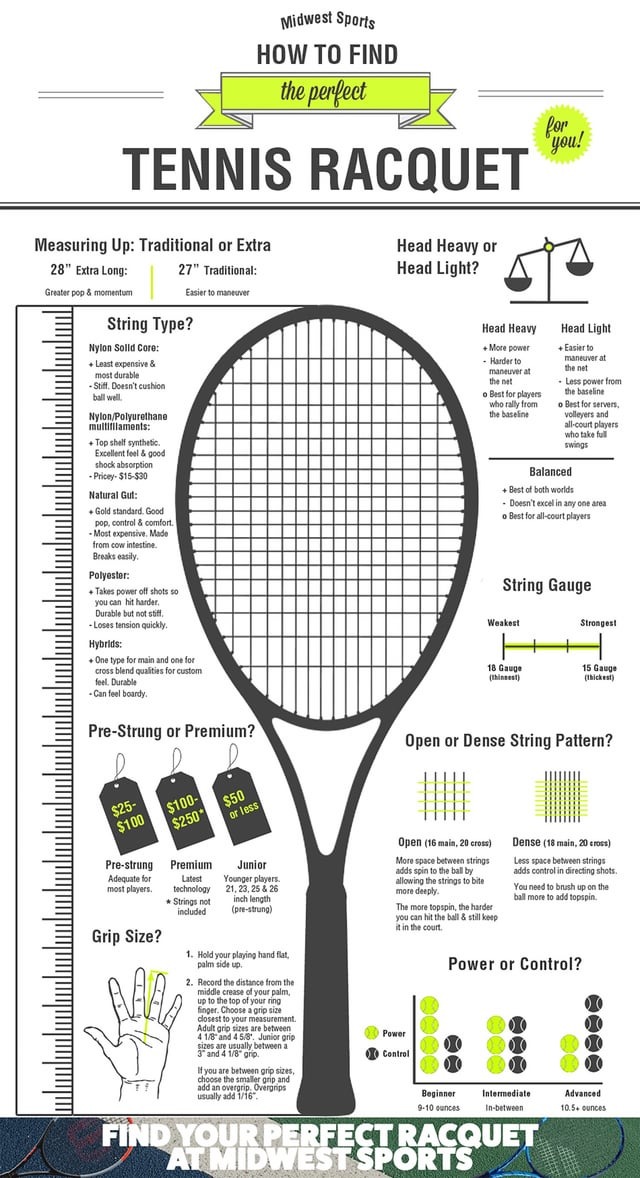
- Head size: String-bed area in square inches. A 98 in² and a 100 in² racket have different areas, and the player's response also depends on construction and setup.
- Length: The USTA identifies 27 inches as the standard adult length. Extended rackets give extra reach and leverage at the cost of maneuverability.
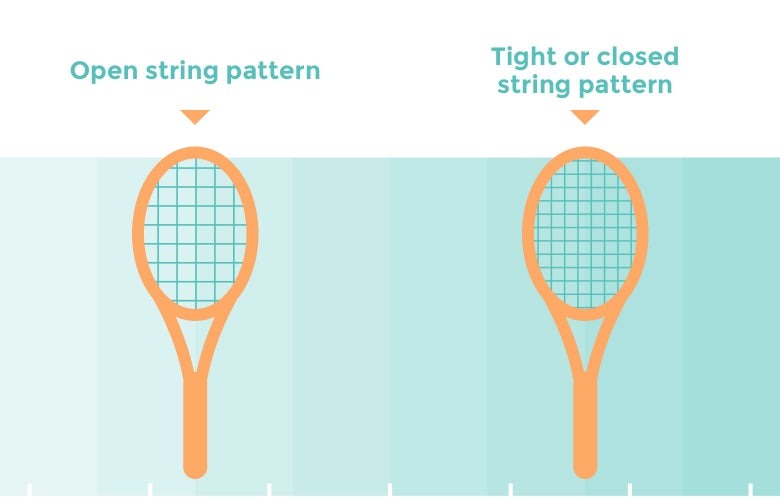
- String pattern: Main strings by cross strings, such as 16×20. The counts describe geometry, while ball response also depends on strings, tension and the rest of the frame.
- Grip size: A physical fit requirement, separate from the way you hold the racket for a forehand and separate from an overgrip.
- RA stiffness: A frame-bending measurement whose meaning depends on test method and setup.
A 2025 Sports Engineering study examined 10 rackets at 23 impact positions and reported Spearman's ρ of −0.53 between first-mode damping ratio and an experimental measure labeled Nervousness.
Check the model variant, length, string pattern and available grip size against the product specification.
Compare like with like: strung state, model generation and measurement method
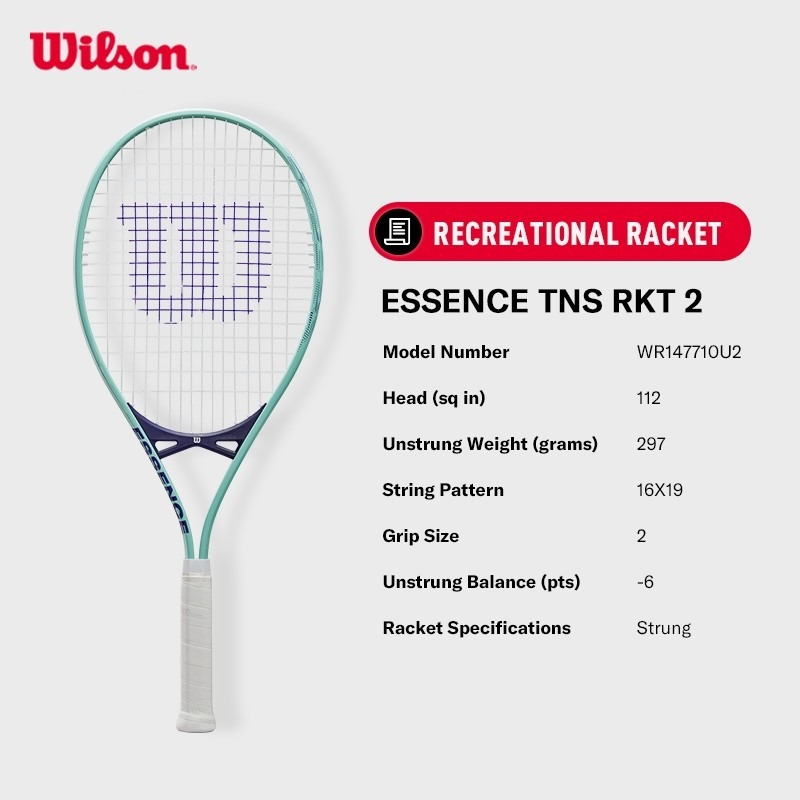
A manufacturer can list an unstrung racket while a specialist database measures a strung one. Strings, an overgrip, a dampener or other customization change the assembled setup. Model generation and measurement method matter just as much when a small difference will affect your choice.
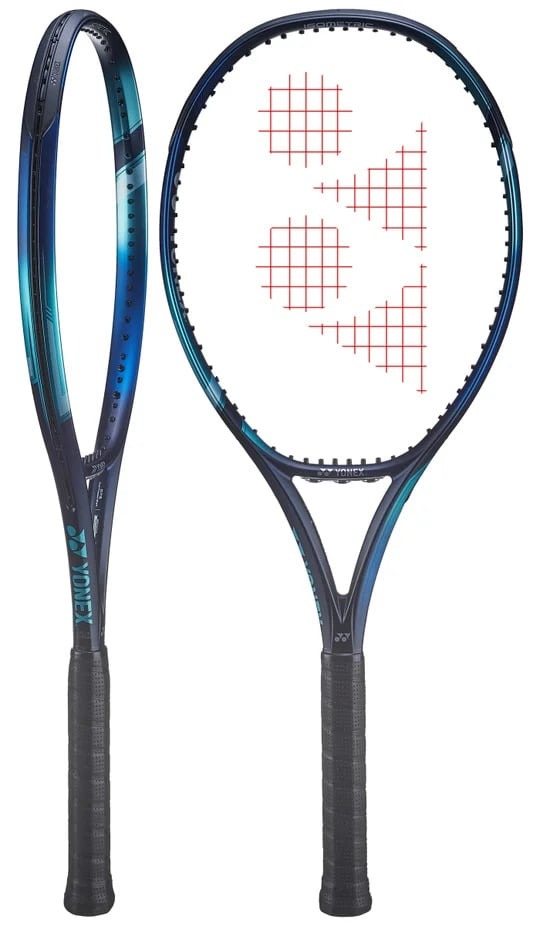
Take Babolat's Pure Aero 98 Gen9 product page. The racket is sold unstrung, and the technical fields label some measurement states explicitly.
| Attribute | Babolat's published value | Source label or interpretation |
|---|---|---|
| Weight | 305 g ±7 | Explicitly labeled unstrung |
| Balance | 315 mm ±7 | Explicitly labeled unstrung |
| Head size | 98 in² | Frame's stated head area |
| String pattern | 16×20 | Stated mains and crosses |
| RA stiffness | 71 ±3 | Manufacturer's stiffness figure with tolerance |
| Swingweight | SW 295 | Listed as “Swing Weight”; the field doesn't give the strung state or measurement method |
The ±7 g, ±7 mm and ±3 RA tolerances come from this manufacturer's listing. Each figure gives a range of production variation, not an exact measurement of the racket in your hand.
A strung swingweight from another publisher isn't directly comparable to Babolat's SW 295 until the test setup and method match. The Briffidi SW1 instructions show why instrument placement and procedure matter.
For each figure that decides your choice, keep one source record: value | unit | strung state | model generation | method | tolerance | source. Mark any unmatched field not comparable until you can confirm the conditions.
Sort rackets into keep, drop and unknown
Every racket lands in one of three states: it meets your documented must-haves, it fails one, or you don't have enough comparable evidence for the decision.
| State | Reason | Example | What to do |
|---|---|---|---|
| Retain | Known must-haves are met | Grip option and documented cost meet your constraints | Add to your demo list |
| Exclude | A verified must-have fails | Verified asking price exceeds your spending ceiling | Remove from consideration |
| Unknown | A key number is missing or incompatible | Swingweight can't be matched to the strung measurement you need | Hold that comparison until comparable data exist |
Say you need a measured strung swingweight to compare two finalists. Babolat lists SW 295 for the Pure Aero 98 Gen9, but the product-page field doesn't give a strung value from a matching method. Mark that criterion unknown. The racket stays in the running on its other verified attributes, and you hold off ranking swingweight.
Write one line per racket: kept because, dropped because or unsure because. If the missing number decides the choice, you don't have enough data until you get a measurement made on comparable terms.
Budget and sourcing constraints
Before buying a used racket, inspect the frame and grip, identify the strings and find out whether a previous owner added weight or made other changes. Compare the asking price with likely restringing, grip replacement or setup costs, since a low sticker price can hide part of the final cost.
The stringing decision hidden inside racket checkout
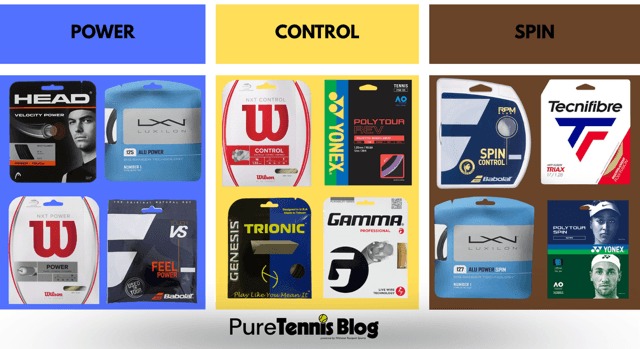
After you choose a racket, you may face a separate stringing decision. An unstrung product can require choices about material, gauge, tension and a standard or hybrid setup before you can play.
One beginner described the surprise during checkout:
I checked the other posts and right when i thought i had an idea of what i wanted, i go to the website to pull the trigger on it only to be bombarded by a bunch of stringing options and their tensions and AHHHH it's so confusing TT like, hybrid stringing? standard stringing?? I'd really appreciate some help from people more experienced! I'm really looking forward to enjoying this sport and be a part of the awesome community :D
The player was considering a Yonex VCORE and ran into string options after settling on a racket. String material or construction, thickness, tension and the mix of mains and crosses each describe a different part of the setup. A hybrid uses different strings in the main and cross directions.
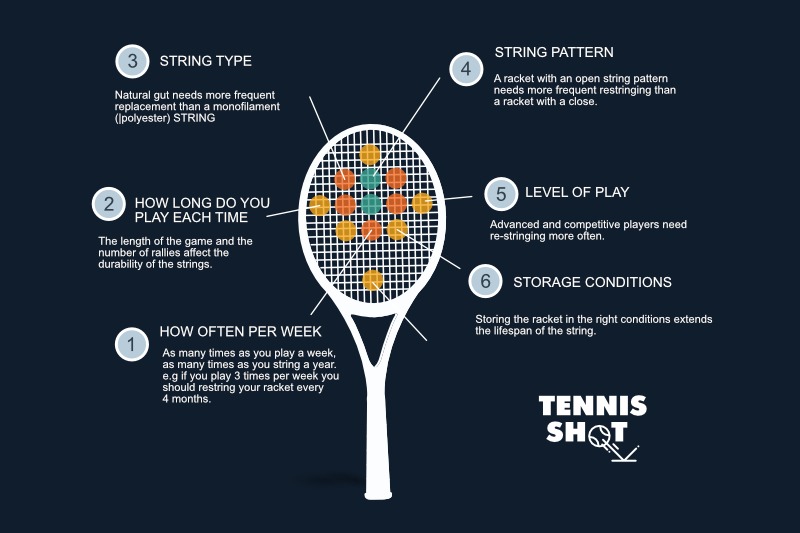
At checkout, find out whether strings are already installed and record their type and tension if listed. For an unstrung racket, a string guide or qualified stringer can specify the setup for that exact model.
Comparing trade-offs under the same demo conditions
In a demo, you test the remaining rackets on the same tasks. Pick shots tied to your own goal, keep the sessions as similar as you can, and note any string setup differences you can't control.
An experienced player who had tried more than 20 demo rackets described a persistent trade-off:
I would say my current style is an aggressive baseliner, but I'd like to switch to an all court player. I've been playing with the same racquets for 10 years (pure drive) because I can't seem to find a racquet that benefits me enough, I feel like I can play with any racquet. Things I don't like in racquets : too easy, too stiff, too heavy. I find that rallying is not the problem, I can hit heavy spin deep shaping shots all day until my fitness gives up. I play only on hard courts. I'm a singles player that plays a lot of doubles. What I'm looking for is more accuracy when attacking. When I tried the ezone 100 300g I had incredible accuracy but the ball had nothing on it. When I tried the Pure Aero 100 300g I had a very heavy shot (ball exploding off the bounce from spin) but horrible control - it would spray out all the time.
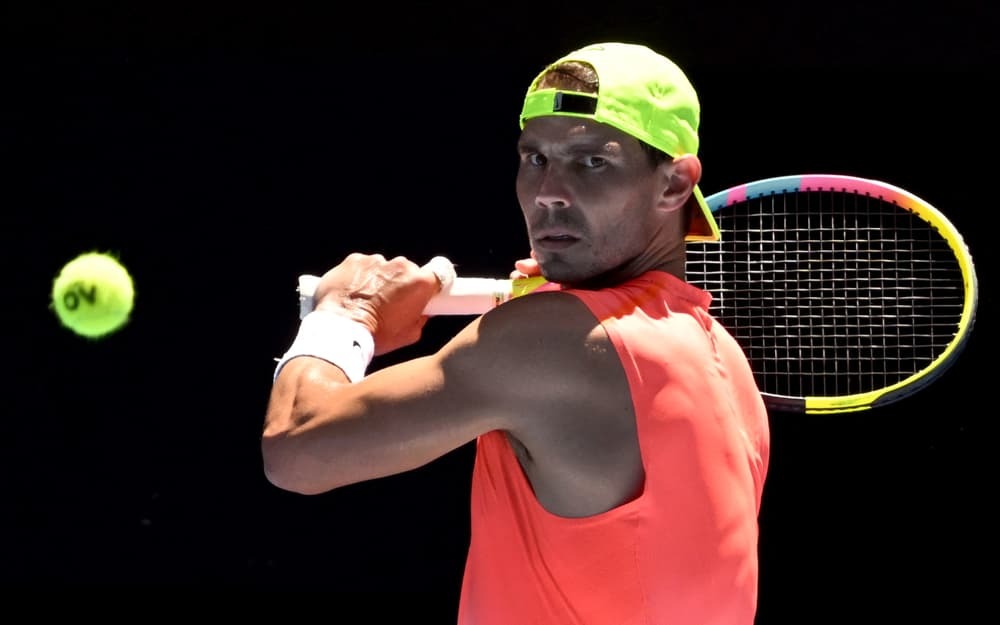
The goal is clear here: baseline rallying was already comfortable, and attacking accuracy was the problem.
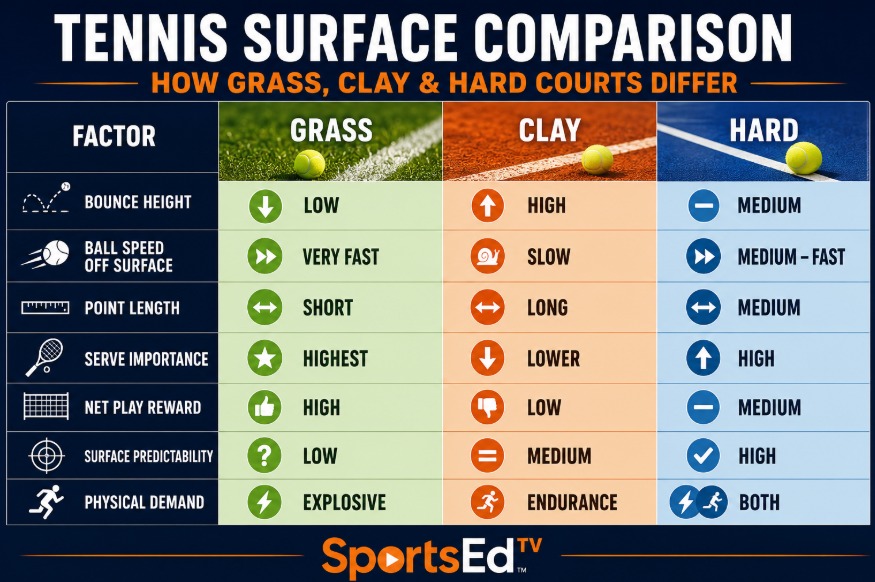
Make the test repeatable
Run the same serve, rally, return and net sequences with each finalist.
In the worksheet, Frame A is your existing racket if you're upgrading, or your first fitted demo if you're buying for the first time. Frame B is the candidate you're comparing against it.
| Shot task | What to observe | Frame A | Frame B | Retest needed? |
|---|---|---|---|---|
| Serve | Placement and effort | |||
| Rally | Depth and consistency | |||
| Return | Response at late contact | |||
| Volley | Directional handling at net | |||
| Off-center contact | Response away from the string-bed center | |||
| Late-session play | Perceived effort and maneuverability |
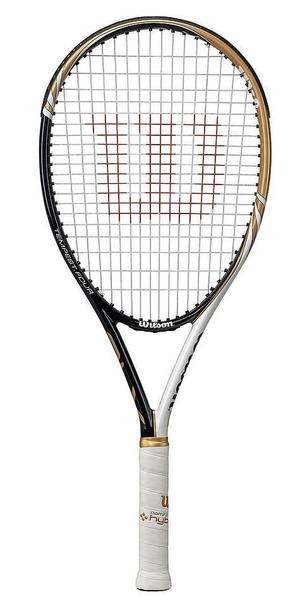
Note each racket's model generation, string setup and session conditions once. Then pick three observable success signals that fit your goal, such as serve placement, attacking direction and quick net handling, and check whether the same placement advantage shows up across repeated points.
Know when to stop testing
If two rackets meet your requirements and repeated trials show no real benefit from switching, keeping your familiar usable racket is a reasonable choice.