
Restring when a string breaks or the racket stops playing the way it used to, session after session. If you see neither sign, wear, string type and how much you play decide.
One string can snap in the middle of a rally. Another racket looks fine after months of play while its feel slowly changes. The clues differ, so work out which problem you have before you pay for a new string job.
Do You Need to Restring Now? Start With Three Checks
- Is a string broken? A snapped strand means you need a restring. Get one before you use that racket again.
- Do intact strings still play well? If control or feel has got worse over several sessions in similar conditions, restring even without a visible break. If the feel is still familiar, move on to the wear inspection below.
- Do you know the setup and its history? If you don't, ask a stringer. A fresh job with a written record is a sensible starting point.
What Wear Signs Matter, and Which Can Mislead?
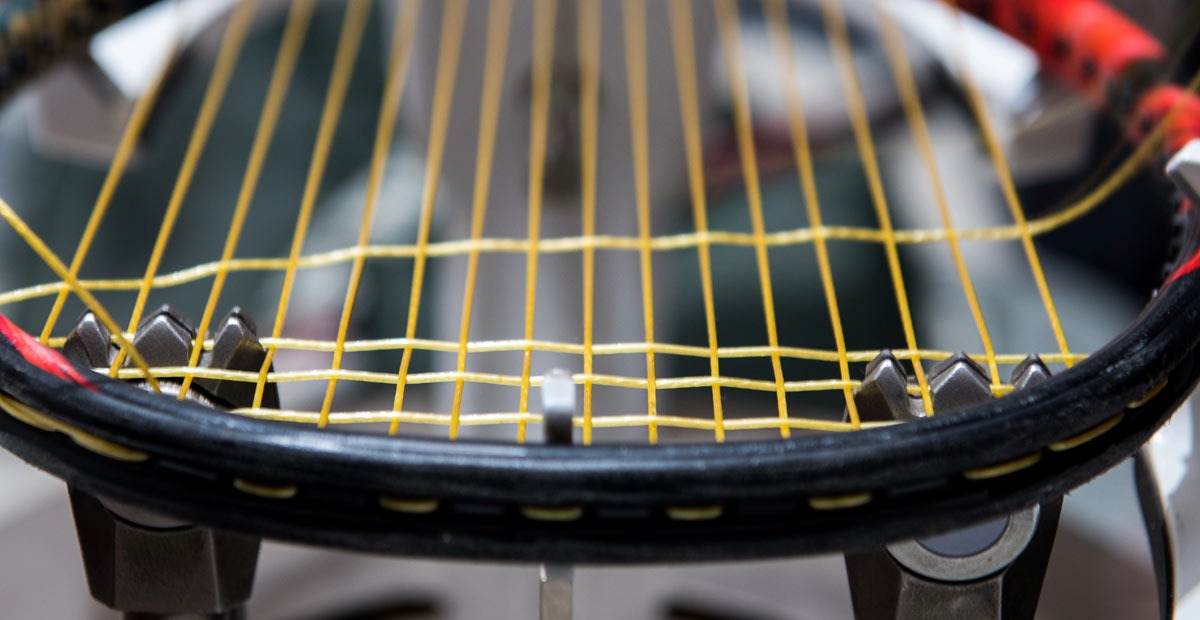
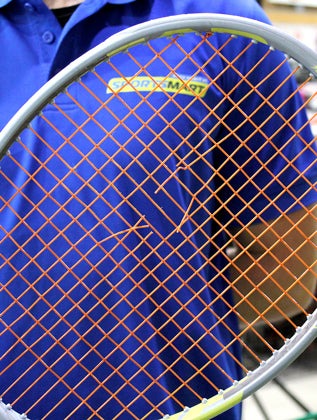
Look at the middle of the string bed, where the ball usually lands. The mains run along the racket's length and the crosses run across it. Their intersections show some of the most useful wear clues.
| What you notice | What it means | What to do |
|---|---|---|
| A snapped strand | The string has failed | Restring |
| Grooves at intersections | Notching, where strings rub against each other | Check how deep the wear is and whether the racket still plays the same |
| Separating fibers | Fraying, most visible in multifilament and natural gut | Weigh it against the string type and the overall condition |
| Mains staying out of place | String movement and friction have changed | Check whether it happens every session |
| Unfamiliar launch or control | The response may have shifted, or something else is going on | See whether it returns in similar conditions |
| No visible damage | Looks alone tell you little about how the strings behave | Go by string type and how much you have played |
If strings keep breaking near the frame, ask the stringer to check the grommet at that spot. Cracked or worn grommets can abrade the string and cause early breaks.
A notch is a groove cut into a string where it rubs against another. Fraying is the separation of fibers. A finger pull shows how a main slides and returns, but it gives no measure of remaining life.

One player found a sizable-looking notch on a setup that still felt fine:
I’ve played around 20 hours with this setup a full bed of Poly Tour Rev at 23/22 kg. I just noticed some notching on the cross strings, about 1/4 of the string’s thickness. Should I restring now, or is it still fine to keep playing? More generally, how much notching is considered normal before it’s time to restring? I play around 6 hours per week. To me, the strings still feel fine, but I only started playing tennis a little over a year ago, so for me it is really hard to judge how much the strings characteristics change over time and when they break.
No official notch depth tells you when to restring, and one-quarter of the string's thickness is the player's own estimate. Note where the notch or fraying sits and whether the change in feel keeps coming back. A single bad shot proves nothing.
Does the String Type Change When You Should Restring?
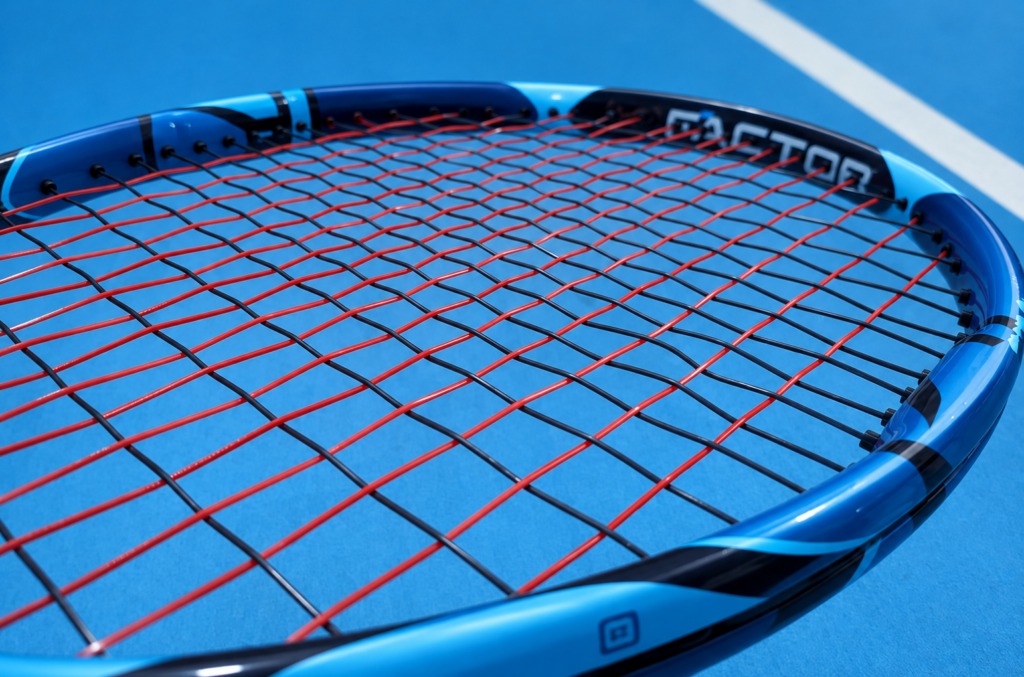
Yes. A full bed of polyester, a nylon-based multifilament and a hybrid wear and change in different ways.
| Construction | What to watch | What it means for upkeep |
|---|---|---|
| Polyester / co-polyester | Response and string movement change while the strings stay intact | Judge by how it plays, since the strings can look fine |
| Synthetic gut | Wear, breakage and changes in feel | Judge by current condition and amount of play |
| Multifilament | Visible fiber separation and changes in response | Fraying counts as evidence when other symptoms show up too |
| Natural gut | Fiber condition, wear and playing environment | Check the fibers and the conditions you play in |
| Hybrid | Mains and crosses can wear differently | Judge both parts of the string bed |
| Unknown string | Material and configuration are not identified | Identify what is installed before applying specific advice |
Two rackets can look equally intact and still play differently. A heavily used polyester string bed may have changed its response while a synthetic gut setup still feels familiar.
A previous stringing receipt or the packaging tells you the mains and crosses. Leave a field blank if you can't find it. Gauge and any change of material belong to a separate guide to tennis string types.
How Often Should You Restring? Use the Rule of Thumb Carefully

A familiar rule says to restring about as many times per year as you play per week. Tennis Warehouse's string guide gives that rule alongside material factors.
| Sessions per week | Restrings per year | Roughly every |
|---|---|---|
| 1 | About 1 | 12 months |
| 2 | About 2 | 6 months |
| 3 | About 3 | 4 months |
| 4 | About 4 | 3 months |
Treat these as planning numbers. A short weekly session and several hours of hard hitting wear strings differently, and string construction changes the result.
Babolat's string guidance, updated November 27, 2024, recommends restringing approximately every three months to maintain performance. That manufacturer schedule works from the calendar, and it matches the rule above for a player with four sessions a week.
A recreational player asked whether advice to restring often has been borrowed too casually from higher-level tennis:
How much of this 'I cut out strings after 14 minutes' nonsense is just people buying into marketing and companies trying to sell one of the wealthiest sports' demographics more stuff? Know the general guidance is "restring as often as you play per week, per year" and on here a lot of people advise changing strings even more often than that (especially for full poly). Is this really true, or is it a classic example of rec players taking advice meant for higher level players who play harder at higher tension and running with it / overthinking it because it's easier to restring than blame your technique?

Set a reminder based on your real weekly sessions, then adjust it as wear, hours played and consistency become clearer. A frequent polyester player should check the strings sooner. An occasional player whose racket still plays well can keep an eye on it.
Why Strings Can Feel 'Dead' Without Breaking
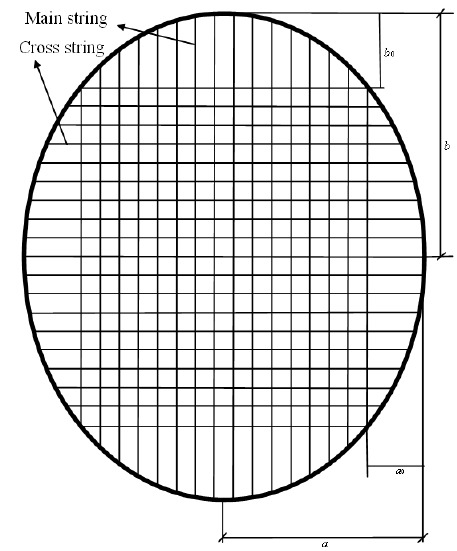
Players use the word dead for different experiences: a launch that is harder to predict, altered spin, or a string bed that feels unusually firm.
In tests described by Tennis Warehouse University, perpendicular string bed stiffness and the friction between mains and crosses were tested separately. When perpendicular stiffness drops, the strings deflect more and the ball stays on them longer, which can change the rebound trajectory.
Friction affects a different part of the response. When resistance between the mains and crosses rises, the mains slide and snap back less freely, and that changes the spin and feel you get. The two effects can develop independently, so different setups produce different sensations.

Strings also undergo stress relaxation over time. Their viscoelastic properties help explain why an installed string bed behaves differently after time and repeated impacts. The reference tension on a stringing receipt is the setting at installation; present stiffness and response are separate properties.
The International Tennis Federation's equipment note covers material, tension and stiffness. Tennis Warehouse University's related rebound measurements found fairly small speed changes in the conditions tested, even while other properties changed.
If a change in feel worries you, compare familiar strokes in similar ball and court conditions, ideally with a setup you know. Look for a difference that shows up again and again, and allow for changes in balls, temperature and your own execution. Persistent arm pain needs evaluation by a qualified clinician.
What About Old, Stored, or Unknown Strings?
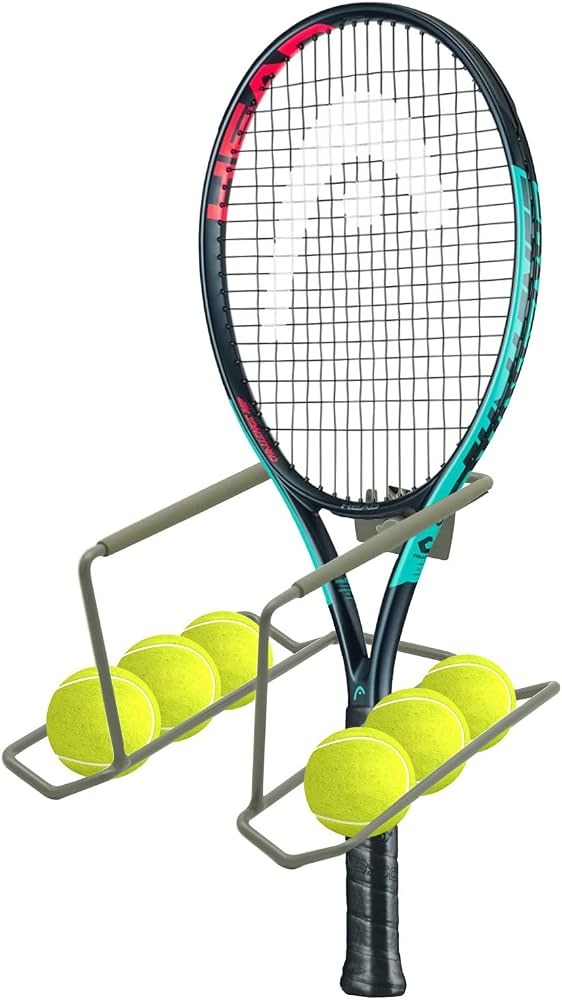
An unused racket stays strung under tension, so stress relaxation continues without a single ball strike. Repeated impacts add other changes. Technical guidance sets no universal shelf-life cutoff for a stored string bed. A backup from an earlier season, or a secondhand racket with no installation history, can benefit from a fresh restring with a written record when consistent feel matters. A damaged frame needs a technician, since new strings cannot repair a cracked frame.
Is Restringing Worth the Cost, and What Should You Tell the Stringer?
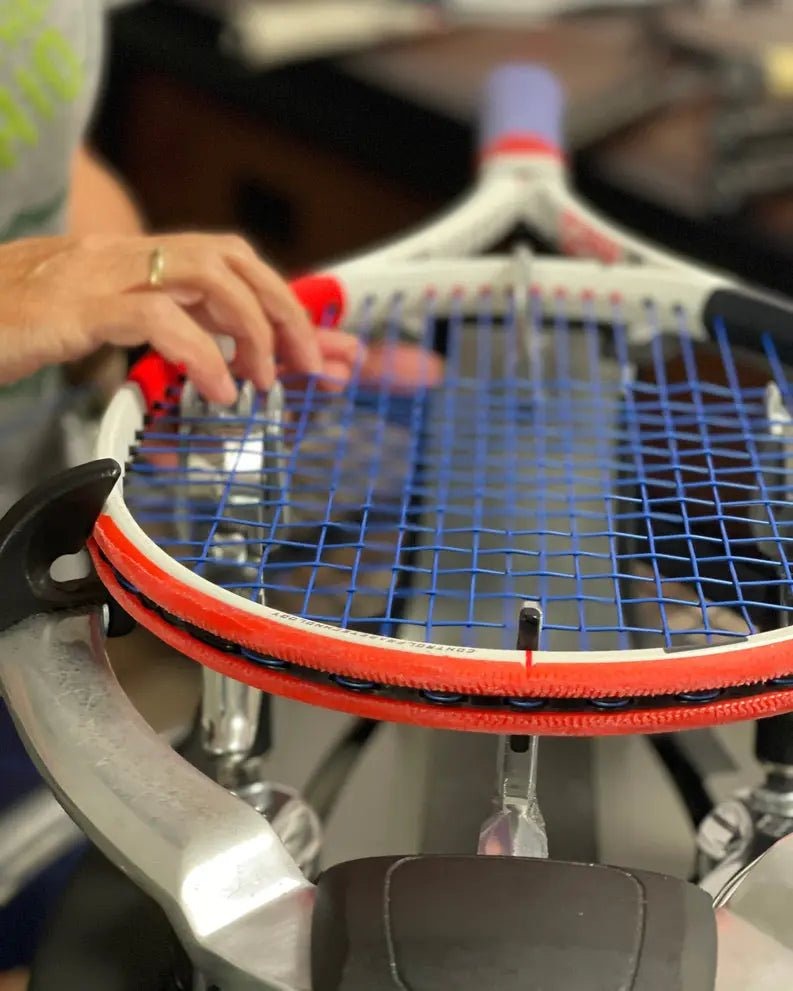
A restring costs string, labor, travel and turnaround time. If you have only one playable racket, the days without it count too.
One player found that a low labor quote still came with a lot of driving:
It’s more so a time and effort problem for me. Stringing is like $5 (strings excluded), but it’s a 15-min drive and takes around 1.5 hours if there’s no one in queue so if I have to go back and forth that’s 30-min travel time to drop off and come home, and another 30-min drive to bring home. It’s just too much time I’m already dreading the drive(s) I have to make a couple of weeks from now.
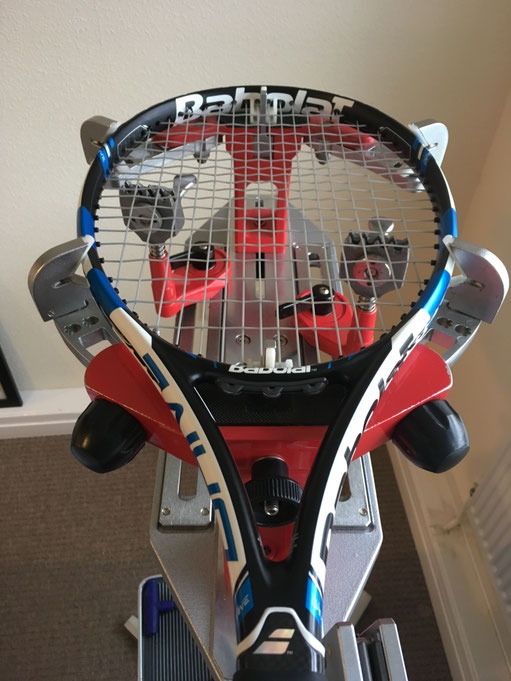
Before you book, ask for the string cost, the labor charge and the turnaround time. Your stringer can advise you better if your message includes:
- Frame: the racket's model.
- Current setup: main and cross strings, gauge and previous reference tension in pounds or kilograms, if you know them.
- Playing history: roughly how many sessions or hitting hours.
- Symptoms: the specific wear, or the change in response that keeps recurring.
- Goal: whether you liked the previous setup and want it repeated, or want to discuss an alternative.
If repeated trips or downtime are a problem, book service ahead or keep a playable spare. A new installation tension is a separate choice, covered in the tennis string tension guide.
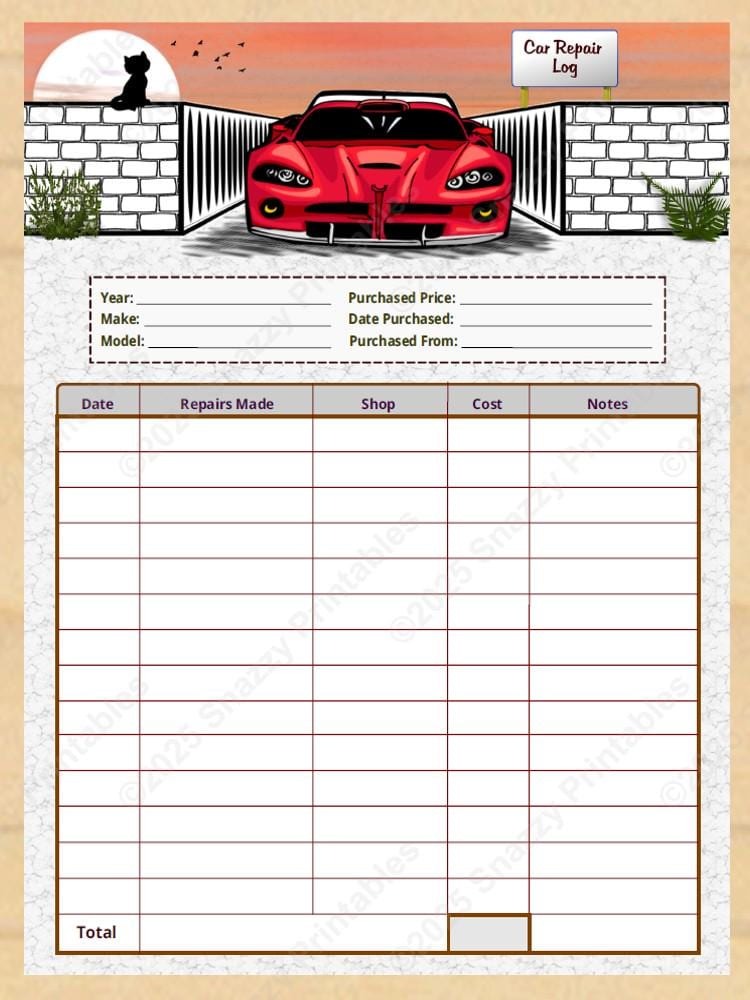
Keep a Simple Restringing Log So the Next Decision Is Easier
A record of your last string job saves guesswork months later. It gives the next decision a known setup, an approximate amount of play and a description of what changed.
| Record field | Your entry |
|---|---|
| Racket model and stringing date | ________________ |
| Mains and crosses, material or model | ________________ |
| Gauge and installation tension (lb or kg) | ________________ |
| Sessions or approximate hitting hours | ________________ |
| Wear, movement or change in feel | ________________ |
| Decision and date | ________________ |
After each restring, fill in the new setup and add short notes following similar sessions.
If you change material, frame or how often you play, start a fresh comparison.