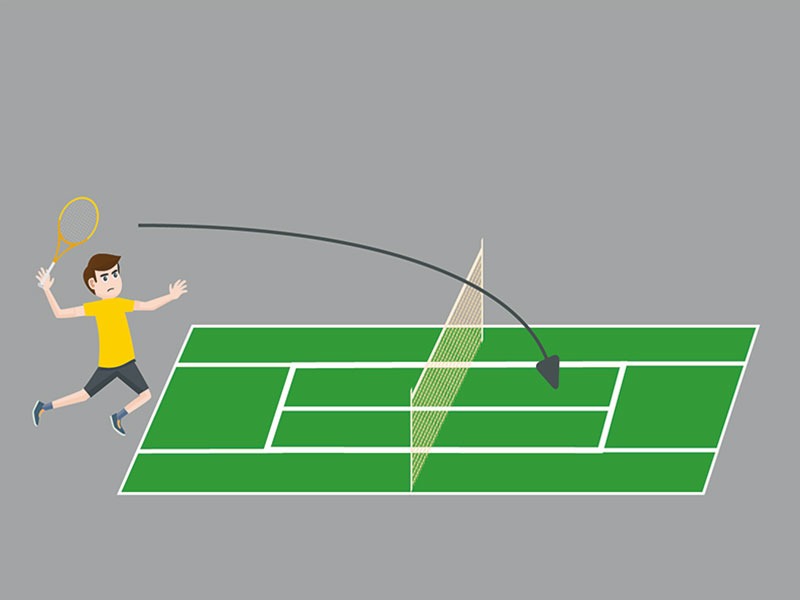
Under the 2026 Grand Slam rules, men's singles main-draw matches are best-of-five sets and women's are best-of-three. At regular ATP and WTA Tour events, both play best-of-three.
How Many Sets Do Men and Women Play at Grand Slams and on Tour?
The four Grand Slams set different limits for men's and women's singles main draws. The 2026 Official Grand Slam Rule Book specifies best-of-five for the men's main draw and best-of-three for the women's. At regular ATP and WTA Tour singles events, both generally play best-of-three.
So a player can go five sets at Wimbledon and win an ordinary ATP Tour match in two.
| Competition | Men's singles | Women's singles |
|---|---|---|
| Australian Open | Best of 5 | Best of 3 |
| Roland-Garros (French Open) | Best of 5 | Best of 3 |
| Wimbledon | Best of 5 | Best of 3 |
| US Open | Best of 5 | Best of 3 |
| Regular ATP and WTA Tour singles | Best of 3 | Best of 3 |
| ATP Finals and WTA Finals singles | Best of 3 | Best of 3 |
The first four rows cover singles main draws only. Qualifying, doubles, mixed doubles, junior and wheelchair competitions may follow other rules.
What Do Best-of-Three and Best-of-Five Mean?
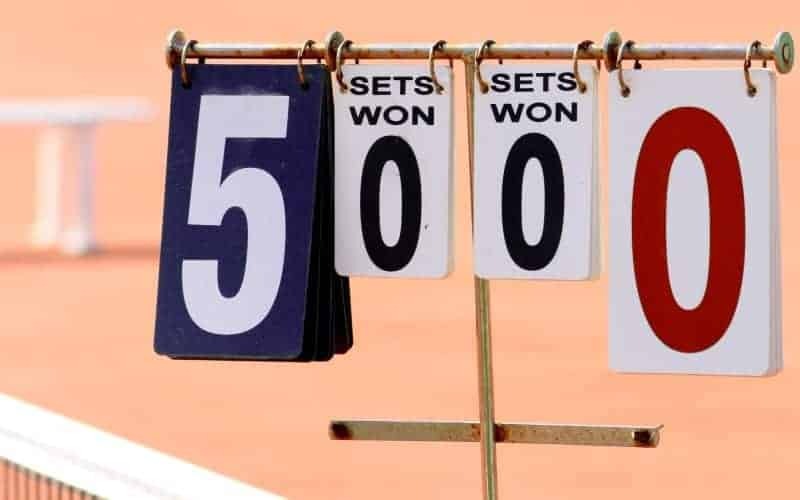
Best-of-three ends when one player wins two sets, so the final score in sets is 2-0 or 2-1. Best-of-five ends at three sets won: 3-0, 3-1 or 3-2.
Say a man wins a Grand Slam match 6-3, 6-4, 6-4. That is three straight sets, and the match is over. A 3-1 win takes four sets. Only a 3-2 match goes the full five.
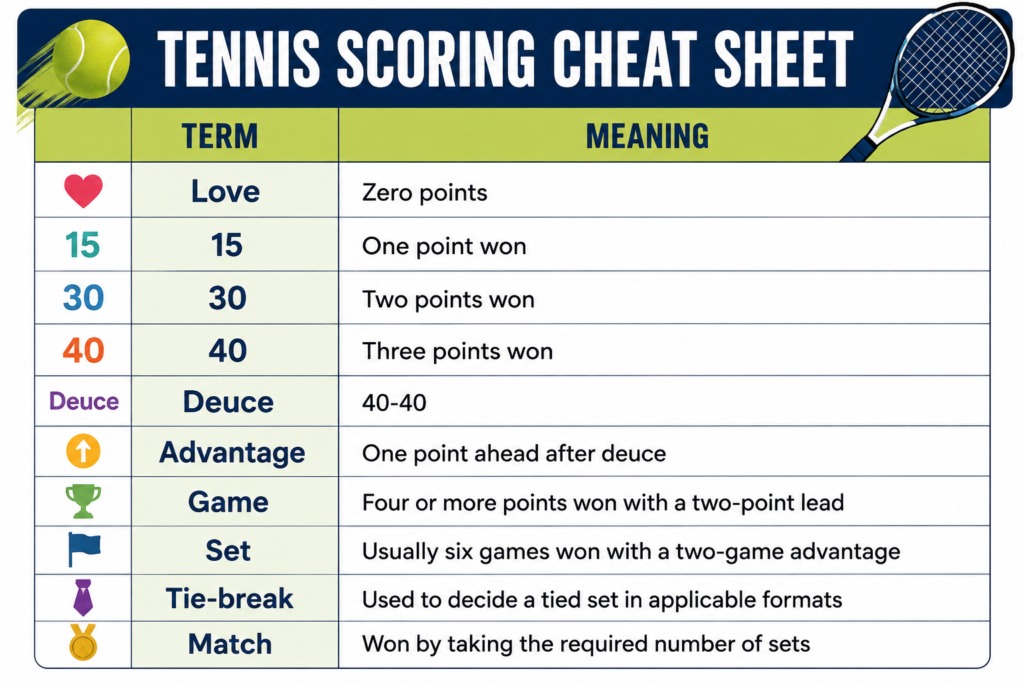
At the Grand Slams, a singles deciding set that reaches 6-6 in games goes to a 10-point tiebreak, and the winner needs a two-point margin. Some other draws use a 10-point match tiebreak in place of a full set, which is a different match structure.
Why Did the Men's and Women's Match Formats Develop Differently?
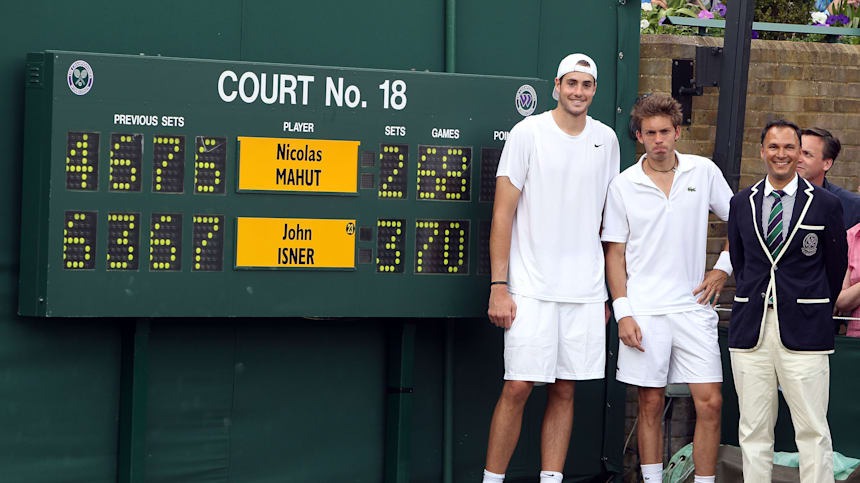
Women played five-set singles matches at the U.S. National Championships from 1891 through 1901, according to sport researchers Sophia Nimphius and Caitlin Fox-Harding. The council of the United States National Lawn Tennis Association then shortened the women's format, and other competitions made their own calls on match length. The reason for the original change is unclear.
Have Women Ever Played Best-of-Five Tennis?
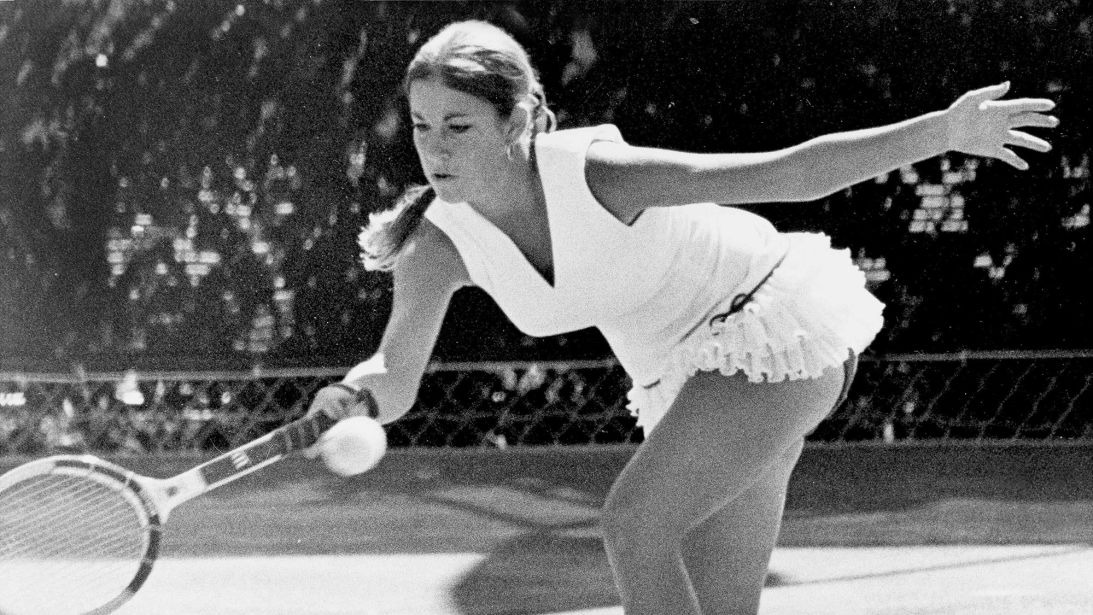
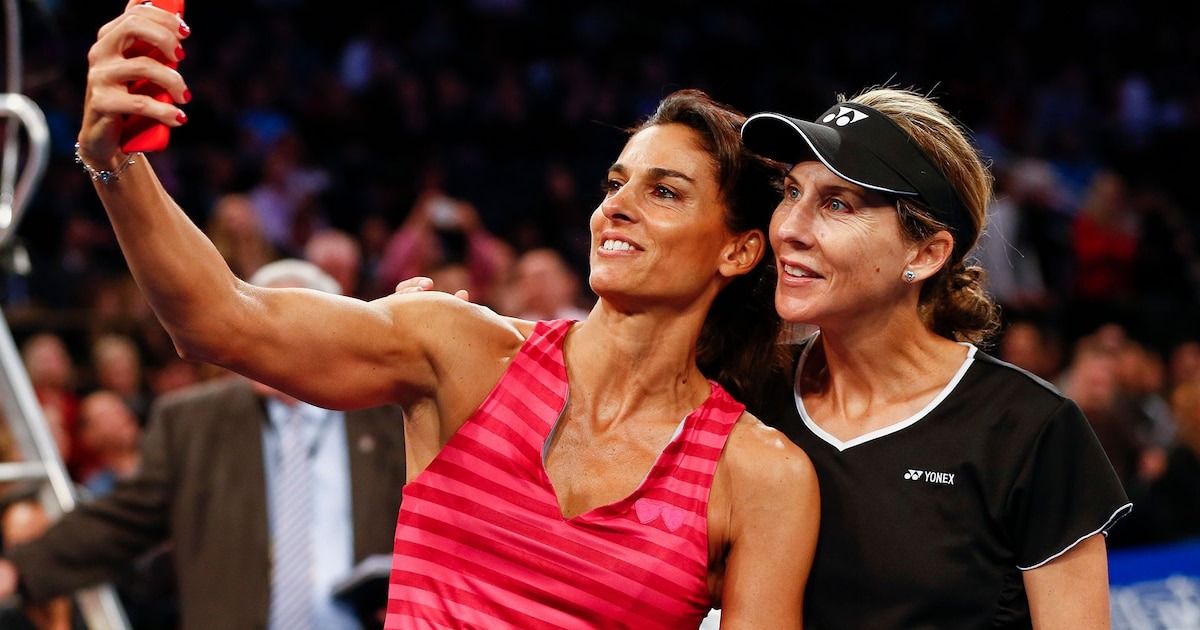
Yes. The women's singles championship match at the WTA Finals was scheduled as best-of-five from 1984 through 1998, and three of those finals went all five sets, according to the WTA's historical record.
| Year | Winner | Runner-up | Set scores |
|---|---|---|---|
| 1990 | Monica Seles | Gabriela Sabatini | 6-4, 5-7, 3-6, 6-4, 6-2 |
| 1995 | Steffi Graf | Anke Huber | 6-1, 2-6, 6-1, 4-6, 6-3 |
| 1996 | Steffi Graf | Martina Hingis | 6-3, 4-6, 6-0, 4-6, 6-0 |
In 1990, Seles won the opening set against Sabatini, lost the next two, then took the fourth and fifth. A three-set final would have ended before that comeback.
The 1990 Seles-Sabatini final lasted 3 hours and 47 minutes, according to the WTA.
Is Best-of-Five About Physical Capability or Tournament Rules?
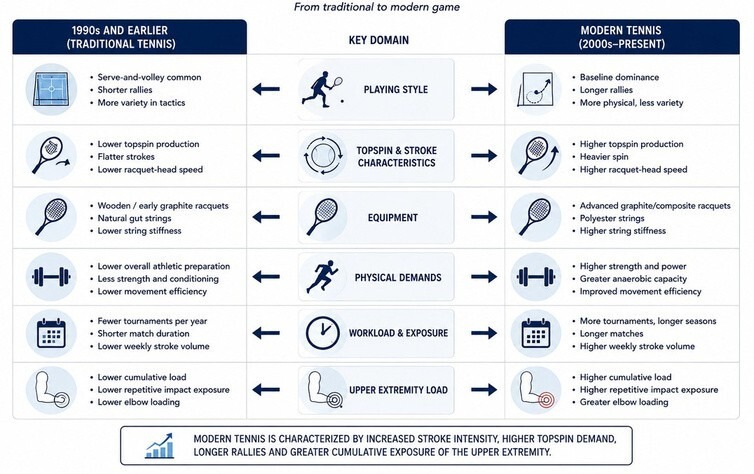
A set limit is a tournament rule, and the WTA Finals results show that women have completed five-set professional championship matches. What a longer format does to recovery between matches and to injury risk is a separate question, and those finals cannot settle it.
Could Women's Best-of-Five Matches Start in the Quarterfinals?
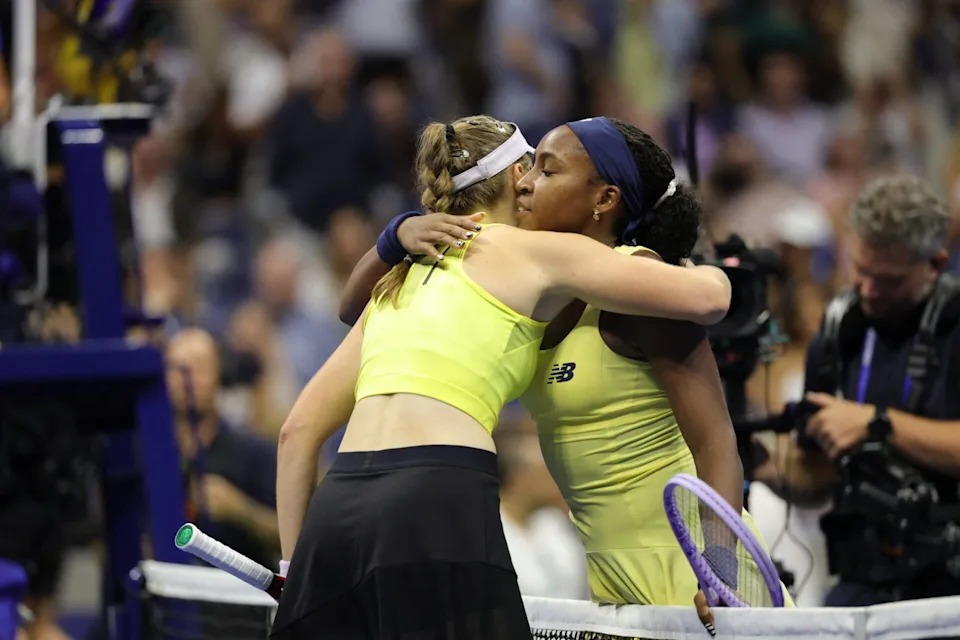
In early 2026, Craig Tiley, then Australian Open tournament director, proposed considering best-of-five women's matches from the Grand Slam quarterfinals through the final. The published 2026 Grand Slam rule still specified best-of-three for women's singles main draws.
At Indian Wells, the BNP Paribas Open's March 5, 2026 report gathered the players' reactions. Coco Gauff was reluctant about the change and favored a whole-tournament approach if five-set matches were introduced. Jessica Pegula questioned the need for longer matches and raised scheduling concerns. Elena Rybakina doubted a format change partway through a draw, and the extra possible sets.
Aryna Sabalenka supported the change and said she believed her physical strength would work in her favor.
Say a player wins four early-round matches under best-of-three rules, then reaches a quarterfinal where she needs three sets to win. Under the late-round plan, that shift happens inside a single tournament and raises the maximum playing time that players and organizers prepare for.
What Would Changing Match Formats Trade Off?
Grand Slam singles has three options: keep the current split, extend women's best-of-five, or make both draws best-of-three. Each changes tradition, maximum match length and scheduling demands in its own way.
| Option | What advocates value | Tradeoff |
|---|---|---|
| Keep men's best of 5 and women's best of 3 | Familiar formats and existing preparation routines | Two different set limits stay in place |
| Extend women's best of 5 in late rounds or across the draw | More room for comebacks | Possible extra sets, changed preparation and court scheduling |
| Make men's and women's singles best of 3 | One set limit and shorter possible matches | The extended men's Grand Slam format disappears |
A player can recover after losing the first two sets in a best-of-five match. Stephanie Kovalchik's analysis of 2010 to 2014 tennis data also found that a longer format favors the player with the higher underlying chance of winning each set, which cuts the underdog's chance of an upset under that model.
Which Sets Format Applies to the Match You're Watching?
For a 2026 major, Article I, Section L of the Grand Slam Rule Book gives the main-draw singles format. For men's tour matches, start with the ATP Tour rulebook; the WTA publishes the rules for its own events. Check the rulebook edition, the draw and the deciding-set rule, and treat a proposed reform as a rule only once the event adopts it.