
Most adult beginners do well starting with two hands. If your one-hander already holds up in matches, keep it. Switch only when the other stroke keeps solving a specific problem, like returning a fast serve or handling a high ball. Test both on the balls you face in matches before you commit, then work on your choice with a coach.
One-Handed or Two-Handed: Which Backhand Should You Choose?
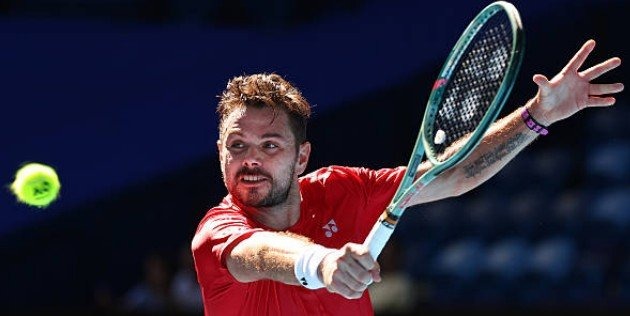
If you are starting from scratch, you have time to find a swing that feels right. If you already trust your backhand, a change means learning new timing while you still need to play.
As a beginner, you can start with two hands. The Lawn Tennis Association's backhand guide recommends the additional stability of a two-handed stroke but acknowledges that one hand suits some players more naturally.
If you already play one-handed, look at where the stroke actually fails. Maybe it looks clean in warmups, then breaks down when a return arrives fast. Or your rally ball holds up and the only pull toward switching is a style you've watched someone else hit. Those are very different reasons to change a shot.
A dependable backhand puts playable balls in the court during points, not just in cooperative practice.
How Contact Point, Rotation, and Reach Differ
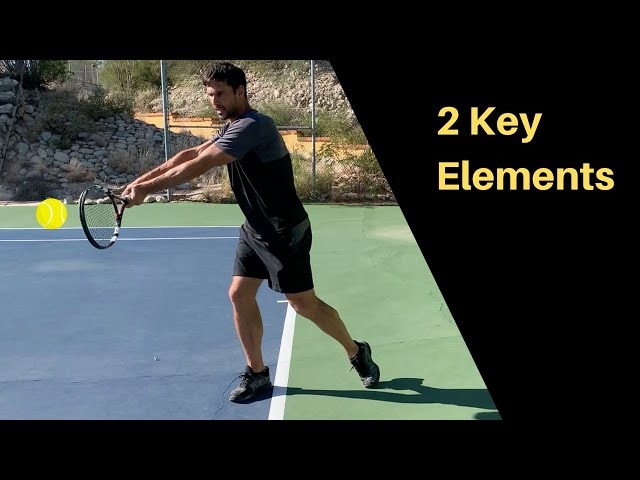
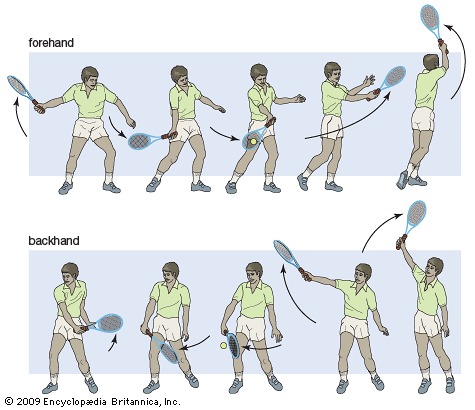
Each stroke builds racket speed differently. A 2015 review of tennis backhand biomechanics describes relatively more trunk rotation in the two-hander and more reliance on upper-limb segmental rotations in the one-hander. Change the hand count and the whole swing feels different.
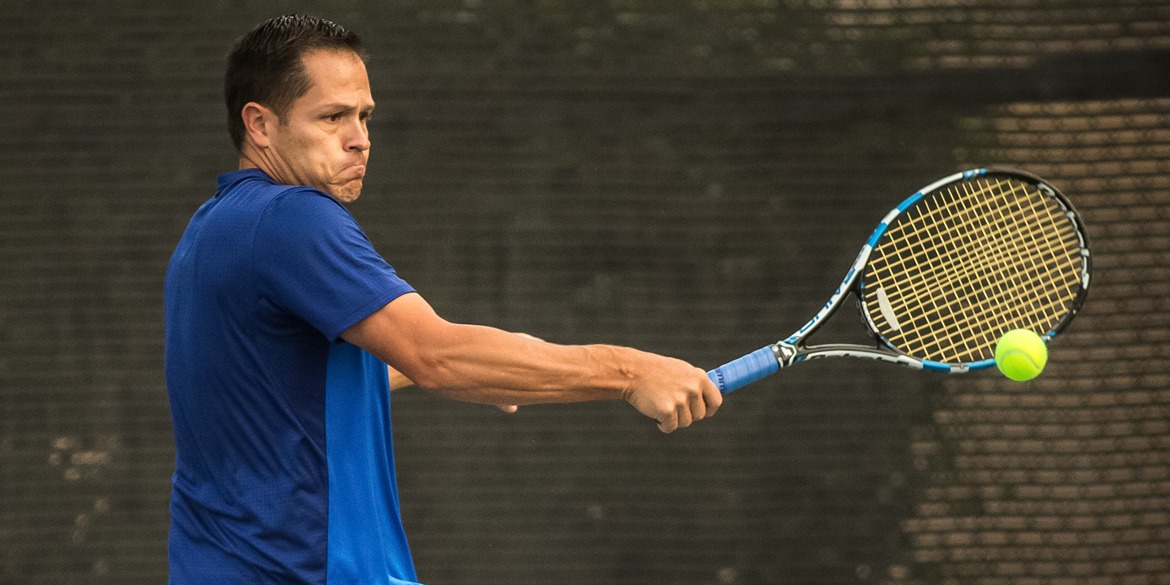
Meet a drive late with one hand and the racket ends up jammed against your body. Two hands need that space too. Either way, you have to prepare early, get to a good hitting position and meet the ball cleanly.
In a 2002 study by Reid and Elliott, six one-handed and 12 two-handed collegiate male players contacted the ball an average of 0.59 m and 0.40 m in front of the body, respectively.
The study also reported similar horizontal racket speeds near impact in the two groups.
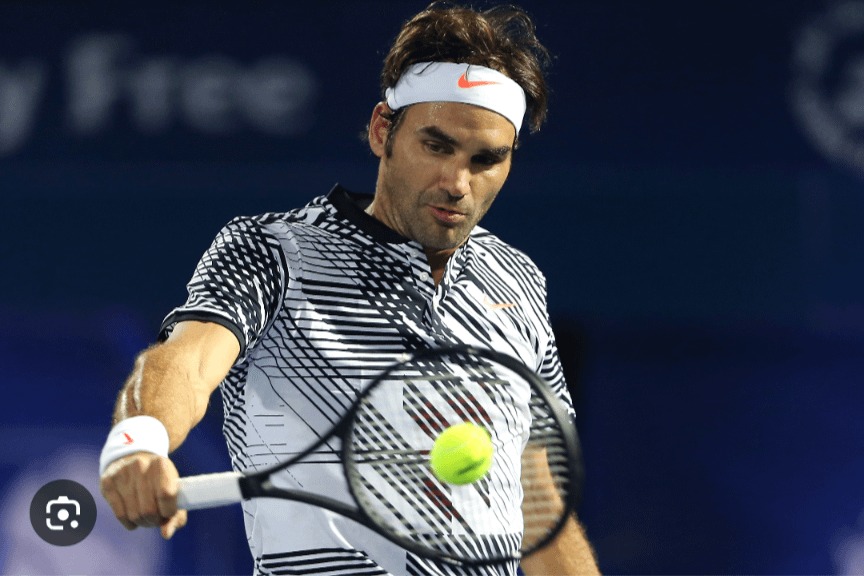
Film yourself side-on during ordinary rallies. The video shows whether you meet the ball beside your hip, whether you have room to swing and whether your preparation changes on deeper balls. If both strokes are late, fix your spacing before you pick a new grip.
Which Backhand Holds Up on Returns, High Balls, and Wide Defense?
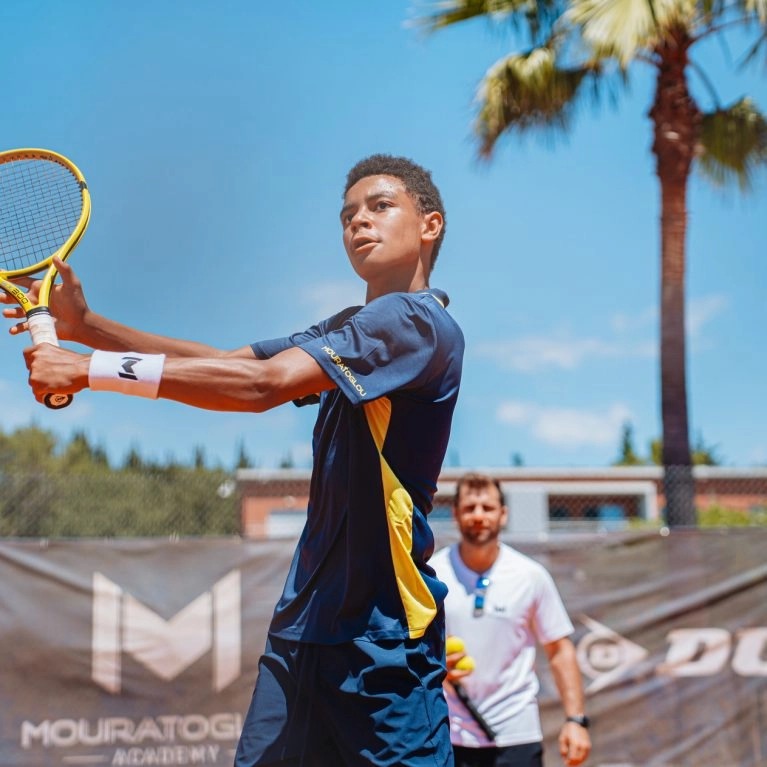
A hard serve, a high topspin ball and a wide ball each ask something different of your backhand.
| Situation | One-handed drive | Two-handed drive |
|---|---|---|
| Fast return of serve | Needs early preparation; a compact block or slice helps | Practical for blocking and redirecting incoming pace |
| High or deep topspin | Contact and timing get harder | Gives you a steadier base at higher contact points |
| Wide defensive ball | Gives you extra extension | Calls for a release, a slice or another defensive shot |
| Neutral rally | Produces depth with sound spacing and preparation | Produces repeatable depth and directional control |
| Attacking opportunity | Suits an established player's preferred swing | Drives aggressively from a favorable setup too |
The return of serve
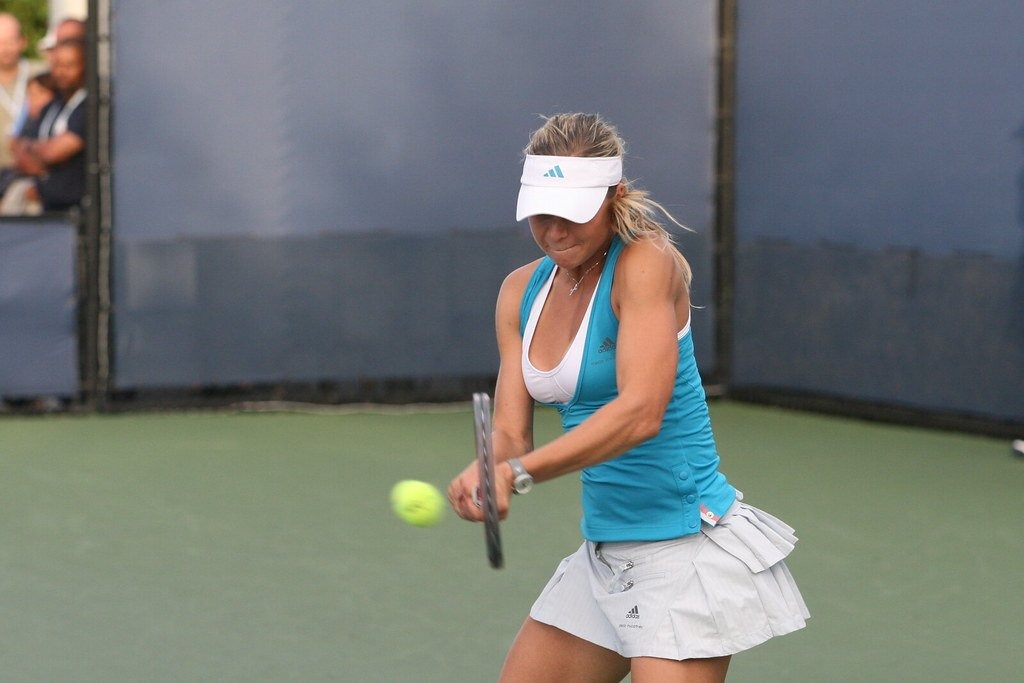
Against a big first serve you have no time for a long backswing. A deep return that starts a neutral point is the most valuable result. A two-handed block is easier to direct. With one hand, you shorten the swing or slice to handle the pace.
If you drive confidently from the baseline but freeze on the return, you have a problem on one kind of ball. A different return technique can help without replacing every rally backhand. The return of serve guide covers that shot in detail.
High balls and wide defense
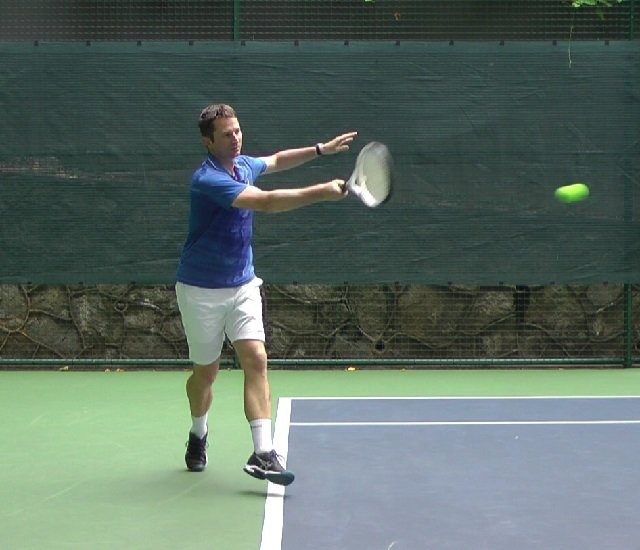
A heavy topspin ball that climbs above your strike zone puts pressure on your timing. Set up late with one hand and you float a short reply. With two hands, a steady response comes more easily, as long as your feet get you to the right place.
Wide balls pose a different problem. Extra racket extension only helps if the contact gives you a playable return and you can recover. Some one-handed players like the extra reach. Two-handed players have the defensive slice too.
One recreational switcher traded winners for a backhand that handles defense better:
I don't hit nearly as many winners as I did with my ohbh but the fact that I can grind deep balls all day, and defend quite a bit better, has made it worth it while. I am particularly better on the return of serve, where the two-hander allows me to just block the ball back to a precise area of the court and start the point from a neutral position. I no longer feel like I have to slice a ton of balls just to stay in the point.
What About Slice, Variety, and the Joy of Hitting a One-Hander?
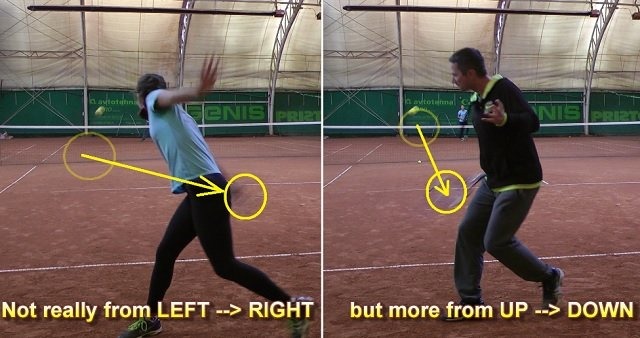
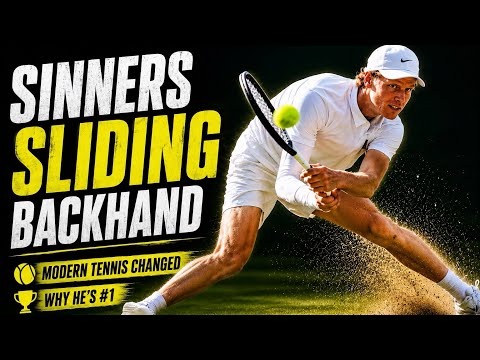
You can hit a one-handed slice and still use two hands for your main drive. The slice has its own technique and defensive uses. Enjoying the feel of a one-handed drive is a sound recreational reason to keep it, especially when the shot is dependable enough for your tennis. The backhand slice guide covers the slice separately.
Switching from One Hand to Two: When Is the Trade Worth It?
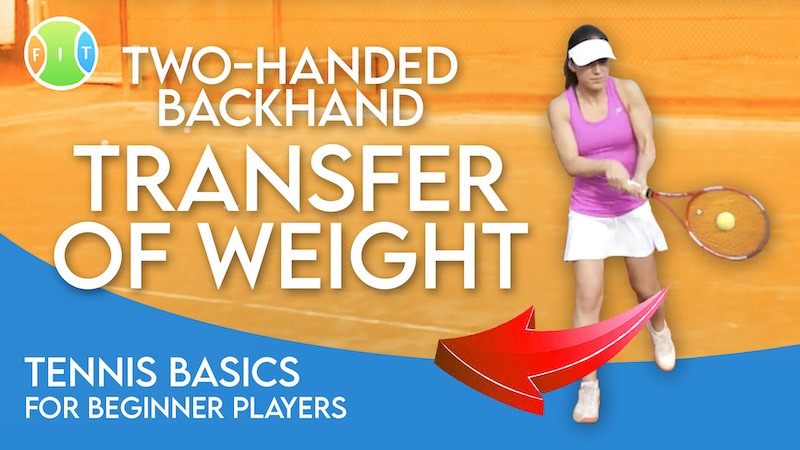
Consider a switch when the same match problem keeps coming back even after you've worked on your current stroke. Fast returns, defensive depth and hesitation under pressure are concrete reasons to try a two-hander. A general wish for a better-looking backhand is not.
This player's reliable-looking one-hander became much less trusted in tournaments, and they already returned with two hands against big servers:
Anyone successfully switched from 1 to 2-handed backhand that can share some tips? I am 4.0 player who plays 3-4 times per week, have a decent one handed backhand but when I play tournaments and get tight I slice 80% of the time because I’m scared to miss. If I play a big server I return 2-handed, since I feel more in control and can block it back. All in all I would say my OHBH is a weakness and really wondering if I should commit to switching to get better. I love to get to a point where I feel like I can attack from both sides.
Two hands already help this player on returns. The slicing under pressure is a separate problem, and a switch doesn't automatically fix it.
What relearning involves
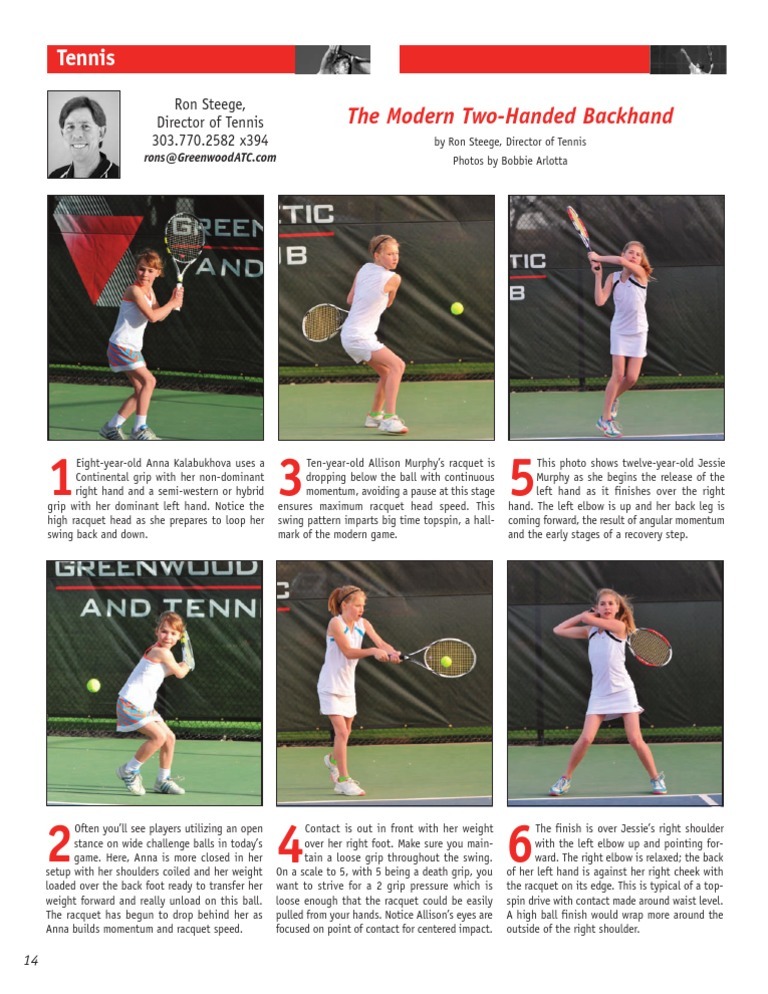
An established one-hander brings familiar preparation, contact and footwork. A new two-hander asks your body to coordinate grips, trunk rotation and the nondominant arm differently, and early practice feels awkward.
Don't expect the new backhand to become an instant attacking weapon. That only adds pressure. If your weakness is keeping deep balls in play, a reliable defensive shot is reason enough for a longer trial.
Switching from Two Hands to One: Natural Feel vs Timing Demands
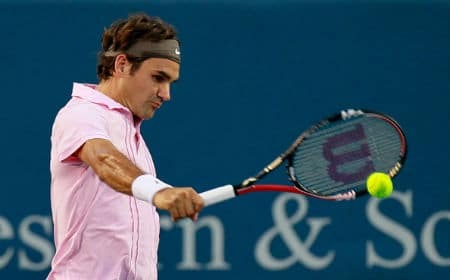
Some players coordinate better with one hand. If your nondominant wrist moves awkwardly or your two-handed swing feels cramped, a one-hander can feel freer, even before it holds up on difficult balls.
A player who began tennis in 2023 switched to one hand after struggling with their left wrist on two-handed shots:
Been playing tennis since 2023 & switched from a two-handed to a one-handed backhand about 5 months ago. I was doing some really weird wrist motions with my left hand when hitting my two hand backhand and was incredibly inconsistent with how I hit. I figured that by switching to the one-handed backhand, my swing could feel more free and fluid, and it definitely has since switching. It’s coming together! I would really appreciate any feedback! Happy playing 🤙🏼
The post tells you how the swing feels. It says nothing yet about match consistency, return control or high balls, and those decide whether the new style stays.
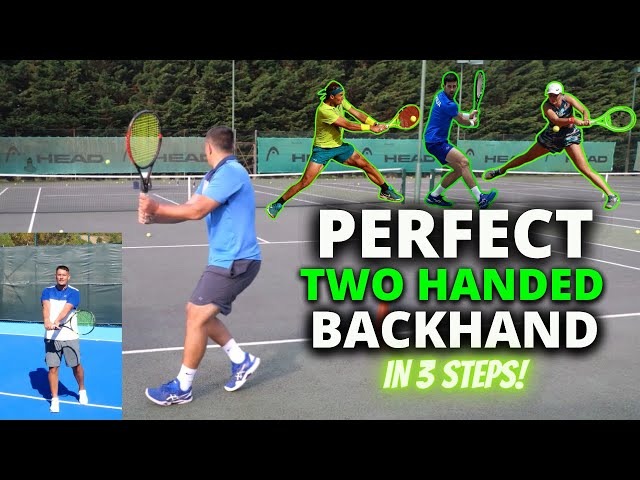
If you are right-handed and your left hand feels awkward, the cause may be grip, spacing or coordination, and a coach can spot which. That tells you whether the two-hander is simply unfamiliar or the one-hander really suits you better. The one-handed backhand technique guide covers the complete stroke progression.
A Fair On-Court Test Before You Change Your Backhand
Compare each stroke on the balls you actually face. Give the newer style enough practice to be usable at a cooperative pace first. Otherwise you are measuring years of experience against first attempts at an unfamiliar swing.
Use the three ten-feed categories below to compare your own strokes. It is a self-made test with no validated passing score.
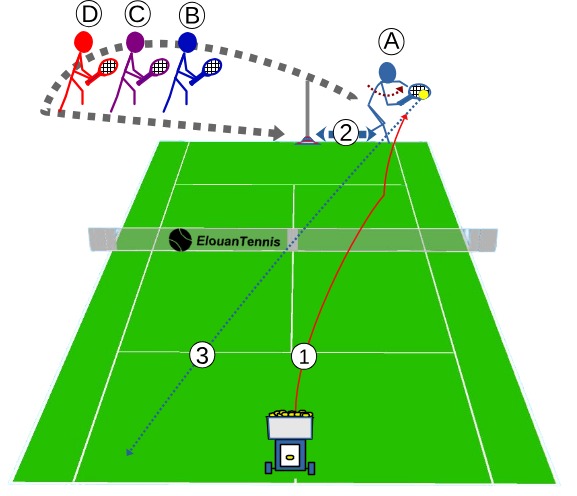
Three controlled situations
- Ten comfortable rally feeds: Start with a cooperative ball and aim for a generous crosscourt target.
- Ten higher or deeper feeds: Include changes in contact height and court position.
- Ten rushed or wider feeds: Include awkward approaches that challenge preparation and balance.
Run each category with each backhand. Record usable balls that land in, the quality of their depth and the error that appears most often. That gives you 30 feeds per style before you add returns and scored points.
| Situation | One hand | Two hands | Depth, control and error notes |
|---|---|---|---|
| Comfortable feeds | ___ / 10 in | ___ / 10 in | |
| High or deep feeds | ___ / 10 in | ___ / 10 in | |
| Rushed or wide feeds | ___ / 10 in | ___ / 10 in | |
| Actual returns of serve, at suitable pace | Observations: ___ | Observations: ___ | Blocked return, slice, depth, direction |
| Scored points, after familiarization | Observations: ___ | Observations: ___ | Hesitation, contact quality, recovery |
Ignore a high score on easy feeds if that stroke keeps breaking down on the ball you struggle with in matches. Read the return notes and the scored-point notes separately, since they cover different conditions.
Keep the conditions equal
Real serves demand different preparation than cooperative feeds, so add return notes only once you can attempt both strokes at the relevant pace. Then play scored points.
Keep racket and string setup, incoming pace, rest and coaching cues as similar as you can, and note any differences. A different racket or a tired second session can hide whether the stroke itself explains the result.
Repeat the comparison on another day and give the less familiar stroke time to develop. Look for patterns in timing, depth, defensive slicing and balance. You want the stroke that gives you playable replies on awkward balls, session after session.
When to Keep Your Backhand, When to Switch, and When to Get Coaching
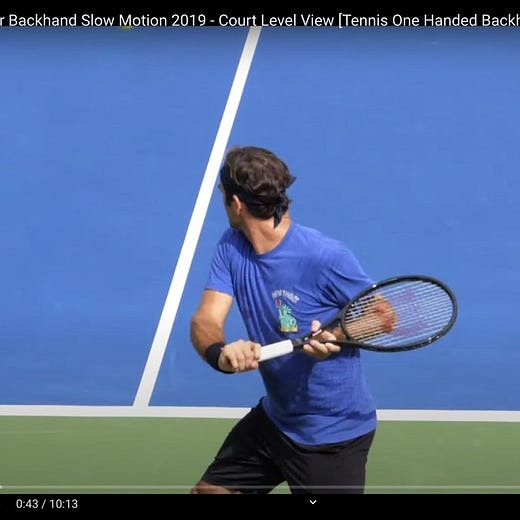
Keep and refine
Keep developing a backhand that gives you a reasonable rally ball and acceptable returns in actual points. If late contact or awkward spacing causes the occasional miss, work on your preparation or footwork. That pays off more than rebuilding the stroke.
Continue a trial
If the alternative repeatedly helps with a specific weakness and you have the practice time to learn it, keep working on it.
Get coaching before committing
If neither backhand is stable enough to compare, or a competition is coming before you have time to learn the unfamiliar pattern, see a coach to evaluate your grip, spacing and contact. If you are staying with two hands, the two-handed backhand technique guide provides the full technical progression.

A 1993 electromyographic comparison of 14 one-handed and 13 two-handed competitive players observed different muscle-activation patterns. It did not establish that switching strokes prevents or treats tennis elbow. See a doctor for persistent or acute arm pain, and don't treat a technique change as the fix.