
To hit a controlled backhand slice, start with a Continental grip and an early shoulder turn. Keep the racquet face steady and move down and forward through the ball. A higher slice works when it lands deep enough to buy you recovery time. A short floater invites an easy attack. Identify your miss, then test one correction on the same feed.
How to Hit a Backhand Slice: Grip, Setup, and Swing
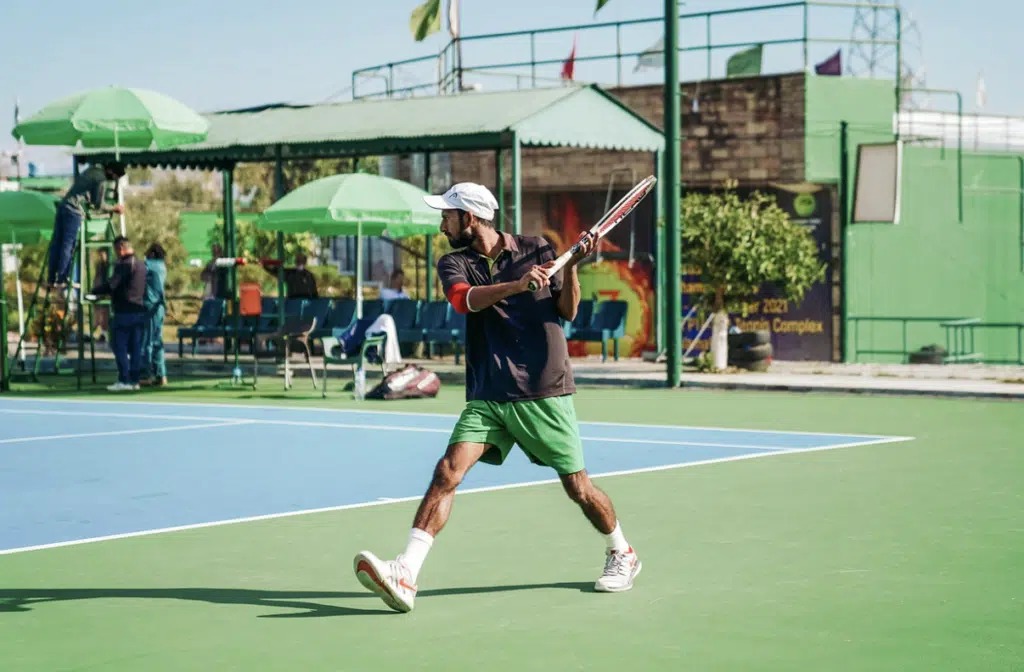
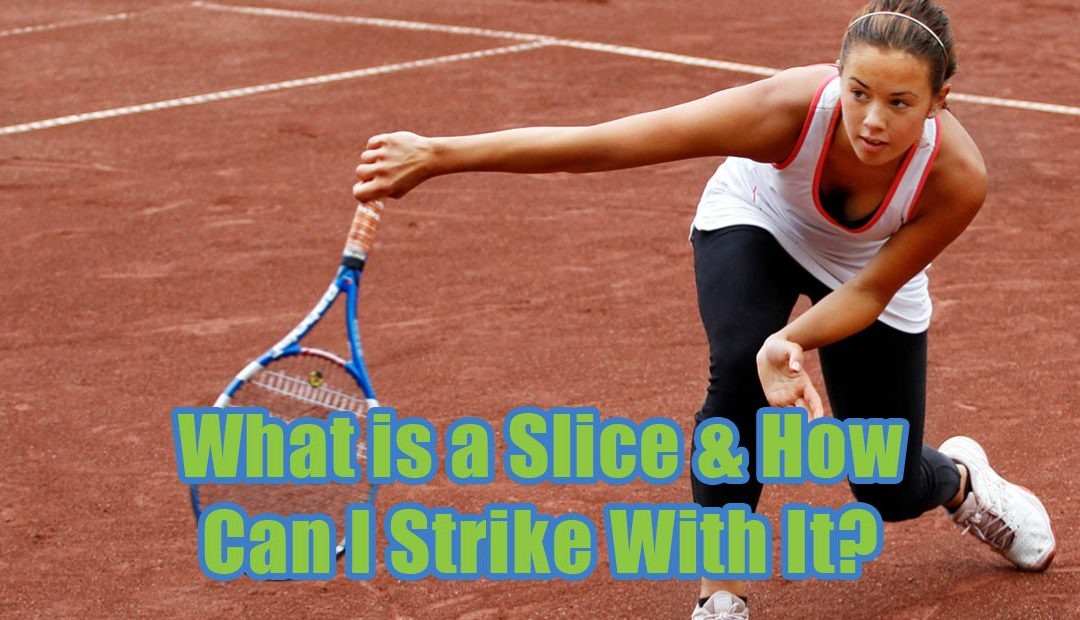
A backhand slice is a groundstroke hit with underspin, so the ball rotates backward as it travels over the net.
Learn it with a Continental grip, even if your regular topspin backhand uses two hands. That grip keeps the racquet face stable.
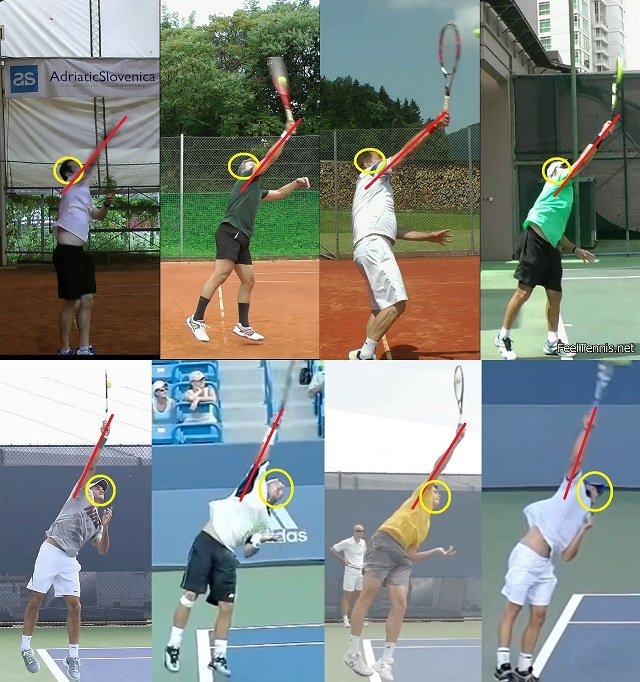
Set your grip. Hold the racquet with the stringbed vertical and the thin frame edge on top. Look at the handle from the butt end and call the upper flat side of the eight-sided bevel 1. Count clockwise as you face the butt cap. Right-handers place the base knuckle of the index finger on bevel 2; left-handers use bevel 8. Keep the hold comfortable and the face steady through contact.
Turn early. Rotate into a side-on position with your hitting shoulder facing the incoming ball. Left-handers mirror it.
Prepare above contact. Raise the racquet head while you track the ball. Leave space to swing without crowding your body.
Meet the ball. Hit it in front of and beside your body, with the face near vertical or slightly open, depending on the incoming ball and the flight you want.
Travel down and forward. Let the racquet descend through the hitting zone while it keeps moving toward the target. The forward travel gives the ball depth.
Finish balanced. Let your non-hitting arm separate as the racquet extends forward, then recover for the next shot.
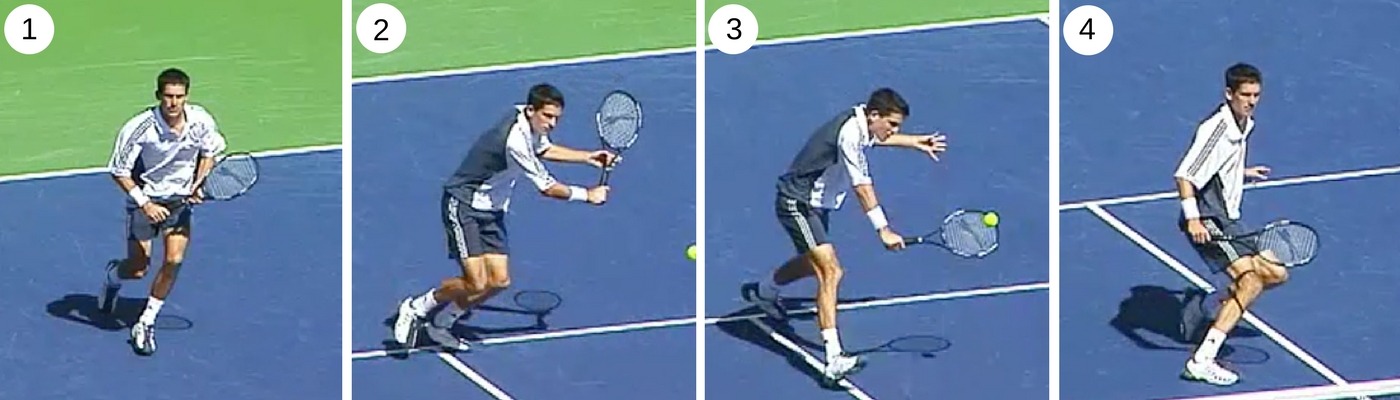
The contact zone matters more than copying a professional player's pose. A high takeback with crowded spacing leaves no room for a clean forward swing. Opening your shoulders too soon pulls your body away from the line of contact.
In Tennis Australia's 2013 Technical and Tactical Fundamentals, the Yellow-stage slice sequence shows preparation, backswing, forward movement, contact and follow-through. The non-hitting arm separates as the player moves through the stroke.
Before adding a moving ball, rehearse the six checkpoints slowly. Watch the space beside your body and the racquet's direction through the imagined contact zone.
Racquet Face, Wrist, and Slice Swing-Path Cues
Tennis Australia illustrates a high-to-low component of the backhand slice. The USTA's backhand slice lesson uses a “high-to-level” cue to stop a steep chop that sends the ball into the net. Both let the racquet travel forward through contact, which gives the shot depth.
The familiar “L” between hand and racquet helps keep the face steady. The wrist does not have to stay fixed through the finish, and an excessively open face lofts the ball.
On a short side-on phone video, look for a sudden change of face orientation around contact or a forward swing that stops early.
Why Your Backhand Slice Floats, Sits Up, Nets, or Goes Long
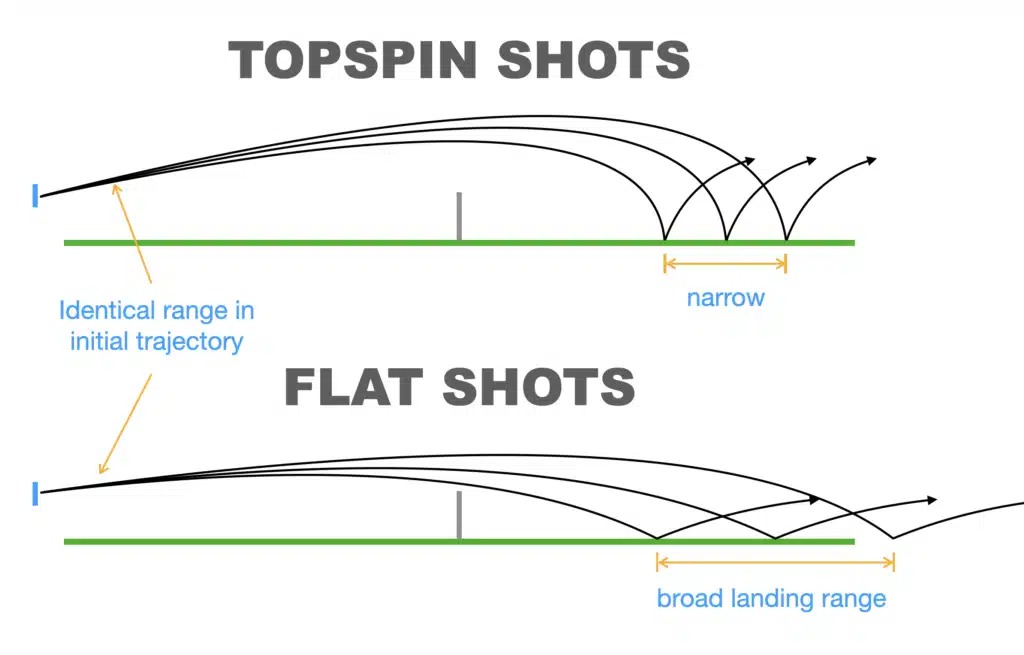
Judge the ball flight against your intention. A short floater invites an attack. A high ball that lands deep gives you time to recover.
One recreational player described hitting a good slice, then watching the next one float:
I struggle with a consistent backhand slice. I get it sometimes and I can feel it when I do, but man the ones that float are just the worst. I've watched so many videos and tried different approaches. Was there a certain tip that just made it click for you? Please share...
Between those two balls, something changed: contact position, spacing, face orientation or forward travel. The flight tells you where to look.
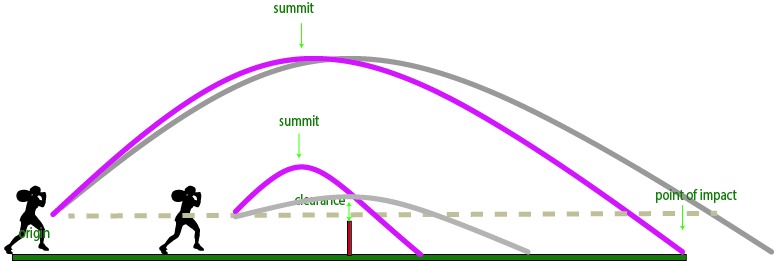
Diagnose the miss before changing the swing
| What the ball does | Likely cause | First adjustment | What to watch |
|---|---|---|---|
| Floats high and lands short | Face opens too far, forward travel stalls, contact is crowded, or shoulders open early | Check one cue: face stability, side-on orientation, or forward travel | Net clearance and landing depth |
| Rises high and lands deep | A deliberate defensive reset | Compare the result with your intended shot | Depth and recovery time |
| Hits the net | Late or crowded contact, a steep chop, or too little net clearance | Use a manageable feed and test spacing or a smoother path | Net contacts versus balls clearing |
| Sails long | Face direction, contact timing or incoming pace | Simplify preparation and keep contact controlled | Deep in-court balls versus long misses |
| Dies short | Deceleration, limited extension or poor balance | Continue through the intended target zone | Short balls versus deep balls |
| Strikes off-center | Crowded spacing, rushed preparation or poor tracking | Give yourself more room with a predictable feed | Clean contacts versus mishits |
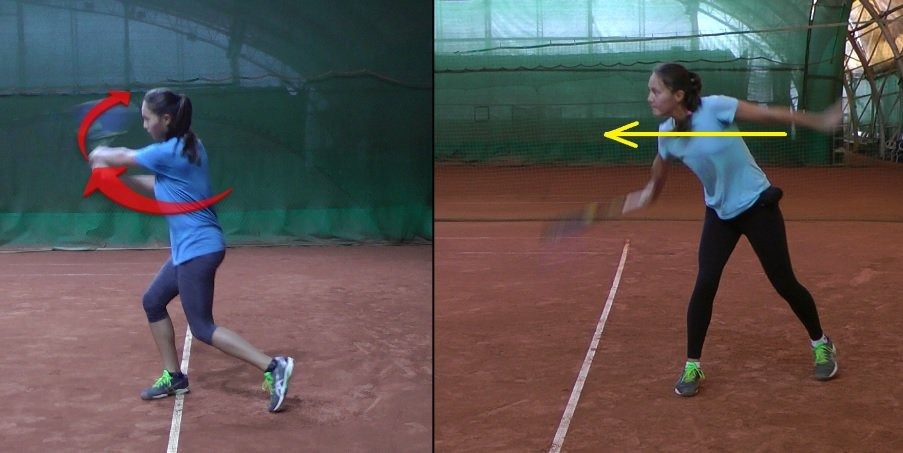
Say a slice clears the net comfortably but drops near the service line. If you were balanced and trying to keep your opponent behind the baseline, check the racquet face and forward movement first. If you were stretched wide and just staying in the rally, ask whether the ball went deep enough to prevent an immediate attack.
Pick one explanation and test it. Changing the grip, swing path, footwork and contact timing in one attempt makes the next ball hard to read.
How Contact Height, Incoming Pace, and Footwork Change the Shot
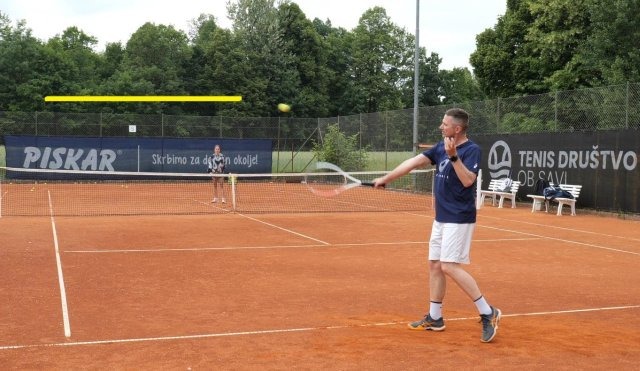
A waist-high ball from a gentle feed gives you room to establish the basic slice motion. Low, high, fast and stretched balls change the geometry of contact and cut the time you have to prepare.
| Incoming ball | What to adapt | What to avoid |
|---|---|---|
| Comfortable waist-height ball | Establish spacing, stable contact and forward extension | Adding unnecessary swing complexity |
| Low or skidding ball | Bend your legs and preserve room beside the hips | Trying to create all the underspin with a sharper chop |
| High ball | Adjust contact and decide whether the slice is the right choice | Forcing the same contact position used at waist height |
| Deep, fast or stretched ball | Shorten preparation and favor balance, clearance and a defensive response | Attempting a long attacking swing while rushed |
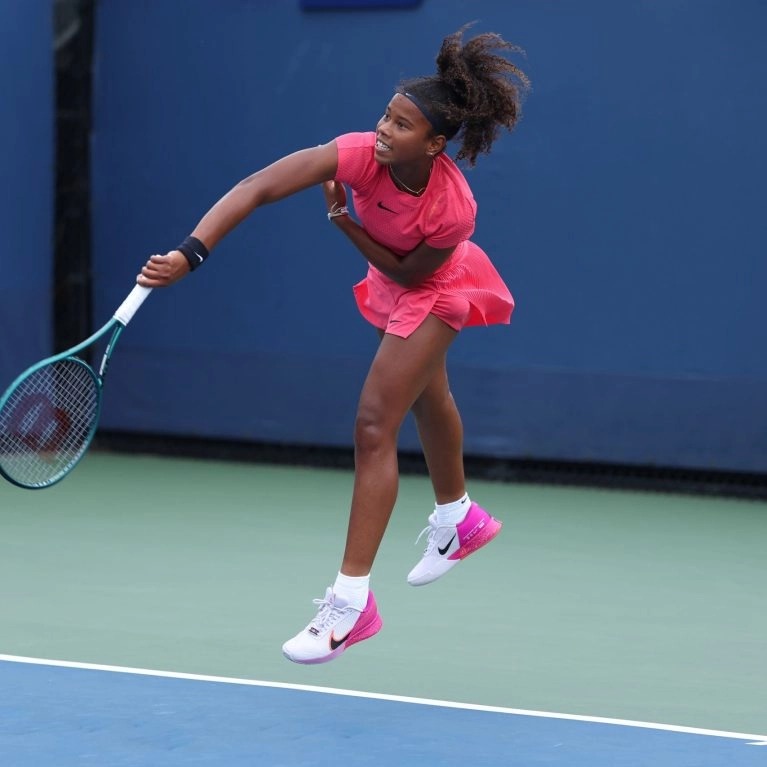
Contact happens in a zone in front of and beside your body. The zone moves with ball height, spacing and balance. A fixed distance from your front foot will not suit every slice or match a topspin drive.
Practice with three predictable feeds: low, waist-high and high. Notice which one makes you change your foot placement to keep contact clean.
Can I learn a one-handed slice if I hit my regular backhand with two hands?Yes. The slice is a separate one-handed groundstroke you can add to your two-handed topspin backhand. Keep the drive for the situations where it works and use the slice as another response. You can study two-handed backhand fundamentals independently, without rebuilding your main stroke.
Backhand Slice Drills That Show Whether You're Improving
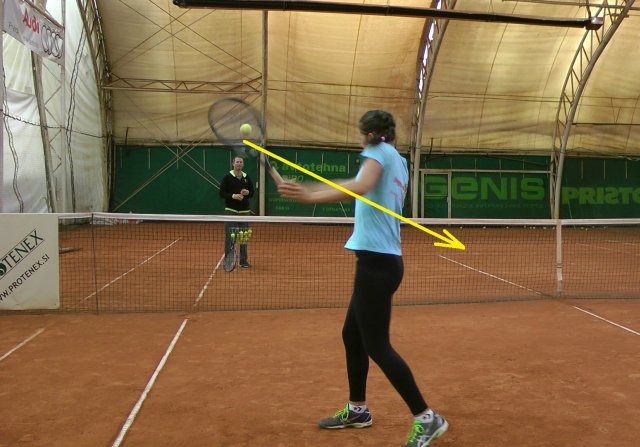
Begin with a manageable feed
Use a gentle self-feed or an easy partner feed in a comfortable contact zone. A short practice near the net lets you focus on the racquet's movement and the ball leaving the strings, without handling a demanding incoming shot.
The USTA teaches slice practice through net-side activities, self-feeds and partner exchanges. Work through these steps:
Establish contact. Use manageable balls and a target area that gives you room to watch the flight.
Introduce depth. Move toward normal baseline hitting and watch where the ball lands.
Use a consistent partner feed. Keep the feed conditions steady.
Add variation. Once the stroke holds up, bring in different heights, depths and speeds.
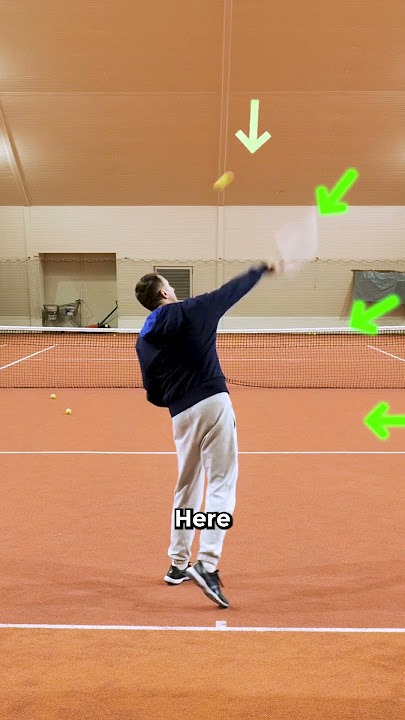
Keep a short, useful record
For this baseline practice drill, a ball landing in court beyond the far service line and on or before the baseline counts as target depth. An in-court ball landing at or inside the far service line counts as short. A ball that fails to cross the net is netted; if it touches the net and crosses into the correct court, record its landing zone. Balls out of bounds go in the separate out column.
Hit 10 or 20 balls per round. There is no pass mark. You are comparing rounds.
| Round | Feed and target | Cue | Reps | Fails to cross net | Out (long/wide) | In, short | In, target depth |
|---|---|---|---|---|---|---|---|
| Baseline | ______ | Normal swing | 10 or 20 | ___ | ___ | ___ | ___ |
| One change | Same conditions | ______ | 10 or 20 | ___ | ___ | ___ | ___ |
| Repeat | Same conditions | Same cue | 10 or 20 | ___ | ___ | ___ | ___ |
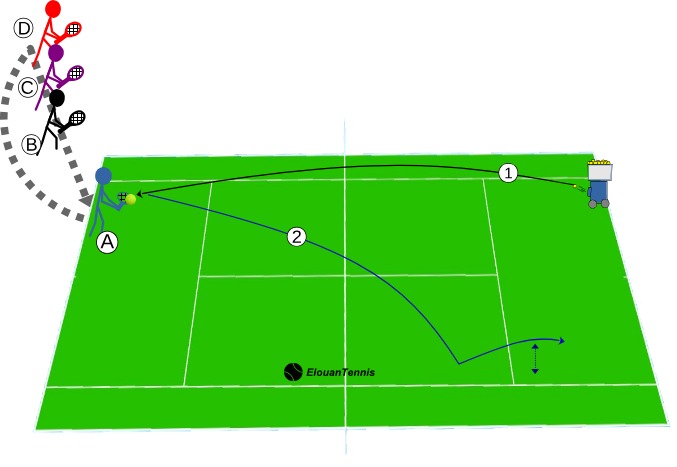
Suppose your main problem is a high, short sitter. Begin with your normal swing, then repeat on the same feed while you concentrate on forward extension. You want more balls reaching the defined backcourt zone without more netted or out balls.
If the results confuse you, a coach can check your timing, contact and movement on video.
A simple beginner tennis drill progression gives you another practice setting once the slice motion is manageable.
When to Slice, When to Drive, and When a High Float Is Fine
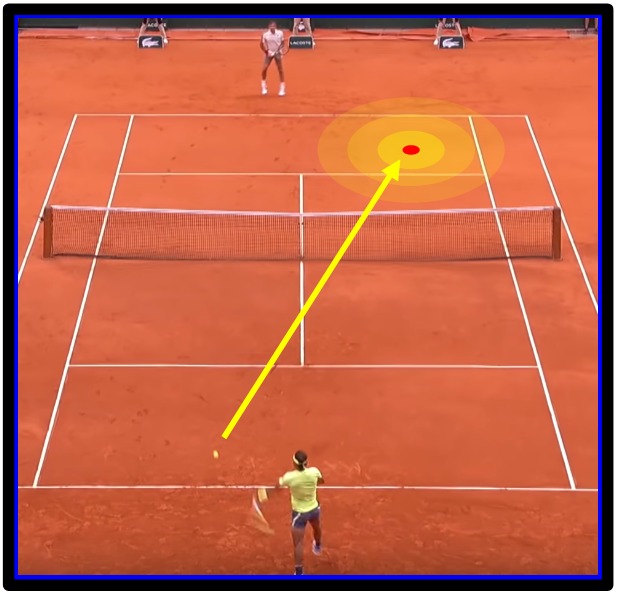
Your balance, incoming ball and tactical goal decide the response.
A penetrating slice seeks depth and a lower trajectory. A defensive slice travels higher and slower when you're stretched or absorbing pace. An unintended high ball landing short invites attack.
One Reddit commenter described using both forms of slice:
For me, the slice has always been the shot most sensitive to changes in racquets, strings, tension, weight, balance, etc. Any time i change one or more of those, I spend a lot of time dialing in the feel of a drive slice vs floating them higher and deep to buy myself time when defensive. Someone here said it’s like a volley. I don’t think that way. Though I hit both with a continental grip, the slice is with a very loose grip. The exception to that is counterpunching a ball with a lot of pace, in which my backswing is short and my grip is tight. In that situation, yes, it is more similar to a volley other than the footwork.
Choose the shot for the situation
| Shot choice | Situation to consider | Intended result | Problem to recognize |
|---|---|---|---|
| Penetrating slice | Balanced position, manageable incoming ball, possible approach | Controlled depth and a lower trajectory that can trouble the opponent | Ball sits up short or sacrifices too much margin |
| Deep defensive slice | Stretched, rushed or absorbing substantial pace | Return the ball deep and gain recovery time | Defensive ball lands shallow and becomes attackable |
| Topspin drive | Comfortable, attackable ball with time and balance | Apply a familiar offensive stroke | Forced drive becomes unreliable under pressure |
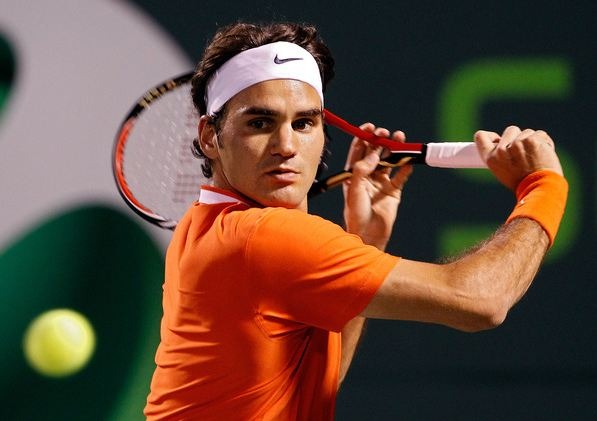
A slice can change rally pace or produce a lower bounce, but the resulting skid depends on the incoming ball, court surface, pace and opponent's response. A sliced approach also needs margin and good placement.
A backhand slice and a volley share a Continental grip and a controlled racquet face. Their movement patterns serve different situations: the slice groundstroke swings forward through a bouncing ball, while the volley is a separate technique used before the bounce.
Before a practice point, give the intended shot one clear purpose: pressure, reset, or drive. After the exchange, judge it by depth and the opportunity it gave your opponent.