
To improve your tennis ball toss, find the error that repeats: spin at release, sideways drift, a misplaced contact point, awkward height or a breakdown when your racket moves. Change one thing and leave the rest of your serve alone. A good toss reaches a contact window you can hit from and holds up through the full motion. If a toss goes wrong, you can abandon it before you swing, and ITF Rule 19 treats that as no fault. Once it holds together, try it with points at stake.
Why is your tennis ball toss inconsistent? Diagnose the miss
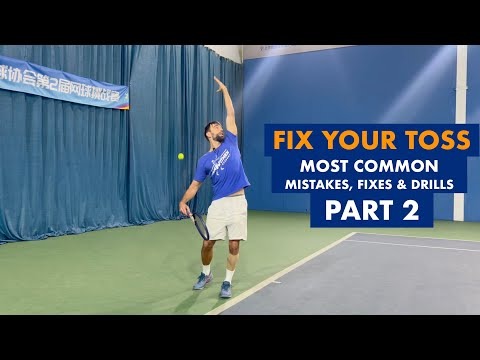
The first clue is what the ball does after it leaves your hand. A ball that spins off your fingers needs a different fix than one that flies clean but lands behind you. A toss that works alone can also change once the racket joins the movement.
Watch the same symptom for several attempts before changing your technique.
| What the toss does | What to notice | First check |
|---|---|---|
| Spins or catches on release | Finger or thumb contact as the ball leaves | Compare ball holds and release cues |
| Moves left or right | Sideways path relative to the stance | Review a facing camera angle |
| Falls forward or behind | Where the ball ends up compared with your hitting zone | Assess the contact window |
| Rises too high or too low | Wait or rush before a comfortable strike | Consider preparation rhythm |
| Changes when the racket moves | Toss alone versus toss with the swing | Examine tossing-arm timing |
| Changes mostly in matches | Practice serves versus serves that count | Test scored-play transfer |
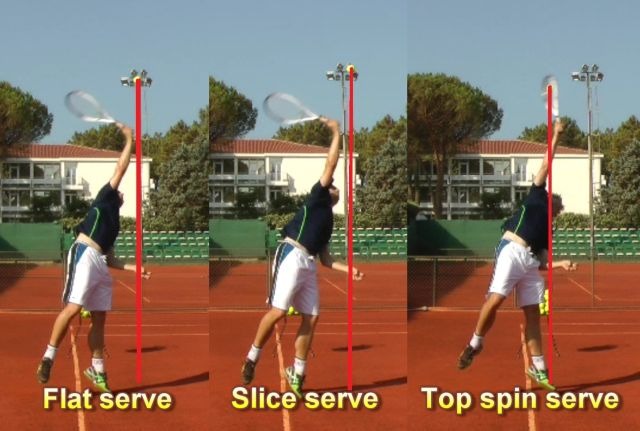
A consistent toss can still be badly placed. Several tosses can all land behind your shoulder, in nearly the same spot. A ball that takes a different path every time is a consistency problem.
Establish a starting sample
Make 10 to 20 tosses from your regular serving stance without swinging. Mark each one as reachable, too far forward, behind, sideways, high, low or spinning. Count the most frequent miss, even if an occasional toss has two problems.
Wind moves the ball, so rule it out before blaming your release. Compare sets only in similar court conditions.
How to see whether your toss is in the right place
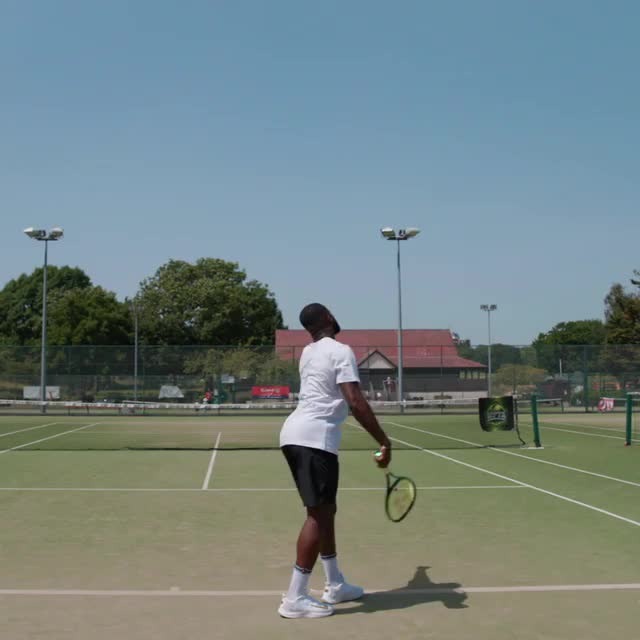
If your toss looks centered from below but contact keeps moving, record yourself from the front and from the side. Include your stance, tossing arm and the ball above your head to see where the miss begins.
The front view shows sideways movement. The side view shows forward and backward drift, height and coordination. Set up a phone or camera safely outside the playing area, with room in the frame for the ball near its apex and the racket's contact area.
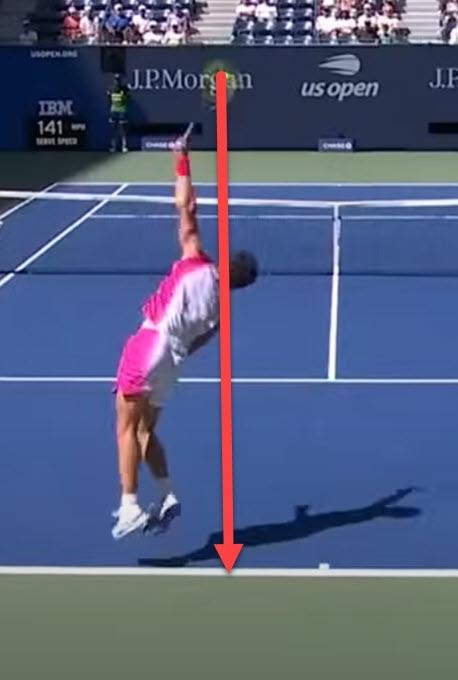
Review a few consecutive attempts from each angle. Find the first point where the flight stops heading for your contact zone. A toss that looks centered from the front can sit too far behind you from the side.
For a toss-only exercise, put a towel on the ground as a landing reference and remove it before any racket swing. The towel shows where the ball lands, but you hit it while it is still in the air.
Fingertips or finger-base cradle? Choose a quieter ball release
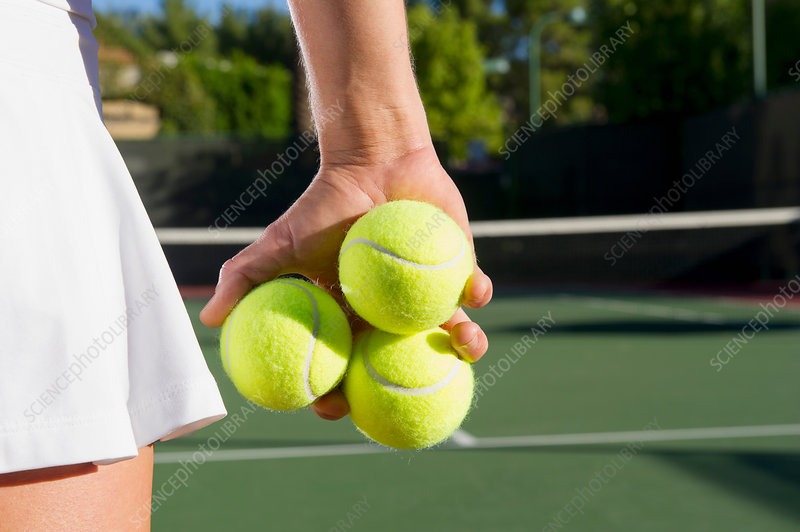
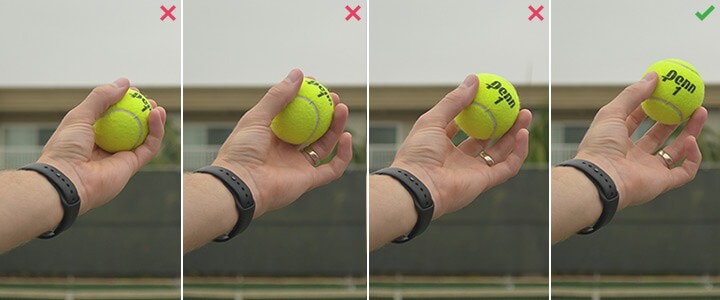
A quieter release starts with a light hold that lets the ball leave your hand without a flick. Two tennis instructors give different cues for it.
USTA coach Ben Zaiser recommends a soft grip and releasing the ball from the fingertips. Feel Tennis suggests resting the ball nearer the base of the fingers and palm, stabilized lightly with the thumb, while reducing extra finger and wrist action.
| Hold or behavior | Coaching focus | What you can see |
|---|---|---|
| Fingertip release | USTA's soft grip and release from the fingertips | Ball leaves cleanly or snags a finger |
| Finger-base cradle | Feel Tennis's lightly stabilized hold | Thumb lets go cleanly or influences the flight |
| Squeezing or deliberate finger push | Behavior worth removing from either hold | Sudden twist or visible unwanted rotation |
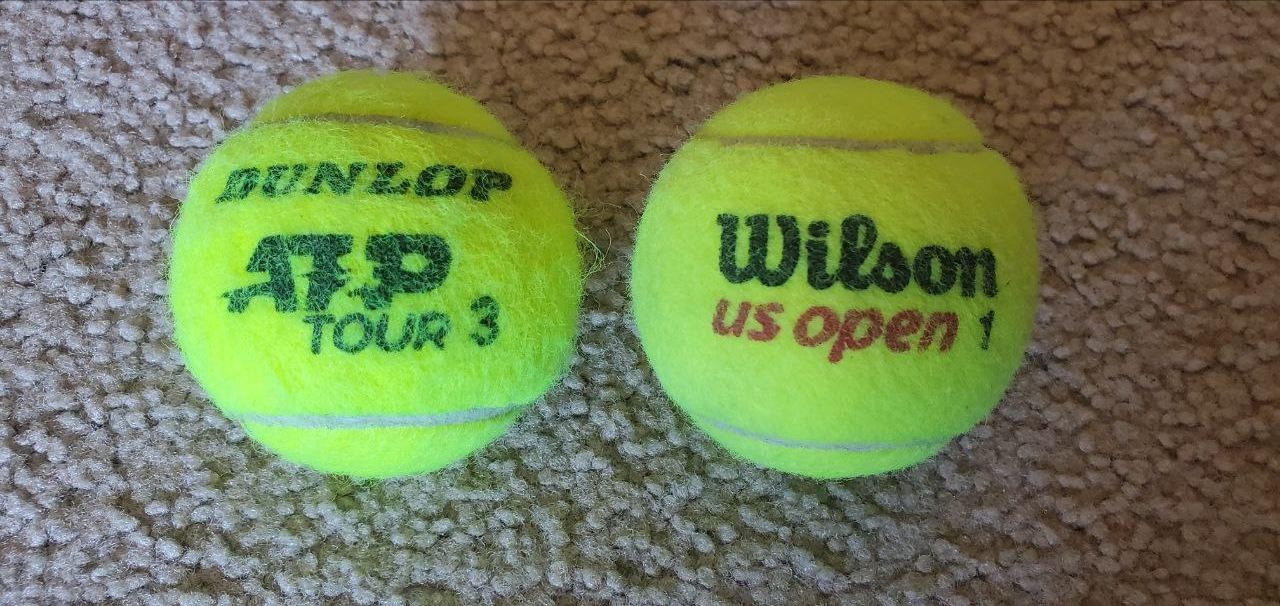
Run a controlled release comparison
Use the same stance, target placement and height for a small set with each hold. Watch whether the ball snags, twists or drifts as it leaves your hand, then keep the cue that gives the cleaner release for your serve.
Lift the ball smoothly and keep the toss in sync with your serve
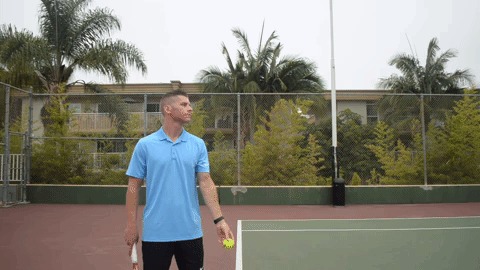
The tossing arm and the racket arm prepare for the same serve. A steady release can break down when your body starts to turn, or when racket preparation starts too early or too abruptly for your rhythm.
Lift the ball smoothly from the tossing side. Watch whether the release direction changes when the elbow, wrist or fingers add a sudden movement. Keep the arm relaxed and the path the same every time.
A 2025 study in the European Journal of Sport Science tested normal, early and late tossing-arm timing with ten high-performance male players hitting maximum-effort first serves. Changing the timing affected toss placement, serve duration and the ball's trajectory.
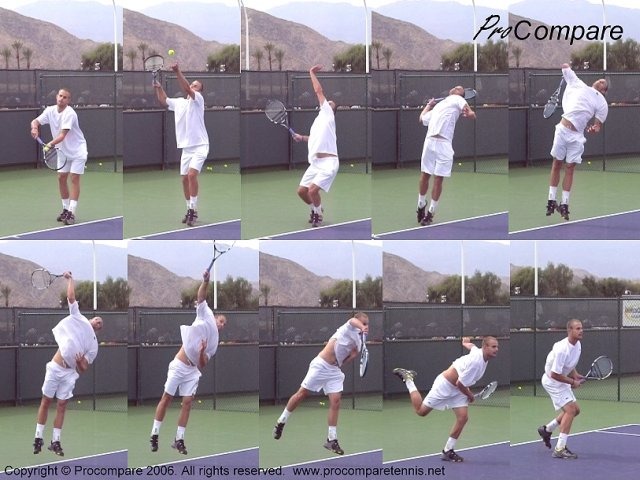
For your own serve, the question is whether the ball's flight changes the moment other parts of the serve start moving. The practice progression below tests that in stages.
Where should you toss the ball for a tennis serve?
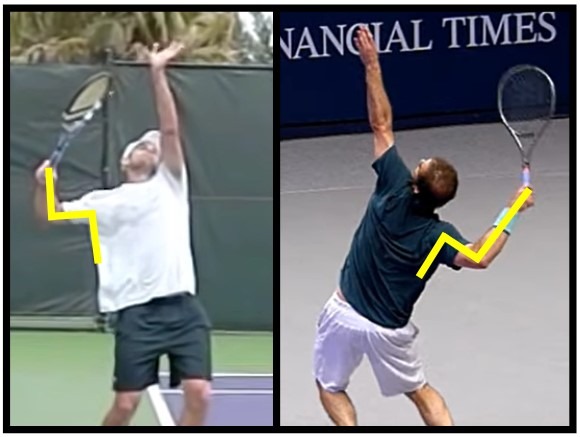
Toss the ball toward a spot where your racket meets it with balance and no last-second reach. That spot depends on your body, serving hand, movement and the type of serve you hit.
Treat forward and backward movement relative to the net, sideways movement relative to your stance, and vertical flight as three separate dimensions. The tossing hand is normally the left for a right-handed server. Left-handers reverse the directions.
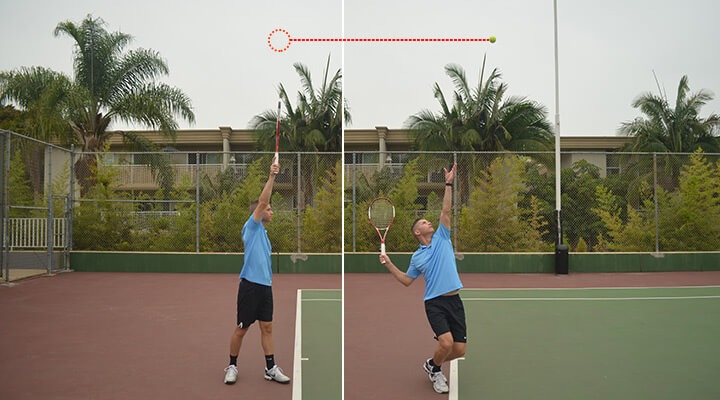
Find the contact window you can reach
Rehearse the motion without hitting a ball and note where your racket would meet a toss you can handle. If the ball drifts too far behind you, you lean back to reach it. Too far to either side pulls your balance away from the stroke. A forward toss still has to fit a motion you control.
In a 2025 case study, Jan Carboch and Denisa Hrychová observed two recreational and eight competitive female players completing 40 flat serves each. The competitive group contacted the ball about 40 cm closer to the net in that sample.
The preferred ball position also changes between flat, slice and kick serves. See flat, slice and kick serves for the full mechanics. This page covers only the toss.
Should your serve toss be higher or lower?
A good toss height gives you time to prepare the racket and strike cleanly. Too low, and you rush the motion. Too high, and you wait for the ball to come down. Release point, apex and racket contact point are three different heights, and the right gap between them depends on your service rhythm. With your hold and placement steady, change the height a little and keep the one that lets you meet the ball without rushing or waiting.
A practical tennis toss drill progression you can repeat

Toss practice should end in a usable serve. Work through the motion in stages so you can see where a steady ball flight starts to change.
| Stage | Task | What counts as useful evidence |
|---|---|---|
| 1. Toss alone | Release from the normal stance with no racket swing | Ball keeps reaching your contact window |
| 2. Keep the chosen cue | Repeat with the release hold selected earlier | Fewer of your most common misses than in your starting sample |
| 3. Add racket preparation | Introduce the initial racket movement while tossing | Ball stays in the window when both arms move |
| 4. Hit complete serves | Serve toward one area of the service box | You reach the ball without a late chase or a forced swing |
If Stage 1 is steady but Stage 3 scatters, the racket movement is what to practice. If all four stages hold, move on to serve placement and consistency.

Two-ball and simplified-hand exercises
In USTA coach Ben Zaiser's two-ball exercise, hold two balls and toss only the one positioned at your fingertips. Feel Tennis offers a fist drill: make a fist, rest a ball on top and lift it with your tossing arm. It also describes holding two balls, tossing the front ball while the other stays in your hand, then returning to a regular single-ball toss.
Use a variation only when it isolates the error you are testing, and go back to the ordinary hold before judging a full serve.
Why your toss falls apart in matches and how to test transfer
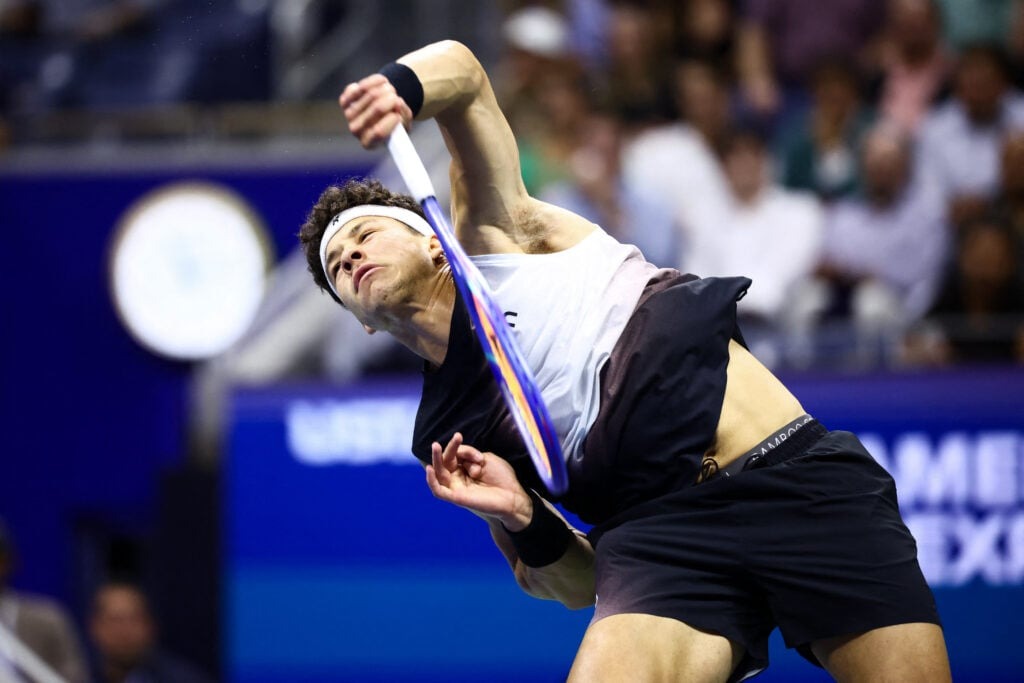
A toss that feels dependable in unscored practice can change once every serve affects a point. You have to prepare the motion while handling the score and the risk of missing.
It shows up as a rushed release, a ball that sits farther to one side, or a body adjustment made after the toss. The same symptoms also appear in ordinary practice, so compare the playing context too.
Bring the score into practice
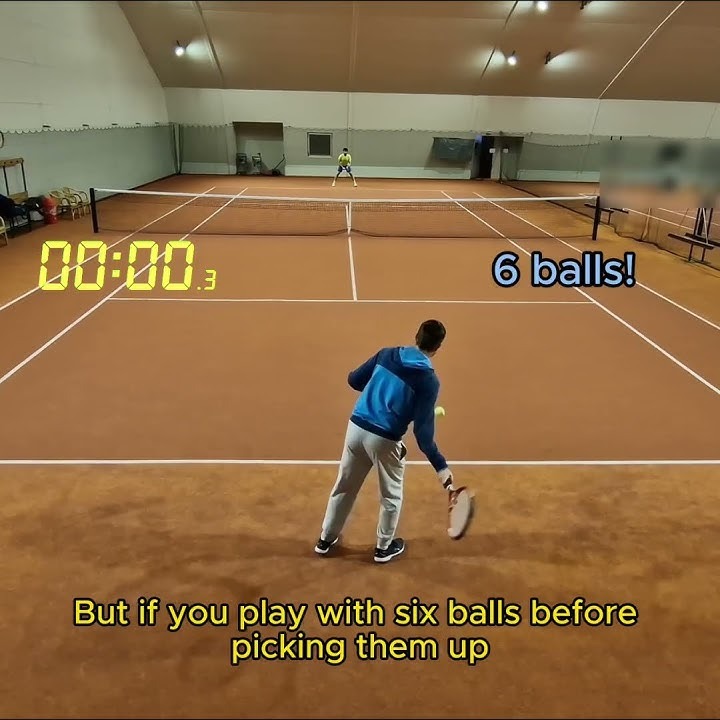
Once complete serves feel repeatable, hit a short unscored set and a scored set to the same service target. See whether the toss changes when a point counts. If it does, make a consistent pace before each serve the one thing you test in the scored set.
A coach can watch the full motion if you still can't identify the error.
Can you catch a bad tennis serve toss without a fault?
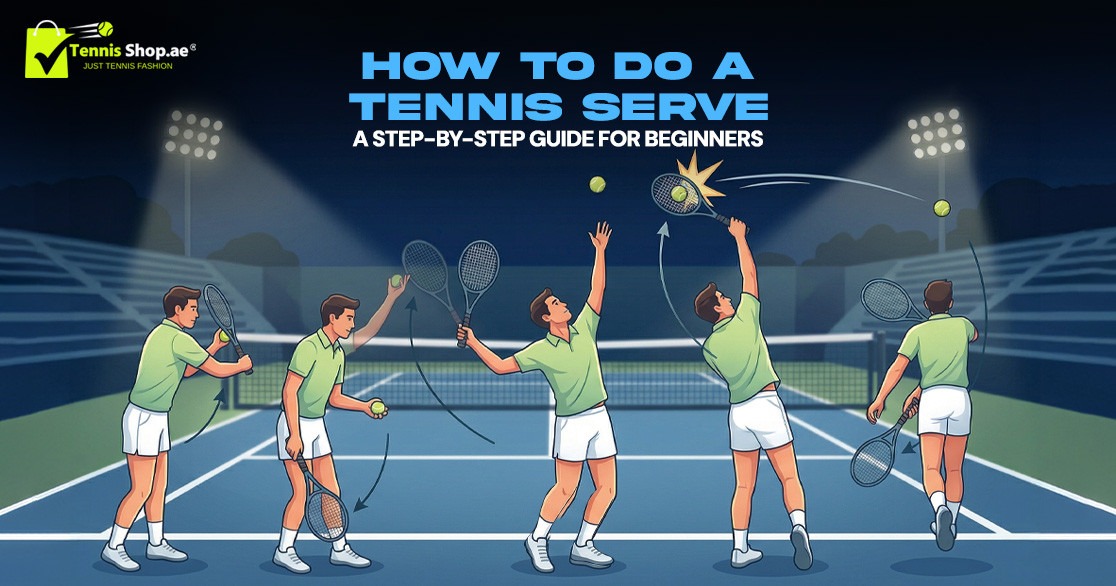
Yes. Under ITF Rule 19, Case 1, a server may catch a tossed ball with the hand or racket, or let it bounce, after deciding not to strike it. That unattempted toss is not a service fault.
- Abandoned toss: You release the ball, decide not to hit it and catch it or let it drop. Rule 19 treats this as no fault.
- Attempted strike that misses: You swing at the tossed ball and miss it entirely. Rule 19 treats this as a service fault.
- Service let: The rules define separate circumstances for a let, including specified net-contact situations. This differs from abandoning the toss.
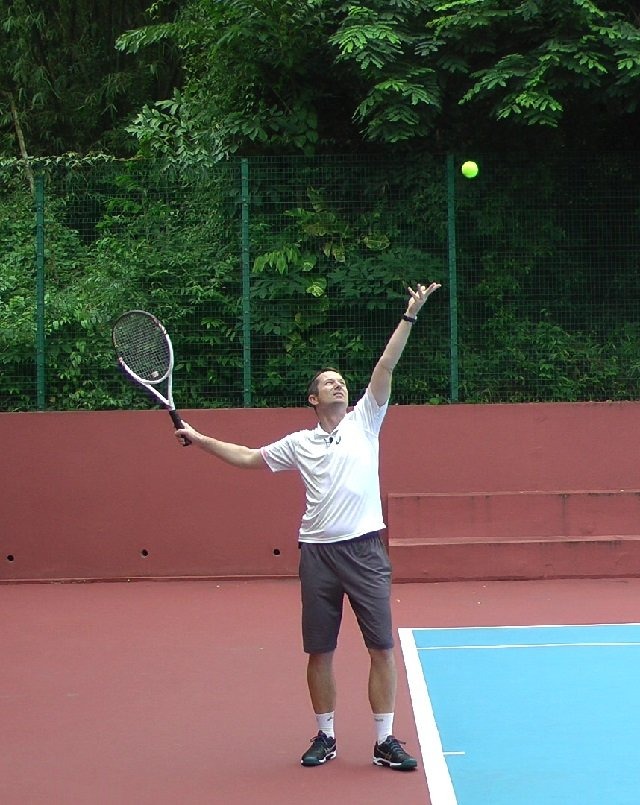
ITF Rule 29 governs continuous play. Rule 19's retoss allowance does not waive the requirement to keep reasonable continuity between points. For broader faults, lets and serving order, see the tennis serving rules.