
If you can already attempt an overhand serve, pick a comfortable second serve you can repeat. It should clear the net with room to spare and shouldn't invite an attack. A kick serve is optional. When that serve breaks down under match pressure, go back to a simpler motion you know, fix one visible problem at a time, and test the result in scored practice that alternates courts. Add pace or more demanding spin only after that.
What Makes a Second Serve Reliable?
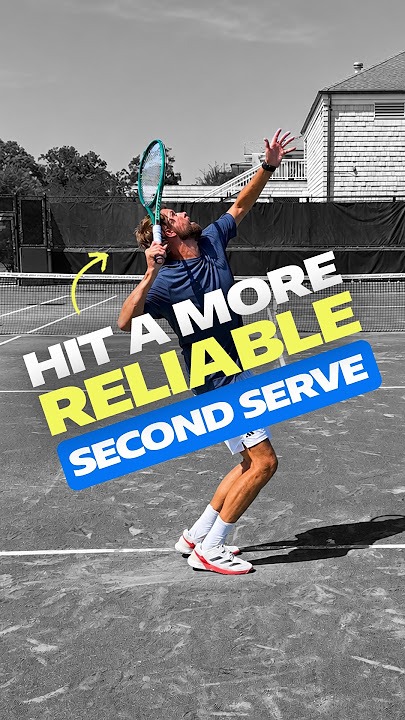
A second serve has two jobs: start the point legally and leave you a fair chance to play the next ball. A serve that just drops into the box passes the first test, yet a confident returner gets an easy swing. A lively serve that often misses fails before the rally begins.
Under the ITF Rules of Tennis, after a first-service fault you get another attempt from the same side, subject to the rule about having served from the wrong half. The ball must land in the diagonally opposite service court without a service fault. Two consecutive faults lose the point.
Under the ITF's 2026 standard let procedure, a qualifying second-service let is replayed as another second serve, and the earlier first-service fault stays on the record. Under the authorized no-let alternative, an otherwise good serve that touches the net stays in play.
My first serve has plenty of pop, but I struggle to take pace off and hit a consistent second serve. When I get rattled in a match, my second serve can turn into a full-on “grandma serve” — no disrespect to the great grandmothers out there. That works fine at 3.5, but 4.0s absolutely feast on it.
Which describes your game: second serves that miss, second serves that sit up for the returner, or both?
Choose Your Progression: Controlled Contact, Slice, or Kick
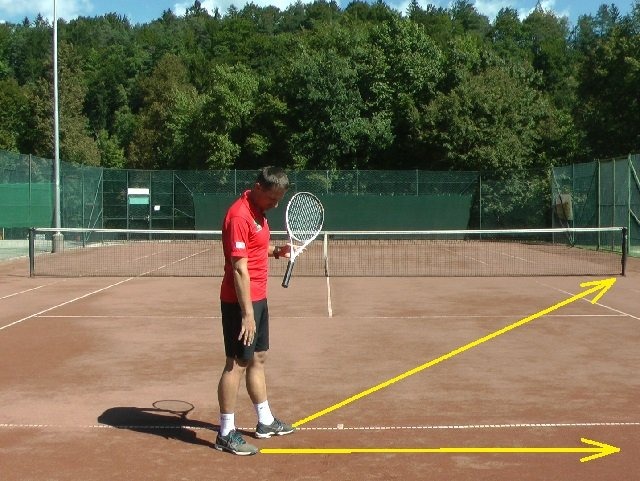
Pick the serve that fits the motion you already have. If your toss and contact are erratic, a kick serve piles extra decisions onto an unstable base. If you make clean, comfortable contact, spin and placement are realistic ways to improve the second ball.
The LTA's second-serve instruction separates basic contact development from intermediate slice and more advanced topspin or kick work.
| Your current ability | Working serve | What to develop | When to switch |
|---|---|---|---|
| Toss or contact varies widely | Controlled basic overhand serve | Comfortable contact and a generous diagonal target | The motion stays uncomfortable or rarely produces a legal serve |
| Basic motion is repeatable | Slice progression you can manage | Consistent sidespin and placement | It floats into an easy return or misses too often |
| Stable foundations and coaching access | Coached topspin or kick progression | Individual contact, spin and ball shape | Complexity sharply cuts your control, or the motion feels uncomfortable |
Slice and kick change the ball's flight and bounce through spin. A realistic kick serve has more than one spin component, so a description like brushing straight up is incomplete.
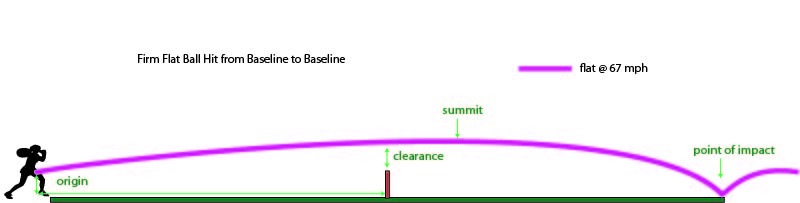
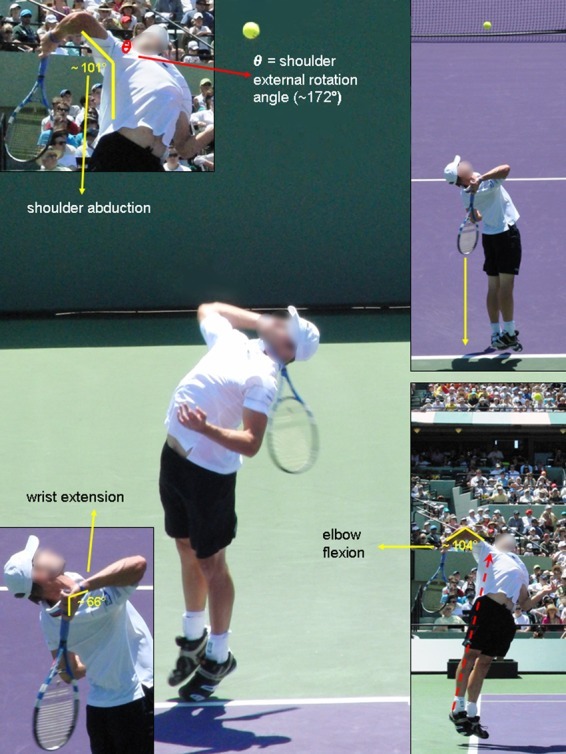
For an intermediate slice serve, the LTA teaches a continental grip and contact toward the side of the ball to create sidespin. Its advanced kick progression uses an upward brushing action with toss and contact adjustments. The ITF leaves grip choice to the player. If the continental grip is new to you, start with basic serve instruction before advanced kick mechanics.
Net, Long, Wide, or Erratic? Diagnose Before You Change the Swing
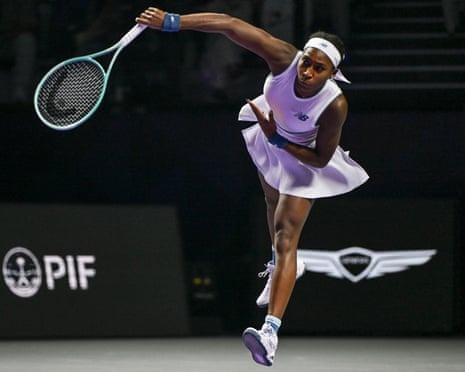
Two players can hit the net for different reasons. Start with where the ball ends up, then watch what your motion was doing.
| What happens | What to check | How to test it |
|---|---|---|
| Into the net | Whether toss and contact stay in a similar place | Aim at the same roomy target every time and compare attempts |
| Beyond the service line | Contact and launch direction | Look for what changes as the ball goes long |
| Wide of the correct box | Target choice and alignment from that service side | Check the intended diagonal box from the deuce and ad courts |
| Scattered in several directions | Toss location and swing rhythm | Check whether those two vary from serve to serve |
| Only after the first serve misses | Whether your familiar motion turns tentative | Put a normal practice serve next to the second attempt that follows a miss |
Say your second serve keeps going wide from the ad court but lands in the correct box from the deuce court. First confirm you're aiming at the correct diagonal box on each side. If that checks out, film your toss and contact on the ad-court attempts from a consistent side or rear view. A wandering toss calls for a different coaching check than a stable toss with changing contact direction.
I have been playing for almost 10 years now and have never got lessons for tennis. I have a very fast serve, however my consistency is terrible. I’d probably 50/50 get my first serve in, then if missed I “tap” the 2nd serve. Any tips on how to actually serve properly. I am trying continental grip but don’t fully understand. I notice when I throw the ball higher it goes in more often. Also, how do I make 2nd serve more accurate whilst, not being to weak? Any tips I would be grateful!
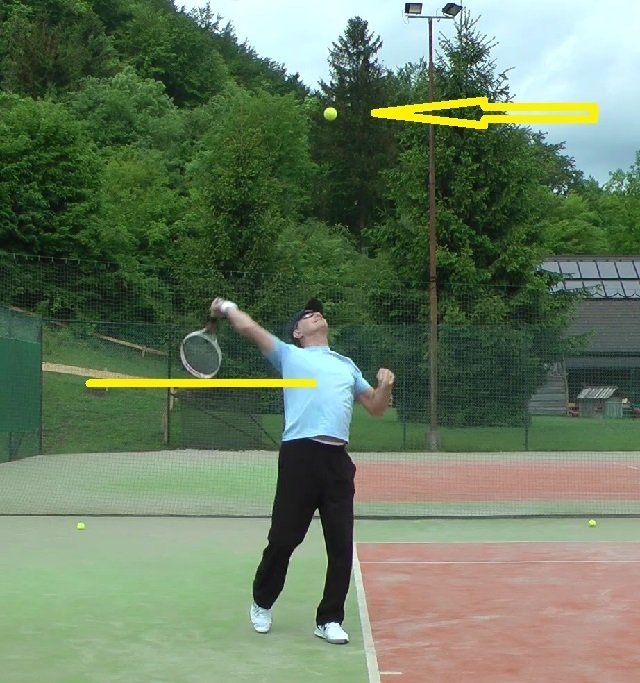
The poster noticed that a higher toss helped. Film both tosses and compare the timing of your contact.
Stop Tapping It In: Add Margin Without Giving Away the Return
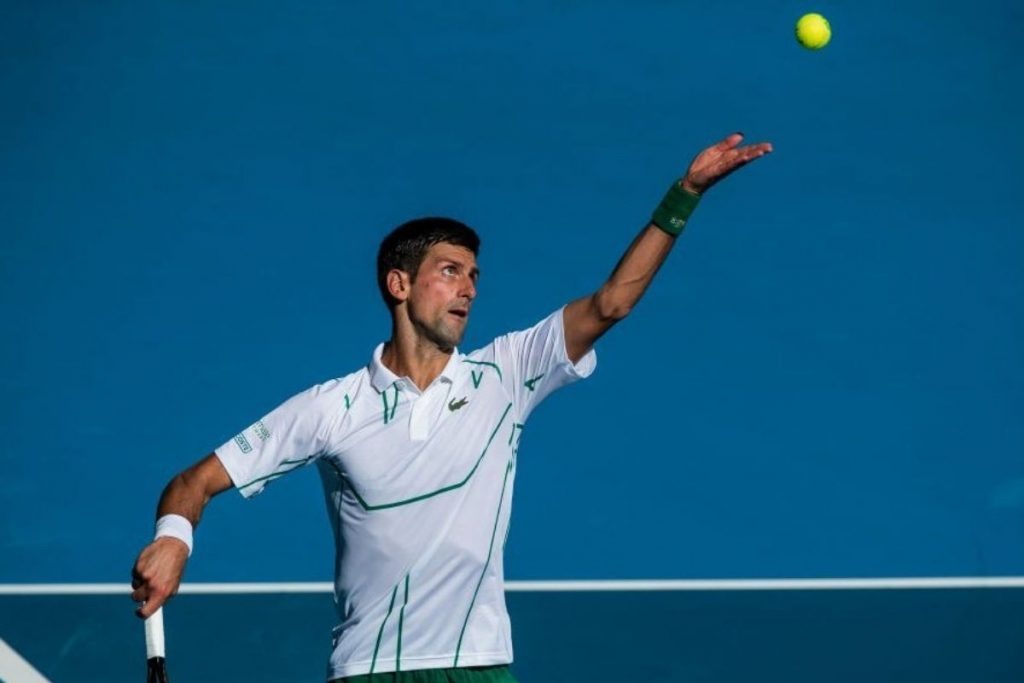
A useful second serve clears the net with room and lands in a forgiving part of the service box. Spin and placement make it harder to attack, and you don't need first-serve pace to get there.
A soft tap works against a hesitant returner. Against someone who stands forward, reads the serve early and takes a comfortable first strike, the same ball puts you on defense at once. Chasing extra speed adds double faults before the returner even swings.
The USTA's service-placement instruction uses target practice to build control. A generous target inside the proper service box gives you room while you build a repeatable serve. Go for the corners once the motion holds up.
With a partner, hit two familiar serves that land at a similar rate and compare the returns. Watch the first contact: does the returner step inside the baseline, swing comfortably and put you on defense, or start a neutral exchange? If the softer ball gets attacked every time, look at its placement or shape. Practicing alone, skip this step.
Build Up to Scored Points: A Short Practice Ladder
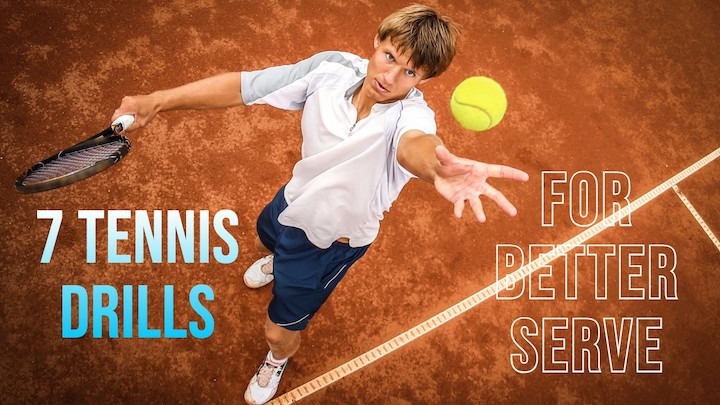
Basket practice helps you find comfortable contact. A match asks for the same motion after the first ball misses, from alternating courts, with a point at stake. Add those demands to practice step by step.
| Stage | Practice task | When to progress or step back |
|---|---|---|
| 1. Familiar contact | Serve to a generous legal target with no score | Move on when the motion feels repeatable and you understand your misses. Stay here while contact scatters. |
| 2. Alternating courts and sequence | Switch between deuce and ad sides, including a first fault followed by your second serve | Move on when the same second motion holds on both sides and after a miss. Come back here if a new situation changes your motion. |
| 3. Scored simulation | Play a one-attempt practice game: a legal serve wins the point, a fault loses it | Notice whether the score changes your motion. If it does, simplify and repeat the earlier stage. |
The LTA also teaches a one-serve-per-point exercise. Before each practice point, settle, pick your target and start your normal motion.
I used to go to a court and play a game with myself. Just one serve like a regular game. I get it in, I win the point, I don’t, I loose the point. Did that until I can win 6-0, 6-0 consistently. Might have been boring but puts a little perceived pressure on me to get it in. The pressure in a real match is a lot more, so need to build that confidence too.
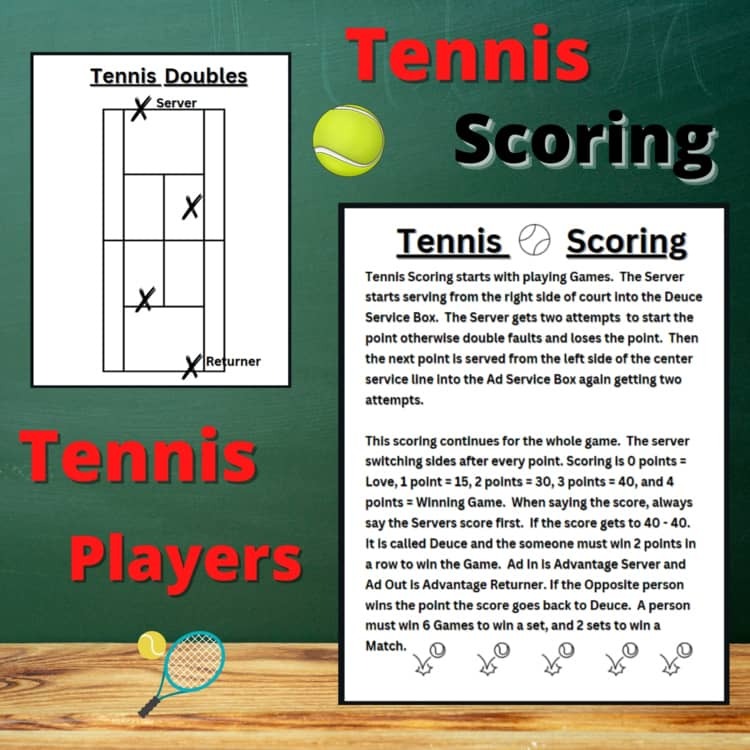
Should You Use Two Higher-Percentage Serves?
Try two similar controlled serves if switching from a forceful first serve to a cautious second one disrupts your rhythm. The upside is a familiar swing on both attempts. The downside is a returner who learns the same ball shape and placement. Play comparable scored points with your usual first-and-second combination, then with two controlled serves. Count double faults and note how the returner responds. Keep the option that holds up in your own play.
Measure Progress, Recognize Limits, and Know When to Get Coaching
Track whether the serve lands and what happens to the point once it does. Each question needs its own count over the same set of service opportunities.
In a scored sample under standard rules, N is the number of service points that need a second serve, S the ones where the second serve lands legally, D the ones lost on a double fault, W the points you win after needing a second serve, and P all service points played. For completed points, N = S + D.
| Measure | Calculation | What it tells you |
|---|---|---|
| Second serves in | S ÷ N × 100% | How often the second serve legally starts the point |
| Double faults per second-service opportunity | D ÷ N × 100% | How often the point ends on your second attempt |
| Double faults per all service points | D ÷ P × 100% | Share of all recorded service points lost to double faults |
| Second-serve points won | W ÷ N × 100% | How often you win the point after needing a second serve |
The first two rates add up to 100% for completed opportunities. The points-won rate also divides by N but measures the rally result, and the overall double-fault rate divides by P. A service let is replayed under standard rules, so log it separately and don't count it as an extra opportunity.
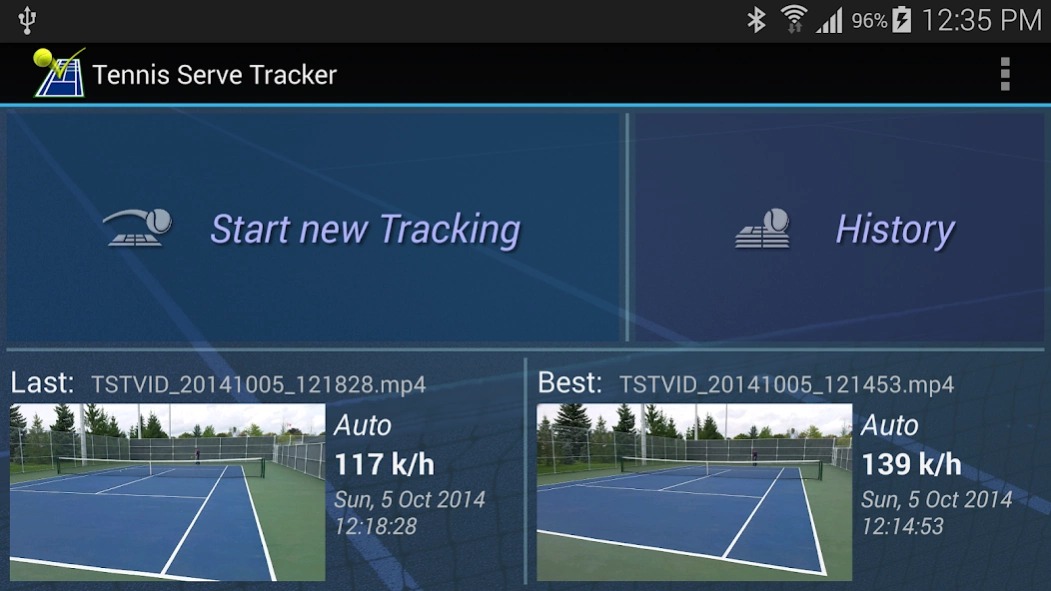
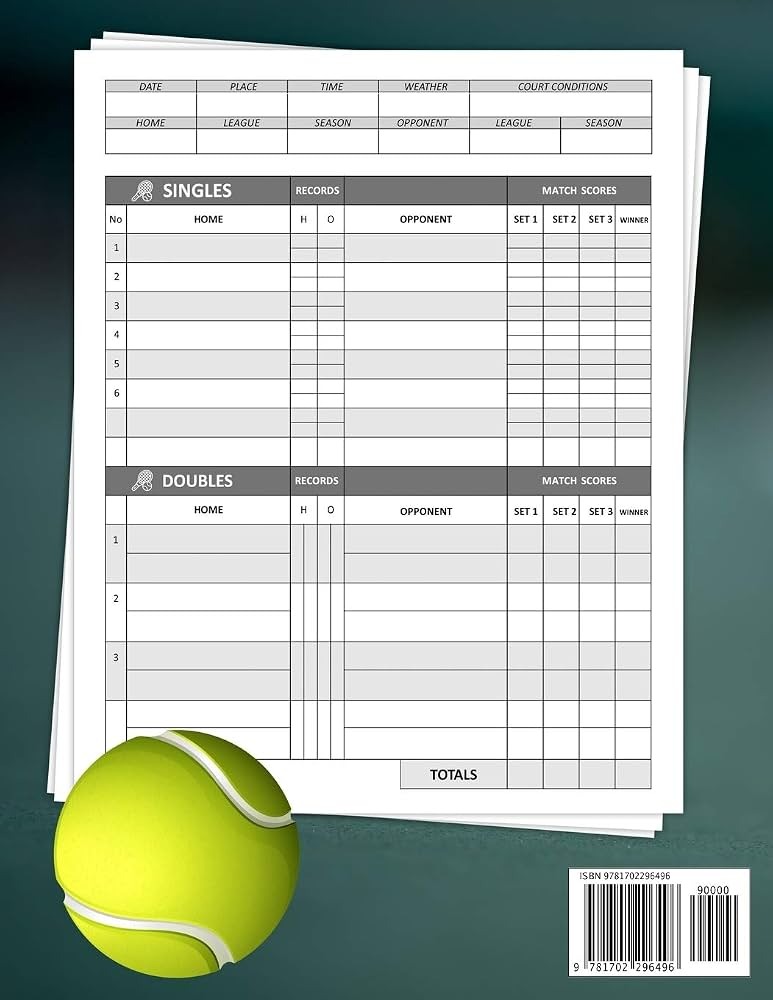
In a compact log, note deuce or ad court, unscored or scored, which serve you chose, whether the second serve landed, and the point result. With a returner present, add a note on the first return. Compare at least two similar sessions before you call it progress. A comfortable deuce-court basket serve next to repeated scored ad-court faults points to a narrower problem than a general collapse.
When a coach or clinician changes the plan
If repeated observation doesn't explain your serving trouble, a qualified coach can review your contact, grip and swing in person. Pain is a separate stop signal: stop forcing the painful motion and get it assessed by a healthcare professional.
A 2026 Sports Medicine - Open review of tennis serve biomechanics reports uncertainty about comparative joint loading across flat, slice and kick serves. Much of the evidence covers skilled male players and first serves, so it doesn't show that a kick serve is safer for recreational adults.