
If you're a recreational player who already makes clean forehand contact, swing forward and up, not nearly straight up, and keep the racket face under control. If contact or depth falls apart, slow the feeds, change one thing, and compare where the balls land before adding pace.
How Topspin Works: Forward Motion, Upward Motion, and Racket Face
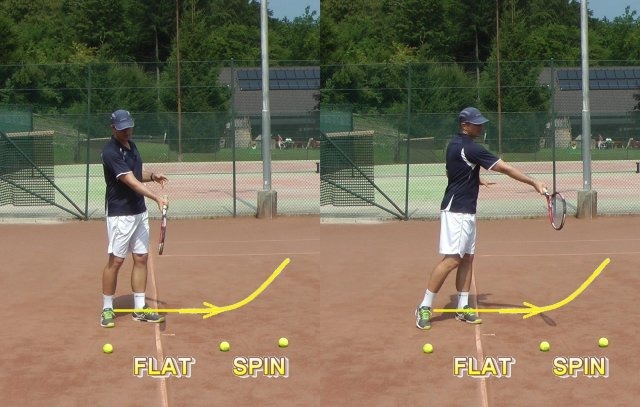
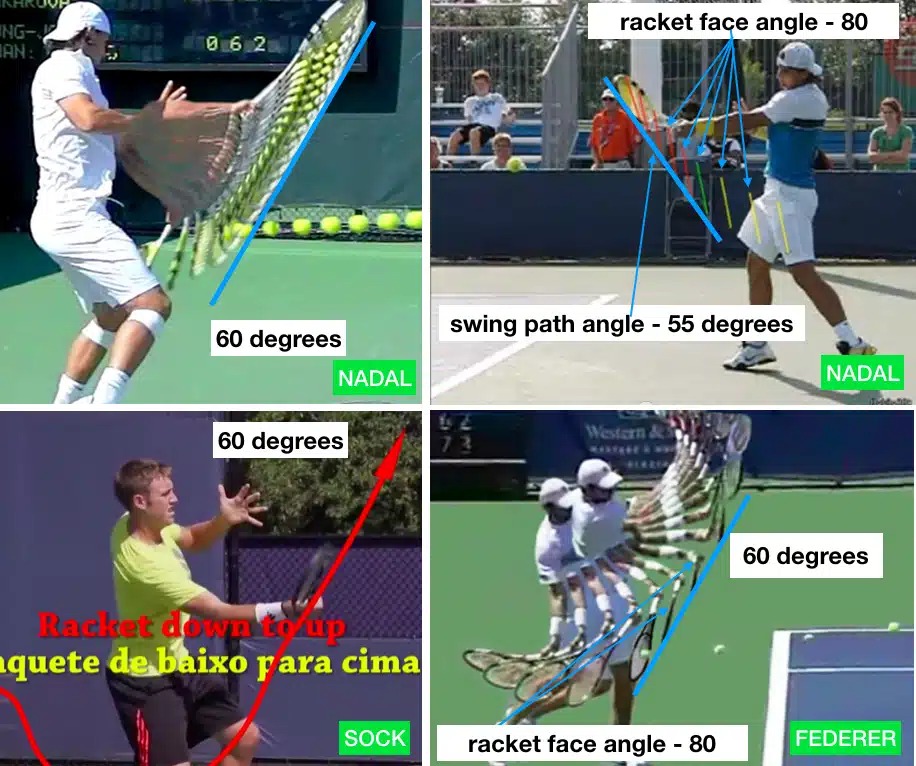
Topspin is forward rotation the strings put on the ball at contact. On a forehand, the racket travels toward your target while it also moves upward through the contact zone. The racket face decides how that motion turns into launch angle and spin.
You've probably heard the advice to brush up the back of the ball. It's a good starting image, and the USTA's topspin instruction teaches a low-to-high brushing action.
Think of the swing as two parts. One sends the racket through the contact zone toward your target. The other carries it upward. You need both for a forehand that spins and still travels far enough.
The follow-through helps a coach read your stroke, but it doesn't make the spin. The ball has already left the strings by the time the racket reaches your shoulder. Spin is created at impact.
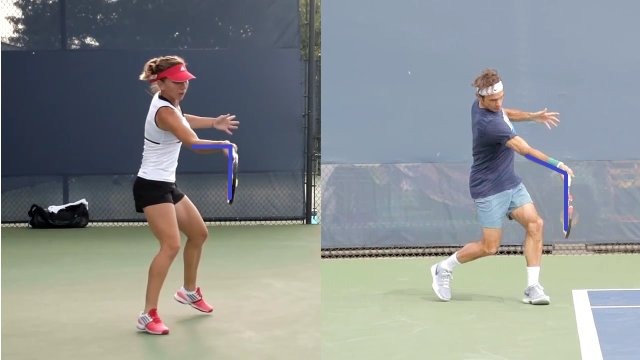
A 2017 study by Kwon and colleagues found that greater vertical racket-head velocity and a more closed racket-face orientation at impact were associated with greater topspin angular velocity. Both relationships had p < 0.01.
The sample was 13 male NCAA Division I tennis players, so the findings come from highly skilled players.
The regression models for total, cross-court, and down-the-line forehand accuracy were not statistically significant in this sample. Making spin, clearing the net, and landing in the intended area are separate outcomes, so track them separately.
Start With Clean Contact and a Repeatable Forehand
Before you add more topspin, make sure you can meet an easy ball near the middle of the strings. A repeatable contact point gives you something to build on.
Watch the ball in, leave room for the swing, and hit from a balanced position. Forehand instruction from the USTA and Britain's Lawn Tennis Association stresses preparation, spacing, and contact ahead of the body. The exact distance varies by player and incoming ball.
If you brush aggressively and keep catching the lower edge of the frame, the cause is spacing, timing, or an uneven feed. Frame hits say nothing about whether your spin change works.
Ask a partner for a few gentle, similar feeds. Check where the ball meets the strings, or film yourself from the side or front to check your spacing. If contact stays inconsistent at this pace, work on basic forehand preparation before you speed up the racket.
Topspin Without Decelerating the Swing
Many recreational players can sustain a rally by guiding the ball over the net, then lose confidence once they accelerate. The first harder swing sails past the baseline.
One player described that dilemma in an r/10s discussion:
I’ve recently reached a level where I can play consistent points with fellow beginners. While I’m winning some matches, I feel it’s mostly due to my footwork and staying calm rather than technical skill. I’ve hit a massive wall: I only know how to keep the ball in by "pushing" it or slowing down my swing (decelerating). Whenever I try to put more power into a shot or go for a winner, the ball flies long. I'm terrified of swinging through the ball. I know that pros and high-level players don't "soften" their touch to keep the ball in; they use heavy topspin to dive the ball into the court. I’ve read online about "plowing through the ball" and "hitting a heavy ball," but these concepts feel very abstract to me in practice.
The fix is to keep the swing moving and still send the ball on the right trajectory. Forward movement, upward movement, and the racket face do that together.
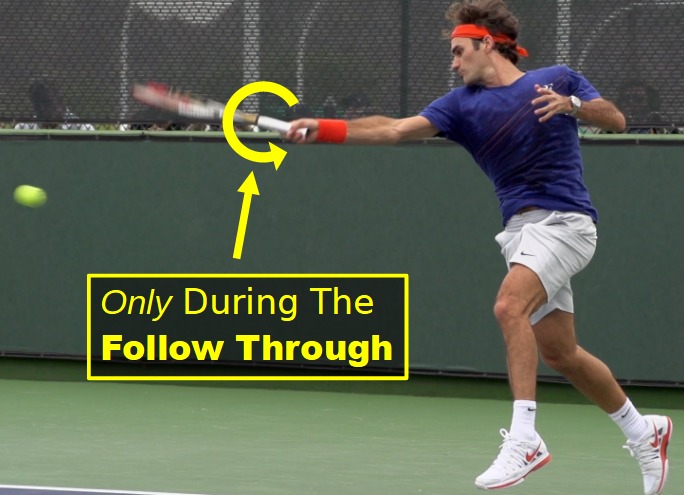
Pick one landing area and hit several forehands at it with slightly more swing commitment. Let the racket keep going through contact. Watch how far the ball travels, where it lands, and whether contact stays centered.
Why Your Topspin Ball Lands Short
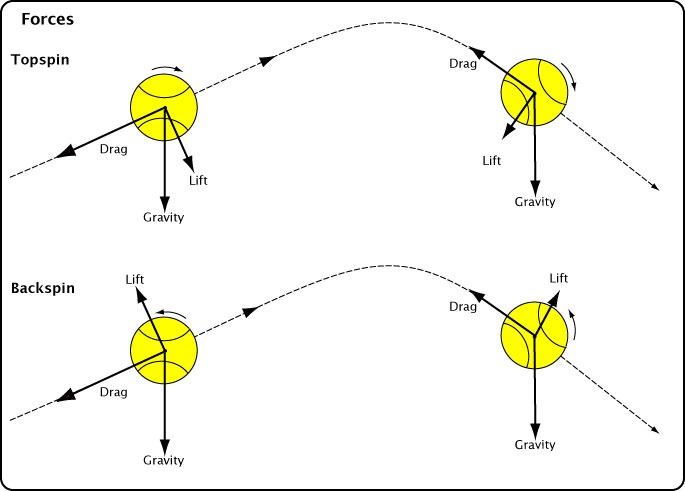
A ball can spin visibly and still land well inside the service line. If that keeps happening, check whether your racket moves forward through contact as well as upward.
Another r/10s player described that problem:
I currently play with a lot of topspin, maybe even too much. I'm not super aware of my swing path as I just hit as fast as I can, but it doesn't go deep. I'm told I swing low to high too steeply, but I don't see it and my racket ends up around the side of my shoulder on my follow through so maybe it's more brushing too much? I know the common advice is to imagine hitting through 3 balls, but I also end up imagining I'll shank it way out cross court lol. Anyway, I'd really like to learn a more relaxed shot that goes deep rather than me trying to power through every stroke because I need variety. I'd appreciate some tips and advice. I wonder if it's more mental than anything or if it's something like needing to lean forward more.
The player suspects a steep swing path, but also wonders about effort, body position, and contact. A short landing spot doesn't tell you which one it is.
Compare a ball that rises, spins, and drops short with one that carries deeper while keeping a pronounced arc. Dip and landing depth are two different things.
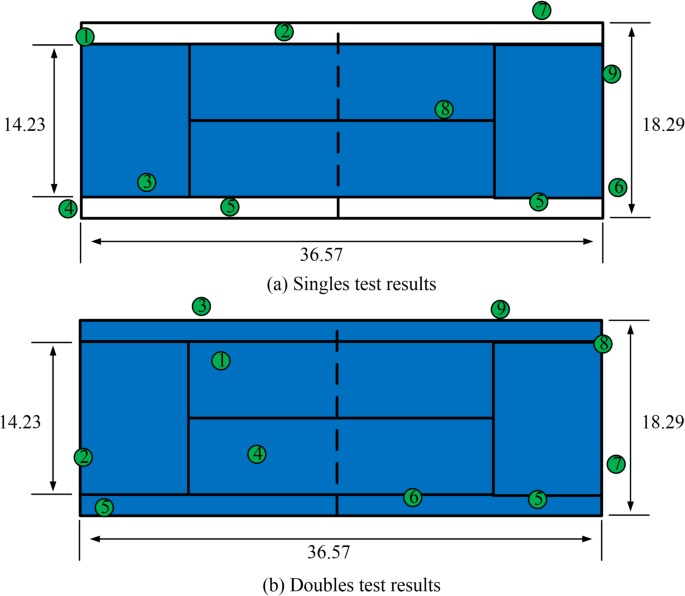
Pick a target zone deeper in the court, with a comfortable margin inside the baseline. Hit several balls and see whether a slightly more forward swing direction brings them into that zone while contact stays clean. Keep the target within a range you can repeat.
Feel Tennis treats rotation, forward travel, and control as skills to coordinate in its topspin exercises. A high ball can still land deep, and where the shot lands matters as much as the shape of the arc.
When the Ball Flies Long, Hits the Net, or Catches the Frame
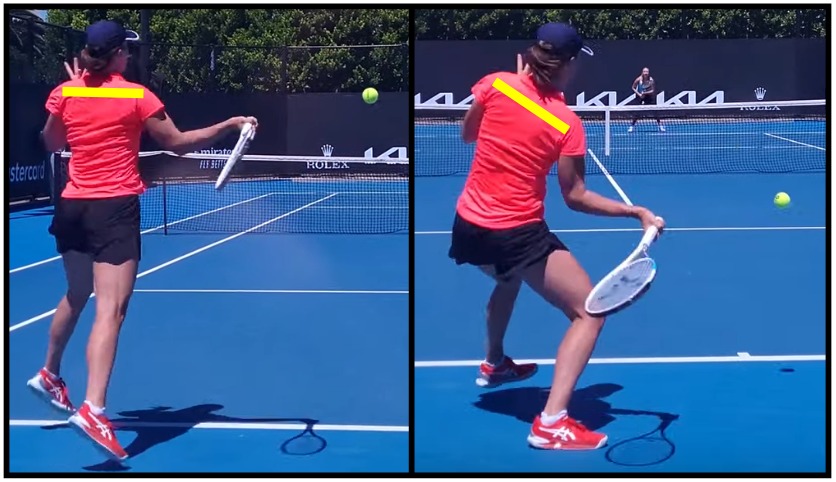
A miss tells you what to check next. Start with what you see and compare it against a similar incoming ball.
| What the ball does | First thing to inspect | Possible next adjustment |
|---|---|---|
| Flies high and long | Racket-face angle, launch direction, and contact timing | Check the racket face and contact before changing swing speed |
| Hits the net | Contact height, timing, and net clearance | Take an easier feed and see where the racket meets the ball |
| Catches the frame | Distance from the ball, preparation, and stringbed contact | Make room for centered contact on an easy feed |
| Spins but lands short | Forward movement through contact and the depth target | Aim at a deeper target zone |
| Works on gentle feeds but fails in a rally | Incoming pace and spin, movement, and preparation time | Compare a hard feed with an easy one before changing mechanics |
If the racket catches the frame on several feeds in a row, start with contact and spacing. If contact is centered and balls keep dropping short, check your forward path and depth. The same miss can still have more than one cause.

Say one ball goes into the net and the next flies past the baseline. If you change grip, stance, and wrist action all at once, you won't know what worked. Pick one recurring miss and test one matching variable.
Topspin Drills: From Short Feeds to a Baseline Rally
Start where you can see what a swing change does. A cooperative feed lets you watch contact and ball flight before you add the movement and pace of a match.
Stage 1: Easy, repeatable feeds
Begin with a comfortable ball fed gently to your forehand. Focus on centered contact and the forward-and-upward path. A shadow swing introduces the movement, but you only see ball flight once you hit the ball.
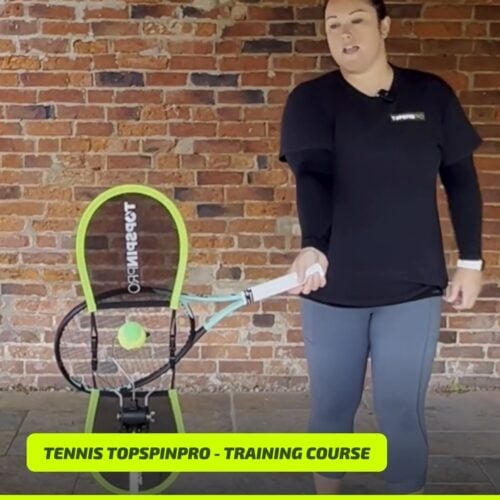
For a feel drill, the USTA describes placing a ball between the racket strings and the net cord, then brushing it up and over the net. It shows how upward brushing gives the ball forward rotation. It teaches feel only, so keep hitting fed balls to learn flight and depth.
Stage 2: Cooperative short-court rally
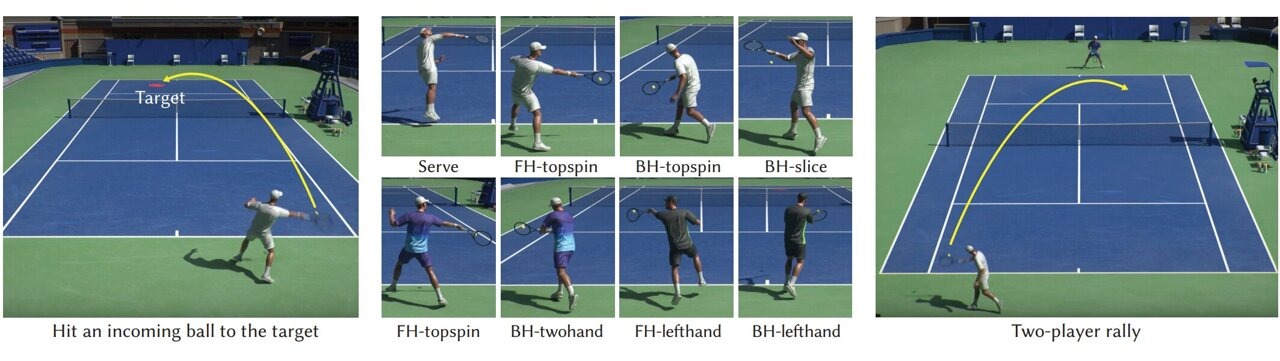
Rally with a partner from a shortened court distance. Aim for one landing area and keep the feed predictable enough to make centered contact repeatedly.
Stage 3: Extend toward the baseline
Move back gradually and let the ball travel farther. Keep rallying cooperatively before you add variety. Feel Tennis gives a harder sequence: your partner first returns slow slice, then flat balls, then topspin balls. Use it when your partner can deliver those feeds consistently.
- Advance when: Contact and landing area stay repeatable at the current feed.
- Simplify when: Contact gets rushed or misses pile up.
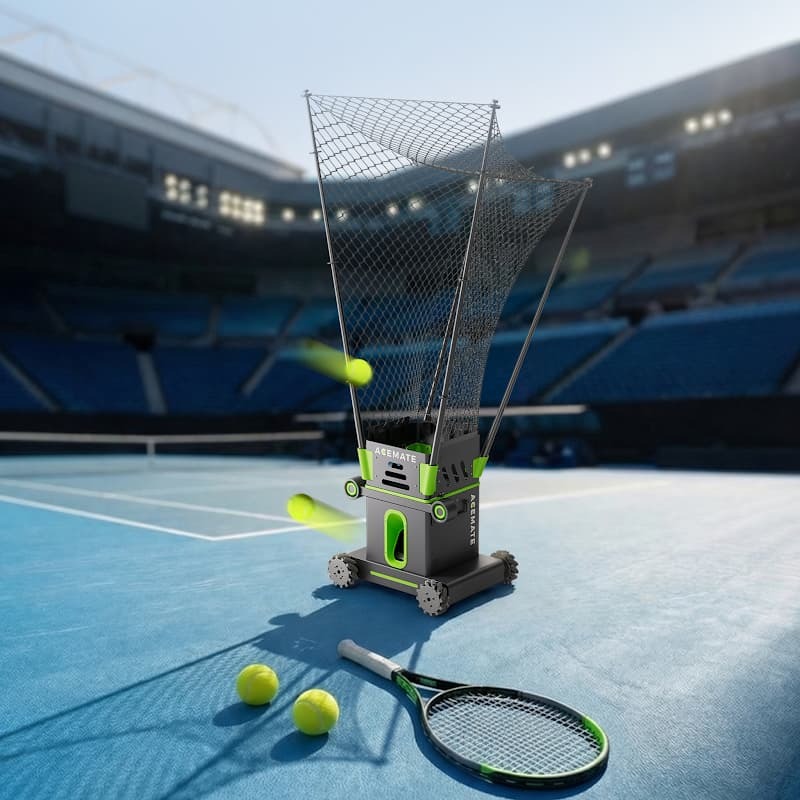
- Keep it accessible: A partner feeding gently is enough. A ball machine is optional.
How to Tell Whether Your Topspin Is Improving
Compare contact, in-court placement, and landing depth under similar feed conditions. That tells you whether a new swing cue helps the rally shot you want.
Use two sets of ten similarly fed forehands. Ten is a convenient count, not a prescribed dose. Record one set before the cue change and one after.
| Observation | First 10 feeds | Next 10 feeds |
|---|---|---|
| Balls landing in court | ___ / 10 | ___ / 10 |
| Balls landing short of target zone | ___ / 10 | ___ / 10 |
| Balls landing in target-depth zone | ___ / 10 | ___ / 10 |
| Balls landing deeper than target but inside baseline | ___ / 10 | ___ / 10 |
| Balls landing beyond baseline (out) | ___ / 10 | ___ / 10 |
| Balls landing beyond a sideline (wide out) | ___ / 10 | ___ / 10 |
| Balls hitting the net | ___ / 10 | ___ / 10 |
| Centered stringbed contacts | ___ / 10 | ___ / 10 |
| Approximate net clearance | Brief observation | Brief observation |
“In court” counts short balls, balls in the target zone, and deeper balls still inside the baseline. A ball beyond the baseline is long out, and a ball beyond a sideline is wide out. A ball that lands both long and wide counts only as long out. A ball that hits the net has no depth category. The contact row tracks the swing itself, so it can overlap any landing result.
Pick the number that matches your adjustment. A higher in-court count means more consistency. A higher target-zone count better reflects the depth you want. A ball that visibly dips is a flight observation, and the scorecard doesn't measure spin RPM.
Keep incoming speed, spin, and bounce close between sets. If they change a lot, you can't tell what the swing change did. If the pattern stays unclear, a short video or an experienced coach can show which part of the stroke you're missing.
What Grip and Incoming Spin Change, and What They Don't
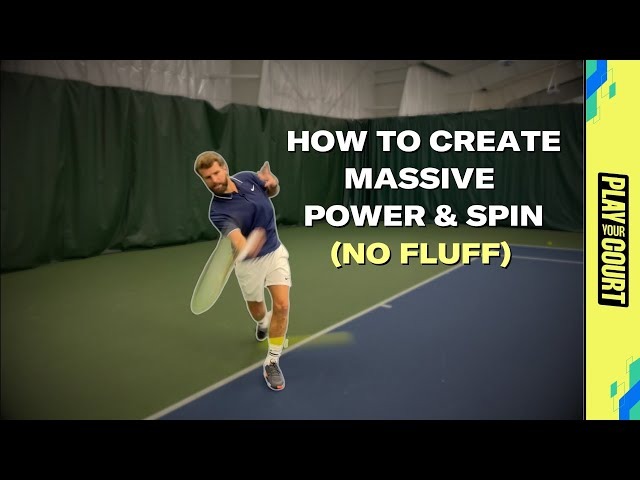
A forehand grip influences how the racket face presents at contact, and the incoming ball's speed, angle, and spin also affect how it interacts with the strings. A windshield-wiper finish is a visible stroke pattern.